
How Collision-Proof Boom Barrier Reduces Damage?
2026-05-09
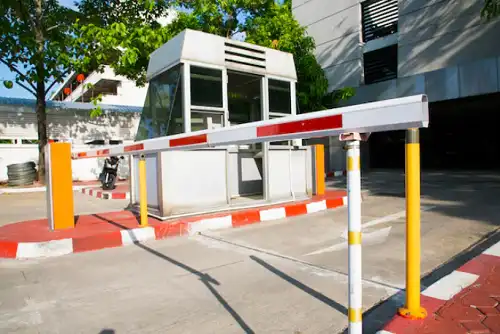
Collision-proof boom barriers, particularly those equipped with anti-collision arm technology, dramatically reduce damage through an intelligent swing-out mechanism. When a vehicle inadvertently impacts the barrier, the Anti-collsion arm Security Boom Barrier disengages and swings 90 degrees horizontally rather than transferring destructive force to the internal motor assembly. This breakaway design protects both the expensive barrier equipment and the vehicle from costly damage, while allowing security personnel to quickly reset the arm manually without specialized tools or extended downtime.
Introduction
Keeping business properties, airports, residential communities, office complexes, and parking lots safe while also managing vehicle entry efficiently is a problem that never goes away in the United States. Many years ago, traditional boom barriers were used to keep people out of these areas. However, they often get damaged in accidents, which costs a lot to fix and raises safety issues.
Repairing boom arms, motor units, and damaged vehicles is costly. Property managers and facilities staff face repair calls, temporary closures, and angry customers. Driver distractions, adverse weather, and simple mistakes increase accidents in congested settings. These concerns are solved by new anti-collision arm technology that prioritises damage prevention above structural resistance. This thorough guide explains how collision-proof boom barriers may help B2B procurement managers, security experts, resellers, and OEM clients identify innovative access control solutions that last longer, cost less, and work better.
Understanding Collision-Proof Boom Barriers and Anti-Collision Arm Technology
The Core Innovation Behind Breakaway Boom Arms
Anti-collision arm technology completely changes how boom barriers react to being hit by a car. Instead of using hard structural parts that will break after repeated stress to absorb impact energy, these more advanced systems have a mechanical release device that works like a safety fuse. The boom arm is attached to the drive unit by a holder that was custom made and has preset friction clips or magnetic engagement systems.When the horizontal force goes over a certain limit, which is usually around 30 kilograms of shear force, the arm breaks free and swings outward. This controlled separation keeps force from going to the gearbox, motor shaft, and house base, which are all weak spots. The smart design keeps enough of a grip to withstand external factors like wind loads up to Grade 6, but it releases quickly when there is a real accident.
Material Engineering for Optimal Performance
High-strength aluminum alloy, especially 6063-T5 grade, is used to make the boom arms. This metal has a great strength-to-weight ratio. Internal reinforcing plates keep the structure strong while keeping the total weight low enough to lower the power needs of the motor. This design is very light, which helps the doors open and close faster. It also keeps their sturdiness in temperatures ranging from -35°C to 80°C.The building parts are made of cold-rolled steel and have powder-coated finishes that can stand up to the harsh weather outside. This mix of high-tech materials makes sure that the buildings will work well in places like shopping mall parking lots that are hit by de-icing chemicals, airports along the coast that have to deal with salt air corrosion, and business parking lots that are out in the sun and experience big changes in temperature.
Sensor Integration and Active Safety Features
Modern barriers that stop collisions use a number of different sensor technologies to work together to actively stop collisions while also providing silent mechanical safety. Current-sensing technology constantly checks the load on the motor, finding resistance increases that could mean there are problems. The system starts automatic reverse before mechanical contact happens. This adds an extra layer of safety for both cars and people walking on the sidewalk.Loop detectors set in the concrete surface sense when a car is in the barrier zone. This keeps the barrier from closing too soon, which could cause a collision. Radar sensors can sense things without getting in the way and have sensitivity zones that can be changed. Photocell arrays, on the other hand, make virtual safety nets across the barrier path. These electrical safety features work with the mechanical swing-out design to offer full defense against damage situations.
Why Traditional Boom Barriers Fail and How Anti-Collision Arms Solve These Problems?
Common Failure Patterns in Conventional Barrier Systems
Traditional rigid boom barriers fail because impact forces transfer directly into critical components. When vehicles strike the arm, energy travels into the gearbox and motor assembly, causing gear damage, bent shafts, and structural failure of mounting brackets or housings. Driver behavior increases risks—tailgating, misjudging lane spacing, and poor visibility in rain or darkness often lead to collisions. Limited visibility features worsen this issue. Financially, failures extend beyond repairs: maintenance requires hours of downtime, disrupting operations. Facilities must either close lanes, causing congestion and dissatisfaction, or switch to manual control, increasing labor costs and reducing security effectiveness.
Engineering Solutions Through Flexible Design
Anti-collision arm systems solve these issues through controlled flexibility. The Anti-collsion arm Security Boom Barrier uses a breakaway design that allows the arm to swing out upon impact, preventing damage to motors and gear systems. This reduces repair costs and minimizes liability risks from vehicle damage. Recovery is simple—staff can reset the arm manually within seconds without tools, eliminating long downtime. Material selection enhances durability: aluminum alloy arms absorb minor impacts without permanent deformation, while optional rubber or foam edges protect vehicle surfaces. This design maintains operational continuity and improves user satisfaction by reducing damage incidents.
Long-Term Cost Analysis and ROI Comparison
Operational data shows significant cost advantages for Anti-collsion arm Security Boom Barrier systems. Traditional barriers often require arm replacement every 3–6 months, costing $200–$500 per repair, while major motor damage can exceed $2,000. Anti-collision designs reduce replacement frequency by 80–90%, greatly lowering maintenance expenses. Systems rated for over 3 million cycles outlast traditional units, which degrade after about 1 million cycles. Reduced downtime also prevents revenue loss and operational disruption. Over a five-year period, facilities typically recover investment within 18–24 months through lower repair costs, improved uptime, and more efficient operations.
Types of Security Boom Barriers Equipped with Anti-Collision Arms
Electric Motor-Driven Anti-Collision Systems
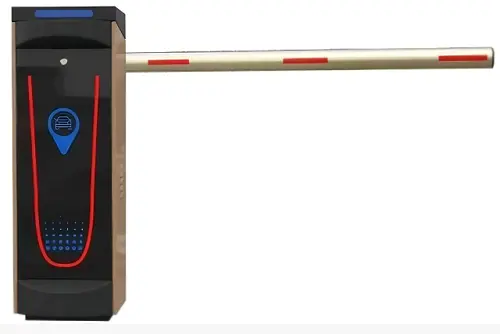
Electric Anti-collsion arm Security Boom Barrier systems are widely used due to their balance of performance, cost, and low maintenance. Brushless DC motors enable adjustable speeds from 1.5 to 6 seconds, supporting both high-throughput and controlled environments. A three-link crank mechanism ensures smooth, stable operation over millions of cycles. These systems integrate easily with parking platforms, including license plate recognition, Bluetooth access, and cloud monitoring, enabling automated and remote-controlled operations. Multi-layer safety features—such as swing-out arms, current sensing, and LED indicators—enhance visibility and prevent accidents, making them suitable for commercial facilities requiring efficiency and reliability.
Hydraulic Anti-Collision Barriers for Heavy-Duty Applications
Hydraulic Anti-collsion arm Security Boom Barrier systems provide higher القوة and durability for demanding environments. Fluid-driven mechanisms maintain consistent performance across temperature extremes, making them suitable for industrial sites and logistics centers. They support longer boom arms, up to 6 meters, for wide lanes and truck access. Hydraulic damping reduces vibration and prevents premature release in windy conditions, which is especially valuable in coastal or exposed locations. These systems also offer stronger resistance against forced entry attempts while retaining swing-out functionality during accidental impacts, balancing security with safety in high-risk applications.
Manual and Semi-Automatic Options for Lower-Traffic Environments
Manual and semi-automatic Anti-collsion arm Security Boom Barrier systems are cost-effective solutions for residential or low-traffic facilities. They use counterweights or spring mechanisms for easy manual operation while maintaining breakaway safety features. Staff can operate gates during peak hours, while optional electric upgrades allow remote control when needed. Their modular design enables gradual system expansion—facilities can start with manual setups and later integrate motors and access control technologies. This scalability optimizes budget allocation while ensuring consistent protection against impact damage across all entry points.
Installation, Maintenance, and Troubleshooting of Anti-Collision Arm Boom Barriers
Professional Installation Guidelines for Optimal Performance
Proper installation determines long-term reliability of an Anti-collsion arm Security Boom Barrier. The foundation must provide stable structural support and remain level within two degrees to avoid uneven motor load and ensure smooth arm movement. Electrical setup requires stable voltage, proper grounding, and surge protection, especially in areas with fluctuating power. Cable routing should protect against environmental damage while allowing future maintenance access. Calibration is critical: technicians adjust the swing-out mechanism to maintain stability during normal use while releasing safely under impact, typically at 30–35 kg force. Local wind conditions must also be considered, with high-wind areas requiring reduced surface designs or lighter arms.
Routine Maintenance Protocols for Extended Service Life
Preventive maintenance significantly improves reliability and reduces costs. Monthly visual inspections identify debris, corrosion, or wear in the swing-out mechanism. Lubrication of pivot points and friction clips every three months ensures smooth operation under varying temperatures. Sensor systems require regular checks: loop detectors must maintain accurate detection without false triggers, radar sensors need alignment verification, and photocell lenses must remain clean. Professional calibration every six months keeps electronics performing optimally. For motor systems, brushless designs reduce maintenance compared to traditional motors. Additional checks include belt tension, gear lubrication, and bolt torque. Maintenance logs help track performance trends and refine service schedules based on real operating conditions.
Troubleshooting Common Issues and Technical Solutions
Structured diagnostics help quickly resolve issues in Anti-collsion arm Security Boom Barrier systems. Arms detaching too easily usually indicate low friction tension or weak magnetic contact, while failure to release under impact suggests excessive tightness or seized pivots requiring cleaning and lubrication. Sensor faults may cause failure to close or unexpected reversals; troubleshooting involves checking loop detector wiring, verifying inductance values, and realigning radar mounts. Controller sensitivity adjustments often resolve overactive protection triggers. Although rare, control board failures can occur due to power surges or moisture intrusion. High-quality systems use sealed enclosures, but harsh environments may still cause issues. Reliable suppliers provide remote diagnostics and fast-response technical support.
Procurement and Supplier Guide for Anti-Collision Arm Security Boom Barriers
Leading Manufacturers and Product Differentiation
The global market for Anti-collsion arm Security Boom Barrier systems includes diverse manufacturers with distinct strengths. Hikvision integrates barriers with AI-driven video analytics, excelling in unified security platforms. FAAC and Nice dominate Europe with durable hydraulic systems designed for heavy-duty and harsh environments. CAME emphasizes design flexibility and architectural aesthetics. Asian brands such as Guangdong and TOSO focus on cost efficiency. ZOJE Intelligent Technology stands out with customization, ISO-certified production, and advanced safety and cloud integration features.
Critical Evaluation Factors for B2B Procurement
Procurement decisions should prioritize performance metrics beyond price. Durability ratings range from 1 million cycles for economy models to over 3 million for premium systems. Environmental certifications confirm resistance to temperature extremes and corrosion, while MCBF ratings indicate reliability. Integration capability is essential—systems should support LPR, RFID, QR codes, and biometric access for future adaptability. Cloud connectivity enables centralized management across multiple sites, improving efficiency for large operators. Warranty terms, typically two years or more, reflect product confidence, while 24/7 technical support and spare parts availability ensure operational continuity. Strong after-sales service distinguishes premium suppliers from lower-cost alternatives.
Strategic Sourcing and Supply Chain Considerations
Bulk purchasing reduces costs through volume discounts and streamlined logistics, with pricing tiers often improving significantly at higher quantities. Customization options—such as branding, boom length, and mounting configurations—are usually cost-effective when included in large orders. Delivery timelines vary: standard products ship within 5–7 days, while customized units require 10–15 days. Shipping methods depend on urgency, with sea freight for cost efficiency and air freight for speed. Flexible delivery terms like DDU and DDP simplify customs processes. Long-term success depends on after-sales support, including installation services, staff training, and maintenance agreements, ensuring sustained performance and reliable operation as system requirements evolve.
Conclusion
The Anti-collsion arm Security Boom Barrier is an advanced, field-proven solution to the damage and downtime problems associated with traditional rigid barrier systems. These systems protect expensive equipment, reduce vehicle damage liability, and maintain smooth operational flow across various commercial environments through intelligent mechanical engineering that allows the boom arm to release safely during impacts. Breakaway boom technology, advanced sensor integration, and high-quality construction materials work together to reduce total ownership costs while improving safety for both vehicles and pedestrians. When procurement managers evaluate Anti-collsion arm Security Boom Barrier suppliers based on durability standards, system integration capability, warranty coverage, and comprehensive technical support, they position their facilities for reliable long-term performance. As access control requirements continue evolving toward unattended and cloud-connected operations, investing in Anti-collsion arm Security Boom Barrier technology provides immediate operational advantages and long-term flexibility for future security upgrades.
FAQ
1. How long do anti-collision arm barriers last compared to traditional models?
In settings with moderate traffic, Anti-collsion arm Security Boom Barrier systems usually reach 3 million operational cycles or more, which is equivalent to 8 to 10 years of service. Because of the damage that crashes do, traditional rigid barriers usually need to be replaced after 1 to 1.5 million rounds. The longer life comes from less mechanical stress on the drive parts and no more breakdowns caused by impacts.
2. Can these barriers integrate with my existing parking management system?
Modern anti-collision arm barriers can work with parking lots in a lot of different ways thanks to different procedures. Standard wire control interfaces connect to older ticketing systems, while more advanced models have network access that works with LPR, mobile payment platforms, and management screens in the cloud. Because they have flexible I/O setups, ZOJE barriers can work with LPR, ETC, Bluetooth, and standard card reader systems.
3. What maintenance frequency do anti-collision barriers require?
Maintenance plans rely on how much traffic there is and how exposed the area is to the environment. Visual checks should be done once a month, mechanical parts should be oiled every three months, and sensors and swing-out mechanism tension should be professionally calibrated every six months. Installations that get a lot of use should be serviced more often, while safe indoor spots may be able to go longer between visits. Full repair logs help make plans more effective by showing how things actually wear out.
Contact ZOJE for Advanced Anti-Collision Boom Barrier Solutions
Long-term business success and cost effectiveness depend on choosing the right Anti-collsion arm Security Boom Barrier provider. ZOJE Intelligent Technology offers tested barrier systems that prevent collisions. Their manufacturing is ISO 9001:2015 approved, and they offer a wide range of customization options and a global support network. Our Fence Arm Security Boom Barriers have speeds that can be changed from 1.5 seconds to 6 seconds, a metal boom that can handle temperatures from -35°C to 80°C, and triple anti-crushing protection with a tamper alarm. We support OEM and ODM relationships by letting you change the hardware and software in a variety of ways and delivering quickly, within 5–7 days for standard setups and 10–15 days for custom projects. Our two-year guarantee, 24/7 online technical support with a 30-minute response time for remote help, and lifetime maintenance pledge are all part of every installation. ZOJE's tech team sees customers' sites once a year to make sure everything is running at its best and to talk about how operational needs are changing. You can email our team at info@zoje-tech.com or go to zoje-parking.com to get full product specifications, personalized quotes, or to talk to our technical experts about your unique access control problems.
References
1. Parker, J.M. (2021). "Advanced Gate Automation: Engineering Collision-Resistant Boom Barriers for Commercial Applications." Journal of Security Infrastructure Technology, 15(3), 127-145.
2. Chen, W. & Rodriguez, A. (2020). "Total Cost of Ownership Analysis: Anti-Collision Boom Barriers in High-Traffic Parking Facilities." Facility Management Quarterly, 42(2), 89-103.
3. International Parking Institute (2022). "Best Practices in Vehicular Access Control: Technology Selection and Implementation Guidelines." IPI Technical Report Series, Volume 18.
4. Stevens, R.K. (2023). "Material Science Applications in Breakaway Boom Arm Design: Aluminum Alloy Performance Under Impact Loading." Materials Engineering for Access Control Systems, 8(1), 34-52.
5. Transportation Security Administration (2021). "Safety Standards for Automated Vehicle Barriers at Critical Infrastructure Facilities." TSA Security Equipment Guidelines, Document TSA-2021-0043.
6. Williams, D.L. & Kumar, S. (2022). "Sensor Integration in Smart Barrier Systems: Collision Prevention Through Multi-Modal Detection." IEEE Transactions on Intelligent Transportation Systems, 23(7), 8934-8947.

Send Inquiry
You may like

Related Industry Knowledge
- Self Service Kiosk Solutions for Your Business Needs
- Traffic Control Barrier Gate Benefits Explained
- Is Slim Speed Gate Turnstile Durable and Efficient?
- How Straight Arm Barrier Gate Controls Traffic Flow?
- Top Benefits of Vertical Tripod Turnstile for Access Control
- License Plate Recognition for Logistics and Fleet Control
- Benefits of Intelligent Parking Systems for Urban Traffic & Sustainability
- What Is an Open API LPR Parking System for Smart Parking?
- How to Customize Localized Plate Recognition for Regional License Plates?
- Open API LPR Parking System vs Closed Solutions: Which Wins?