
How LPR System for Smart City Parking Improves Urban Traffic Flow?
2026-04-20
Traffic is now one of the biggest problems towns all over the United States have to deal with. The LPR System for Smart City Parking solves this problem by automating the identification of vehicles and simplifying parking operations. This makes it much faster for drivers to find parking spots and avoid having to wait at entry gates. License plate recognition technology uses optical character recognition and artificial intelligence to turn parking management from a time-consuming, error-prone process into a smooth, data-driven one. This makes it easier to get around cities and speeds up traffic.
Understanding LPR Systems in Smart City Parking
Core Technology Components
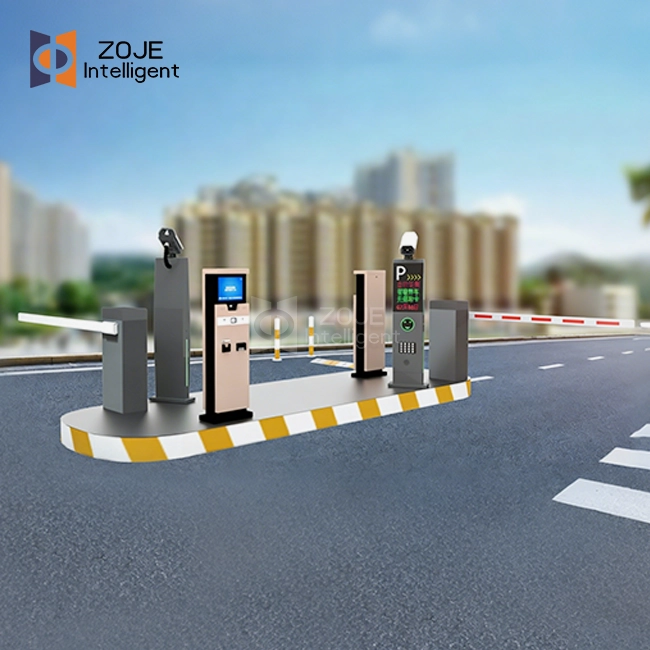
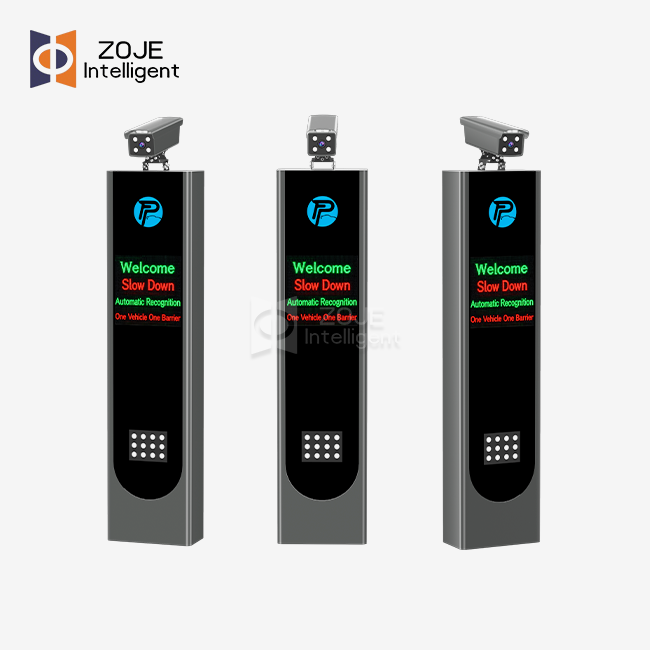
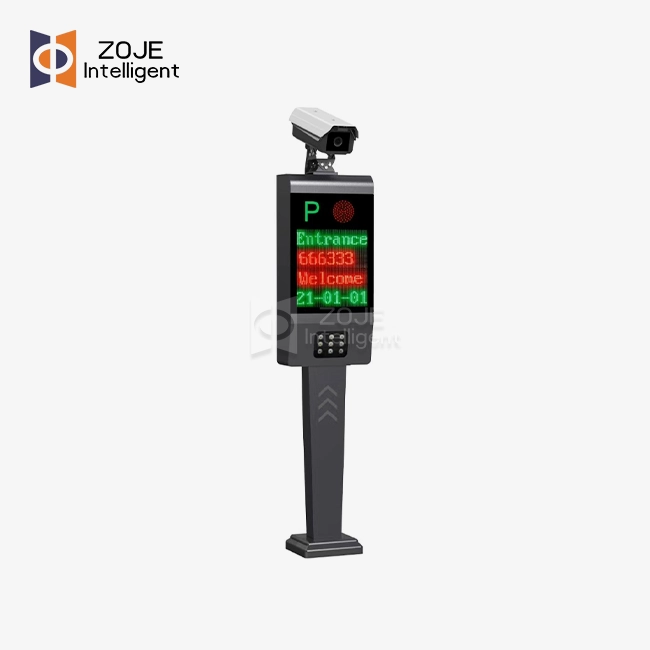
Modern LPR systems combine high-resolution starlight CMOS cameras, AI algorithms, and OCR for fast, accurate vehicle identification. Edge computing enables real-time processing without cloud dependence. Systems like ZOJE-LPR101 achieve up to 99% accuracy, with multi-layer architecture supporting capture, local recognition, and backend parking management integration.
Integration with Municipal Infrastructure
LPR System for Smart City Parking systems integrate with city traffic infrastructure to improve flow and reduce congestion. Real-time parking data supports adaptive traffic light control and routing guidance. Different environments—airports, malls, residential, and commercial areas—require tailored integration through flexible APIs and software adaptability to meet diverse operational needs.
Automated Data Collection Benefits
Automated LPR eliminates manual errors and provides detailed operational data, including timestamps, fees, and usage reports. Advanced systems support offline payments and recognize over 150 vehicle logos and 1500 types for differential pricing. Wide-angle recognition enhances performance in multi-lane or complex traffic environments.
Challenges and Considerations of Implementing LPR Systems
Environmental Performance Variables
Automated LPR eliminates manual errors and provides detailed operational data, including timestamps, fees, and usage reports. Advanced systems support offline payments and recognize over 150 vehicle logos and 1500 types for differential pricing. Wide-angle recognition enhances performance in multi-lane or complex traffic environments.
Data Privacy and Regulatory Compliance
LPR data is sensitive and regulated under laws like CCPA. Systems must ensure encryption, controlled retention, and audit logging. Buyers should require AES-256 encryption, privacy controls, and automatic data deletion while retaining essential transaction records to balance compliance and operational needs.
System Integration Complexity
Integrating LPR with legacy parking systems can be complex due to proprietary protocols. Middleware or customized interfaces may be required. Modern solutions support RESTful APIs, TCP/IP communication, and hardware compatibility, enabling seamless integration without replacing existing infrastructure.
Comparing LPR Systems with Alternative Parking Technologies
RFID Systems Versus License Plate Recognition
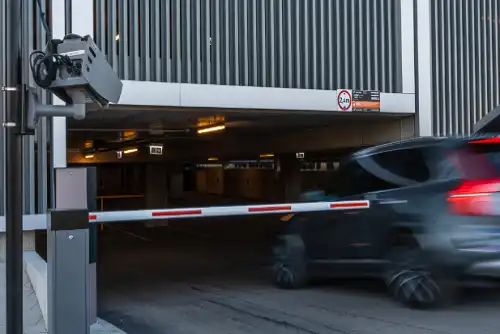
RFID requires physical tags, limiting flexibility for visitors and increasing management costs. LPR System for Smart City Parking uses existing license plates, eliminating transponder dependency and improving scalability. It supports free-flow entry up to 40 km/h, making it more suitable for high-traffic mixed-use parking environments.
Manual Enforcement Limitations
In traditional parking enforcement, people hand out tickets, receive funds, and keep an eye out for violations. Using this method, which requires a lot of work, has big ongoing costs. Revenue is lost when people make mistakes when figuring out fees, processing tickets, and handling payments. When there are holes in coverage during shift changes or breaks, violations can go unnoticed. Automated car detection works all the time, without stops, getting tired, or switching shifts. Every car is processed the same way by the technology, which figures out fees correctly based on exact entry and exit timestamps. The money saved on labor costs is big, especially for big businesses that are open 24 hours a day. Multiple jobs can be replaced by a single automatic system, which also improves accuracy and the customer experience by handling more quickly.
On-Premise vs. Cloud-Based Deployment
License plate recognition tools that are stored in the cloud are easier to expand and have lower initial infrastructure costs. Management tools can be accessed from anywhere by operators, and systems stay up to date with automatic software changes. However, cloud dependency raises worries about the stability of internet connections and the ongoing costs of subscriptions. On-premise systems, especially those like the ZOJE-LPR101 that have front-end recognition capabilities, can identify vehicles locally without needing to be connected to the cloud all the time. This system gets rid of regular service fees and keeps things working even when the internet goes down. Offline payment makes sure that fee calculations and gathering can go on without stopping. On-premise deployment with optional cloud connection for analytics is a good mix for sites that want to be operationally independent and know their costs ahead of time.
Strategic Procurement of LPR Systems for Smart City Projects
Evaluating Supplier Capabilities
Vendor selection depends on technical expertise, real-world performance, and support quality. Recognition accuracy must be validated under diverse environmental conditions, not only laboratory tests. Strong suppliers also support international plate formats, offer customization for mixed-use deployments, and provide reliable 24/7 technical assistance with fast response and remote diagnostics.
Pricing Models and Total Cost of Ownership
LPR costs include hardware, software, installation, support, and maintenance beyond initial purchase. Buyers can choose purchase, lease, or subscription models depending on budget strategy. Bulk deployment reduces costs, and warranties improve financial predictability. Evaluating total cost over 5–7 years ensures the most efficient investment decision.
Vendor Collaboration During Integration
Large-scale deployments require close cooperation between vendors and clients, including planning, installation, and operator training. Ongoing communication helps adapt systems to infrastructure and policy needs. Long-term partnerships, including annual reviews and optimization visits, improve system performance and ensure sustainable growth in complex smart city environments.
Real-World Impact: How LPR Systems Enhance Urban Traffic Flow?
Measurable Congestion Reduction
Automated recognition eliminates stop-and-go entry delays, increasing throughput up to three times compared to traditional ticket systems. Continuous vehicle flow reduces street congestion near entrances. Real-time occupancy data also helps drivers locate available spaces faster, minimizing cruising time and improving overall traffic efficiency in busy areas.
Optimized Space Utilization
LPR systems provide accurate occupancy tracking by zone or level, enabling dynamic pricing and efficient space allocation. Underused areas can be activated during off-peak hours, while premium spaces are prioritized for short-term users. This improves revenue per space and reduces the need for excessive parking infrastructure.
Enhanced Enforcement Revenue
Automated enforcement increases coverage and detection speed, improving compliance and reducing violations. Mobile LPR System for Smart City Parking systems can monitor large areas efficiently, replacing manual patrols. Increased enforcement consistency improves revenue through fines and better payment behavior, as drivers adapt to continuously monitored parking environments.
Future Developments in AI and Machine Learning
New developments in artificial intelligence (AI) could make parking control even more efficient. Deep learning systems keep getting better at recognizing things by training on millions of pictures of plates with different fonts, damage patterns, and environmental conditions. Systems get better at dealing with edge cases like unique vanity plates, temporary tags, or characters that are only partly visible. Integration with larger smart city environments opens up more options than just managing parking spots. In the future, platforms for connected vehicles may be able to talk directly to parking systems, reserving spots as drivers approach and handling payments instantly when they leave. Based on events, weather, and past trends, predictive analytics could predict how many parking spots would be needed. This would allow for proactive price changes and traffic management reactions.
Conclusion
Automated license plate recognition technology changes LPR System for Smart City Parking in cities from a source of traffic jams to an easily controlled part of smart city infrastructure that works well. Getting rid of paper tickets, removing barriers to entry and exit, and recording occupancy in real time all cut down on vehicle delays and made better use of room. Modern systems like the ZOJE-LPR101 offer accurate results, can work in harsh conditions, and can be operated without any outside help. They are reliable in a wide range of settings, from airports to private areas. Strategic procurement that focuses on vendor skills, integration flexibility, and long-term support guarantees successful projects that lead to measured changes in how quickly cars move and how efficiently parking lots are used.
FAQ
1. What accuracy rate should procurement teams expect from commercial license plate recognition systems?
Under normal circumstances, quality systems get recognition rates of more than 99%. The ZOJE-LPR101 is 99% accurate thanks to its powerful image sensors and AI algorithms. Performance changes depending on the surroundings, the state of the plates, and the speed of the car. Instead of just depending on what the manufacturer says, procurement specifications should require performance measures that have been shown to work in a range of lighting conditions, weather conditions, and plate types.
2. What's the difference between front-end recognition and processing in the cloud?
Front-end recognition does the identification of the car locally in the camera or edge computing device at the parking entrance. This architecture makes reaction times faster and doesn't rely on being connected to the network. Cloud-based systems send pictures to faraway computers to be processed, which adds delay and makes them vulnerable to problems with the internet. Front-end methods are especially useful for businesses that need to be able to bill customers even when the network is down.
3. Can license plate readers work with software that is already used for parking management?
RESTful APIs, standard methods like TCP/IP, and different hardware interfaces are all used by modern business solutions to help with integration. Compatibility depends on how easy it is for outside systems to join to the current system. Customization and secondary development support vendors can make their platforms work with old infrastructure, but it's important to look at the exact technical needs early on in the buying planning process.
Partner with a Trusted LPR System for Smart City Parking Manufacturer
Since 2012, ZOJE has been a well-known provider of license plate recognition systems, offering LPR System for Smart City Parking for sale. They provide complete parking automation solutions for shopping malls, airports, neighborhoods, office buildings, and other business buildings all over the United States. Our ZOJE-LPR101 can recognize 99% of things with front-end processing that doesn't rely on the network. This means that it can be used without a network and bill people without a connection. In addition to standard goods that can be delivered in 5–7 days, we also offer full customization of both hardware and software. Our services are backed by ISO 9001:2015 approval and multiple design patents. Our two-year warranty and expert help available 24/7 around the world make sure that your investment works well. Email our team at info@zoje-tech.com to talk about the needs of your smart city parking project and find out how our flexible solutions can help you with your traffic management issues.
References
1. International Parking & Mobility Institute. (2022). "Parking Technology Standards and Best Practices." IPMI Technical Guidelines, Vol. 18, pp. 45-78.
2. U.S. Department of Transportation Federal Highway Administration. (2021). "Smart Parking Management Systems: Impact on Urban Traffic Congestion." FHWA Research Report FHWA-HRT-21-089.
3. Chen, M. & Zhang, Y. (2023). "Artificial Intelligence Applications in License Plate Recognition for Smart Cities." IEEE Transactions on Intelligent Transportation Systems, Vol. 24(3), pp. 1256-1271.
4. National Institute of Standards and Technology. (2020). "Biometric Data Privacy and Security Guidelines for Municipal Systems." NIST Special Publication 800-189.
5. Transportation Research Board. (2022). "Comparative Analysis of Automated Vehicle Identification Technologies in Urban Parking." National Academies Press, Washington, D.C.
6. American Association of State Highway and Transportation Officials. (2023). "Connected Infrastructure for Smart City Parking Management." AASHTO Technology Implementation Group Report TIG-23-04.

Send Inquiry
You may like

Related Industry Knowledge
- What Is Folding Arm Barrier Gate? Structure & Uses
- High-Speed Access Control Turnstile Gate Features
- Is Traffic Control Barrier Gate Durable?
- Best Automatic Parking Barrier Gate for High Traffic
- Is Parking Management Barrier Gate Worth Investment?
- How to Choose a LPR Server for 24/7 Parking Operations?
- Seamless Payment Parking System vs Manual Parking Payment
- What Is a High Accuracy LPR Parking System? Complete Guide
- ALPR Hardware for Smart Parking and Traffic Monitoring
- Open API LPR Parking System vs Closed Solutions: Which Wins?