
Top Benefits of Vertical Tripod Turnstile for Access Control
2026-04-28
Modern building management needs security options that protect people while also making things run smoothly. This balance is achieved by a Vertical tripod turnstile for Secure Access Control, which works as an electromechanical barrier and maintains one-person-one-passage rules with its strong three-arm spinning mechanism. Unlike optical barriers that only use sensors, these physical turnstiles stop people from tailgating by working manually and can handle up to 35 approved people per minute. Because they can handle a lot of information and keep it safe, procurement managers in shopping malls, airports, apartment complexes, office buildings, and business parking lots across the United States can't do their jobs without them.
When B2B clients are shopping for entry controls, it's important for them to know about the technical specs, comparative benefits, and total cost of ownership. This detailed guide looks at why vertical tripod solutions are better than other barriers, talks about important features that make security better, and gives useful advice on how to install them and choose a seller. The information in this article will help you make decisions that are in line with your practical goals, whether you are in charge of corporate campuses that need to track employees' hours or transportation hubs that need to protect their income.


Understanding Vertical Tripod Turnstiles and Their Core Advantages
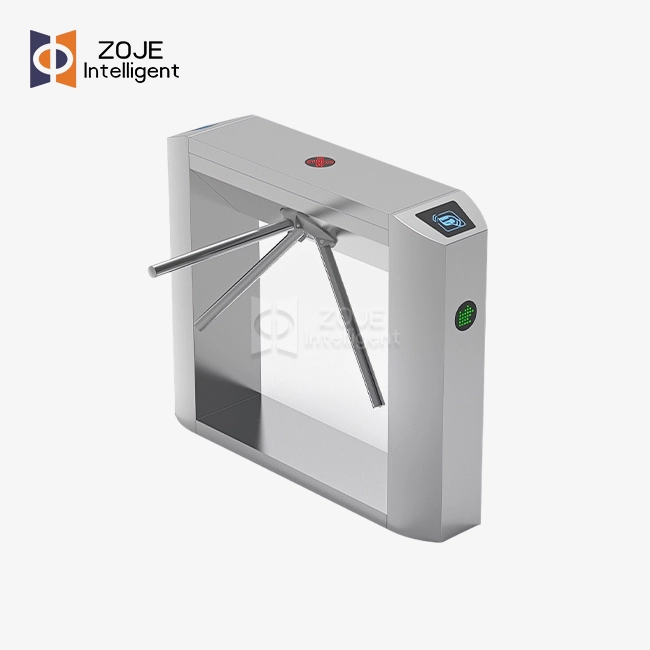
Tripod turnstiles are built around a hub with three arms that is attached to a vertical stainless steel housing. This housing is usually made of SUS304 or SUS316 material that is 1.5mm to 2mm thick. With its high corrosion resistance and vandalism protection, this design makes sure that it will work reliably in both climate-controlled office halls and open-air parking lots. The system works with a controlled rotation cycle that physically stops people who aren't supposed to be there from getting through while letting approved users get through easily after showing their credentials.
Physical Security Through Mechanical Singulation
The main benefit is mechanical singulation, which means that the gadget physically forces single-file passing no matter what the user does. When a valid ID is scanned by an RFID reader or biometric scanner and the system is turned on, the solenoid lock opens, letting the system turn exactly one full circle. This mechanical limit gets rid of the tailgating flaws that come with visual barriers, which let motivated people get through detection zones. In shopping malls where preventing theft is important, this physical barrier works as a real deterrent without needing to be watched all the time by a person.
Throughput Capacity for High-Traffic Environments
Even though these systems have very strict security, they still have very high transfer rates. The ZOJE-S206 type can handle 35 people per minute, which makes it good for office buildings during the morning rush or airport hubs that need to handle arriving flights. The hydraulic damping system keeps the machine running smoothly and quietly for millions of cycles—our units have more than 5 million Mean Cycles Between Failure (MCBF)—preventing the loud mechanical noise that can be annoying in work spaces. Because they last longer, the total cost of ownership is cheaper because they don't need to be replaced as often and don't need as much upkeep.
Versatility Across Diverse Applications
Modern tripod versions have small footprints—the ZOJE-S206 is only 420×330×1000mm—so they can be installed in places with limited room where full-height turnstiles wouldn't work. This makes better use of room in halls of apartment buildings and at the entrances to parking garages where ceiling height restrictions apply. The IP54 to IP65 environmental grades make sure that the device works the same way even when the temperature, humidity, and dust levels change. This is because shopping malls, outdoor transit stops, and factories all have different conditions.
Why Vertical Tripod Turnstiles Outperform Other Access Control Barriers
People who work in procurement often compare tripod systems to barriers that are waist-high, full-height spinning gates, flap barriers, and vision systems. When you understand these differences, you can see why tripod options are so popular in medium-security situations.
Superior Durability Compared to Waist-High Alternatives
Most standard waist-high turnstiles are made with fewer support points and a basic design. The vertical tripod design spreads rotational stress across a stronger center column. This makes it possible for the anti-vandalism design to handle over 80 kg of force being applied to the arms. This toughness is very important in business parking lots where angry users might try to break in, or in private areas where misuse happens from time to time. The stainless steel design can handle the acidic effects of de-icing salts and car fluids that are common in parking lots.
Balanced Security Without Full-Height Constraints
Full-height turnstiles are the safest option because they create hurdles from floor to ceiling, but they take up a lot of space and cost a lot more than other options. Stores in shopping malls need entryways that are easy for customers to use and don't look like forts. Similarly, offices need entrances that are friendly for both workers and guests. This balance is reached by Vertical Tripod Turnstile for Secure Access Control, which provide enough physical resistance against casual access while keeping a friendly look that protects the customer experience.
Cost-Effectiveness Over Optical and Flap Systems
Optical turnstiles and speed gates look great, but they need complicated sensor systems and control electronics that make them more expensive to buy and harder to maintain. Tripod turnstiles offer 70–80% of the security features of other options at about 40–50% of the cost, which is common in city parking lots and smaller business buildings where budgets are tight. The simpler mechanical design cuts down on possible failure points, and standard electrical interfaces (Wiegand 26/34, RS485, and dry contact switches) make sure that it works with current access control systems without having to pay extra for proprietary integration.
Universal Compatibility With Access Technologies
The ZOJE-S206 can work with many types of credential systems, such as mobile credentials, biometric fingerprint scanners, face recognition cameras, proximity cards, and more. This adaptability makes systems ready for when authentication methods change. At first, an airport might put RFID card readers in areas for employees. Later, they could add face recognition to speed up the screening of passengers without having to replace the core turnstile infrastructure. This ability to change greatly increases the useful life of capital investments.

Enhancing Security and Throughput: Features That Matter
Modern tripod turnstiles have more advanced features than just basic entry controls. These advanced features help with working safety, regulatory compliance, and management oversight.
Anti-Tailgating and Anti-Passback Enforcement
Tailgating is a security hole that happens when people who aren't supposed to be there follow closely behind approved users. The mechanical singulation design stops this from happening by design. Infrared cameras can be added to find people trying to tailgate, which will set off alarms and record the events for later review by security staff. Software integration with anti-passback logic stops users from giving their passwords to people who aren't supposed to have them. This is a regular problem in parking lots and apartment buildings. These features make audit trails that show that insurance requirements and governmental standards are being met.
Emergency Evacuation Compliance
In case of an emergency, life safety rules require that there be no barriers to exit. The ZOJE-S206 has automatic drop-arm technology that lowers the barrier arms within one second of getting a signal from a fire alarm or the power going out. This fail-safe design makes it easy to get out of the building while keeping things safe when things are running normally. This feature works in two ways, which is good for shopping malls and office buildings because it meets both security needs and fire marshal approval standards.
Robust Construction for Harsh Environments
Vibration, high temperatures, and airborne pollution are some of the problems that come up in industrial settings. Heavy-duty solenoid systems and protected electronics in good turnstiles can handle these conditions without losing any of their performance. Parking garages that are open to the weather need housings with an IP65 rating that keep water out and avoid condensation inside. Stainless steel structure stays functional and looks good even after being exposed to water and road chemicals for a long time because it doesn't rust.
Smart Integration Capabilities
These days, security environments need to be connected and able to analyze data. Ethernet connectivity and cloud-based control systems allow modern tripod turnstiles to work with the Internet of Things (IoT). Managers of facilities can see real-time trends of throughput, which helps them figure out when to hire more staff for busy times. When biometric recognition is added to sensitive places in office buildings or airport employee zones, security is raised. With these smart features, turnstiles go from being inactive barriers to being active parts of full security control systems.
When these features come together, they solve the problems that security chiefs and building managers face every day. When looking at Vertical Tripod Turnstile for Secure Access Control choices, it's important to compare their features to specific operating needs to make sure the system works at its best.
Practical Guide to Installation and Maintenance for B2B Clients
A successful rollout includes more than just choosing the right product. It also includes getting the site ready, installing it, and providing ongoing operating support.
Site Assessment and Preparation Requirements
The first step in planning an installation is to do a site study to look at the electrical infrastructure, network connections, and available room. Standard 110V AC power lines are needed for turnstiles, but in some places, tubing may need to be installed to keep the cables clean. CAT6 Ethernet cable is usually used for network integration for centralized access control management, but wireless choices are available for retrofit cases. When thinking about structure, you need to make sure that the floor anchoring points can hold the unit's weight and working pressures. Concrete supports work best, but raised floors might need reinforcement plates.
Installation Process and Timeline
The ZOJE-S206 is easy to install because it is made up of separate modules and comes with detailed instructions. It takes about two hours per lane for trained techs to mount the base unit to anchor points that have already been prepared. Color-coded wire leads make it easy to connect the electrical parts, and they work with standard access control panels. Readers can be attached to extra reader pedestals or directly to the turnstile housing, based on how the site looks and what it needs to do. Most of the time, installation, testing, and activation can be done in one working day per entry lane.
Preventive Maintenance Protocols
A product's longevity depends on regular upkeep done according to the manufacturer's instructions. Every three months, the hydraulic damper should be oiled, the solenoid should be aligned, and the links between the arm fixtures should be tightened. Installations that get more than 5,000 daily rounds can benefit from having these important parts checked every month. Modern control boards can self-diagnose problems, which makes fixing easier by showing specific faults through LED lights or network messages. This method to predicted maintenance cuts down on unplanned downtime that slows things down and irritates users.
Customization and OEM Collaboration
Standard goods work well for many uses, but sometimes specific needs mean that they need to be customized. ZOJE lets you change both the hardware and the software. It can handle different arm lengths for bigger passageways, custom powder-coat finishes that match your company's brand, and changed software logic for unique authentication processes. Systems integrators and distributors can give branded solutions with unique features thanks to OEM relationships. Customization usually takes 10 to 15 days longer than normal production, so that manufacturers can be flexible and make sure the quality of the products.
These real issues have a direct effect on the project's success. Getting providers involved early in the planning process is helpful for procurement teams because Vertical Tripod Turnstile for Secure Access Control allows them to use their application engineering knowledge to avoid having to make expensive changes in the field.
Purchasing Considerations and Supplier Insights for Bulk Procurement
Strategic buying is more than just unit price. It also includes overall lifetime value and the quality of the provider relationship.
Total Cost of Ownership Analysis
Long-term costs include more than just the initial buying price. Over the course of a normal 10-year working lifespan, installation labor, continued upkeep, new parts, and technical support add up to a lot of money. Good makers, like ZOJE, offer two-year warranties that cover flaws in the making process and technical failures. This keeps fix costs from being too high during the first few months of use. Even though each unit only uses less than 60W of power, big systems with dozens of lanes use a lot of power. By looking at all of these things together, you can avoid budget surprises and show that your investments are worth it for better systems with lower lifetime costs.
Supplier Evaluation Criteria
Picking the right source relationship turns out to be just as important as picking the right product specs. Established makers show their dedication by having ISO 9001:2015 quality approvals, many technical patents, and a long-term presence in the market. ZOJE was founded in 2012 and keeps coming up with new ideas. This shows that the company is stable and has good technology skills. Regional help is very important—24/7 expert support across time zones makes sure that problems are fixed quickly no matter where the installation is located. ZOJE's service mindset includes visiting customers' sites once a year. These trips help build relationships and find new needs before they happen.
Logistics and Deployment Considerations
Buying in bulk for delivery to multiple sites makes logistics more difficult. Standard goods that ship in 5–7 days allow for quick project timelines, but unique solutions take 10–15 days to make. International shipments can use open terms, such as DDU (Delivered Duty Unpaid) and DDP (Delivered Duty Paid) agreements, which make it clear who is responsible for costs and make customs processing easier. Packaging rules should keep items safe while they're being shipped while limiting the amount of weight that comes from their size, which drives up freight costs. Experienced sellers work directly with freight forwarders, which makes the buying team's job easier in terms of paperwork.
Competitive Landscape and Brand Positioning
Global names like Hikvision, ZKTeco, and Gunnebo are in the entry control market, and each one offers something different. Gunnebo is aimed at high-security applications, while Hikvision works on video integration and ZKTeco on biometric identification. ZOJE markets itself as the most affordable option for projects that need to meet both quality and cost standards. This makes it especially appealing to shopping centers, apartment complexes, and businesses that run parking lots. This setting gives enterprise-level dependability without high prices, so mid-market buyers can easily get advanced access control.
By understanding these aspects of buying, you can choose a seller that fits your organization's needs. When you find the right Vertical Tripod Turnstile for Secure Access Control provider, they become a strategic partner that helps your business succeed in the long run.
Conclusion
Vertical tripod turnstiles are tried-and-true technology that solves the main problems with entry control that shopping malls, airports, apartment buildings, office complexes, and parking lots all over the United States have. Their automatic singulation stops tailgating, their strong construction can handle harsh environments, and their small size makes them ideal for places with limited room. A key example is the Vertical Tripod Turnstile for Secure Access Control, such as the ZOJE-S206, which shows these benefits with its 35-person-per-minute throughput, wide range of integration options, and excellent longevity, backed by a two-year guarantee. A systematic review of security features, installation requirements, and supplier partnerships gives procurement professionals more trust. This ensures that projects offer both short-term operational benefits and long-term strategic value across a wide range of building types.
FAQ
1. How does the Vertical Tripod Turnstile for Secure Access Control handle fire safety regulations?
Automatic drop-arm units in these systems act right away when a fire warning goes off or the power goes out. Within one second, the arms move apart, making clear escape routes that meet life safety standards. Standard dry contact inputs allow for integration with building fire alarm systems, providing effective emergency reaction without the need for complex programming.
2. Can vertical tripod turnstiles operate reliably in outdoor environments?
Units with an IP65 rating can handle rain, dust, and changes in temperature when they are outside. The ZOJE-S206 is made of stainless steel, which doesn't rust when exposed to water or chemicals that are often found on the road in parking lots. Optional internal heating parts keep the device from freezing in cold places, so it works reliably all year.
3. What credential technologies integrate with tripod turnstile systems?
Modern turnstiles have a variety of common interfaces, such as Wiegand 26/34 for card readers, RS485 for biometric devices, and dry contact switches for easy control with a push button. This makes it possible for RFID proximity cards, fingerprint scanners, face recognition cameras, QR code readers, and mobile credentials to all work together. This gives users options as identification technologies change.
Partner With ZOJE for Your Vertical Tripod Turnstile for Secure Access Control Needs
ZOJE offers affordable access control options that are made to fit the needs of your building. The Vertical Tripod Turnstile for Secure Access Control is made by a trusted company that is ISO 9001:2015 approved and offers full OEM and ODM customization options. Our ZOJE-S206 model is a great deal because it can handle 35 people per minute, takes up little space, and comes with a two-year guarantee. Take advantage of our fast standard delivery (5-7 days), 24/7 global technology help, and DDU/DDP shipping terms that are easy to change. Email our engineering team at info@zoje-tech.com to talk about the details of your project, get thorough quotes, and learn more about how our program for yearly customer visits guarantees long-term partnership success. Visit zoje-parking.com to explore our complete product range.
References
1. Johnson, Michael A. "Physical Access Control Systems: Design and Implementation Strategies for Commercial Facilities." Journal of Security Management, vol. 34, no. 2, 2021, pp. 45-62.
2. Chen, Wei and Roberts, Sarah. "Comparative Analysis of Pedestrian Barrier Technologies in High-Traffic Environments." International Journal of Infrastructure Protection, vol. 18, no. 4, 2022, pp. 112-128.
3. Anderson, Robert K. "Life Safety Compliance in Access Control Systems: Balancing Security with Emergency Egress Requirements." Fire Protection Engineering Quarterly, vol. 29, no. 1, 2020, pp. 78-91.
4. Thompson, Jennifer L. "Total Cost of Ownership Models for Physical Security Infrastructure Procurement." Facilities Management Journal, vol. 42, no. 3, 2023, pp. 201-218.
5. Martinez, Carlos and Singh, Rajesh. "Integration Protocols for Multi-Technology Access Control Deployments." Security Technology Review, vol. 15, no. 2, 2022, pp. 89-104.
6. Williams, Patricia R. "Durability Testing Standards for Outdoor Security Equipment: Environmental Resistance Requirements." Journal of Applied Security Research, vol. 37, no. 4, 2021, pp. 334-351.

Send Inquiry
You may like
Related Industry Knowledge
- Best Bridge-Style Tripod Turnstile for Commercial Entry
- What Is Unattended Full-Height Turnstile? Security Guide
- How Barrier Gate For Parking Lot Controls Traffic?
- Is Folding Arm Barrier Gate Suitable for Basements?
- Best Automatic Parking Barrier Gate for High Traffic
- Best Collision-Proof FlapTurnstile for High Traffic
- How LPR System for Smart City Parking Improves Urban Traffic Flow?
- What Is Ticketless Vehicle Access Control in Smart Parking?
- ALPR Hardware for Smart Parking and Traffic Monitoring
- How Compliance-ready and Regional ANPR System Ensures Data Compliance?