
Unattended Full-Height Turnstile Benefits in Factories
2026-04-27
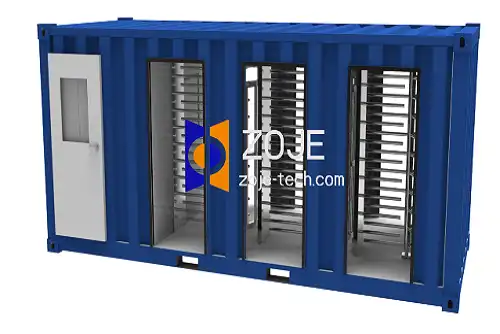
An Unattended Full-Height Turnstile for Secure Sites is the best way to keep people from getting into your business without having security guards there all the time. These floor-to-ceiling physical walls work on their own, so you don't have to pay for expensive staff while still keeping tight perimeter security. Traditional waist-high gates leave holes in the wall, but these strong systems make a wall that can't be broken through, stopping people from stalking, forcing entry, and social engineering tries in industrial settings. Factory managers in all types of manufacturing now use automatic full-height turnstiles to make sure that strict rules about single-person entry are followed. These turnstiles work well with modern access control technologies like RFID cards, biometric readers, and face recognition systems.
Understanding Unattended Full-Height Turnstiles: Features and Security Benefits
There is more and more pressure on modern factories to keep employees safe, protect intellectual property, and keep expensive equipment in good shape while also keeping costs down. Intelligent technology and physical security engineering are used in an Unattended Full-Height Turnstile for Secure Sites to solve these problems.
Core Design and Automated Operation
The core of these security systems is a carefully designed and manufactured spinning device with three arms that connect and go from floor to ceiling. When a valid ID is shown, like an RFID card, fingerprint scan, or mobile access, the system reacts within 0.5 seconds. This lets people go through without any problems, even when shifts change. The turnstile locks itself after each person goes through it, so people who aren't supposed to be there can't take advantage of open gates. This one-person passage routine gets rid of the most common security hole in factories: attempts by people who aren't supposed to be there to sneak through behind genuine workers.
Enhanced Perimeter Protection
The anti-climb design goes all the way up, so thieves can't physically get over the barrier like they could with regular turnstiles that are waist-high. This total physical barrier makes factories that handle sensitive materials or secret manufacturing processes safer in a way that can be measured. The system's anti-tailgating monitors notice when more than one person tries to pass at the same time. This causes the system to lock down right away and send an alert to the security management systems. These features are especially useful in plant entrances, loading docks, and outer gates that aren't staffed and where it would be too expensive to keep an eye on everything all the time.
Compliance and Safety Standards
To keep workers safe and keep things safe, industrial access control systems must pass strict safety tests. Quality Unattended Full-Height Turnstile for Secure Sites methods meet ISO 9001:2015 quality management standards and can be overridden in an emergency. When there are fire alarms or power outages, fail-safe devices make sure that stuck people can get out of the building without any problems. Calibration of the force limiter keeps people from getting hurt if the spinning arms run into resistance while they are in use, and compliance with the NFPA 101 life safety code makes sure that all regulations are followed.
Comparing Unattended Full-Height Turnstiles and Other Access Solutions for Secure Sites
When procurement managers look at security systems, they have a lot of choices, and each one has its own practical and financial effects. By understanding these differences, you can make smart business choices that meet the needs of your particular factory.
Full-Height Versus Half-Height Turnstiles
The starting cost of half-height tripod turnstiles is cheaper, but they only provide basic access control and don't stop determined intrusion attempts very well. People with average physical strength can easily get over these obstacles, which makes high-risk areas less safe. Full-height models make solid walls that can't be broken through without setting off alarms or damaging a lot of equipment. The higher initial cost is worth it for the better protection, especially for companies that store valuable goods, dangerous materials, or secret technology. Potential attackers know that physical escape attempts are pointless, which alone makes them less likely to try to break in.
Automated Versus Manned Security Stations
Traditional manned entry points need to be staffed 24 hours a day, seven days a week, with multiple shifts. This means that the costs of labor are constant and rise every year because of pay raises and benefit responsibilities. Human guards also add variation because they can get tired, distracted, or easy to trick with social engineering. An Unattended Full-Height Turnstile for Secure Sites always works, even when someone is sick or taking a break. The automated system checks passwords without bias or making exceptions without permission, which would break security rules. Initial capital costs are higher than human station costs, but the investment usually pays for itself in 18 to 24 months when staff costs are no longer needed.
Space Efficiency and Traffic Flow
Standard security gates with swing barriers need a lot of room around the door in order to be opened, which takes up important factory floor space. Full-height spinning turnstiles take up little space but can handle a lot of people at once. Systems that are set up correctly can handle 35 to 40 workers per minute through dual-channel installations during shift changes. This keeps the lines from getting backed up, which would throw off production plans. The flexible design lets you use a single channel for exits with low traffic or two units together for main gates with a lot of traffic. This lets you match the infrastructure investment to how it will be used.
Leading Manufacturers and Warranty Considerations
Honeywell, Boon Edam, ZOJE, Gunnebo, and Alvarado are well-known names in the global access control market. Each has its own engineering method and support network. When procurement teams are looking at providers, they should put guarantee coverage, the availability of spare parts, and how quickly expert help responds at the top of the list. ZOJE Intelligent Technology stands out because it has a full two-year guarantee, expert support available 24/7 around the world, and 30-minute reaction times for remote troubleshooting. These service agreements lower the chances of downtime, which could put workplace security at risk or stop work when equipment breaks down.
How Unattended Full-Height Turnstiles Work: Technology and Installation Process
Realistic project planning and budgeting for plant security changes are made possible by knowing the operational technology and deployment needs.
Integration with Access Control Systems
Modern Unattended Full-Height Turnstile for Secure Sites units are part of larger Physical Access Control Systems and are used to apply rules. There are relay ports on the turnstile itself that work with the normal Wiegand protocol, RS485 communication, and dry contact signals. These common interfaces make it easy to connect to almost any access controller, whether it uses basic RFID card readers, advanced biometric fingerprint scanners, or high-tech cams that can recognize faces. When companies already have infrastructure for managing credentials, the flexibility is very helpful because new turnstiles can be added without having to change the whole system.
Intelligent Control Logic and Safety Protocols
Embedded microprocessors use complex formulas to control the turnstile's working sequence. The controller turns on a solenoid device that opens the rotating arms when a correct password is recognized. Optical sensors keep track of the person's progress during passing and make sure they finish before returning to the locked position. Anti-fallback mechanisms stop people from changing directions in the middle of a path, which could let other people pass you or cause the mechanical system to get stuck. Hydraulic damping systems control the speed of spinning, which keeps things safe and smooth. LED lights on the housing show the state of the system. Green lights mean access is allowed, red lights mean access is refused, and amber lights mean maintenance is being done.
Site Assessment and Installation Requirements
A careful site review by experienced installation teams is the first step to a successful deployment. The evaluation finds the best places to put them so that security needs are met while also making operations easier. Preparing the concrete base makes sure that the 400-600-pound turnstile units will be stable, and installing electrical conduit gives them power and data connections. Most systems need 110V to 220V AC power, and they need to be able to run on batteries in case the power goes out for a short time. Turnstiles are linked to central control computers by network cables, which allow real-time tracking and access logs. Standard setups usually take two to three days per unit, but more complicated jobs with multiple entrances take a lot longer. ZOJE's technical teams work closely with plant operations managers to plan installation times that don't interfere with current production, like when there is a maintenance window or a period of low production.
Maintenance Requirements and Service Contracts
Unattended Full-Height Turnstile for Secure Sites systems are made to work without anyone being there, but they work better and last longer when they follow care procedures. Inspections happen every three months and check mechanical parts like lubricating bearings, making sure drive belts are tight, and making sure solenoid power is correct. Structural stability checks make sure that base screws don't loosen and mounting bolts stay tight. Software changes fix security holes and add new features that were released by the makers. ZOJE's lifetime maintenance plan includes yearly trips to the customer site, where technology experts check the system's performance, deal with any new issues, and suggest ways to make it work better based on analytics data that shows how it's being used.
Key Benefits of Unattended Full-Height Turnstiles in Factories
Automated full-height access control has operational benefits that go far beyond basic security changes. It provides measured value in many areas of plant management.
Elimination of Human Error and Enhanced Monitoring
When security guards work long shifts, they get attention tiredness, which leaves gaps in their defense. An Unattended Full-Height Turnstile for Secure Sites stays alert all the time, no matter what time it is, what the weather is like, or how busy the site is. Each attempt at access creates a time-stamped log entry that records the identifying identity, the direction of entry, and the state of the passage completion. This thorough audit trail is very helpful when looking into security incidents or doing compliance checks. Advanced analytics platforms look at this data to find trends that don't make sense, like attempts to log in after hours, repeated entries that are refused, which could mean that someone stole your credentials, or high traffic volumes that could mean that there are problems with the process. Management teams get useful information that they can use to make security better instead of just responding to incidents after they happen.
Substantial Cost Savings Through Automation
When you look at the total cost of ownership over five years, the financial case for automatic turnstiles becomes strong. One manned security stop that needs to be staffed 24 hours a day, seven days a week requires four to five full-time workers, taking into account shifts, time off, and extra. Assuming that the average salary is between $40,000 and $50,000 a year, which includes benefits, the yearly cost per stop is between $200,000 and $250,000. An automatic turnstile system with the same coverage area costs between $15,000 and $30,000 to set up and has low upkeep costs of less than $2,000 a year. The payback time doesn't last longer than two years, and after that, the plant saves money that can be used to boost productivity or come up with more competitive pricing strategies. Motor designs that use less energy and LED lighting further lower running costs. During active times, they usually use less than 100 watts of power, and when they're not in use, they use very little.
Flexible Access Control for Multiple User Categories
Permanent workers, temporary workers, delivery people, repair vendors, and visiting leaders are just some of the people who work in modern plants. This is possible with an Unattended Full-Height Turnstile for Secure Sites that has entry rights that can be programmed and are linked to different types of credentials. Permanent employees have full access during their shifts, but freelancers only have access for a certain amount of time, which ends when the job is finished. Delivery drivers are given codes that can only be used at certain loading dock areas during certain times. This level of control gets rid of the need for administrators to manually coordinate entry rights. It also lowers the security risk that comes from forgetting to revoke credentials. As plant operations grow, the system easily adapts by adding more credential classes through simple software setup instead of hardware changes.
Scalability for Growing Manufacturing Operations
When factories grow, they often have to pay more for security equipment than thought because the old systems can't handle the new buildings or the extra workers. The flexible design of good gate systems lets them be put in place in stages that match the growth of the business. As capital funds allow, more units may be added to new production wings or warehouse additions after the initial installations secure the main entry gates. Single-channel units handle side doors with little foot traffic, while dual-channel setups handle the main employee gates and process hundreds of workers as shifts change. Because the systems work with standard access control protocols, new units can be easily added to current systems, which saves money by avoiding having to update everything all at once. Customization choices from ZOJE include physical sizes, finishes, and integration needs. This makes sure that solutions fit different workplace layouts and personal taste in style.
Procurement Guide: Choosing and Buying the Right Unattended Full-Height Turnstile
When making strategic purchases, it's important to use evaluation systems that make sure that security needs are met while also taking into account practical facts and budgetary limits.
Assessing Factory-Specific Security Needs
To start planning your purchases, you should do full danger studies to find weak spots and decide how much risk you are willing to take. Threats are different for factories that make high-value gadgets and factories that make general goods. The evaluation should include a list of possible losses, such as theft, corporate espionage, violence at work, and fines from the government for not controlling entry properly. Make a map of all the entry places that need to be protected, and make note of things like peak traffic times during shift changes, skeleton crew operations at night, and repair work on the weekends. This study shows the needed flow capacity, which makes sure that the chosen turnstiles can handle the expected traffic without getting backed up. The environment also affects the choice of product. For example, outdoor installations need weatherproof construction that can handle different temperatures and styles that won't rust. Indoor installations, on the other hand, may focus on how well the product fits in with the building's design.
Evaluating Technical Specifications and Integration Capabilities
Long-term happiness and total cost of ownership are directly affected by technical specs. Check out rates for mechanical longevity that are given in terms of the number of "mean cycles between failures." Good units are guaranteed to last millions of passages before they need major repairs. Testing the structural stiffness should show that it can withstand tries to break in that are stronger than 600 Newtons without deforming. Documentation of accepted communication protocols can help you make sure that it will work with your current or planned access control system. Through global interface standards, ZOJE's Unattended Full-Height Turnstile for Secure Sites types can work with RFID, biometric, push-button, and mobile identity systems. The 0.5-second response time keeps things safe and avoids crowding, and the automatic post-passage locking makes sure that only one person can pass at a time.
Supplier Reputation and After-Sales Support
Access control is made by a wide range of companies, from well-known giants to new regional providers. Check out a supplier's track record by calling past customers, reading case studies, and looking at industry qualifications. Give priority to partners who can show they are financially stable and committed to providing ongoing product support. The warranty terms show that the company behind the product is sure that it will work. Zoje's two-year warranty covers everything, which is more than many of its competitors give. Check how accessible technical support is by seeing if it's available 24/7, if it can help with multiple languages, and if it has tools for online debugging. When there are important failures, being able to get help within 30 minutes limits security risks and work delays. Knowing when things will be delivered also affects how the project is planned. For example, ZOJE's standard five-to-seven-day delivery for stock setups and ten-to-fifteen-day turnaround for customized solutions allow for tight application plans.
Total Cost Analysis and Procurement Optimization
Make complete cost models that include the price of the item, shipping, workers for installation, system integration, training, and ongoing upkeep. Ask several providers for specific quotes to find out what the market price is and look for prices that aren't in line with the norm, which could mean there are quality issues or hidden value. Many times, buying more than one unit at a time can save you money by covering more than one workplace entrance at the same time. Look at different ways to get the money you need, like capital purchase agreements, running leases, or security-as-a-service plans that turn one-time costs into regular monthly payments. Standardizing on single-supplier platforms could make it easier to keep track of extra parts, teach technicians, and handle warranties. When looking at different Unattended Full-Height Turnstile for Secure Sites providers, ZOJE stands out because of its low prices, ability to accommodate specific needs, quick delivery, and top-notch customer service after the sale.
Conclusion
Keeping plant perimeters safe from people who aren't supposed to be there while also keeping costs low is a big problem for manufacturing operations in all fields. Unattended Full-Height Turnstile for Secure Sites is a tried-and-true way to solve problems because it creates physical hurdles that stop tailgating and forced entry while working on its own without constant control. Modern access control systems work perfectly with this technology, which allows a wide range of credentials, from simple RFID cards to advanced biometrics. It also keeps detailed records of all activities, which makes it possible for smart security management. Staffing needs are removed and upkeep needs are kept to a minimum, which saves a lot of money. Scalable architectures allow for building growth and changing security needs. To make sure long-term happiness and security, you need to carefully consider the system's processing capacity, environmental conditions, integration capabilities, and provider support promises when choosing a system.
FAQ
1. Can unattended full-height turnstiles be integrated with existing factory access control systems?
Of course. There are modern Unattended Full-Height Turnstile for Secure Sites units that use transmission methods like Wiegand, RS485, and dry contact switches that work with almost all Physical Access Control Systems that are already in use. Quality turnstiles link through universal relay interfaces, so they will work with any workplace equipment that reads RFID badges, biometric fingerprint scanners, or facial recognition cameras. Usually, your IT staff and the turnstile supplier's technical team need to work together to set up communication settings and test processes for validating credentials. ZOJE gives you full installation instructions and help with integration, so it works with your current infrastructure without needing expensive system upgrades.
2. What safety features ensure employees are not harmed during emergencies?
When designing a good gate system, safety is the most important thing to think about. Force limiter devices stop rotation right away if arms meet resistance they weren't expecting, so pinching or hitting won't hurt anyone. When fire alarms go off or the power goes out, emergency open procedures automatically lower barriers, letting people get out of the building without any problems. These fail-safe features meet the requirements of NFPA 101 life safety rules and building codes. Anti-fallback methods stop pathways from being incomplete, which could trap people inside the rotating device. Optical sensors constantly track the progress of the passage, finding problems and prompting safety reactions. LED progress signs make it easy to see how the system is working, which helps people stay safe.
3. How long does the installation process typically take, and what site preparations are needed?
Standard single-channel installs usually take two to three business days per unit, but this can change depending on the conditions at the spot and the level of customization needed. Preparing the site includes pouring a concrete base that will provide stable mounting areas that can hold 400 to 600 pounds of assemblies. Electrical workers run power lines that deliver 110V to 220V AC and make sure that the circuits are properly protected. Turnstiles are linked to central control computers by network cables, which allow real-time tracking and access logs. It is very important for ZOJE's expert teams to work closely with building managers to make sure that installations happen during repair windows or times when production is low. This way, operations are interrupted as little as possible. Complex projects with multiple entrances need longer timelines, but when multiple units are deployed at the same time, economies of scale help the project.
Partner with ZOJE for Unattended Full-Height Turnstile Solutions
ZOJE Intelligent Technology offers complete Unattended Full-Height Turnstile for Secure Sites options, along with the best guarantee security and expert help in the business. Our manufacturing experience since 2012 lets OEMs and ODMs make changes that are flexible and meet the specific needs of each plant. These changes can be anything from single-channel configurations for side exits to high-throughput tandem systems that quickly process shift changes. Every system comes with global expert support 24 hours a day, seven days a week, with 30-minute remote response times. This makes sure that there is little downtime if there are any problems. The two-year warranty covers your investment in security infrastructure. On top of that, we offer lifetime maintenance support and visit customers once a year to improve our relationship. Get in touch with our purchasing experts at info@zoje-tech.com to talk about your workplace security issues, get specific quotes, or set up site visits. You can look at our whole selection of products at zoje-parking.com and learn why top makers choose ZOJE as their Unattended Full-Height Turnstile for Secure Sites provider. Using proven automatic entry control technology, you can make your building safer while also cutting down on costs.
References
1. National Fire Protection Association. (2021). NFPA 101: Life Safety Code - Emergency Egress Requirements for Industrial Facilities. NFPA Standards Council.
2. International Organization for Standardization. (2015). ISO 9001:2015 Quality Management Systems - Requirements for Access Control Manufacturing. ISO Technical Committee.
3. Johnson, M. & Williams, R. (2020). Physical Security Systems: Comparative Analysis of Access Control Technologies in Manufacturing Environments. Industrial Security Press.
4. Department of Homeland Security. (2019). Perimeter Security Best Practices for Critical Infrastructure Protection. CISA Infrastructure Security Division.
5. Anderson, P. (2022). Total Cost of Ownership Models for Automated Security Systems: A Procurement Manager's Guide. Manufacturing Security Journal, Vol. 15, pp. 34-51.
6. Chen, L. & Martinez, J. (2021). Integration Protocols for Physical Access Control Systems: Technical Standards and Implementation Guidelines. Security Technology Publishers.

Send Inquiry
You may like




Related Industry Knowledge
- How Parking Automatic Payment Station Integrated with LPR System Improves Efficiency
- How Automatic Pay Kiosk for Commercial Parking Projects Improves Parking Management
- How Parking Management Barrier Gate Works Efficiently?
- Fast Access Boom Barrier Benefits in Traffic Control
- Best Anti-Tailgating Turnstile for Secure Facilities
- Best Bridge-Style Tripod Turnstile for Commercial Entry
- How Slim Speed Gate Turnstile Saves Installation Space?
- Anti-Collision Flap Turnstile Gate Benefits in Offices
- Where to Buy License Plate Recognition Systems Online?
- What Is a High Accuracy LPR Parking System? Complete Guide