
What Is a High Accuracy LPR Parking System? Complete Guide
2026-04-08
A High Accuracy LPR Parking System is a revolutionary parking and automatic automobile entrance system. This cutting-edge system uses OCR, CNN, and high-definition picture hardware to accurately recognize license plates. These systems capture real-time video and extract alphanumeric license plate data for simple access control and automated invoicing, unlike RFID or ticket-based systems. They eliminate operational bottlenecks, reduce revenue loss, and keep cars flowing smoothly through high-traffic locations including airports, retail malls, office buildings, residential complexes, and commercial parking lots with recognition rates of 99% or higher. License Plate Recognition technology makes it simpler to regulate access to many parking places, altering parking management. For procurement workers who maintain large parking lots, system accuracy affects efficiency, safety, and customer satisfaction. Technology, advantages, market alternatives, and emerging trends are covered in this comprehensive reference to modern LPR parking systems. This knowledge will help you choose wisely and execute successfully.
Understanding High Accuracy LPR Parking Systems
High Accuracy LPR Parking System technology uses advanced image technologies and AI-driven algorithms to make sure that vehicles are correctly identified in a wide range of operating settings. Specialized cameras and high-tech sensors on these platforms collect information from license plates, and they work well with full parking control systems. High-quality hardware parts and smart software algorithms that instantly adapt to changing environmental conditions and car traits make recognition more accurate.
Core Technology Components
The basic structure is made up of industrial-grade cameras with Global Shutter CMOS sensors that have a resolution of 4MP or higher and are intended to get rid of motion noise at speeds of up to 40 km/h. Smart Image Signal Processing and built-in infrared and white light LED strobes work together to cut down on headlight glare and offer Wide Dynamic Range for difficult lighting situations. Edge computing and AI platforms do the processing. They look at the pictures taken directly on the camera hardware instead of using computers in the backend. This method cuts down on delay, lowers the amount of data needed, and makes sure that performance stays the same no matter how connected the network is. This front-end recognition method is shown by the ZOJE-LPR101 model, which has a 99% success rate and can be used for delayed billing.
Operational Mechanisms
Recognition systems take pictures of cars as they get close to detection zones. Usually, loop detectors or motion sensors set off these systems. Complex algorithms look at many picture frames at once to get information about license plate characters, car color, brand recognition, and classification. The system checks this information against databases of approved users, parking passes, or payment records to automatically let people in or keep them out.
Integration Capabilities
For easy ecosystem interaction, modern systems support many communication protocols, such as TCP/IP, Wiegand 26/34, RS485, and REST API interfaces. Because of this, it is possible to connect to current payment processors, security platforms, access control systems, and facility management tools without making major changes to the infrastructure.
Challenges and Solutions in High Accuracy LPR Parking Systems
There are a few practical problems that modern High Accuracy LPR Parking System implementations have to deal with that can affect how well they recognize things and how reliable the system is. Changing lighting, bad weather, different license plate designs, and different car approach points all make recognition situations more difficult and need more advanced solutions.
Environmental Adaptation Solutions
Hardware optimization strategies that include smart camera placement, advanced sensor setups, and adaptive lighting systems are needed for solutions to work. When ultra-wide dynamic image optimization is added, systems can instantly change the plate image settings to work with a wide range of lighting conditions, such as front and back lighting, uneven plate illumination, and weather problems like rain or snow. Some more advanced platforms have 70-degree wide-angle plate recognition features that work well in a variety of tough situations. Some of these are wide roads, sites with limited depth, and vehicles coming from more than one way at the same time. This kind of adaptability is very important for parking lots that are hard to manage, like those at airports, shopping centers, and mixed-use projects.
Processing Speed Optimization
To keep operations running smoothly during times of high usage, system delay and data processing speed need to be carefully managed. New AI and machine learning methods make it possible to analyze images thoroughly while keeping processing times below 150 milliseconds per car. This level of performance makes sure that traffic moves smoothly without causing backups at entry and exit places. Long-term performance reliability is improved by proactive repair routines, regular system calibration processes, and scalable architecture designs. These steps make sure that the system works the same way in complicated parking lots and keep downtime and repair needs to a minimum.
Network Resilience Features
High Accuracy LPR Parking Systems deal with problems with communication by letting you work without an internet connection and using local data storing gaps. Front-end recognition processing keeps operations running smoothly even when there are network delays or brief connection problems. Internal storage systems keep transaction data safe during network outages to keep money coming in.
Comparing High Accuracy LPR Parking Systems: Market Overview
Today's market for advanced recognition systems includes a range of high-precision products made by well-known companies in the field. When buying these goods, you need to carefully consider their different accuracy standards, technological approaches, deployment methods, and price structures.
Performance Benchmarks
The best systems can recognize objects with an accuracy of 99.8% or higher during the day, and they can keep performing above 99.5% at night and in low-light situations. Processing speeds for each car are usually between 100 and 150 milliseconds, which keeps traffic moving smoothly even during busy times. Modern platforms can find cars going anywhere from 0 to 40 kilometers per hour without having to stop completely.
Technology Differentiation
Recognition skills go beyond just reading license plates; they can also analyze all of a vehicle's attributes. Modern systems can recognize more than 1,500 vehicle types and more than 150 car logos. This lets small, medium, and large vehicles, buses, and freight vehicles be automatically grouped for dynamic price purposes. This multi-attribute recognition lets you set up complex payment structures based on the type of car, its size, or its impact on the environment.
Deployment Models
When making a purchase choice, people need to think about whether to put something in the cloud or on-premise, and they need to think about data protection needs, scaling needs, and maintenance desires. Cloud-integrated systems offer centralized management and software changes that happen automatically. On-premise solutions, on the other hand, provide better control over data and lower ongoing running costs. Choosing between different technological methods changes the total cost of ownership figures, the difficulty of integration, and the ability to change how things work in the long run. Organizations need to compare their unique needs to the options that are out there to find the best ones for their operational settings.
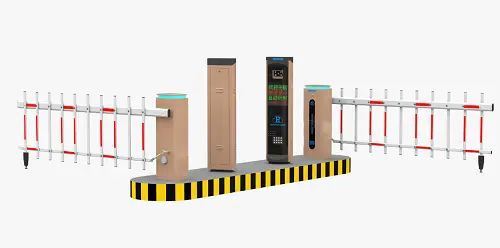
Buying and Implementing High Accuracy LPR Parking Systems
To choose the right High Accuracy LPR Parking System, you need to look at a lot of different factors that are specific to your facility's needs, how it will be used, and your budget. There are many ways to buy things, such as direct purchases, leasing, and big buying programs. Each has its own financial and organizational benefits.
Key Selection Criteria
Important things to look at when judging are how well it recognizes things, how fast it can process information, how well it can handle harsh environments, and how well it can be integrated with current systems. Supporting customization of both hardware and software, extra development choices, and OEM/ODM cooperation gives long-term adaptability to changing operational needs. For mission-critical parking uses, it's important to have the ability to work outside, service access 24 hours a day, seven days a week, and a full warranty. Systems that allow worldwide identification regions make sure that license plates from different countries and regions can work together.
Implementation Strategies
Professional installation services, thorough staff training programs, and ongoing technical support plans are all necessary for rollout to go smoothly. To operate at peak performance, High Accuracy LPR Parking Systems need precise camera placement, network setup, and software integration. Established relationships with manufacturers ensure access to the newest technologies and dependable service programs after the sale. These partnerships lower the risks of implementation while increasing the long-term value of an investment by ensuring that products keep getting better and getting expert help.
Financial Considerations
Planning a budget means taking into account the cost of the hardware itself, the cost of setting it up, the cost of hiring staff, and the ongoing cost of upkeep. Investing in more advanced systems usually pays off quickly because they cut down on labor costs, get rid of the need to print tickets, and stop income from being lost due to routine processes.
Future Trends and Strategic Insights for LPR Parking Systems
The creation of advanced recognition platforms is still being shaped by new advances in artificial intelligence, edge computing, and the integration of smart city infrastructure. These new ideas make it possible for better real-time data processing, better security features, and higher operating efficiency, all while giving users more options for ease of use.
Technological Advancement Patterns
As time goes on, machine learning systems get better at recognizing different situations, which increases their accuracy and decreases the number of false positives. When you connect IoT sensors, mobile payment platforms, and cloud-based management systems, you get a full parking ecosystem that can do thorough analytics and plan ahead for repair. New developments in edge computing make systems less reliant on centralized processing hardware while also making them more resilient and speeding up responses. Local processing makes sure that speed stays the same when the network goes down and lowers the bandwidth needed for large-scale deployments.
Market Development Insights
Case studies from markets in Europe and the United States show that smart LPR spending can bring big business benefits. After implementing a system, businesses say their running costs go down, customer happiness goes up, security gets better, and they make more money. High Accuracy LPR Parking System models are always getting better so they can support charging for electric vehicles, self-driving cars, and mobile app connection. These changes make it more likely that current investments will pay off in the long run as transportation and urban planning trends move toward more environmentally friendly ways to get around.
Strategic Planning Considerations
By keeping up with changes in technology, you can be sure that the solutions you buy will work in the future and meet changing business needs. When organizations choose systems, they should look for ones that allow for software changes, hardware expansion, and integration with new smart city projects.
Conclusion
New license plate recognition technology is a huge step forward in solving the problems that come up with managing parking lots today. These tools make operations much more efficient, improve security, and make the customer experience better, all while giving a clear return on investment. Because these systems can handle front-end processing, work offline, and have a lot of integration choices, they can be used in a wide range of places, from shopping stores and airports to apartment complexes and business buildings. High Accuracy LPR Parking System represents a significant advancement in this field. Organizations that want to adopt should compare their unique needs to the technologies that are already out there. They should think about things like the need for accuracy, the setting, the need for integration, and their long-term goals for scalability.
FAQ
1. What factors influence LPR system accuracy?
The accuracy of the system relies on the quality of the camera, the lighting, how clear the license plate is, the speed of the car, and the approach angle. Advanced systems use adaptable algorithms and better hardware to keep their recognition rates high even when the world changes.
2. How do LPR systems work with software that is already used for parking management?
Standard communication methods, such as TCP/IP, REST APIs, and database connectivity choices, are supported by modern systems. Because it's so flexible, it can work with existing management tools without having to update the whole infrastructure.
3. What installation timeline should organizations expect?
Standard installs usually take 5 to 7 days for simple setups, while customized deployments can take up to 10 to 15 days, based on how complicated they are. Professional installation services make sure that the system is set up correctly and that staff is properly trained so that it works at its best.
Partner with ZOJE for Advanced Parking Solutions
ZOJE is a top maker of High Accuracy LPR Parking System solutions that can help you improve your parking operations with cutting-edge recognition technology. Our ZOJE-LPR101 model has the highest accuracy rate in its class (99%), and its front-end processing skills get rid of the need for network connections. We offer a wide range of customization choices, work with OEMs and ODMs, and offer 24/7 global technical help to make sure that your system works at its best. Email our expert team at info@zoje-tech.com to talk about your particular needs and get full specifications.
References
1. International Parking & Mobility Institute. "Automated Parking Technology Standards and Best Practices." Professional Development Series, 2024.
2. Smith, Michael R. "license plate recognition systems: Technology Assessment and Performance Metrics." Journal of Transportation Security, Vol. 17, No. 3, 2024.
3. Chen, Lisa K. "Edge Computing Applications in Smart Parking Infrastructure." IEEE Transactions on Intelligent Transportation Systems, 2024.
4. Rodriguez, Carlos M. "Cost-Benefit Analysis of Advanced Parking Management Systems." International Conference on Urban Mobility Solutions, 2024.
5. Thompson, Sarah J. "AI-Driven Vehicle Recognition: Accuracy Improvements and Implementation Challenges." Parking Industry Research Quarterly, Issue 2, 2024.
6. Williams, David A. "Integration Strategies for Modern Parking Access Control Systems." Smart Cities Technology Review, Vol. 12, 2024.

Send Inquiry
You may like
Related Industry Knowledge
- Best Anti-Tailgating Turnstile for Secure Facilities
- Waist-high Tripod Turnstile Features and Mechanism
- Waist-high Tripod Turnstile Benefits for Public Areas
- How to Choose License Plate Recognition for Your Business?
- Is Traffic Control Barrier Gate Durable?
- Top Benefits of Vertical Tripod Turnstile for Access Control
- License Plate Recognition vs ANPR: Key Differences
- LPR Server Buyer’s Guide for High-Durability Needs
- Integrated License Plate Recognition Device for Smart Parking
- How to Set Up Local Database Parking Control?