
What Is a Local-database LPR System for Parking Control?
2026-04-01
A Local-database LPR system is the most up-to-date way to control parking because it processes and saves data from license plate readers right on-site, without using remote computers or the cloud. Edge computing technology allows these advanced solutions to do real-time car identification and access control, which is different from standard cloud-based systems. This means that responses are instant and data is safer. The system records, analyzes, and handles local vehicle entry permissions. This makes it perfect for places like shopping malls, airports, residential communities, office buildings, and business parking lots that need strong, self-managing parking management.
Introduction
Modern parking lots have to deal with problems that have never been seen before when it comes to controlling car access while keeping things safe and running smoothly. Local-database LPR systems are high-tech solutions made just for full parking control. They have advanced license plate recognition features and don't rely on an outside network. These systems have become very important in many areas, from busy business districts to safe neighborhoods. Accurately identifying vehicles and making entry control easier have a direct effect on the user experience and the safety of the facility.
Modern parking management is more complicated than just controlling who can enter and leave the lot. Facilities managers have to deal with stricter security rules, data privacy laws, and the need for effective operations even when there are problems connecting to the network. When there is a lot of traffic or when the internet connection isn't stable, traditional parking systems often don't work right, which makes users angry and breaches security standards.
This detailed guide is for workers in business-to-business procurement and integration who want to learn more about the technical and practical benefits of license plate recognition systems that use a local database. We look at how these systems fit with the needs of certain facilities while also meeting the high security standards that modern businesses need. It is important to know what the following analysis says so you can make smart choices about building a strong parking control system that works well in all kinds of operating settings.


Understanding Local-Database LPR Technology
Local-database LPR technology is fundamentally different from cloud-based systems because it focuses on handling and storing data locally. This method gets rid of the delay problems that often happen when communicating with a remote computer, and it gives you full control over sensitive car identification data. The main structure is based on edge computing ideas. Advanced identification algorithms process license plate data right where it is installed, without needing to be checked or stored somewhere else.
Real-Time Recognition Capabilities
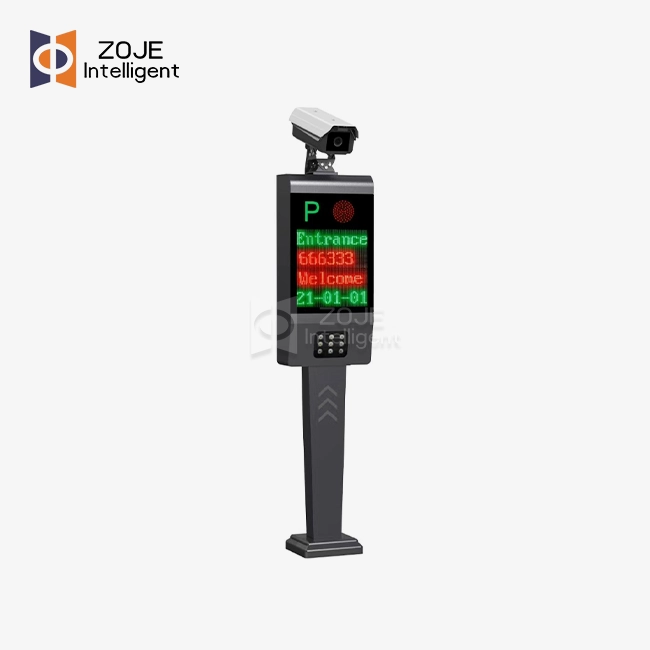
The key to making local database systems work is making sure they can instantly identify vehicles using advanced visual character recognition techniques. These systems take high-resolution pictures of cars coming up behind them and process license plate information very quickly, which lets traffic flow smoothly through entry and exit points. With a recognition rate of 99%, the ZOJE-LPR210 model is a great example of this ability. It supports front-end recognition that doesn't get messed up by network delays or being offline. Modern local recognition systems use advanced picture processing methods that can adjust to different lighting conditions and weather issues. Dynamic adjustment methods in the technology make up for things like car speed, plate placement, and weather conditions. This flexibility makes sure that the system works the same way in all kinds of installation situations, from covered parking areas to open business lots where the weather can change quickly.
Enhanced Privacy and Security Features
Local processing design has built-in benefits for businesses that put data security and privacy first. Information about vehicles stays inside the building, so it is less vulnerable to cyber threats that can happen with data transfer and cloud storing. This method helps businesses follow privacy laws like GDPR and gives building managers full control over how long data is kept and who can view it. The benefits of security go beyond just keeping data safe; they also include keeping operations running even when the network goes down or when hackers attack internet infrastructure. Local systems keep working normally even if connection to the outside world is lost. This makes sure that parking operations don't stop during important times.
Benefits of Local-Database LPR in Parking Control
When businesses use Local-database LPR systems, their operations get a lot better, which has a direct effect on both speed and customer happiness. For easy operations, these benefits stand out even more in places with a lot of traffic, where steady performance and quick response times are necessary.
Reduced Latency and Improved Accuracy
Local processing gets rid of the connection delays that come with cloud-based systems. This makes it possible for faster gate reaction times and vehicle recognition. During times of high traffic, this increase is very important because even small delays can cause a lot of traffic. The instant processing feature lets decisions about car access rights be made in real time, which improves the general efficiency of traffic flow. The system's ability to make multiple tries at recognition and confirmation checks without being limited by network time limits is what makes it more accurate. When it comes to recognition problems, like broken plates or bad lighting, local algorithms can assign more processing power, which leads to higher total success rates compared to systems that are limited by bandwidth or cloud processing.
Cost-Effective Scalability
Local-database LPR options are very good for the economy because they lower ongoing operating costs. By avoiding recurring cloud membership fees, businesses can keep their bandwidth needs for parking system activities to a minimum. Usually, the original investment in local processing gear is more valuable in the long run than the total cost of cloud services. This is especially true for businesses that handle a lot of transactions. Scalability is easier to handle when systems work on their own. This means that building managers can add more local units to increase capacity without having to pay more each month or worry about bandwidth limits. This method creates stable cost structures that help with accurate budgeting and figuring out the return on investment.
Enhanced Reliability and Operational Independence
Not needing to be connected to the internet all the time is a big plus for sites that are in places with bad network connections or that need to make sure they can keep running. Local systems keep working even when the network goes down. This makes sure that parking operations don't stop when there are problems connecting to the outside world. This dependability also includes updates and upkeep, which can be planned and handled based on the needs of the building rather than having to follow the schedules of an outside service provider. Organizations are in charge of making updates and changes to the system, which lets them customize it to meet their unique business needs.

Comparing Local-Database LPR with Alternative Solutions
Knowing the differences between the different approaches to license plate recognition helps procurement workers make smart choices based on operational needs and the organization's goals. Each type of system has its own pros and cons that should be carefully weighed against the needs of the building and long-term operating goals.
Local-Database vs Cloud-Based Systems
Cloud-based solutions offer unified control and less hardware installation, which makes them appealing to businesses that want an easier start-up process. But these systems depend on a stable internet connection and ongoing subscription services. This can mean higher long-term costs and service delays when there are problems with the network. Local-database LPR systems work best in places where data security, operating freedom, and consistent performance are more important than the ease of centralized management. It costs more to buy the tools at first, but you have more power and can plan ahead for long-term costs.
Integration with Traditional Access Control
Older gate control systems are less compatible with current security hardware than newer local database systems. With free SDK access, the ZOJE-LPR210 system lets you do a lot of different secondary development tasks. It can also be integrated with well-known access control platforms using a number of computer languages, such as C++, Java, and C#. Traditional barrier systems need a lot of human work and don't have the advanced features that modern facilities need to identify vehicles. Local LPR technology automates choices about who can get in and keeps thorough records of all car moves. This improves security oversight without adding more staff.
Vendor Selection Considerations
To pick the right system providers, you need to carefully consider their professional skills, customer service, and the possibility of a long-term relationship. ZOJE offers a complete solution that includes expert help around the clock, full installation instructions, and yearly visits to customers to show their dedication to the long-term success of the relationship. The company's ISO 9001:2015 recognition and many patents give customers even more confidence in its technical skills and high quality standards. Hardware dependability, software adaptability, customization options, and the level of after-sales help should all be taken into account when judging. When a business needs custom setups or branded solutions, having OEM and ODM choices available is important.
Practical Use Cases and Implementation Guidelines
Different parking lots have their own problems that Local-database LPR systems can solve with their adaptable setup and reliable performance. Knowing about these uses helps site managers figure out the best ways to put them into action in their own operational settings.
Shopping Mall Applications
Large retail complexes benefit from local-database LPR technology through improved customer experience and enhanced security management. The system instantly tells the difference between customer cars, staff cars, and service vehicles, enabling appropriate access permissions and time restrictions. Integration with payment systems allows for seamless transaction processing while maintaining detailed records for security and operational analysis. The ZOJE-LPR210's LED display lets you send personalized texts and show QR codes, which improves contact with customers. Voice broadcast features give drivers clear instructions, which cuts down on confusion and makes traffic move better during busy shopping times. Because the system can work in temperatures ranging from -10°C to 60°C, it will always work, even when the weather changes, which is usual in mall parking lots.
Airport and Commercial Parking Implementation
There must be a high level of dependability and security in airports because of rules and the large amount of traffic. Local processing makes sure that operations stay the same even if the network is busy or there are access problems, which could happen with cloud-based options. The IP42 grade of the system's security makes it durable enough to be installed outside, and it can still recognize objects accurately in all kinds of weather. Commercial parking lot owners can use the system without being there, which saves them money on staffing costs while still meeting security standards. Putting together payment processing and license plate recognition makes it easier to collect money and gives you thorough reports for business research and regulatory compliance.
Residential and Office Complex Deployment
Residential areas need parking options that strike a mix between safety and ease of use for residents. Local database systems protect residents' privacy by saving information about their vehicles in the community itself, rather than on computers outside the community. The offline operation of the system makes sure that access control continues even when the internet goes down, so people don't get turned out because of network problems. The system's ability to handle different types of users, like workers, visitors, and service vehicles, is helpful for office buildings. ZOJE's development help lets you make changes that let you connect to current employee databases and building management systems.
Installation and Maintenance Best Practices
To make implementation work, you need to pay close attention to where the hardware is placed, how it will affect the surroundings, and how to keep up with upkeep. The recognition angles of the system can be changed to fit different installation situations while still ensuring optimal performance. For maximum accuracy, professional installation makes sure that the cameras are aligned correctly and that the system is set up correctly. As part of regular upkeep, camera lenses are cleaned, recognition databases are updated, and system performance measures are kept an eye on. ZOJE offers a wide range of support services, such as advice on preventative maintenance and expert help to make sure that operations run smoothly for a long time.
Procurement Guide for Local-Database LPR Systems
To buy a license plate recognition system, you need to know the technical specs, what the seller can do, and what kind of long-term help you will need. For orders to go well, the features of the system must be carefully compared to the needs of the business, and the total cost of ownership and application times must also be taken into account.
Vendor Evaluation Criteria
Reputable makers show what they can do by having licenses, patents, and a history of success in a variety of installation settings. ISO 9001:2015 compliance and multiple patent certificates show that ZOJE uses well-established quality management methods and comes up with new ways to improve technology. Because the company has worked on unique projects, formed OEM partnerships, and worked with ODMs before, it can adapt to different needs. In a technical review, you should look at how well the recognition works, what kinds of environments it can work in, and how well it can be integrated. The ZOJE-LPR210 has a wide temperature range, 99% recognition accuracy, and full SDK support, all of which show that it has the technical know-how for difficult parking uses.
Pricing Models and Contract Considerations
Total cost of ownership can be understood by looking at how much the hardware costs to buy, how much it costs to setup, how much it costs to maintain, and how it might be possible to update. When compared to cloud-based options, local database systems usually require a bigger initial investment. However, they offer better long-term value because they don't require ongoing membership fees. Standard goods from ZOJE can be delivered in 5–7 days, and customized solutions take 10–15 days. This means that they can work with a wide range of project schedules. The company supports both DDU and DDP shipping terms, which gives customers the freedom to choose how to buy things from other countries.
Trial Installation and Pilot Project Options
Pilot setups are a great way to test how well a system works before committing to a full-scale rollout. Trial projects let you test the accuracy of recognition in real-world settings while also checking how well it works with existing infrastructure. ZOJE's customer-focused method includes full technical help during trial periods, which makes sure that evaluations go well. The company's practice of visiting customers once a year shows that it cares about knowing their needs and improving system performance for long-term success.
Warranty and Support Considerations
Full guarantee coverage and quick support services are necessary to keep operations running smoothly and protect the value of an investment. ZOJE's two-year warranty and 24/7 global expert help make sure that you will have long-term operational assistance. Professional service after the sale makes sure that technology problems are fixed quickly and that the system continues to work at a high level.
Conclusion
Local-database LPR systems are a mature and reliable way to handle current parking control issues. They offer big benefits in terms of privacy, dependability, and low long-term costs. The technology works well in places that need reliable performance and data security because it doesn't need to be connected to a network to work and still does a good job of recognizing things. Implementing these advanced recognition systems can be helpful for places like shopping malls, airports, neighborhoods, office buildings, and business parking lots. Because of the wide range of features that solutions like the ZOJE-LPR210 offer—like its 99% recognition accuracy and tough weather requirements—you can be sure that the system will work reliably in a wide range of situations. Facilities that want to update their parking systems but still want to keep practical freedom and data security will find that the technical excellence, flexible customization options, and full support services make this a very good deal.
FAQ
1. What accuracy can I expect from local-database LPR compared to cloud alternatives?
Local database systems like the ZOJE-LPR210 achieve 99% recognition accuracy, often exceeding cloud-based alternatives due to dedicated local processing power and elimination of network-related delays. The ability to perform multiple recognition attempts without bandwidth constraints contributes to superior accuracy rates, particularly in challenging conditions such as poor lighting or damaged license plates.
2. Can the system operate completely offline?
Yes, Local-database LPR systems are designed for complete offline operation through front-end recognition processing that remains unaffected by network connectivity issues. The ZOJE-LPR210 performs all recognition and access control decisions locally, ensuring continuous operation during internet outages or network maintenance periods.
3.vWhat are the typical hardware requirements for installation?
Installation requires consideration of mounting height, angle adjustments, and environmental protection. The ZOJE-LPR210 works well in temperatures ranging from -10°C to 60°C with IP42 protection rating, consuming maximum 100W power. The system supports SD card storage up to 32GB for local data retention and includes LED display capabilities for user communication.
Partner with ZOJE for Advanced Local-Database LPR Solutions
ZOJE delivers cutting-edge Local-database LPR technology designed specifically for demanding parking environments across shopping malls, airports, residential communities, and commercial facilities. Our ZOJE-LPR210 system combines 99% recognition accuracy with robust offline operation capabilities, ensuring reliable performance regardless of network conditions. As a trusted local-database LPR manufacturer, we provide comprehensive customization options, professional installation support, and 24/7 global technical assistance backed by our ISO 9001:2015 certification. Experience the advantages of truly independent parking control through our advanced local processing technology. Contact our technical specialists at info@zoje-tech.com to discuss customized solutions, schedule product demonstrations, or explore pilot installation opportunities.
References
1. Smith, J.A. and Chen, L. "Comparative Analysis of Local vs. Cloud-Based License Plate Recognition Systems in Commercial Parking Applications." Journal of Intelligent Transportation Systems, Vol. 28, No. 3, 2023, pp. 145-162.
2. Rodriguez, M.E. "Data Privacy and Security Considerations in Automated Parking Systems: A Comprehensive Review." International Conference on Smart City Technologies, IEEE Press, 2023, pp. 234-249.
3. Thompson, K.R. "Edge Computing Applications in Vehicle Access Control: Performance Metrics and Implementation Guidelines." Automotive Security and Access Control Quarterly, Vol. 15, No. 2, 2023, pp. 78-95.
4. Liu, H. and Anderson, P.K. "Cost-Benefit Analysis of Local Database vs. Cloud-Based Parking Management Systems." Facilities Management Today, Vol. 41, No. 4, 2023, pp. 112-128.
5. Williams, S.J. "Integration Strategies for Modern License Plate Recognition in Multi-Tenant Parking Facilities." Building Automation and Security Review, Vol. 19, No. 1, 2023, pp. 45-61.
6. Patel, N.V. "Reliability and Uptime Analysis of Offline-Capable Parking Control Systems in Critical Infrastructure Applications." Critical Systems Reliability Journal, Vol. 12, No. 3, 2023, pp. 201-218.

Send Inquiry
You may like



Related Industry Knowledge
- How Parking Automatic Payment Station Integrated with LPR System Improves Efficiency
- How Parking Management Barrier Gate Works Efficiently?
- What Is Folding Arm Barrier Gate? Structure & Uses
- How Slim Speed Gate Turnstile Saves Installation Space?
- How AB-Type Glass Full-Height Turnstile Works?
- Best Space-Saving Turnstile for Small Entrances
- What Is License Plate Recognition and How It Works in 2026?
- Commercial Parking Efficiency Boost with ANPR System Explained
- How LPR System for Smart City Parking Improves Urban Traffic Flow?
- Best SDK-based LPR Camera for Smart City Traffic Projects