
What is a UHF RFID Tag Reader for Parking Management System?
2026-07-08
Property managers in shopping malls, airports, neighborhoods, office buildings, and business parking lots have to deal with a lot of problems when it comes to controlling car access. A UHF RFID Tag Reader for Parking Management System is a special kind of long-range radio frequency identification device that works in the 860–960 MHz global ultra-high frequency band. This technology lets you identify a car without using your hands from 6 to 20 meters away. It works with ISO 18000-6C and EPC Class 1 Gen 2 standards. UHF RFID readers provide consistent, automated vehicle authentication no matter the weather. This is in contrast to standard proximity card systems that require drivers to stop and show their credentials or optical license plate recognition systems that can be harmed by bad weather. This feature fixes important operational problems like traffic jams during busy hours, the high cost of maintaining real access cards, and the security risks that come with entry methods that are easy to copy.
Understanding UHF RFID Tag Readers in Parking Management
Today's parking lots need technology that strikes a balance between speed, accuracy, and dependability. This balance is reached by UHF RFID readers using advanced radio frequency tech made just for use in vehicles.
Core Technology Behind Long-Range Vehicle Identification
UHF technology's main benefit comes from the way its frequencies work. Radio waves can travel quickly through air and through window glass, where most license plates are fixed, when they work between 860 and 960 MHz. Unlike HF (high frequency) systems that can only work within centimeters or microwave options that can get messed up, UHF is the best choice for parking uses. This way of engineering is shown by the ZOJE-6890H model, which has circularly polarized antennas with 8–12 dBi gain that can read window tags no matter what angle the car is coming from or how the tag is oriented. In real life, where cars arrive at different angles and speeds, this circle polarization is very important.
System Architecture Components
A full system is made up of many organized parts that work together. RF circuitry, processing software, and transmission ports are all built into the reader itself. Passive UHF tags stuck to car windshields store unique identification codes and send their credentials by returning reader signals. These tags don't need batteries. Software systems take care of authentication databases, keeping track of events related to entry and managing barriers like bollards and barrier gates. The architectural design makes it possible to go from private gates with one lane to business facilities with multiple lanes that can handle hundreds of cars every hour.
How Vehicle Recognition Occurs Seamlessly
The process starts in milliseconds when a car with a tag enters the reader's electric field. Through its antenna, the scanner sends RF energy to inactive tags within range, which makes them work. Tags collect enough power to change and spread the identification data they store. This weak mirrored signal is picked up by the reader's receiver, which must be at least -85dBm sensitive. It then decodes the unique tag number and sends it to the access control system via RS-232, RS-485, Wiegand, or TCP/IP. The whole transaction is finished before the car gets to the barrier, which lets approved users enter without stopping.
Advantages of Using UHF RFID Tag Readers in Parking Management Systems
Property managers who are looking at access control options have to weigh the needs for operational efficiency, security, budget limits, and user experience standards. These worries are fully addressed by the UHF RFID Tag Reader for Parking Management System technology.
Eliminating Peak-Hour Bottlenecks
When there is a lot of traffic at entry places in the morning or evening, it can be frustrating and make things less efficient. When vehicles have to stop fully for traditional systems, drivers often have to fumble for access cards or wait for human verification, which causes delays that build on top of each other. UHF readers process vehicles at normal approach speeds, which cuts the time that vehicles stay at entry points by a huge amount. During weekend rush hours, traffic flows more smoothly through shopping malls, and office buildings don't have to deal with morning lines that used to go out onto the streets. With a maximum read range of 20 meters, the ZOJE-6890H makes sure that authentication is complete long before cars reach obstacles. This lets gates open automatically instead of just when they are needed.
Weather-Proof Reliability Compared to Optical Systems
Environments that make it hard for license plate readers to work include rain that covers plates, fog that makes them less visible, bright lights at night that make plates glare, and dirty plates that can't be read. These factors don't affect the UHF radio bands that are sent through them. Airports keeping 24/7 operations regardless of weather find this reliability important. The ZOJE-6890H's IP65-rated housing and corrosion-resistant construction make it a good choice for coastal parking lots where salt spray can damage equipment. For placements in cold climates, the device has built-in preheating processes that make it ready to use even after being frozen overnight. It starts working at full capacity 15 minutes after being turned on.
Long-Term Cost Savings and the Chance to Grow
The costs of initial execution are only one part of the total costs of ownership. When deployed for more than one year, UHF RFID systems show better economy. Active RF transponders need new batteries all the time, but passive tags don't. The wireless process gets rid of the wear and tear that comes with card readers. Scalability turns out to be easy—adding capacity only requires adding more readers and setting up software, not making big changes to the system. When commercial parking lot owners go from having one spot to many, they use the same setups that have worked well in the past. The technology works with different kinds of tags, like ISO18000-6B and EPC standards, so investments are safe even as needs change.
Enhanced Security Through Unique Cryptographic Identifiers
Each UHF tag has a unique TID (Tag Identifier) that is built in during production and can't be changed or copied easily. This hardware-based protection is better than proximity cards, which can be copied. Residential areas have strict rules about who can enter, because they know that tries to get in without permission are recorded with exact timestamps and tag markers. For security reasons, VIP parking areas on company sites keep audit trails that show which vehicles were there. The ZOJE-6890H's FHSS (Frequency Hopping Spread Spectrum) technology adds an extra layer of security by stopping signal capture and making it easier to avoid collisions when multiple cars are coming up behind you at the same time.
How to Install and Optimize UHF RFID Tag Readers for Parking Systems
For deployments to go well, site-specific factors that affect RF transmission and system performance need to be taken into account. Installing systems correctly is what separates effective ones from ones that don't work right.
Site Analysis and Environmental Considerations
Before putting equipment starts, thorough site surveys find problems that might come up. When metal buildings like reinforced concrete, chain-link fences, or nearby cars are close to installation places, they cause reflections and multipath interference that affect the consistency of the read. The poll maps these problems to find the best places for readers to be. The RF properties of underground parking garages are different from those of open-air garages. Low-ceilinged parking garages in shopping malls need different antenna arrangements than roadside sites at airports. Extreme temperatures, especially in places where winters are below zero and summers are over 50°C in the desert, require tools with a wide working range. With a temperature range of -20°C to +70°C, the UHF RFID Tag Reader for Parking Management System can work in most locations around the world.
Reader Mounting and Antenna Positioning
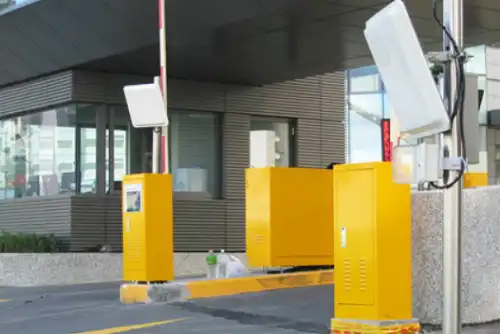
The physical placement follows technical rules that make coverage as good as possible while reducing interference as much as possible. Readers are usually put up 2.5 to 4 meters above the ground on poles or buildings that are already there. The direction of the antenna is very important; the main part should point toward where the tag is expected to be on the coming windshields. A 15-20 degree downward tilt is often the best shape. Lane width affects configuration choices: home lanes with just one reader can be used, but business entrances with more than one lane need careful frequency planning to stop reads that go across lanes. The ZOJE-6890H has an RF power source that can be changed from 0.1W to 1W. This lets the read zone be made narrower or wider after installation to fit different lane shapes.
Integration with Existing Access Control Infrastructure
These days, parking systems don't just work on their own; they connect to other systems like security, payment, and building management software. The ZOJE-6890H's many connection ports make this coupling easier. Wiegand outputs link straight to older access controllers that are looking for inputs from card readers. Multiple readers can share a single wire run back to central control in multi-drop setups made possible by RS-485. Network-based systems with centralized control panels are possible with TCP/IP connectivity. Provided SDK packages that work with most computer platforms let you make your own interfaces that fit your workflow needs. During testing, all system parts are made sure to be able to talk to each other properly before the system goes live.
Troubleshooting Common Performance Issues
Even systems that were carefully planned can have problems that need to be systematically diagnosed. RF power levels that aren't right for the distance can cause intermittent read failures. Problems with weak signals can be fixed by increasing output. On the other hand, reads that happen too early or that pick up tags from lanes next to them mean that there is too much power, and it needs to be reduced. Multiple vehicles arriving at the same time try anti-collision algorithms. The ZOJE-6890H's Gen 2 protocol handles these situations well, but antenna placement changes may make performance better. When there are changes in the environment after installation, like metal structures being added by a new building or yearly growth of plants, the system may need to be re-calibrated. Monitoring the health of a system on a regular basis finds signs of decline before they affect activities.
Choosing the Right UHF RFID Tag Reader for Your Parking Management Needs
Long-term choices about purchases affect how well operations run, how much upkeep is needed, and how happy users are. Systematically evaluating choices makes sure that skills and needs are in line with each other.
Critical Selection Criteria for B2B Buyers
Read range tops most needs lists, although standards must be interpreted cautiously. Advertising maximum ranges assume optimal circumstances. Performance depends on tag quality, automobile glass quality, and atmosphere. Conservative planning employs 60–70% of the maximum for safety. Durability specifications like IP ratings and operating temperature ranges affect system uptime and maintenance costs. Residential service outages are handled differently than airports, where they disrupt operations. Options exist with ISO18000-6B old tags and EPC Gen 2 standards. Protocol compatibility preserves tag investments. Communication interface requires the use of existing infrastructure. Retrofits into older systems may need RS-485 or Wiegand compatibility, whereas TCP/IP is ideal for modern IP networks.
Fixed Versus Handheld Reader Applications
Most parking systems use set readers that let you use them without using your hands. However, movable tools can be used for other things as well. Maintenance teams use mobile readers to check that tags work without having to go to a set reader spot. Mobile tags that can scan tickets are useful for parking control in big business lots. Handheld computers are used by fleet management to check that vehicles are in the right places and do inventory reports. For constant outdoor use, the ZOJE-6890H fixed reader design works best, while smaller options can be used for these extra tasks as part of larger parking management plans.
Supplier Evaluation and Support Considerations
Hardware specs aren't the only thing that determines the success of a project; the skills of the seller are just as important. Customization allows manufacturers to meet the specific needs of each project that off-the-shelf goods can't. ZOJE's history of working with OEM and ODM partners shows that it can adapt to meet the needs of a wide range of clients in global markets. Having access to technical help, especially for foreign deployments that cross time zones, keeps systems from being down for long periods of time during critical issues. Good documentation, like startup guides, API references, and troubleshooting tools, makes implementation and upkeep go more smoothly. The manufacturer's trust is shown by the warranty terms. The ZOJE-6890H's 2-year warranty is longer than many in the industry, and it comes with 24/7 global technical support so that you can get help no matter where you put it.
Return on Investment and Procurement Strategy
The financial explanation looks at both the costs of execution and the savings that will be made over time. Even though UHF readers cost more per unit at first, the total cost of ownership calculation takes into account the fact that no more manual processing is needed, complaints about traffic are decreased, and optical system upkeep is not needed. For large operations, volume prices and standards help cut down on the number of spare parts that need to be kept on hand. Before full-scale rollouts, pilot projects in sample areas check how well they work, which lowers the risk. When making a budget, you should think about the costs of the whole system, not just the readers. This includes the tags, mounting tools, cables, and work to connect the readers. Commercial parking lots usually get their money back in 18 to 24 months by saving money on labor and increasing the number of cars that can be parked at once.
Future Trends and Innovations in UHF RFID Parking Management
Technology is always changing the ways that parking management can be done. UHF RFID Tag Reader for Parking Management System is the basis for more and more advanced features.
IoT Integration and Smart City Alignment
More and more, urban planners see parking as a linked data source that is part of larger smart city ecosystems. City-wide traffic control systems use data from UHF readers to get real-time information on occupancy, car movement trends, and usage analytics. When mobile apps are integrated, drivers can get alerts when parking spots become available and digital confirmations of payments that are tied to their registered car tags. Implementations at airports sync parking data with flight information systems so that prepaid parking is automatically extended when incoming planes are late. For these linked structures to work, UHF readers must be able to reliably identify devices, and higher-level systems must provide better user experiences.
Artificial Intelligence Enhancing Decision Intelligence
When machine learning systems look at past parking data, they can more and more accurately guess when the busiest times will be. This lets them set dynamic pricing strategies and plan for capacity. Anomaly detection finds trends that don't make sense, which could mean there are security issues or system problems that need to be looked into. Predictive maintenance algorithms keep an eye on reader performance measures and suggest service actions before they go wrong. These AI skills build on the accurate and consistent amounts of data that UHF RFID readers produce, turning simple identification events into useful business information.
Enhanced Security Features and Anti-Counterfeiting
As the stakes of parking access control rise, especially in high-security government buildings or high-end business properties, the standards for authentication become more complex. Next-generation tags use cryptographic challenge-response methods so readers can check the accuracy of the tag through protected messages instead of just sending an ID. These high-tech security features keep cloned tags from getting in, even if the identification codes are copied in some way. The basic UHF RFID infrastructure stays the same, and firmware changes make it possible for these improved methods to work. This protects long-term investments.
Sustainable Operations and Energy Efficiency
As businesses try to be more environmentally friendly, they think about the environment when they buy things. With passive UHF tags, you don't have to worry about how to get rid of active transponders because they don't need batteries. RF circuitry design is getting more efficient because readers use a lot of power, especially in remote sites that are driven by solar panels. The ZOJE-6890H's power output can be changed so that only the minimum transmission strength is needed. This saves energy while still meeting performance standards. These improvements in efficiency are in line with the company's larger efforts to be more environmentally friendly, and they also lower running costs.
Conclusion
UHF RFID tag readers have turned parking entry control from a time-consuming and error-prone process that had to be done by hand into an automatic, dependable process that saves money and makes things easier for users. Traditional methods can't solve the basic problems that this technology can, because it can spot vehicles over long distances and in all kinds of weather. A UHF RFID Tag Reader for Parking Management System provides an efficient solution by enabling fast vehicle identification, improving access control accuracy, and supporting seamless parking operations. When looking at different options, facility managers should put performance specs that have been proven to work first, as well as full support from the provider and integration freedom that can meet both current needs and plans for future growth. The ZOJE-6890H meets these requirements with its 20-meter read range, ability to work with multiple protocols, durable outdoor design, and ISO 9001:2015-certified production quality, along with quick global technical support.
FAQ
1. What makes UHF RFID superior to barcode scanning for parking?
Barcode systems require line-of-sight positioning and often fail when stickers become dirty, faded, or improperly positioned on windshields. UHF radio frequencies penetrate dirt and read through glass regardless of minor positioning variations, providing consistent performance that barcode scanning cannot match in real-world parking environments.
2. Can existing parking systems integrate with UHF RFID readers?
Standard interfaces make it possible for UHF readers to be added to most current access control systems. As a result, the ZOJE-6890H can link via Wiegand, RS-232, RS-485, and TCP/IP, so it can work with both old and new systems. SDKs make it easier to integrate unique features when standard interfaces don't directly work with current systems.
3. How do UHF readers perform in extreme weather conditions?
Unlike optical license plate reading, which doesn't work as well in rain, fog, or snow, UHF radio frequencies can pass through these situations without any problems. The ZOJE-6890H can work in freezing temperatures thanks to its built-in preheating function, and its IP65-rated casing keeps the electronics inside safe from dust and water in tough outdoor settings.
Partner with ZOJE for Reliable UHF RFID Parking Solutions
ZOJE provides tested RFID technology that is specifically designed for tough parking situations in shopping malls, airports, neighborhoods, office buildings, and other business buildings. As a provider of UHF RFID Tag Reader for Parking Management Systems with a lot of experience, we know that successful projects need more than just good hardware. They also need quick technical support, the ability to make changes, and a relationship commitment that goes beyond the initial purchase. Our ZOJE-6890H reader is the result of more than ten years of mechanical improvements. It meets ISO 9001:2015 quality standards and is covered by several technical patents. We can help with both standard deployments and OEM/ODM projects that are tailored to specific business needs. ZOJE is your long-term technology partner because they offer fast delivery, full installation instructions, and 24/7 global expert help during the 2-year warranty period and after. Email our team at info@zoje-tech.com to talk about the problems you're having with parking management and find out how our solutions can help you make real operational gains.
References
1. Finkenzeller, K. (2010). RFID Handbook: Fundamentals and Applications in Contactless Smart Cards, Radio Frequency Identification and Near-Field Communication. John Wiley & Sons, Third Edition.
2. Swedberg, C. (2018). "RFID Drives Automated Parking Management at Airports and Commercial Facilities." RFID Journal, Vol. 15, Issue 4, pp. 28-33.
3. Lahiri, S. (2015). The RFID Technology Handbook: Passive and Active RFID Systems, EPC Standards, and Applications in Supply Chain, Retail, and Logistics. CRC Press.
4. International Organization for Standardization. (2015). ISO/IEC 18000-6:2013 Information Technology — Radio Frequency Identification for Item Management — Part 6: Parameters for Air Interface Communications at 860 MHz to 960 MHz General. ISO Standards Publication.
5. Chen, H., Senior member, IEEE, Zhou, M., & Wang, L. (2019). "Performance Optimization of UHF RFID Systems in Vehicle Access Control Applications." IEEE Transactions on Intelligent Transportation Systems, Vol. 20, No. 9, pp. 3421-3430.
6. Kumar, A. & Rahman, M. (2020). "Smart Parking Systems: Comprehensive Review of RFID and IoT Integration for Urban Mobility Solutions." Journal of Advanced Transportation Technology, Vol. 54, Issue 2, pp. 187-204.

Send Inquiry
You may like

Related Industry Knowledge
- Parking Exit Card and Ticket Validation Machine Features You Should Know Before Buying
- Why Vehicle Loop Detector for Parking Management System Is Essential for Smart Parking
- Automatic Pay Kiosk for Commercial Parking Projects : Parking Made Easy
- How Automatic Pay Kiosk for Commercial Parking Projects Improves Parking Management
- Self Service Kiosk Solutions for Your Business Needs
- OEM Waist-high Tripod Turnstile Supplier Guide
- Best Unattended Full-Height Turnstile for High Security
- How Straight Arm Barrier Gate Controls Traffic Flow?
- Benefits of High-Durability ANPR Cameras for Operators
- What Is an Integratable LPR Parking System?