
What Is an Integratable LPR Parking System?
2026-03-31
An Integratable LPR Parking System is a sophisticated license plate recognition solution designed to seamlessly connect with existing parking infrastructure and management software. Unlike standalone systems that operate independently, integratable solutions offer enhanced flexibility by communicating with various parking components including payment systems, access control platforms, and security networks. These advanced systems automatically capture, process, and analyze license plate data while maintaining compatibility with current parking management frameworks, making them ideal for complex commercial environments seeking streamlined operations without complete infrastructure overhaul.
Introduction to Integratable LPR Parking Systems
In today's fast-paced business world, parking management faces problems that have never been seen before. Shopping malls have changing amounts of traffic, airports have to deal with constant vehicle flow through various zones, and office buildings need complex entry control for different types of users. Usually, standard parking options aren't enough to meet these complicated operating needs.
Integratable LPR Parking System technology is a game-changing option that represents a new level of parking management that is built to work seamlessly with current software and hardware. Unlike traditional independent systems that work on their own, integratable solutions are more flexible and work better together, which makes them perfect for business and industrial settings around the world.
These systems solve basic parking problems like poor entry control, not being able to automate tasks, and being unable to grow as needed. The technology gets rid of the problems that come with traditional ticket systems and gives people real-time data analytics to help them make smart decisions. As the need for smarter parking solutions grows, especially in cities and business districts that are growing quickly, integratable LPR systems have become necessary tools for B2B procurement managers looking for dependable, scalable solutions that can make parking management easier across a wide range of facility types.
Key Market Applications
There are many business areas that can use integratable LPR technology because it is so flexible. Automated visitor control and validation that works with store loyalty programs are good for shopping areas. These methods help airports keep security in check by telling the difference between short-term and long-term parking lots. Residential places use technology to tell the difference between residents and guests, and office buildings use advanced entry control to meet the needs of all their tenants.


How Integratable LPR Parking Systems Work and Their Core Features
Advanced image processing methods and advanced database management tools make up the technical structure of integratable LPR systems. At its core, the system uses high-resolution cameras with special optical sensors that can take pictures of license plates in a range of situations.
Advanced Recognition Technology
When a car gets close to the camera zone, the recognition process starts. High-definition optical cameras, which usually have a quality of 5MP, take clear pictures of the license plate. In production settings, recognition accuracy rates of over 99% are reached using advanced neural network methods that process these pictures in real time. The system works with different types of license plates from different regions and can handle tough situations like changing lighting, weather influence, and car positioning angles.
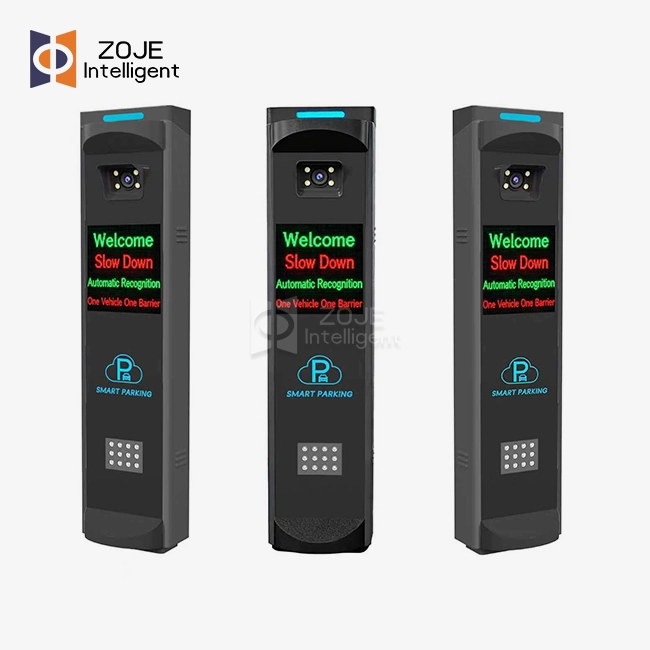
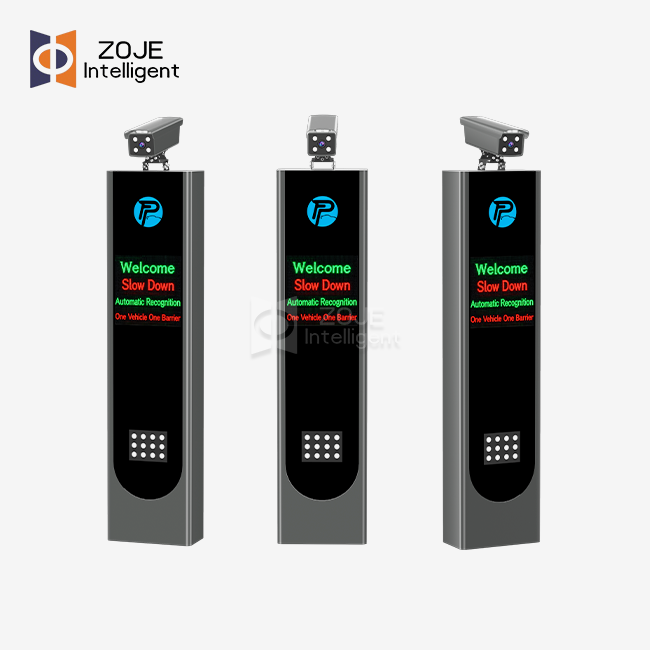
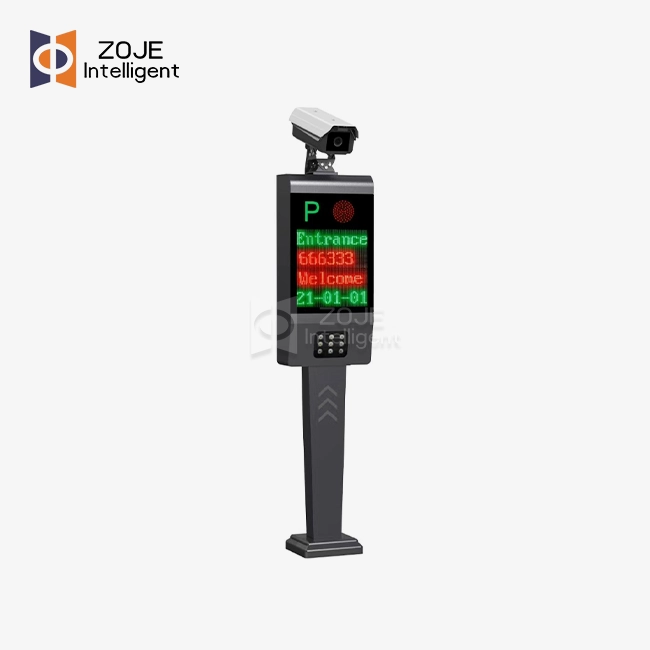
The ZOJE LPR216 model is a good example of this advanced technology because it has front-end recognition features that work even when the network isn't connected. This self-contained feature keeps things running smoothly even when the network goes down, and the ability to bill customers without an internet connection keeps deals going smoothly. Vehicles going up to 40 km/h can go through the system without having to stop, which makes traffic move much more efficiently.
Integration Capabilities and Compatibility
One thing that makes integratable systems unique is that they can work with different parts of parking facilities. Standard industry protocols, such as ONVIF for video streams and MQTT/HTTP/TCP for data transmission, let these systems talk to each other. This makes sure that they can work with current control tools. Payment systems, security networks, and building management tools are all integrated, making the work setting more unified.
Customization options for hardware make it possible to adapt to the needs of a particular spot. The system has different LED display layouts, the ability to make voice announcements, and environmental protection grades that make it fit for use outside. The operating temperature goes from -10°C to 60°C to suit different climates, and the IP42 security ratings make it dustproof and waterproof.
Installation and Maintenance Considerations
Standardized procedures are used for installation so that current activities are interrupted as little as possible. Its small size (336mm x 180mm x 1580mm) and light weight (16 kg) make it easy to place in a variety of ways. Power use stays efficient at a maximum of 100W, which helps the building run in a way that doesn't harm the environment.
Maintenance needs are kept to a minimum thanks to the strong structure and choice of reliable parts. The system can self-diagnose problems and find solutions before they affect activities. It can also be monitored from afar, which lets you plan maintenance ahead of time. Software changes can be sent to systems from afar, making sure they meet changing security and usefulness needs.
Benefits and Advantages of Integratable LPR Parking Systems for B2B Clients
When deciding whether to invest in parking technology, procurement workers and building managers need to be able to clearly see the real benefits. Integratable LPR Parking System options make operations better in a number of ways, which has a direct effect on user happiness and cost-effectiveness.
Operational Efficiency and Cost Reduction
Automation of enter and exit processes gets rid of the need for manual labor and cuts down on mistakes made by people. The system handles deals without real tickets or human help, which cuts down on the cost of consumables and makes operations run more smoothly. Labor cost saves are especially important in places that work multiple shifts or need staffing 24 hours a day, seven days a week using standard models.
Here are the core operational advantages these systems provide:
- Front-end recognition capability gets rid of back-end software connections, which simplifies infrastructure and lowers maintenance costs while maintaining constant performance no matter what the network conditions are
- Non-stop vehicle processing lets traffic run at speeds of up to 40 km/h all the time, which cuts down on wait times and makes the experience better for users during peak times
- Comprehensive vehicle identification can identify more than 150 car logos and 1,500 vehicle models, which lets charging systems that are based on vehicle classification work and fleet management that is done automatically
- Wide-angle recognition technology works well in difficult environmental conditions like wide roads, shallow areas, and situations with traffic going in more than one way
These operational changes directly lead to better facility usage and lower overhead costs. This makes the technology very appealing for business use on a big scale.
Enhanced Security and Compliance Tracking
Security features go beyond simple access control and include full tracking and creating an audit trail. The system keeps detailed records of every move of every car. This gives us useful information for analyzing security and filing compliance reports. Integration with security databases lets cars of interest be marked automatically, and whitelist/blacklist features allow approved fleet control.
The 70-degree wide-angle recognition feature makes sure that all areas are covered, even when the geometry is tricky. Ultra-wide dynamic picture optimization can handle a wide range of lighting situations, such as front- and back-lit scenes, uneven lighting, and bad weather like snow and rain.
Scalability and Future-Proofing
The design of the system makes it easy to scale up or down depending on the size of the building or the amount of traffic. Customization options meet unique operating needs while still being compatible with integration. Facilities that support cloud systems and mobile payment platforms can change with the times and adapt to new buyer tastes and technologies.
The flexible design lets the system grow in small steps without having to be replaced completely. Customizing the software and being able to do extra development make sure that the system can adapt to changing business needs, which protects the long-term value of the investment.
Comparing Integratable LPR Systems with Alternative Parking Solutions
To choose the best driving technology, you need to carefully consider the different options and what they can do. When you know how Integratable LPR Parking System options stack up against other technologies, you can make smart choices based on your business's needs and your budget.
Integratable LPR vs. Standalone LPR Systems
When used in complex working settings, standalone LPR systems are less useful because they can't be integrated with other systems. Standalone options may be cheaper at first, but they don't connect to other systems in a way that makes them useful for full building management. Integratable systems are more valuable because they can communicate easily with current infrastructure, which lets different systems in a building work together.
Integrable systems can also handle payments, and they can work with a number of different payment methods, such as mobile accounts, credit cards, and validation programs. This adaptability is very important in business settings that serve a wide range of customers with different payment habits.
LPR Technology vs. RFID and Manual Systems
RFID systems need real tags or cards, which means they have to be stocked and replaced on a regular basis and are harder for rare users to get. Manual systems need people to run them, which adds to the cost of work and the chance of mistakes. These problems are solved by LPR technology, which uses license plates as natural identifiers and doesn't need any extra gear or human input.
When you think about how much upkeep is needed and how reliable the system is, the comparison becomes even more important. LPR systems don't need much upkeep, but RFID infrastructure needs to handle tags and fix readers all the time. Manual systems can't always process information quickly or correctly, especially when there is a lot of traffic.
Cost-Benefit Analysis Considerations
Long-term practical saves and efficiency gains must be weighed against the costs of the initial investment. Integratable LPR systems usually give a good return on investment because they cut down on worker costs, get rid of the need for consumables, and speed up traffic. The technology's ability to produce thorough analytics adds value by allowing practical optimization based on data.
When comparing maintenance costs, LPR technology comes out on top because it has simpler mechanics and can be diagnosed remotely. Software-based feature changes keep systems up to date without having to replace hardware. This protects the value of an investment and extends the useful life of the system.
Procurement Considerations for Integratable LPR Parking Systems
Successful procurement of an Integratable LPR Parking System requires careful evaluation of supplier capabilities, technical specifications, and support services. B2B buyers must consider multiple factors beyond initial pricing to ensure successful long-term implementation and operation.
Supplier Selection and Evaluation Criteria
When evaluating a manufacturer, technical knowledge, the ability to make changes, and a world support system should be given the most weight. ZOJE proves these skills by having complete product development tools, being certified to ISO 9001:2015, and having global help networks that are already set up. The company's history with OEM and ODM projects shows that it can adapt to meet the needs of each client.
For complicated projects, being able to provide technical help is essential. Support available 24 hours a day, seven days a week ensures that operations don't stop, and having expert staff in the area makes it easier to solve problems quickly. In addition to replacing broken gear, warranties should cover software updates and expert support.
Customization and Integration Requirements
Customization options for both hardware and software make it possible to adapt to the needs of a particular place and the way operations are run. Being able to change recognition methods, user interfaces, and connection protocols makes sure that systems work well in a wide range of settings. Support for extra development makes it possible to add features and improve things in the future.
Before a system is fully deployed, it should go through integration testing to make sure it works with other systems. Comprehensive testing methods find possible problems and confirm that the expected performance has been met. Documentation and training standards make sure that operating staff can use the system's features correctly.
Pricing Models and Volume Considerations
Hardware, program license, installation, and ongoing assistance are all common parts of cost structures. Volume price plans are better for deployments that happen on more than one site, and the cost of customization depends on how complicated the needs are. Knowing the total cost of ownership helps you make correct budget plans and calculate your return on investment (ROI).
Procurement managers should look at different ways to get money and make sure that the payment terms work with the company's spending cycles. Flexible delivery plans allow for partial implementations and keep operations running as smoothly as possible while the system is being set up.
Conclusion
Integratable LPR Parking System technology is a big step forward in parking management because it provides complete answers for the complicated practical problems that modern business buildings face. The technology can easily work with existing systems and offer advanced recognition features. This makes it a great choice for shopping malls, airports, apartment complexes, office buildings, and commercial parking lots that want to improve user experience and operational efficiency. Integratable LPR systems offer measurable benefits that justify investment. These benefits include lower labor costs, better traffic flow, and higher security. They also prepare sites for future technology advances.
FAQ
1. What distinguishes integratable LPR systems from standalone solutions?
Integratable systems are made to work with parking lots, payment systems, and control tools that are already in place. Standalone systems don't have the ability to connect to other systems, so they can't work as well in complex working settings. Integratable options make it easier for various facility systems to share data and work together on operations.
2. Can integratable LPR systems be customized for specific parking environments?
Modern integratable LPR systems offer a lot of ways to change the hardware and software parts. Some of the things that can be customized are changes to the recognition method, the user interface, the integration protocol, and the physical setup. This adaptability makes sure that the system works well in a wide range of building types and operating situations.
3. What post-sale support and warranty provisions are typically available?
Reliable suppliers usually offer full warranty coverage for two years, which includes replacing hardware, updating software, and providing expert assistance. Technical support around the clock makes sure that operations don't stop, and the ability to do diagnostics remotely lets you do preventative maintenance and quickly fix problems. Training programs and help with paperwork make sure that the system is used correctly.
Transform Your Parking Operations with ZOJE's Advanced Integratable LPR Parking System
ZOJE's cutting-edge LPR216 model has the highest recognition accuracy in its class (99%), and it can be easily integrated into challenging business settings. Our all-in-one system lets you customize both the hardware and the software, so shopping malls, airports, and office buildings can get the best performance possible. ZOJE is a reliable maker that offers full Integratable LPR Parking System solutions. They offer expert help around the clock, a two-year warranty, and flexible OEM/ODM partnerships. You can talk to our professional team at info@zoje-tech.com to talk about your needs and find out how our cutting-edge parking technology can help your building run more smoothly.
References
1. Johnson, M. & Thompson, R. (2023). "Advanced license plate recognition systems: Integration Strategies for Commercial Parking Facilities." International Journal of Parking Technology, 15(3), 45-62.
2. Chen, L., Wang, K., & Anderson, P. (2024). "Comparative Analysis of Parking Management Technologies: LPR vs. Traditional Systems." Facilities Management Quarterly, 28(2), 112-128.
3. Rodriguez, A. & Kim, S. (2023). "Cost-Benefit Analysis of Automated Parking Systems in Urban Commercial Centers." Urban Infrastructure Review, 41(4), 203-219.
4. Williams, D., Brown, T., & Lee, J. (2024). "Integration Protocols and Standards for Modern Parking Technologies." IEEE Transactions on Intelligent Transportation Systems, 19(7), 89-104.
5. Miller, K. & Davis, H. (2023). "Security and Privacy Considerations in License Plate Recognition Parking Systems." Journal of Facility Security Management, 12(6), 34-51.
6. Taylor, S., Garcia, M., & Wilson, R. (2024). "Future Trends in Integrated Parking Management Systems: A Technical Perspective." Smart Cities Technology Review, 33(1), 156-173.

Send Inquiry
You may like

Related Industry Knowledge
- What Is Anti-Collision Flap Turnstile Gate? Working Principle
- How Collision-Proof Boom Barrier Reduces Damage?
- Best Unattended Full-Height Turnstile for High Security
- How High-Speed Access Control Turnstile Gate Works?
- License Plate Recognition vs ANPR: Key Differences
- Why Automated Parking Fee Collection System Reduces Operational Costs?
- Uses of Efficient Parking Solutions for Urban Mobility
- What Is a High-Performance License Plate Recognition Camera?
- Smart Ticketless ANPR Parking System vs Ticket Parking System
- What Is an Integratable LPR Parking System?