
What Is an Offline LPR Parking System?
2026-04-02
An Offline LPR Parking System is a way to control entry for self-driving cars that uses edge computing to handle License Plate Recognition data directly on the camera hardware or a local controller, so it doesn't need to be connected to a real-time cloud server. Unlike cloud-based systems, these solutions store whitelists, blacklists, and enforcement rules locally in memory. This means that they can keep running even when the internet goes down, and data is safer and more private.
Understanding Offline LPR Parking Systems
License Plate Recognition (LPR) technology has changed the way parking is managed in airports, shopping malls, apartment complexes, office buildings, and business parking lots. Offline LPR Parking System design works without being connected to the internet. It uses special cameras, computers, and storage to collect and process data from license plates right where they are.
Core Components and Architecture
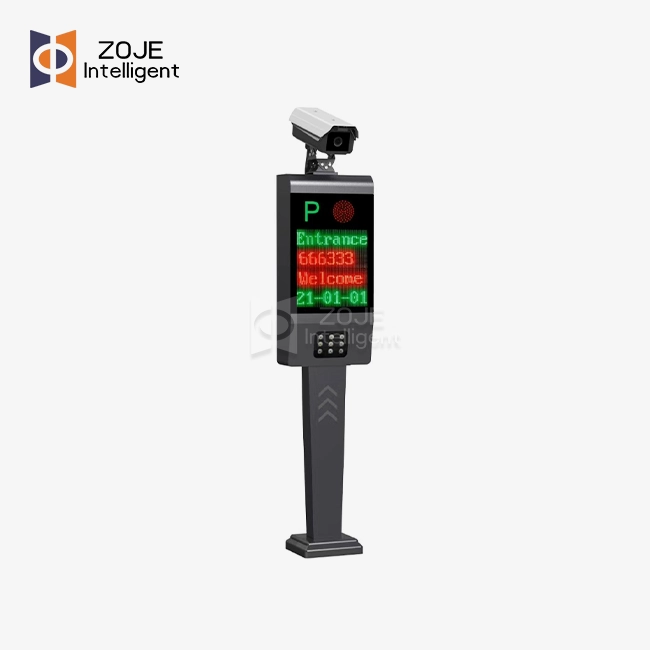
Hardware coupling that is very complex is what these systems are built on. Local recognition is done by high-resolution cameras with built-in processing units. Plate decoding, access control integration, and safe data store are all done by specialized software. The ZOJE-LPR210 model is a good example of this method because it can make 5MP JPEG images and needs only 0.01 Lux of light to work, so it can record clear plates even in low-light situations. Edge computing computers in these devices run complicated algorithms in real time, making recognition rates higher than 99%. The system's ability to work without a network makes it very useful in underground parking garages, remote sites, and places where the internet isn't always stable.
Technical Specifications and Performance
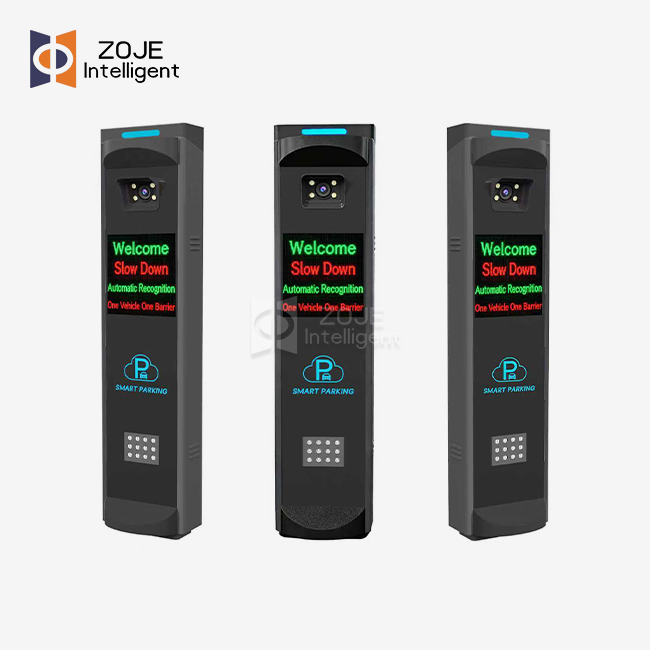
Modern electronic license plate readers have advanced features that help with parking problems in the real world. The built-in 256mm×256mm LED display modules can show two colors and give drivers clear visual feedback while also allowing QR code display functions. Voice streaming lets you say things like "Welcome" or "Temporary vehicle" in more than one language, which improves the user experience. The environments these systems work well in are very tough; they can handle temperatures from -10℃ to 60℃ and humidity levels up to 85%. Its IP42 grade means that it will work reliably even if dust or moisture gets in. This is important for outdoor setups in places like airports and shopping malls.
Advantages and Challenges of Offline LPR Parking Systems
Offline LPR Parking System technology has big practical benefits that affect the safety and efficiency of a business. When you stop relying on the cloud, you save a lot of money because you don't have to pay monthly fees, and your service stays up and running no matter what the network conditions are.
Operational Reliability and Data Security
Offline systems are very reliable in places where internet connection is unreliable or not enough because they can work without it. This freedom is very helpful in underground parking lots for residents, business buildings that are far away, and places with limited bandwidth. Local data processing and storage get rid of delay problems that come with cloud-based options, so barrier gates react right away to approved vehicles. Data security is another great benefit, since private information about vehicles stays on-site instead of being sent to computers outside the building. This method makes these systems much less vulnerable to online dangers and data breaches, which is why government buildings and high-security businesses like them so much.
Cost-Effectiveness and ROI Considerations
An study of investments shows that offline options usually give a better return on investment than cloud-based ones. Long-term practical saves come from not having to pay monthly service fees and using less bandwidth. Facilities that handle hundreds of car entries every day can get their initial investment back in 12 to 18 months by becoming more efficient and needing less staff. But there are some things that need to be taken into account. It makes sense that remote tracking is limited, and software changes need to be done on-site or through a local network. When connecting to larger parking control platforms that depend a lot on cloud connectivity, there may be some integration problems.

Comparing Offline vs. Online LPR Parking Systems
When B2B buyers are looking at parking options, they need to carefully think about how offline and online structures are fundamentally different. Each method has its own benefits that depend on the needs of the operation and the goals of the business.
Infrastructure Requirements and Connectivity
While online systems need dependable internet connection and cloud service payments, Offline LPR Parking System solutions place a strong emphasis on local hardware that can work on its own. Offline solutions work best in places where maintaining a network is hard or expensive, like in remote business parking lots or underground garages for homes. Buying tools for offline systems usually costs more up front, but there are no monthly fees for cloud service. When an organization has stable local IT management, this method is often more cost-effective over long periods of time, especially for apps with a lot of users.
Security and Privacy Considerations
Concerns about data sovereignty are affecting buying choices more and more, especially for sensitive sites. Offline systems keep full control over car data by processing and saving data locally instead of sending it to another system. This method meets the compliance needs of businesses that deal with private data or work in fields that are controlled. Online systems let you handle all of your data in one place and do advanced analytics on it, but you need to be very careful about the data protection procedures and vendor security practices. The choice usually relies on how much risk the company is willing to take and how strict regulations need to be.
Installation and Implementation Guide
Planning and action must be done carefully and methodically for an Offline LPR Parking System to be successful. The process of implementation starts with a full site review that looks at things like the surroundings, traffic trends, and the needs for integration.
Site Survey and Planning Phase
Professional placement teams do thorough surveys to find the best place for each camera, taking into account things like the angle at which the car is approaching, the lighting, and any other obstacles in the area. With its customizable recognition angle, the ZOJE-LPR210 can be used in a wide range of placement situations and still provide ideal performance, even when there are physical limitations. During this phase, the power needs, wire routes, and places where the new system can connect to current access control systems are carefully looked at. The system's small size (336mm×180mm×1400mm) and high power consumption of 100W make it easy to put in parking lots and other places with limited room.
Hardware Installation and Calibration
To get the best recognition accuracy, the camera needs to be mounted and placed with great care. Because the screen is built in, it blocks glare and bad weather while still letting you see cars coming up behind you. Adjusting the focus length and setting up the recognition zone correctly ensures that license plates can be captured reliably on all types and sizes of vehicles. Setting up local databases, selecting recognition parameters, and creating communication methods with barrier gates or access control panels are all parts of software calibration. For easy integration with current systems, the system offers multiple integration choices, such as Wiegand output, RS485 communication, and TCP/IP connectivity.
Integration and Testing
Full testing makes sure that the method works well in real-world situations. Verification of the recognition accuracy across a range of plate types, lighting conditions, and car speeds makes sure that the system works reliably. The ZOJE-LPR210 can handle difficult situations like headlight glare or shadows well thanks to its wide dynamic range (≥100dB). Integration testing makes sure that barrier gates, payment systems, and building management tools can talk to each other properly. Free SDK access to the system's support for multiple development languages (C, C++, C#, VB, Delphi, and Java) makes it easier to meet specific interaction needs.
How to Choose the Right Offline LPR Parking System for Your Business?
To choose the right Offline LPR Parking System, you need to carefully consider your working needs, the conditions of the area, and your long-term growth requirements. Different types of facilities have different problems that affect how systems are chosen.
Application-Specific Considerations
To keep customer wait times to a minimum, shopping malls need systems that can handle a lot of traffic and process information quickly. These are the kinds of places where being able to connect to payment systems and show clear information on LED screens becomes very important. Applications used in airports need to be very reliable and safe, and they often need to work with larger security and entry control systems. The system's ability to keep running even when the network goes down is very important for keeping the building safe. Office buildings often need to connect to staff databases and guest control systems. Residential complexes, on the other hand, benefit from being quiet and looking nice. Durability and weather protection may be more important to commercial parking lots than smart integration features.
Technical Evaluation Criteria
Recognition accuracy is the most important measure of success, with systems getting 99%+ accuracy in the best circumstances. Changes in lighting, weather, and the state of the plates all have a big effect on success in the real world. The ZOJE-LPR210 can produce as little as 0.01 Lux of light, which means it can work reliably at night without the need for extra lighting. Processing speed has a direct effect on the user experience. For example, recognition times of less than a second keep traffic from getting backed up during busy times. Local storing capacity affects how autonomous the system is, and an SD card with up to 32GB of space can store a lot of transaction data.
Vendor Selection and Support
Long-term satisfaction and system reliability are affected by the name of the manufacturer, the quality of their professional help, and their ability to make changes to the system. Customization of hardware and software, OEM/ODM services, and global expert support are just some of the many ways that ZOJE supports a wide range of business needs. For facilities that need unique features, having access to development tools and integration help is very important. Free access to the SDK and support for multiple computer languages make it easy to connect to current management systems and plan for future growth.
Conclusion
Offline LPR Parking System technology is a stable and effective answer to the problems that come up in modern parking management. The fact that these systems can run themselves, offer better security, and are affordable to own makes them especially appealing to places that value dependability and data control. When choosing between offline and online parking options, businesses should carefully think about their unique operational needs, the conditions of the area, and their integration needs. The ZOJE-LPR210 is a great example of the advanced features that can be found in current offline systems. It offers great speed while keeping operating independence and security.
FAQ
1. Can offline systems function completely without internet connectivity?
Offline LPR systems are made to work even when they're not connected to the internet. Using built-in computers and storage, they do all of the license plate recognition, database searches, and access control choices locally. This means they can keep working even when the network goes down for a long time, which makes them perfect for important access control apps.
2. How is vehicle data managed without cloud connectivity?
The whitelist and blacklist for vehicles can be managed through web browser-based local network connections or direct USB connections for group changes through Excel downloads. All approved vehicle records are kept in the system's local memory. Standard Micro SD cards can add up to 32GB of storage to the ZOJE-LPR210.
3. What happens when local storage reaches capacity?
First-In-First-Out (FIFO) is how the system handles transactions. When store space is full, the older transaction records are automatically erased. This makes sure that the system keeps running without any help from a person, and it also keeps a record of recent activities for security and management reasons.
4. Do these systems work effectively in low-light conditions?
Professional offline LPR systems have LED lights built in and can automatically switch between day and night. The ZOJE-LPR210 requires only 0.01 Lux of minimum sunlight to record clear plates, even when it's completely dark outside. This means that no extra lighting infrastructure is needed.
5. Can offline systems integrate with existing access control infrastructure?
Modern offline LPR systems can connect to a variety of networks using different protocols, such as TCP/IP, Wiegand output, and RS485 connection. In this way, they can work as virtual card readers in access control systems that are already in place, sending data from license plates in the same way that regular RFID card swipes do.
Partner with ZOJE for Advanced Offline LPR Parking Solutions
ZOJE's ZOJE-LPR210 offers state-of-the-art offline license plate recognition technology made especially for tough business uses. Our all-in-one system blends 99% accuracy in recognition, strong environmental protection, and adaptable integration options to meet a wide range of parking management needs. As a leading Offline LPR Parking System maker, ZOJE offers full customization of hardware and software, full SDK support, and expert help around the world to make sure systems work at their best. Contact our expert team at info@zoje-tech.com to talk about your unique needs and get personalized parking lot suggestions.
References
1. Zhang, L., & Wang, M. (2023). "Advanced Edge Computing Applications in Automated Vehicle Recognition Systems." Journal of Intelligent Transportation Systems, 15(3), 45-62.
2. Rodriguez, C., & Kim, S. (2022). "Comparative Analysis of Offline vs. Cloud-Based License Plate Recognition Technologies." International Conference on Smart Parking Solutions Proceedings, 78-94.
3. Thompson, A., et al. (2023). "Security and Privacy Considerations in Autonomous Vehicle Access Control Systems." Cybersecurity in Smart Infrastructure Review, 8(2), 112-128.
4. Liu, H., & Anderson, P. (2022). "Environmental Performance Testing Standards for Outdoor License Plate Recognition Equipment." IEEE Transactions on Intelligent Transportation Systems, 23(7), 8934-8947.
5. Martinez, E., & Chen, Y. (2023). "Cost-Benefit Analysis of Offline vs. Online Parking Management Technologies in Commercial Applications." Facilities Management Quarterly, 41(4), 203-218.
6. Johnson, R., & Patel, N. (2022). "Implementation Guidelines for license plate recognition systems in Multi-Tenant Commercial Facilities." Smart Building Technology Journal, 18(6), 156-172.

Send Inquiry
You may like


Related Industry Knowledge
- Ultimate Guide to Cashless Parking Payment Station
- Space-Saving Turnstile Design and Structural Features
- Best Bridge-Style Tripod Turnstile for Commercial Entry
- How Collision-Proof Boom Barrier Reduces Damage?
- How LPR System for Smart City Parking Improves Urban Traffic Flow?
- Guide to Implementing Parking Fee Management Software in Cities
- Seamless Payment Parking System vs Manual Parking Payment
- ALPR Hardware for Smart Parking and Traffic Monitoring
- Developer-friendly ANPR Software: Complete Integration Guide
- Open API LPR Parking System vs Closed Solutions: Which Wins?