
What Is Vehicle Loop Detector for Parking Management System and How It Works
2026-07-10
A vehicle loop detector for parking management system is an inductive sensor technology that identifies metallic vehicles through electromagnetic field changes. This system consists of a detector unit and an insulated wire loop embedded within pavement saw-cuts. When a vehicle enters the detection zone, its metal chassis alters the loop's inductance, triggering a signal processed by the management system to control barriers, dispensers, and access gates with exceptional accuracy under all weather conditions.
Understanding Vehicle Loop Detectors: Definition and Core Technology
Vehicle recognition is important for parking spots in airports, shopping malls, apartment complexes, office buildings, and business lots. The most reliable way to work in these conditions has been shown to be through magnetic loop sensing technology.
The Science Behind Inductive Loop Detection
Electromagnetic induction is at the heart of it. A loop of insulated wire buried in the ground is linked to a sensing unit that makes a steady oscillating frequency. The metal mass changes the loop's inductance when a car drives over or stops in the monitoring zone. This change tells the detector unit to send control messages to things that are linked, like access control systems, barrier gates, or ticket machines.
Unlike optical sensors, which have trouble in full sunlight, rain, or fog, inductive sensing works the same way no matter what the weather is like. Because they work in all kinds of weather, loop detectors are great for outdoor parking lots where dependability can't be compromised.
Key Components of Loop Detection Systems
The design of the system is made up of three main parts that work together. The wire loop is made of long-lasting XLPE-insulated cable that doesn't rust or break down when it comes into contact with concrete. The detector unit has high-tech electronics that can precisely track changes in inductance down to 0.01% sensitivity levels. Integration links let the monitor talk to larger parking management systems, which lets control and data collection to run automatically.
In this area of technology, the ZOJE-LD132 is a great example of industrial-grade building. Its auto-tuning feature gets rid of the need for human testing, so installation teams can quickly set up systems without needing to know a lot about technology. The two relay outputs let you handle two or more devices at the same time, which makes it useful for complicated entry-exit situations that happen a lot in parking garages with multiple levels.
Step-by-Step Vehicle Loop Detector Installation and Calibration Guide
The long-term dependability and accuracy of the system depend on how well it was installed. To effectively handle projects and assess vendor proposals, procurement managers and facility teams need to know how installations work.
Site Assessment and Preparation
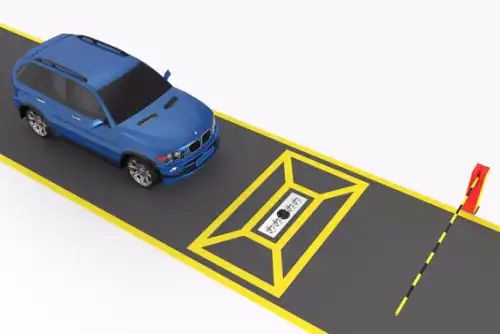
The first step in evaluating a site is to look at how traffic moves and find the best places to put detectors. A Vehicle Loop Detector for Parking Management System needs to be installed properly in front of ticket machines at entry lanes so that the machines only work when cars are present. For safety reasons, barrier gate sites need loops in presence mode right under the boom arm to keep vehicles from hitting them by mistake. Dual-loop designs help exit lanes by determining car direction and stopping drivers from following too closely.
It's important to check the state of the pavement. When it comes to loop embedment, concrete surfaces are usually more stable than asphalt, but both materials work well as long as the right installation methods are used. The assembly team needs core-cutting tools that can make slots that are about 5 to 8 mm wide and 30 to 50 mm deep, based on the wire gauge.
Loop Embedding and Wiring Process
The saw hole is cut into a rectangular or diagonal shape, depending on the needs of the monitoring zone. This is the first step in installing the wire loop. Normal loop sizes range from 2m x 2m for cars with passengers to bigger shapes for truck entry points. The wire is put into the slot with special tools, and the corner bent radius is carefully watched to make sure that the insulation doesn't get damaged.
Lead-in wires link the integrated loop to the detector unit. These cables need to be protected from damage from traffic or the environment by conduit. If you properly seal the slot with bendable glue, water won't be able to get in and damage the loop over time.
Calibration and Fine-Tuning
Modern detectors, like the ZOJE-LD132, have auto-tuning that changes loop settings as soon as the device is turned on. Within seconds, the system sets a standard working frequency and measures the inductance. Adjusting the sensitivity lets you make it fit the type of vehicle, from bikes, which need a higher sensitivity, to big trucks, which need a lower sensitivity to avoid false triggers from lanes next to them.
The advanced Signal Boost mode makes it more likely that high-bed cars and trailers will be detected. This feature raises the sensitivity immediately when the first detection is made. This way, the system stays aware of the vehicle's position even if the chassis is higher above the loop plane. LED diagnostic signs show the state of the system, loop conditions, and detect events in real time, so you can quickly fix problems without needing any special test tools.
Comparing Vehicle Loop Detectors with Alternative Vehicle Detection Technologies
When making B2B purchasing choices, it's important to know how the different detection systems stack up in terms of important performance metrics. This study helps facility managers choose options that meet their needs and stay within their budget.
Accuracy and Environmental Reliability
Inductive loop detectors can find vehicles with a detection rate of over 99.9% in all kinds of weather and car types. Extreme temperatures, rain, snow, and fog don't have much of an effect on the basic ideas behind electromagnetic induction. With infrared cameras, on the other hand, performance is worse when it rains or when glasses get dirty and wet. Radar devices work well in all kinds of weather, but they might have trouble classifying vehicles and can get messed up by metal buildings nearby.
The electric field that loop devices create works no matter what the lighting conditions are outside. Parking lots in shopping malls that go from indoor to outdoor areas benefit from this stability the most, since optical sensors often need to be re-calibrated when the lighting changes from day to night.
Installation Complexity and Infrastructure Integration
When installing a loop detector, you have to cut through pavement and work with concrete, which means that the original labor costs are higher than when putting an overhead sensor. But this integrated location keeps the equipment safe from theft and hits from vehicles, which can damage sensors that are above ground. The investment in infrastructure pays off because it lasts longer and needs less upkeep, often for more than 10 to 15 years.
Wireless loop detectors have become popular as an option to wired systems. They send detection signals with receivers that are driven by batteries. Wireless setups lower the cost of wires, but they need to be maintained with batteries and can cause signal interference problems. Wired systems like the ZOJE-LD132 are very reliable and don't need to be replaced as batteries do. This makes them better for business settings with a lot of traffic, where downtime costs a lot.
Cost-Effectiveness Over System Lifecycle
Depending on the features and quality level, the initial cost of inductive devices can be anywhere from modest to high. Industrial-grade performance is available with the ZOJE-LD132, which comes with a two-year warranty and expert help that is available 24 hours a day, seven days a week. When you look at the total cost of ownership, sensors that don't need to be replaced or recalibrated often give you a better return on your investment because they last longer, need less upkeep, and work the same way every time.
Benefits and Use Cases of Vehicle Loop Detectors in Parking Management Systems
The usefulness of magnetic sensing in parking operations is shown by its use in real life in a variety of building types. A Vehicle Loop Detector for Parking Management System helps enhance these benefits by improving vehicle detection accuracy and operational efficiency. These advantages directly lead to a better experience for users, higher safety standards, and lower running costs.
Enhanced Safety and Access Control
Barrier gate workers are very worried about the safety of their gates. When boom arms hit cars and cause insurance claims and bad customer experiences, the company is exposed to a lot of risk. Putting presence mode loop detectors under the barrier arms makes it impossible for anyone to close the gate while any part of a car is still in the detection zone. This safety layer works separately from the code that controls the barrier and is designed to prevent crushing.
To stop unauthorized access, closed loops are placed after entry points. As soon as a car moves past the first detection zone, the device starts to look for attempts to tailgate. If a second car comes in before the first one is fully out, the system can sound an alarm or take a picture as proof for security review.
Optimized Traffic Flow and Throughput
Loop recognition and automated ticket dispensers stop equipment from cycling when no cars are present, which increases the life of mechanical parts. The detector tells the ticket machine to only show a ticket when a vehicle enters the loop. It then checks when the vehicle leaves so that the loop can start over for the next transaction. This teamwork cuts down on the average time it takes to complete a transaction and speeds up traffic during busy times.
Accurately counting the number of people in a room rests on using dual-loop setups for direction recognition. When Loop A and Loop B are placed one after the other, the direction of the car is determined by which sensor fires first. When someone enters or leaves, the occupancy count goes up or down. This information is sent in real time to parking guide systems, which show where open spots are all over the building. This feature is especially useful in airports and shopping mall parking lots, where quickly finding a spot makes customers happier.
Scalable Deployment Across Facility Sizes
Single-lane devices with simple detection needs can be used in small home parking lots. Multi-lane designs with frequency adjustment tools that stop crosstalk between neighboring detectors are useful for medium-sized office parking lots. Large businesses, like airport parking garages, can set up dozens of tracking zones that are linked together to form full management platforms that allow for unified control and monitoring.
Multiple detectors can work close to each other without interference because the ZOJE-LD132's frequency can be changed. Facility managers can choose from different frequency ranges for each lane. This makes sure that the system works reliably even in crowded installation areas where many monitoring zones are running at the same time.
Industry-Proven Performance
Leading companies that put together parking systems always choose inductive loop recognition for mission-critical uses. The specifics of each case study application may be different, but the main benefit stays the same: unmatched dependability in tough operating conditions. Facilities that deal with thousands of cars every day need recognition technology that works perfectly without constant repair. Because they are so reliable, inductive loop systems are still the most common way to put parking meters in businesses, even though newer sensor technologies are coming out.
Purchasing and Procurement Guide for Vehicle Loop Detectors
When looking at detection options, procurement teams should think about a number of important factors that affect both the short-term success of the project and the long-term happiness of operations. This advice helps buyers make good decisions about technical specs and how to choose a seller.
Essential Selection Criteria
Specifications for detection accuracy show what the machine can do in the real world. A Vehicle Loop Detector for Parking Management System should offer sensitivity adjustment ranges that work with a variety of vehicles, from bikes to industrial cars. Response time specs tell you how fast the system responds to changes in inductance. A faster response time lets more traffic flow through the system.
The environmental working range shows how long the tools will last. High-quality monitors work regularly in temperatures ranging from -40°C to +85°C, so they will work in both cold winters and hot summers. Surge protection features keep your equipment safe from power spikes that can happen in outdoor setups. Proper lightning protection also makes equipment last a lot longer.
Concerns about compatibility include making sure that the output specs of the relays match those of the block gates and access control equipment. Dual-relay outputs give you operational freedom in complicated situations where you need to handle multiple devices at the same time. Communication links let parking management software systems connect and log data, as well as allow tracking from afar.
Evaluating Manufacturers and Product Offerings
Since 2012, ZOJE Intelligence Technology has been making parking detection systems and has gained a lot of knowledge through installations around the world. The company's ISO 9001:2015 certification shows that it is dedicated to quality management systems, and its many technical patents show that it is constantly investing in new ideas. Standard versions of products ship within 5 to 7 days, while unique solutions can be made in 10 to 15 days to meet specific needs.
The ZOJE-LD132 type has auto-tuning technology that gets rid of the need for human calibration. This cuts down on installation time and the level of technical knowledge needed. The ASB detecting mode makes sure that high-bed trucks and trailers can be reliably found, which could be hard for simpler detector designs. LED diagnostic signs show the state of a system right away without the need for test tools. This makes fixing and maintenance easier.
Pricing Structures and Support Services
The cost of the equipment is only one part of the total project expense. The cost of installation services depends on the conditions of the place. For example, cutting concrete and inserting loops need special tools and skilled workers. For multi-site deployments or big sites that need a lot of detection zones, volume buy agreements can save you a lot of money per unit.
Professional-grade sources are different from commodity sellers because they offer warranties and expert help. ZOJE offers a two-year guarantee and 24/7 global technology support to make sure that customers can get help when they run into problems. ZOJE's technical team meets customers once a year to show that they are committed to long-term partnerships instead of short-term vendor relationships. These trips give customers a chance to talk about system performance and plan for future growth. People who want to buy a reliable Vehicle Loop Detector for Parking Management System should give more weight to sellers who can make the product fit specific needs. Customization choices for both hardware and software make sure that solutions fit the needs of each facility perfectly, instead of having to make compromises with off-the-shelf goods.
Conclusion
For business, public, and private buildings, reliable parking control is still based on inductive loop detection technology. A Vehicle Loop Detector for Parking Management System is the best choice for hard tasks because it works in any weather, provides high accuracy, and has been proven to deliver long-lasting performance. Procurement teams can choose options that offer the best performance and value by comparing different technologies, understanding installation requirements, and evaluating supplier capabilities. Professional parking lots need advanced features and industrial-grade quality, like the ZOJE-LD132, so they can provide constant, trouble-free service for a long time.
FAQ
1. How often should loop detectors be calibrated to maintain accuracy?
Modern auto-tuning devices, like the ZOJE-LD132, adjust themselves when they are turned on, so they don't need to be calibrated by hand all the time. If the pavement needs to be fixed or there is damage to a loop wire, the system may need to be recalibrated. However, if it is put correctly, it will stay accurate for years without any adjustments. The auto-tuning tool checks for changes in loop inductance and makes the necessary adjustments automatically, making sure that the system always works at its best.
2. Can loop detectors operate reliably in extreme weather conditions?
Inductive sensing uses electric principles that don't change when it rains, gets cold, or is hard to see. The ZOJE-LD132 works in temperatures ranging from -40°C to +85°C, which means it can be used in almost all climate zones around the world. As long as the embedded loop stays together, snow, ice, rain, and floods don't affect the ability to identify. Because they don't get affected by weather, loop detectors are better than visual sensors, which do get affected by external noise. This makes them perfect for outdoor parking lots anywhere in the world.
3. What troubleshooting steps address common loop detector issues?
LED troubleshooting signs show right away what's wrong with the machine. Continuous lighting usually means that everything is working right, while flashing patterns let you know about specific problems, like not having a loop joined or a loop short circuit. The first thing to do when there is a problem is to check the physical stability of the loop. Damage to the ground can cut wires. Most problems can be fixed quickly by checking the links of the lead-in cables and making sure the detector unit has the right power source. The ZOJE technical support team is available 24 hours a day, seven days a week, to help with difficult diagnostic situations. They have a lot of paperwork and can do testing remotely, which keeps downtime to a minimum.
Partner with ZOJE for Advanced Parking Detection Solutions
ZOJE Intelligence Technology makes loop detection systems that are industrial-grade and designed for tough business applications. As a reliable Vehicle Loop Detector for Parking Management System supplier, ZOJE provides the ZOJE-LD132 car loop detector with an auto-tuning feature that makes it easy to use, two relays that offer flexible operation options, and an accurate ASB detection mode. It also comes with a two-year guarantee and a global technical support network. Our team offers comprehensive installation guidance, customization options to meet specific requirements, and ongoing maintenance support to ensure that systems operate at their best throughout their entire service life.
ZOJE recognition technology is trusted by shopping malls, airports, apartment complexes, office buildings, and business parking lot owners to improve safety, speed up traffic, and lower costs. Standard goods are sent out within 5 to 7 days, and our skilled engineering team can make solutions just for you in 10 to 15 days. Please email our team at info@zoje-tech.com to talk about your facility's needs and find out how ZOJE detection solutions can improve your parking operations with tested, dependable technology made for professional setups.
References
1. Smith, J. & Anderson, R. (2021). Inductive Loop Detection Systems: Principles and Applications in Traffic Management. Transportation Technology Press.
2. National Parking Association. (2020). Best Practices for Vehicle Detection in Automated Parking Facilities. NPA Technical Standards Committee.
3. Chen, L. (2019). Electromagnetic Sensing Technologies for Smart City Infrastructure. International Journal of Intelligent Transportation Systems, Vol. 17, Issue 3.
4. Wilson, M. (2022). Comparative Analysis of Vehicle Detection Technologies for Parking Management. Parking Industry Research Quarterly.
5. International Organization for Standardization. (2018). ISO 9001:2015 Quality Management Systems in Parking Equipment Manufacturing. ISO Standards Publication.
6. Roberts, K. & Martinez, D. (2020). Life Cycle Cost Analysis of Parking Detection Technologies. Journal of Facility Management and Operations, Vol. 8, Issue 2.

Send Inquiry
You may like

Related Industry Knowledge
- How to improve the detection accuracy of Vehicle Loop Detector for Gate?
- Parking Exit Card and Ticket Validation Machine Features You Should Know Before Buying
- How to Choose Parking Guide Configuration Tool for Large Parking Projects
- How barrier radar sensors prevent injury accidents?
- Tempered Glass Full-Height Turnstile Materials & Safety
- Best Space-Saving Turnstile for Small Entrances
- Best Collision-Proof FlapTurnstile for High Traffic
- Uses of Efficient Parking Solutions for Urban Mobility
- What Is an Open API LPR Parking System for Smart Parking?
- How to Deploy an Internet-Free Parking Management System?