
Why License Plate Recognition Is Trending in 2026?
2026-04-24
In 2026, license plate recognition technology is growing at a speed that has never been seen before. This is because more and more shopping stores, airports, apartment complexes, office buildings, and business parking lots need automatic parking solutions. Operators can now handle thousands of cars every day with little help from people thanks to advanced Large-Scale Parking LPR Server systems. This makes security, operational efficiency, and cost management much better. As AI, cloud computing, and IoT connections have come together, license plate recognition has gone from being a niche security tool to an essential part of modern parking control infrastructure.
The Paradigm Shift: Why LPR Technology Is Becoming Essential in 2026?
The Limitations of Traditional Parking Management
Manual parking systems slow vehicle processing during peak hours, causing queues and security gaps. Staff limitations increase operational costs, especially in busy malls, airports, and residential communities needing 24/7 access control. Traditional methods struggle with vehicle verification and unauthorized entry management.
Automation Through Advanced Recognition Technology
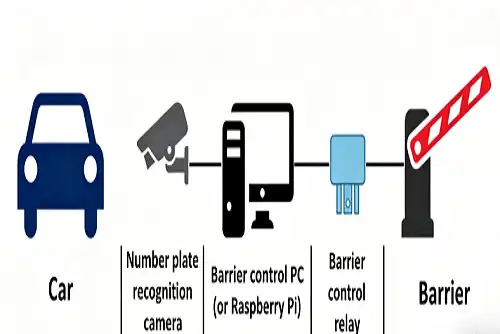
Modern license plate recognition systems automate vehicle processing. Cameras capture plates, algorithms extract data, and automatic gates open for authorized vehicles. Processing time drops from minutes to seconds, improving user experience and cutting labor costs by up to 70% in high-traffic facilities.
IoT-Enabled Infrastructure and Data-Driven Decision Making
Integrating IoT sensors with LPR systems creates smart parking environments. Real-time occupancy and centralized data allow dynamic pricing and capacity forecasting. Cloud-connected Large-Scale Parking LPR Servers manage multiple sites, offering dashboards with traffic, revenue, and security insights, making automated car recognition essential for modern facilities.
Understanding Large-Scale Parking LPR Servers: Features and Benefits
Core System Architecture
Large-Scale Parking LPR Servers process automatic vehicle recognition in extensive facilities. High-resolution cameras capture plates in various lighting conditions. Servers use deep learning to extract data and maintain centralized databases of vehicle records, entry permits, billing info, and history, enabling instant cross-referencing during entry and exit.
Recognition Accuracy and Environmental Adaptability
Accuracy is critical. High-end systems like ZOJE-LPR216 achieve 99% even at 40 km/h. Advanced image processing corrects glare, backlight, rain, snow, and wide-angle distortions. Environmental resilience ensures consistent performance in outdoor lots, airport garages, or multi-level facilities with challenging lighting.
Integration Capabilities and Operational Benefits
Enterprise LPR Servers integrate with gates, payment booths, LED displays, and apps. Cloud management updates settings, whitelists, and alerts remotely. Benefits include smoother traffic flow, enhanced security via automated blacklist checks, lower labor costs, and reduced fraud or misuse, improving operational efficiency and revenue protection.
Comparing Large-Scale vs. Small-Scale Parking LPR Servers: Which One Fits Your Needs?
Capacity and Performance Specifications
Small systems handle up to 500 daily transactions, suitable for small offices. Large-Scale Parking LPR Servers manage thousands of simultaneous events at multiple entries, maintaining sub-second response times during high traffic, ideal for malls or airports with thousands of spaces.
Multi-Site Management and Analytics Depth
Large-scale systems centralize data across multiple facilities, enabling usage, revenue, and efficiency insights. Predictive analytics forecast capacity for events or seasonal changes. Commercial property managers benefit from asset optimization and strategic planning unavailable with small-scale systems.
Cost Analysis and Deployment Models
Budgeting should consider total cost of ownership. Small systems have lower upfront costs but may need expensive upgrades. Large-scale servers require higher initial investment but scale easily. Cloud deployments convert capital expenses into predictable subscription costs. Hybrid models balance real-time processing, security, and cloud analytics.
Procurement Guide: How to Choose and Buy the Right Large-Scale Parking LPR Server?
Defining Operational Parameters
Assess daily traffic and peak surge needs. Hardware choices depend on lane width, lighting, and weather. Integration must support payment systems, access control, and building management. Multi-use facilities like malls, airports, or residential sites require tailored setups to match specific operational requirements.
Vendor Evaluation Criteria
Check recognition accuracy in various conditions, including night and adverse weather. Evaluate uptime, 24/7 technical support, warranty coverage, and multi-language availability. Flexible solutions with customizable algorithms, scalable cameras, and API access reduce vendor lock-in and ensure long-term adaptability.
Installation and Maintenance Considerations
Professional installation maximizes camera coverage and reliable network data transfer. Preventive maintenance like lens cleaning and system checks extends service life. Proximity of vendor service networks and annual site visits, as practiced by ZOJE, support ongoing system optimization and long-term operational improvements.
Data Security and Scalability in Large-Scale Parking LPR Servers
Regulatory Compliance and Privacy Protection
License plate readers handle personal data, requiring GDPR compliance, clear retention rules, and user consent. U.S. facilities face varied state privacy laws. Encryption, multi-factor authentication, and role-based access protect data. Cloud systems should meet ISO 27001. Sensitive sectors, like airports and healthcare, must follow TSA or HIPAA standards.
Scalability Architecture and Future-Proofing
Modular hardware allows adding cameras without server replacement. Tiered software licensing supports higher traffic. Hybrid cloud setups combine real-time edge recognition with cloud analytics for spikes. ZOJE-LPR216 enables integration with future tech like autonomous parking and EV charging, ensuring long-term growth and vendor innovation tracking.
Real-World Applications Across Key Sectors
Shopping Mall Parking Management
LPR systems optimize retail parking with dynamic pricing, free first hours, and tenant incentives. Automatic recognition prevents ticket scams and manages peak holiday traffic. Integration with POS and tenant systems improves customer flow, increases satisfaction, and encourages repeat visits, outperforming manual ticketing during high-demand periods.
Airport Parking Operations
Automated LPR handles nonstop vehicle flow at speeds up to 30 km/h. Integration with airline systems supports pre-booked parking, loyalty recognition, and automatic billing. Vehicle logo recognition differentiates fleets from private cars, allowing accurate routing and dynamic pricing, ensuring reliable operations during peak travel times.
Residential and Office Access Control
Authorized vehicles trigger automatic gates through the Large-Scale Parking LPR Server, while unrecognized cars generate alerts for security, ensuring smooth access control and real-time monitoring across the facility. Visitor apps provide temporary, time-limited access. LPR data enables fair cost-sharing for multi-tenant offices. Eliminating physical passes reduces fraud and routine work. Audit trails record all movements for security investigations and property damage claims.
ZOJE-LPR216: Engineering Excellence for Commercial Projects
Product Specifications and Technical Capabilities
The ZOJE-LPR216, developed since 2012, supports 99% of global license plates. Front-end recognition reduces network delays and ensures offline operation. It identifies over 150 car brands and 1,500 models, enabling classification-based parking rules, spot size limits, and variable pricing. Scalable design suits airports, business sites, and complex parking environments.
Here are the core advantages that position the ZOJE-LPR216 as an optimal choice for high-demand commercial environments:
- Front-end recognition accelerates processing speed and lowers infrastructure costs by getting rid of specialized back-end servers. Network delays or brief offline conditions don't affect how vehicles enter or leave the system.
- Exceptional scalability through extensive customization support lets you build features that are specific to your building and give other developers access to your work. This lets you connect to other management systems or new smart building platforms.
- Non-stop traffic flow maintains optimal throughput as vehicles move through entry points without slowing down. This greatly improves driver happiness while also increasing hourly capacity at limited urban facilities where the cost of real estate makes every minute of congestion expensive.
- Minimal maintenance requirements and low troubleshooting demands lower ongoing operating cost. Ruggedized outdoor-rated parts can withstand harsh weather, and solid-state design gets rid of mechanical failure points that are common in barrier-based systems.
- Substantial labor cost savings simplify facility management as automated recognition removes the need for multiple full-time workers per parking structure for tasks like handing out tickets, collecting payments, and handling exceptions by hand. This saves a lot of money on labor costs and makes facility management easier.
- High-speed recognition accommodates vehicles traveling up to 40 kilometers per hour without stopping, and it supports fast lanes where pre-registered cars can skip the whole payment process for special parking programs that are based on subscriptions.
- Wide 70-degree recognition angle adapts to challenging facility geometries including short-depth entry plazas, approach roads that go in more than one direction, and retrofit installs where the placement of cameras is limited by existing building parts.
- Ultra-wide dynamic image optimization adjusts capture parameters in real-time to account for backlighting at sunrise and sunset, uneven lighting on the front and back plates, and worse visibility during rain or snow events.
- Cloud system integration and mobile payment support create fully digital parking experiences where drivers can book spots using smartphone apps, get real-time information on available spaces, and pay without touching anything.
These technological benefits directly help parking lot managers with problems they face every day. The ZOJE-LPR216 is great for demanding applications where system reliability directly affects income and customer happiness because it is accurate at recognizing objects, can work in a variety of environments, and can be easily integrated.
Customization and Global Support Infrastructure
ZOJE’s ISO 9001:2015-certified production ensures consistent quality and customizable hardware/software for unique facilities. OEM/ODM options enable branded solutions. Fast shipping, 24/7 global support, two-year warranty, installation guidance, and annual customer visits maintain long-term system performance and adaptability.
Conclusion
In 2026, license plate recognition technology has gone from being a trial security tool to being an essential part of parking infrastructure. Adoption is driven by the need to cut costs, improve security, and make the customer experience better. These goals apply to all kinds of facilities, from shopping malls and airport hubs to corporate campuses and shopping centers. Large-Scale Parking LPR Server systems offer real benefits such as reduced labor costs, increased throughput, and protected income that can't be matched by manual methods. To make sure that investments keep giving value as practical needs change, strategic procurement needs to carefully look at things like recognition accuracy, scalability design, and vendor support capabilities. Companies that use automated car recognition are in a good position to benefit from the larger smart infrastructure change that is changing how people move around cities and how property is managed.
FAQ
1. What factors influence recognition accuracy in large-scale parking applications?
Cameras need ≥2MP sensors and quality lenses for clear plate capture. Dynamic exposure, waterproofing, and advanced image processing help maintain recognition accuracy under varied lighting, weather, and damaged or dirty plates.
2. Can existing parking facilities retrofit license plate recognition systems without major renovation?
When done in a planned way, retrofit setups usually work out well. Installing cameras on high gantries or side-mounted poles doesn't require any structural changes to the entry lanes that are already there. Power and network facilities often need to be improved. For example, cameras need to be able to connect to power and data networks and communicate with central computers, which could mean installing conduit or a wireless bridge. Middleware software acts as a bridge between recognition platforms and the methods used by older equipment so that legacy payment systems can work together. Barrier gate controls can receive external trigger signals from Large-Scale Parking LPR Server. This lets the gates open automatically without having to replace any mechanical parts. With phased implementation, the system can be rolled out slowly at several entry points, so there is less impact to operations and the system can be tested for performance before it is fully deployed.
3. How do cloud-based and on-premise deployments compare for parking operations?
By getting rid of on-site computer hardware, cloud applications reduce the amount of money that needs to be spent on equipment up front. This is done by turning capital costs into predictable monthly subscriptions. Automatic software fixes and updates make IT care easier while still giving users access to the newest features. As traffic grows, cloud services can be added on demand, giving you almost endless scalability. There are worries about how dependent we are on the internet—short-term outages could stop activities if edge computing doesn't handle real-time recognition. For businesses that need to protect their data, on-premise solutions are a good choice because they give full control over the data and don't require ongoing membership fees. More and more, hybrid models offer the best balance: local edge processing keeps operations running, and cloud analytics give businesses information.
Transform Your Parking Operations with Proven LPR Technology from a Leading Manufacturer
ZOJE is ready to work with business parking lots, shopping malls, airports, apartment complexes, and office buildings that need reliable automation solutions. Our ZOJE-LPR216 Large-Scale Parking LPR Server has 99% recognition precision and is backed by over ten years of engineering experience and quality standards that are ISO 9001:2015 approved. We allow full customization to meet the needs of each project while keeping launch times short—standard setups ship within a week, and custom solutions usually arrive within 15 days. Global technical help is available 24 hours a day, seven days a week, making sure that your parking activities don't stop. Email our team at info@zoje-tech.com to talk about your facility's needs, get more information, or set up a trial.
References
1. Anderson, M. & Thompson, R. (2025). Automated Parking Systems: Technology Integration and Operational Efficiency. International Journal of Smart Infrastructure, 18(3), 234-251.
2. Chen, L., Rodriguez, P., & Kim, S. (2025). License Plate Recognition Accuracy in Complex Environmental Conditions: A Comparative Study. Journal of Computer Vision Applications, 42(7), 891-908.
3. Global Parking Technology Association. (2025). 2026 Industry Outlook: Trends Shaping Commercial Parking Management. Annual Market Analysis Report, Chicago.
4. Martinez, J. & Walsh, K. (2024). Data Security and Privacy Compliance in Automated Vehicle Recognition Systems. Cybersecurity in Smart Cities Quarterly, 11(4), 156-173.
5. National Parking Association. (2025). Cost-Benefit Analysis of Automated Entry Systems for Multi-Level Parking Structures. Washington: NPA Research Foundation.
6. Williams, D., Patel, A., & Zhao, Y. (2025). Scalability Considerations for Enterprise Parking Management Platforms. Facilities Management Technology Review, 29(2), 67-84.

Send Inquiry
You may like



Related Industry Knowledge
- What Is Folding Arm Barrier Gate? Structure & Uses
- How Collision-Proof Boom Barrier Reduces Damage?
- Best Unattended Full-Height Turnstile for High Security
- Is Unattended Access Control Turnstile Reliable?
- How Collision-Proof FlapTurnstile Extends Lifespan?
- What Is License Plate Recognition and How It Works in 2026?
- Why License Plate Recognition Is Trending in 2026?
- License Plate Recognition in Parking Management Systems
- What Is an Offline LPR Parking System?
- Compliance Parking Management Solution for Smart Cities