
How to Build an Open-Platform Parking Management System?
2026-03-26
To make an Open-Platform Parking Management System that works in a variety of parking situations, you need to carefully plan your steps, choose the right hardware, and make sure that the software works with it without any problems. Traditional proprietary systems force you to use parts made by a single vendor. Open-platform solutions, on the other hand, use common APIs, cloud computing, and Internet of Things (IoT) technologies to let hardware and software from different companies work together. With this method, shopping malls, airports, apartment complexes, office buildings, and business parking operators can tailor their systems to their specific needs while still being able to update or change parts of the system without having to redo the whole thing.
Understanding Open-Platform Parking Management Systems
What Makes a System "Open-Platform"
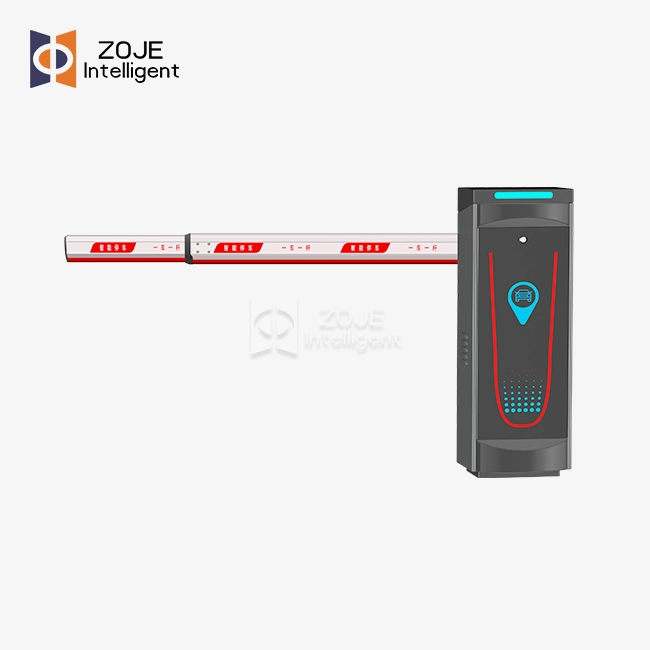
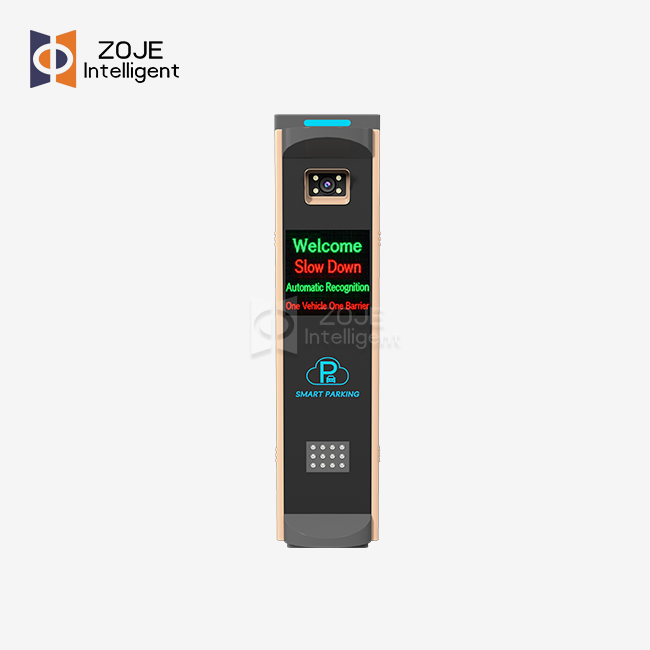
These days, parking control software doesn't use closed, proprietary designs that make it hard to change how things work. Standardized communication methods, RESTful APIs, and cloud-based architectures make it possible for different parts of an open-platform system to talk to each other without any problems, no matter what maker made them. Modular hardware parts from different companies can be mixed and matched in these systems. Some examples of this kind of hardware are license plate recognition cameras, entry control barriers, payment stations, and sensor networks. An important benefit is that the system can work with current systems and apps from other companies. Shopping malls can link their parking systems directly to programs that reward regular customers, and airports can connect their parking systems to flight information systems to improve the flow of people. Through interoperability, parking goes from being a separate location to being an integral part of larger working environments.
Key Components and Architecture
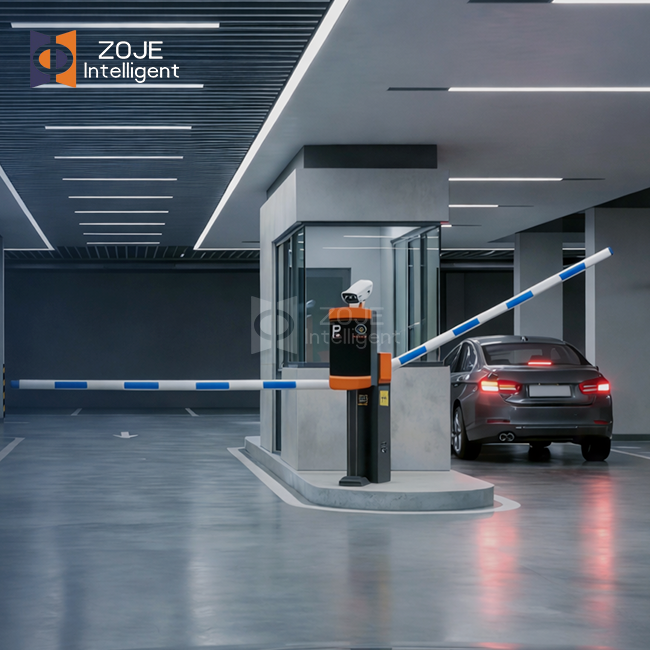
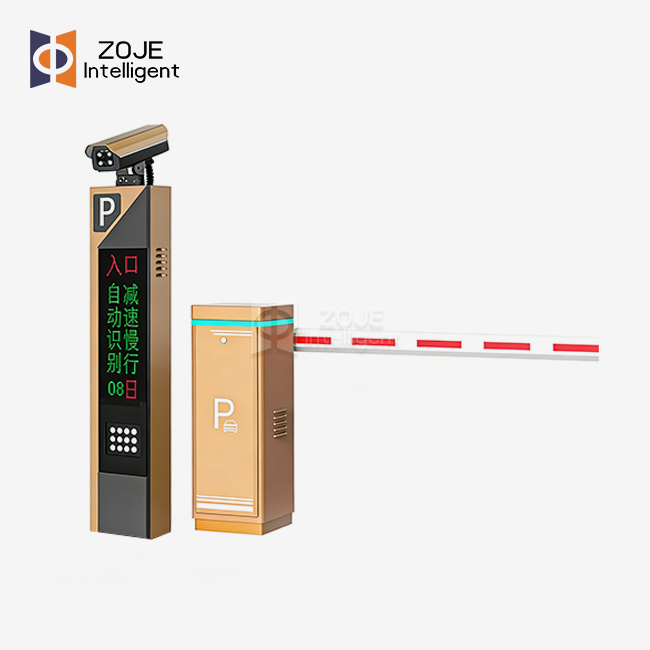
Open-Platform Parking Management Systems are made up of several layers that are all linked to each other and work well together. In the physical layer, there are sensors that find vehicles, cameras that read license plates, barrier gates, and payment booths. The gateway layer is in charge of handling data, managing APIs, and connecting systems. The application layer includes mobile apps and web-based control tools that both operators and customers can use. Connecting to the cloud lets data be synchronized in real time across multiple sites. This lets business parking operators run lots across the country from central command centers. Edge computing is able to keep things running even when the network goes down, so important tasks like controlling access and handling payments can keep happening.
Why Choose an Open-Platform System? Benefits and Advantages
Cost-Efficiency and Investment Protection
When compared to standard closed systems, procurement teams always say that open-platform options save them a lot of money. The community of competing vendors keeps component costs low and avoids vendor lock-in, which can cause upkeep and upgrade costs to rise. Companies can change specific parts without having to completely rebuild the whole system, which makes their parking infrastructure assets last longer. Implementations in the real world show strong measures for return on investment. A big airport operator said that switching from a proprietary system to an open-platform architecture cut operations costs by 35%. This was mostly because upkeep costs were lower and the company didn't have to rely on support contracts from a single provider.
Enhanced Flexibility and Scalability
With open-platform design, parking lot owners can quickly change their systems to meet new business needs without having to make major changes to the system. It's easy for shopping mall owners to add holiday promotions, and as communities grow, apartment buildings can add visitor control modules. This ability to shift is especially useful in cities that are always changing, where parking rules and customer standards change quickly. Because these systems are made up of separate modules, they can be put in place in stages that work with spending cycles and operational goals. Organizations can begin with basic entry control features and then add more advanced ones over time, such as mobile payments, charging ports for electric vehicles, or advanced analytics.
Step-by-Step Guide to Building Your Own Open-Platform Parking Management System
Phase 1: Requirements Analysis and Planning
A good parking management system starts with a thorough needs analysis that takes into account both present operating needs and expected future growth. Teams in charge of buying things have to look at things like traffic patterns, peak usage times, how well the new system will work with current ones, and what features are necessary for their setting. Airports and apartment buildings need different kinds of functions than shopping centers. Controlling employee entry and managing visitors are important for office buildings. On the other hand, business parking lots focus on making the most money and keeping customers from leaving. Interviews with stakeholders, site surveys, and traffic pattern analysis are all part of this analysis phase, which usually lasts between two and four weeks.
Phase 2: Hardware Selection and Integration
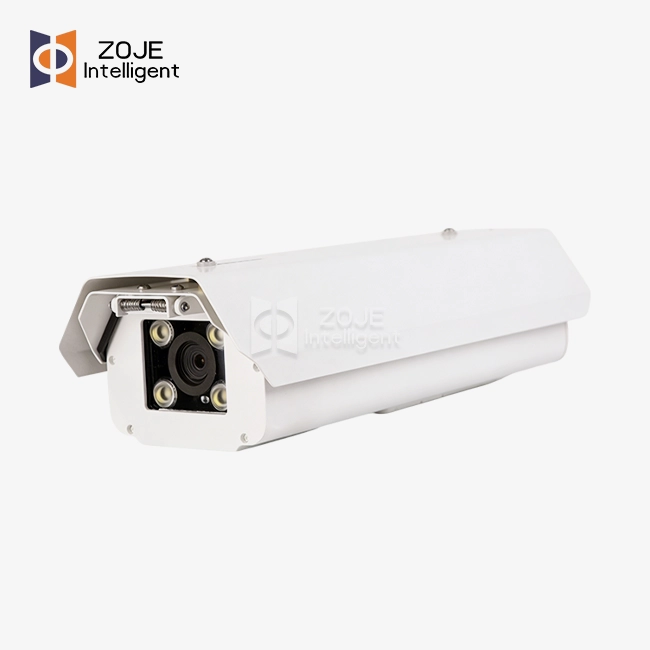
Choosing the right hardware parts is the first step in making a parking system work well. The most important part is the license plate recognition technology, which needs cameras that can find license plates accurately in all kinds of lights and weather. The ZOJE-LPR216 device is a great example of current LPR technology because it can recognize objects 99% of the time and work well outside. Some important hardware things to think about are the camera's sharpness, its working temperature range, and its ability to work with current systems. Systems have to be able to handle cars going up to 40 km/h and still be able to read license plates correctly in a variety of forms. During the merging phase, sensors, cams, and access control equipment are carefully placed to make the system work best and give users the best experience.

Phase 3: Software Architecture and API Integration
Modern Open-Platform Parking Management Systems depend on strong software design that lets them work with other programs without any problems. API development makes it possible to connect to corporate resource planning systems, mobile apps, and payment providers. Cloud-based systems allow for expansion and remote control, which are important for businesses with multiple locations. During this time, security issues like data encryption, user authentication methods, and following privacy laws like GDPR are things that need to be thought about. The design of the software must support both online and offline processes so that it can keep working even when the network goes down. Software development and integration projects usually take between 8 and 12 weeks to complete, but this depends on how much customization is needed.

Evaluating and Selecting the Right Open-Platform Parking Management Vendor
Vendor Assessment Criteria
To choose a good vendor, you need to look at a lot of things, like their technical skills, help system, and ability to stay in business in the long run. Teams in charge of buying things should judge sellers based on how well they explain their APIs, how well they help with integration, and how well they've done in the past with similar projects. For businesses that have more than one site or do business around the world, financial stability and the ability to provide global help become even more important. As part of the technical evaluation, basic functions should be tested in real-world settings. Vendors should show you how well their systems work during times of high traffic, bad weather, and integration events that are specific to your area. The ZOJE platform lets you try a lot of different things, has expert help available 24/7, and can be customized to meet a wide range of operating needs.
Request for Proposal Best Practices
Creating good RFP paperwork makes sure that vendors understand your exact needs and can give you accurate quotes and timelines for implementation. Include exact technical requirements, integration needs, efficiency metrics, and standards for help. Ask for references from organizations that are like yours and case studies that show how successful projects have been in settings that are like yours. When making a budget, you should think about not only the original costs of hardware and software, but also the costs of ongoing assistance, upkeep, and upgrades. Long-term, vendors with flexible license models and modular update paths are usually more valuable than those that need full system replacements to add new features.
Best Practices and Future Trends in Open-Platform Parking Management
Emerging Technologies and Innovation
With improvements in AI, machine learning, and prediction analytics, the parking management business keeps changing. Through behavioral analysis, modern systems can look at traffic trends to find the best pricing tactics, guess how much repair will be needed, and make things safer. When parking systems are connected to smart city projects, they can provide data that helps with planning cities and managing traffic. Adding charging stations for electric vehicles is becoming more and more important as businesses try to adapt to new traffic trends. With dynamic pricing based on demand and energy costs, Open-Platform Parking Management Systems can easily integrate EV charge stations. Contactless entry control and mobile payment integration are no longer seen as extras but as normal features.
Scalability and Future-Proofing Strategies
When putting in place parking management systems, businesses need to think about how they will grow and how the technology will change over time. Cloud-native designs give you the freedom to add more features and handle more transactions without worrying about hardware limits. Modular design concepts allow changes to parts of a system without affecting the whole system. In order to plan for regional growth, you need systems that can handle the different rules and payment methods that apply in each market. Implementations that work well include support for various languages, currencies, and local compliance standards from the start of the planning process, rather than adding them later.
Conclusion
To make an Open-Platform Parking Management System that works well, you need to plan ahead, choose your vendors carefully, and follow best practices for implementation that put freedom and scalability first. Open platforms' flexible architecture lets businesses find low-cost solutions that can be changed to meet changing needs, while their vendor-neutral designs protect their technology investments. To be successful, you need to carefully look at what you need, carefully evaluate each provider, and come up with implementation plans that match short-term operational needs with long-term growth goals.
FAQ
1. What distinguishes open-platform from closed parking management systems?
Standardized APIs and standards let third-party hardware and software from a number of different companies work with open-platform systems. Closed systems need parts that are only available from one seller. This makes it harder to update and raises costs over time because the vendor is locked in.
2. How do open platforms enhance security compared to traditional systems?
Modern open platforms use strong encryption, identification methods, and regular security patches for all parts of the system. The vendor-neutral design lets businesses choose the best security solutions instead of having to deal with the restrictions that come with private systems.
3. What budget considerations should organizations plan for open-platform implementations?
The total cost of ownership includes the costs of buying the gear and software, installing and integrating it, paying for ongoing upkeep and support, and making investments in upgrades in the future. Long-term costs are usually lower with open platforms because they allow for competitive vendor communities and flexible upgrades that don't require whole system replacements.
Partner with ZOJE for Your Open-Platform Parking Management System Implementation
ZOJE's new open-platform solutions are meant to solve the problems that come up in modern parking lots and will change the way you run your parking business. Our ZOJE-LPR216 system has front-end processing skills that get rid of network connections and make operations simpler. It can recognize things 99% of the time. As a top manufacturer of Open-Platform Parking Management Systems, ZOJE offers full customization support, expert help 24 hours a day, seven days a week, and flexible OEM/ODM partnerships that can be tailored to your needs. For a personalized presentation, please contact our procurement experts at info@zoje-tech.com. They will show you how our tried-and-true solutions can improve your parking operations and give you a better return on investment (ROI).
References
1. "Advanced Parking Management Systems: Design Principles and Implementation Strategies" - International Journal of Transportation Technology, 2024
2. "Open Architecture Solutions in Smart Parking: A Comprehensive Analysis" - Smart Cities Research Quarterly, 2024
3. "Cost-Benefit Analysis of Modular Parking Management Platforms" - Urban Infrastructure Management Review, 2023
4. "API Integration Best Practices for Parking System Interoperability" - Transportation Technology Standards Association, 2024
5. "Security Protocols in Modern Parking Management Systems" - Cybersecurity in Infrastructure Systems, 2024
6. "Future Trends in Automated Vehicle Recognition Technology" - Automotive Technology Innovation Journal, 2024

Send Inquiry
You may like


Related Industry Knowledge
- Traffic Control Barrier Gate Features and Design
- How Automatic Parking Barrier Gate Improves Efficiency?
- Best Anti-Tailgating Turnstile for Secure Facilities
- Best Unattended Full-Height Turnstile for High Security
- Is Parking Management Barrier Gate Worth Investment?
- Best Collision-Proof FlapTurnstile for High Traffic
- Unattended Full-Height Turnstile Benefits in Factories
- Benefits of a City Parking Lot Management System in 2026
- Plug-and-play ANPR Device for Quick Parking System Deployment
- What Is a Parking Management Camera and How Does It Work?