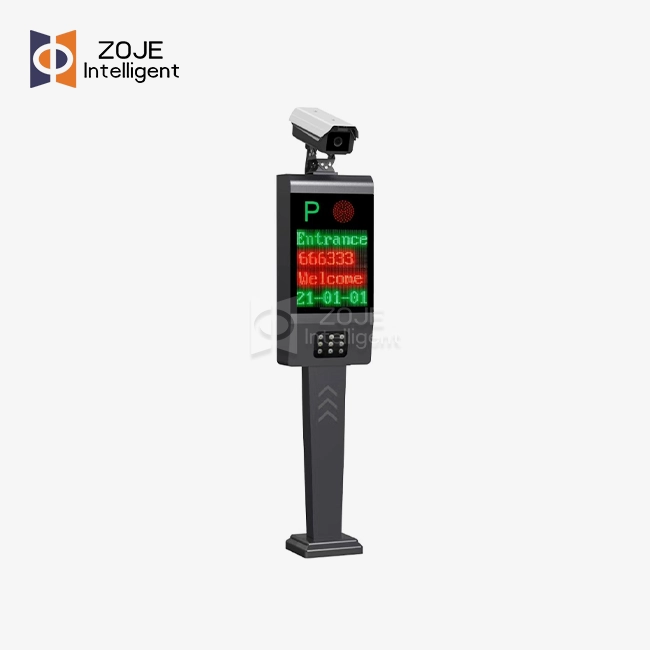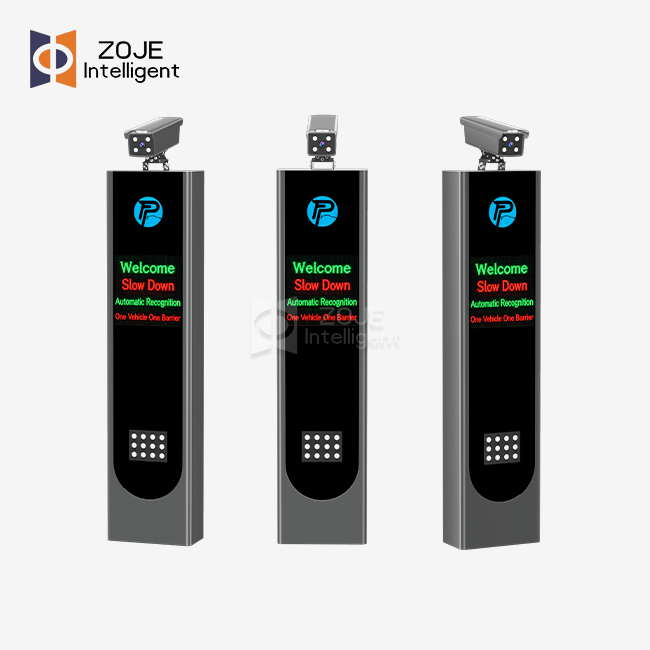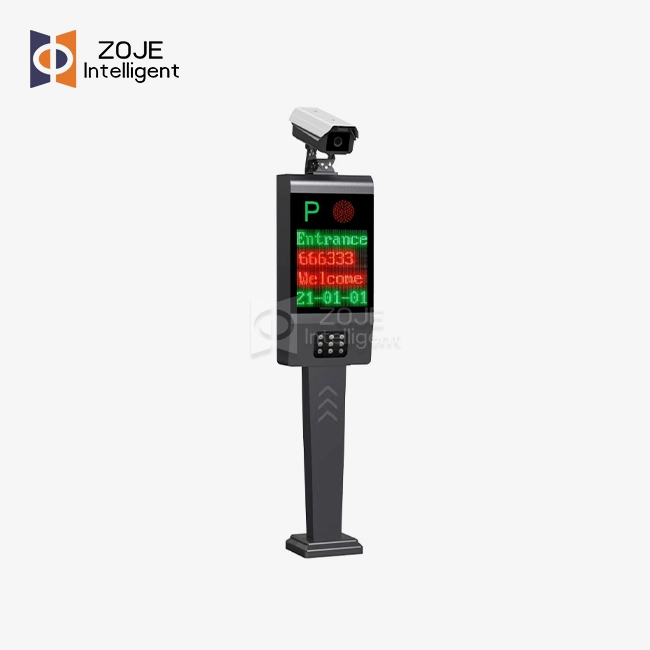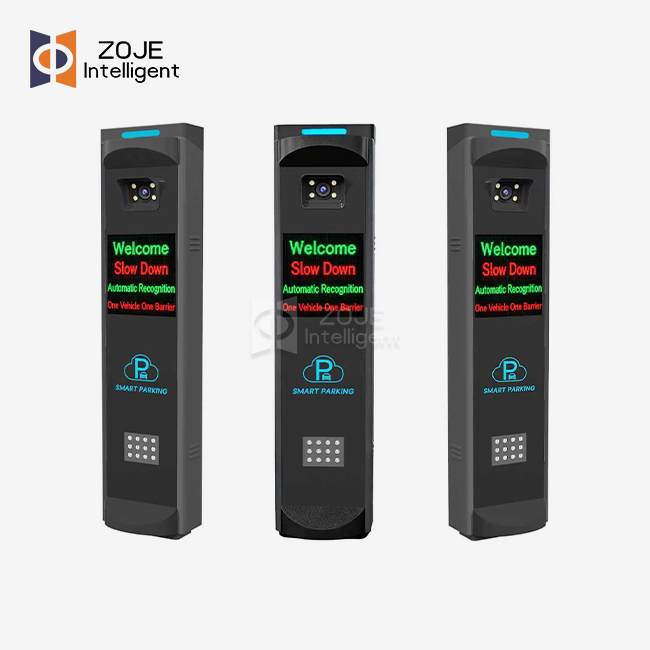
Open API LPR Parking System
2.Recognition rate:99%
3.Recognition Regions:Around world
4.Support offline use:Front-end recognition, unaffected by network delay/offline. Support offline billing
5.Support hardware/software customized,support various types of secondary development
6.Support outdoor use
7.24/7 service
8.Support OEM and ODM

- Face to Face Discussion
- Quality Assurance
- 24/7 Customer Service
Product Introduction
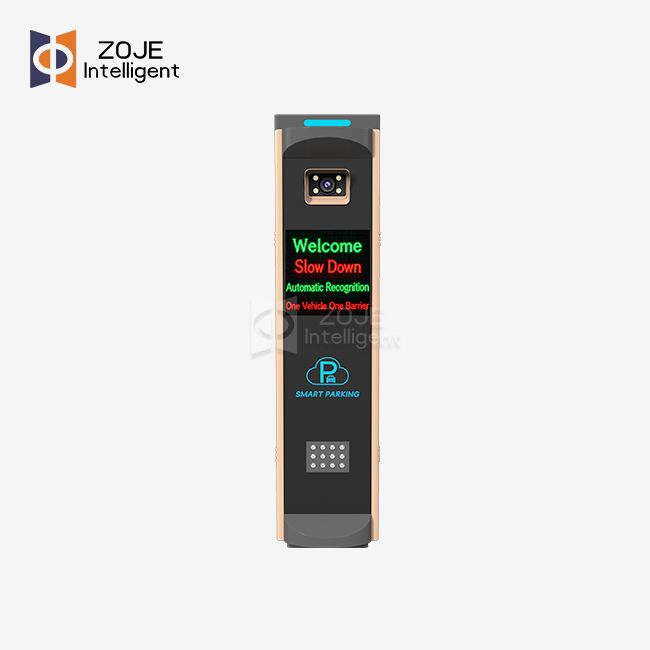
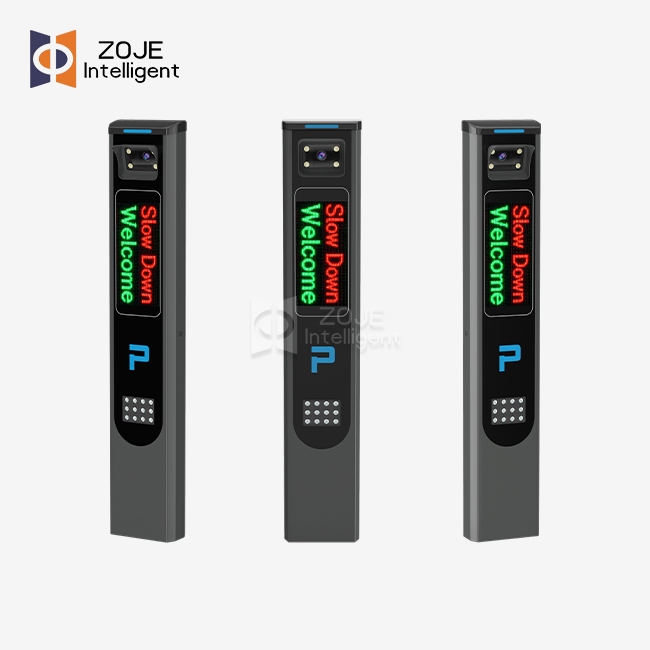
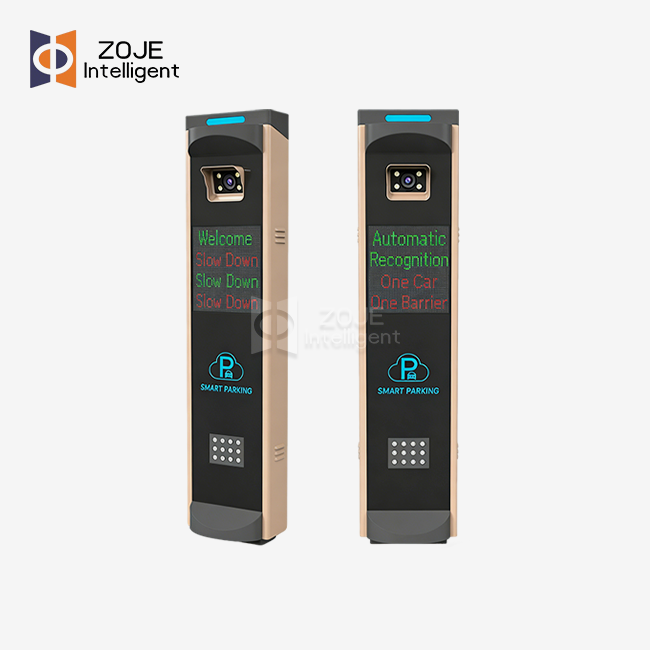
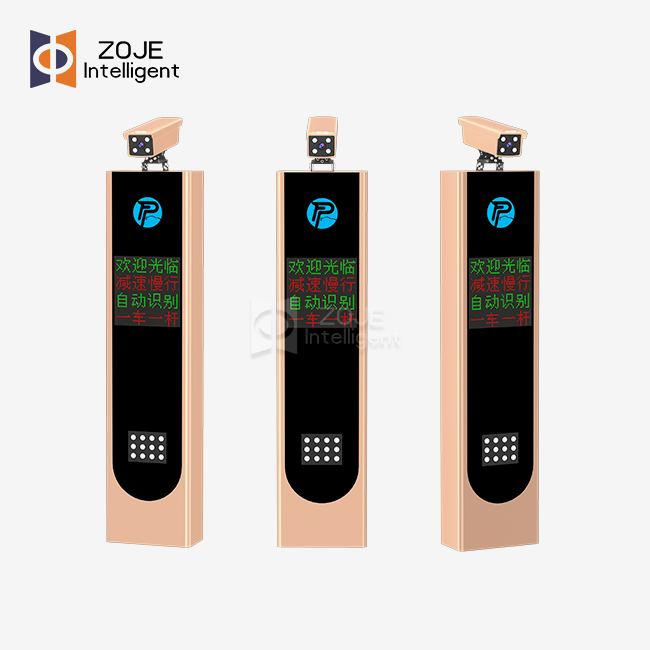
Open API LPR Parking System – ZOJE-LPR216 | Edge-Based Vehicle Access with Full API Integration
Certain projects call for hardware they can count on. Others need software that adapts to the task. With the ZOJE-LPR216 Open API LPR Parking System, you get both. Plate reading happens right on the edge processor. So when the network drops, the system keeps running and offline billing still completes. Plates from every region of the world are read at a 99% recognition rate. The unit is built to live outdoors. Since 2012 ZOJE has designed and made parking access systems, and the company works to ISO 9001:2015 quality management standards.
What Is This Product?
This product is an automated vehicle identification solution where the camera or management server exposes a documented Application Programming Interface (API) — typically built on RESTful architecture using JSON or XML payloads.
Parking rollouts keep running into the same two headaches. Vendor lock-in is one of them. Data scattered across separate silos is the other. Both get handled here. Once the hardware is split from the software, parking data can flow straight to third-party platforms. ERP systems are one target. So are CRM loyalty programs, mobile payment apps, or municipal enforcement databases. No proprietary middleware is required.
Key Features of the ZOJE-LPR216
99% Recognition Rate: Deep Learning Neural Networks run on the edge processor. Change the vehicle speed or dim the light, and reads stay consistent.
Global Plate Coverage: Plates from lots of regions work with it. So the system fits projects that run in several countries. It suits rollouts across several countries too.
Offline Operation: Reading happens on the device itself. If the network drops, plates are still read. Billing data still gets recorded. Cloud availability plays no part.
Full API Access: The usual HTTP verbs are available (GET, POST, PUT, DELETE). TLS/SSL keeps traffic encrypted. Webhook events get pushed. That lets the system react in real time. API Key authentication works. OAuth 2.0 works too.
Outdoor-Ready Hardware: The IP66 rating handles rain, dust, and salt mist. Wide Dynamic Range (WDR) goes beyond 120dB. Recognition still works at 0 Lux, thanks to the Starlight sensor and smart IR illuminators.
OEM & ODM Support: Hardware setup and software logic can be changed to fit the needs of a specific project.
Technical Specifications
| Component | Specification |
|---|---|
| LED Display | 256mm×256mm, P4 red/green dual-color, 64×32 dot matrix |
| Camera Resolution | 5MP JPEG output |
| Recognition Accuracy | 99% |
| Operating Temperature | -10℃ to 60℃ |
| Protection Rating | IP42 (dustproof and waterproof) |
| Power Consumption | 100W MAX |
| Weight | Approximately 16kg |
| Dimensions | 336mm×180mm×1580mm (W×D×H) |
| Dynamic Range | ≥100dB |
| Storage | Supports Micro SD cards up to 32GB |
Application Scenarios
Commercial Real Estate: Mixed-use developments can hook the system up to tenant retail apps through an API. A shopper's plate then gets checked against a qualifying purchase record. If the two match, the parking server can, using the Open API LPR Parking System, authorize a fee-free exit. Paper vouchers are not needed.
Logistics and Distribution Centers: ERP platforms can be linked to the system so it checks which delivery vehicles are due. A plate it recognizes that also falls inside an active delivery window lets the barrier controller fire on its own through the relay output.
Municipal and Smart City Projects: Plate data arrives in real time. Through the API it can flow into city-wide dashboards, where it helps with occupancy tracking and permit checks, and it also drives enforcement work in restricted zones.

Quality Control for Open API LPR Parking System
ZOJE applies hardware and software testing before shipment across the following areas.
OCR Accuracy Testing: Every unit goes through a recognition test. Speeds run from 0–40 km/h and angles go up to 45 degrees. A pass needs a score above 99%.
API Stress Testing: Response times get checked under load. API calls must stay below 200ms. That holds while requests come in at once from many entry and exit lanes.
IP Ingress Testing: The hardware goes through testing to the IP66 standard. This proves it holds up in heavy rain, fine dust, and salt mist.
Failover Logic Verification: Suppose the API endpoint can't be reached. The local edge controller then keeps a cache of authorized whitelist entries. Lanes keep running, with no interruption.
Customization and OEM/ODM Services
Hardware and software customization is available from ZOJE for projects of any size. Camera housing setups can be built to your spec. Relay I/O can be adjusted too. Custom API documentation can also be written to fit the way your internal development team works.
Standard products ship within 5–7 days. Customized orders are completed within 10–15 days. Shipping is available via sea freight or air freight, with DDU and DDP trade terms available to match your Open API LPR Parking System logistics requirements.

FAQ
Q: What if a third-party integration stops working?
A: Store-and-forward takes care of it. Say your external ERP or billing server goes down. Transaction data stays on the local system until then. Once the connection is back, the API push gets another try.
Q: Can the API run on the barrier gates we already have?
A: The controller has relay I/O ports built in. After the software confirms a plate, the API sends the relay output. That signal is accepted by most standard barrier hardware.
Q: What happens in low light, or when rain is coming down hard? Can it still read plates then?
A: The ZOJE-LPR216 has a Starlight sensor built in. Smart IR illuminators work alongside it, so recognition keeps going even at 0 Lux. Rain and snow add visual noise, and pixel-level AI processing strips that out.
Q: Can developers start using the API documentation as it stands?
A: Docs follow the OpenAPI Specification 3.0 (Swagger) format. There is a sandbox where developers can try endpoints first. Nothing goes live before they test it there.
Q: How is data security managed within the API?
A: API Key authentication is supported here. OAuth 2.0 works too, and traffic gets HTTPS encryption. Automated data retention rules are also available. Once a set period ends, plate records get wiped. That makes it easier to meet local privacy laws.
Q: Does the system support offline billing when the network is down?
A: Recognition and billing both run right on the ZOJE-LPR216. Every transaction gets stored on the device itself. When the connection comes back, it syncs everything.
Contact Us
For project inquiries, contact our team at info@zoje-tech.com. We are available to discuss Open API LPR Parking System technical requirements and customization options.
Send Inquiry
You may like