
LPR Hardware for System Integrators
2.Recognition rate:99%
3.Model:ZOJE-LPR201
4.Support offline use:Front-end recognition, unaffected by network delay/offline
5.Support hardware/software customized,support various types of secondary development
6.Support outdoor use
7.24/7 service
8.Support OEM and ODM

- Face to Face Discussion
- Quality Assurance
- 24/7 Customer Service
Product Introduction
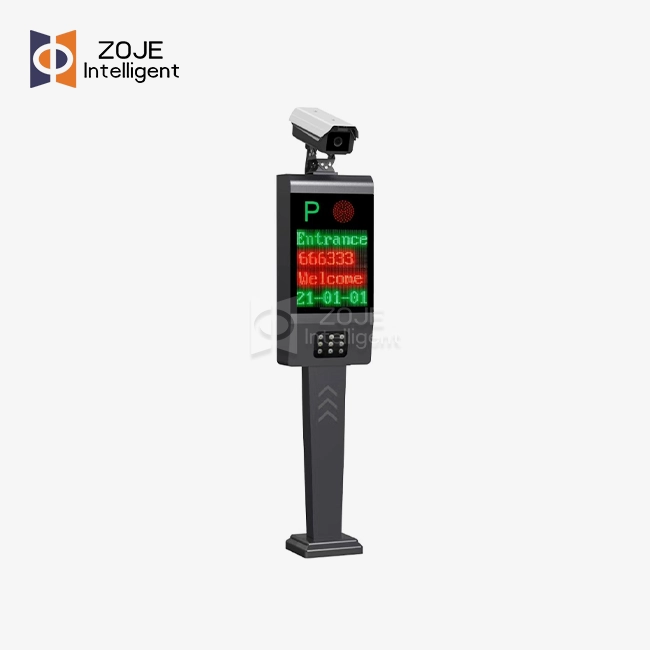
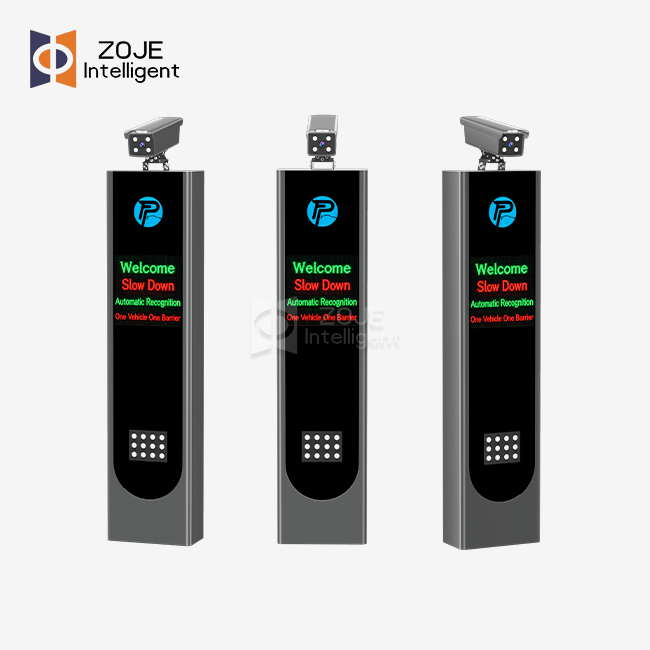
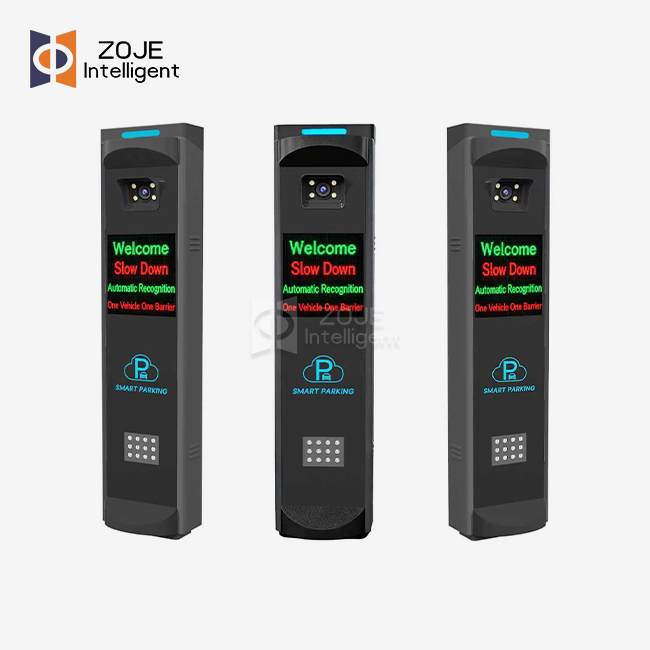
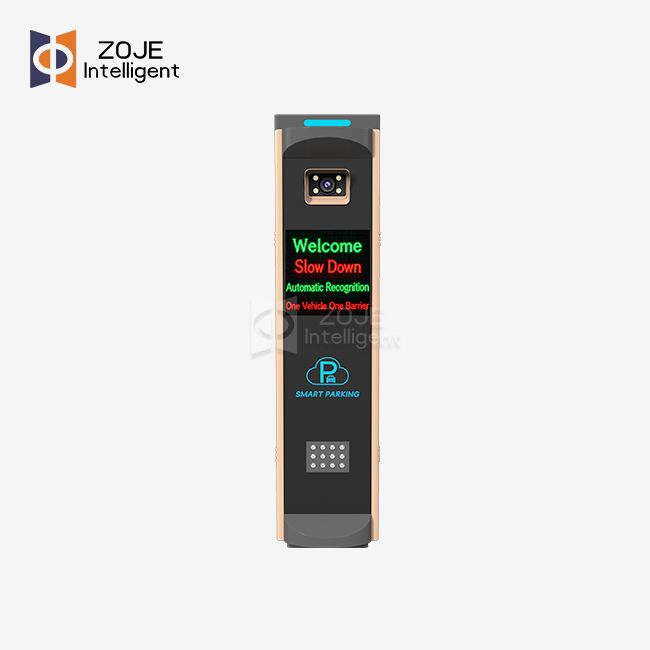
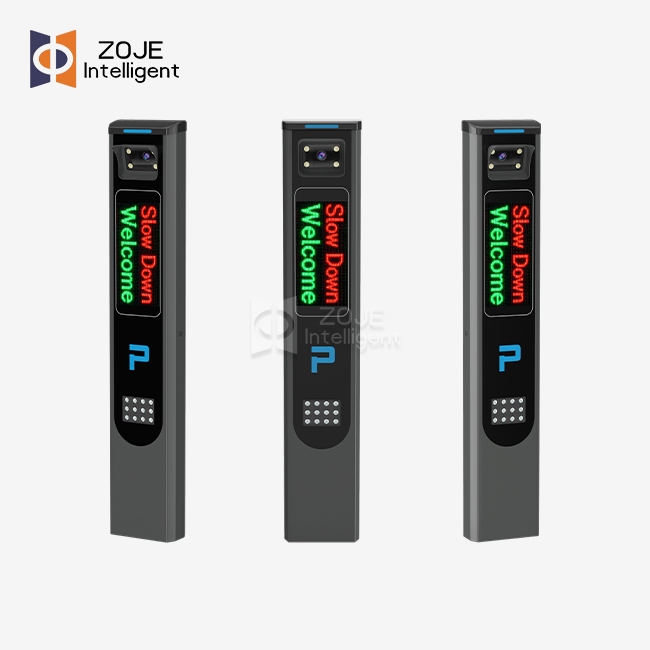
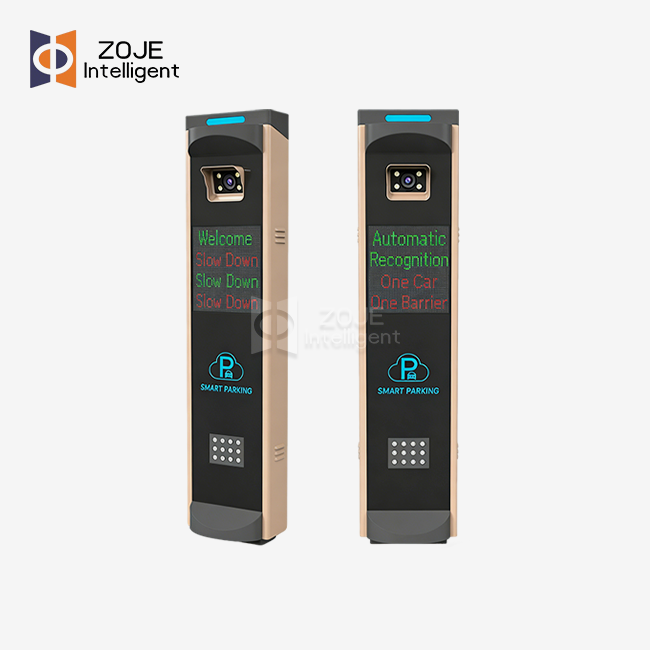
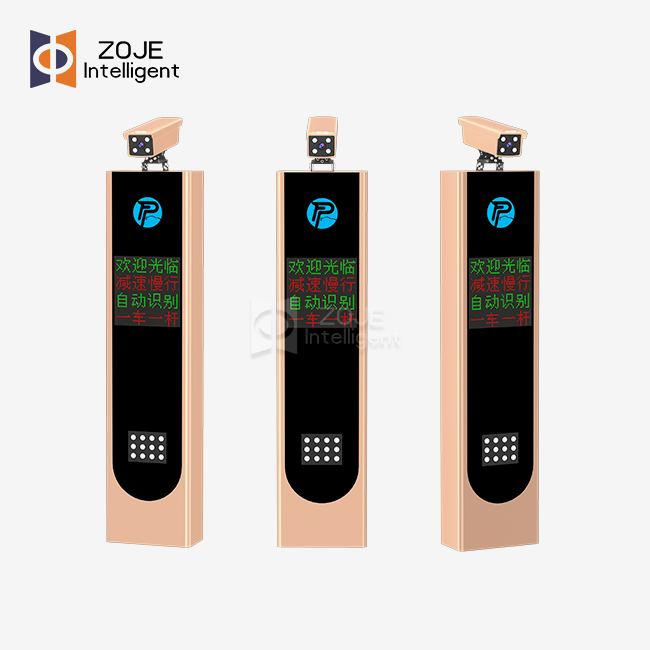
LPR Hardware for System Integrators – ZOJE-LPR201 Edge OCR Solution for Parking & Access Control Integration
LPR Hardware for System Integrators cannot just read plates. It has to fit your software stack too. Weather outside should not knock it out. And when the network drops, processing has to keep running on the box. Those needs shaped the ZOJE-LPR201. Hong Kong ZOJE Intelligent Technology Co., Ltd. builds it. The company was set up in 2012 and holds ISO 9001:2015 certification. Recognition rate reaches 99%. Full offline operation comes as standard. For integration you get HTTP API, ONVIF, SDK, and C++ libraries.
What Is This Product?
This product is its own kind of equipment. Inside, optics and embedded processing are combined. Controlled lighting plays a part too. Its task is to capture vehicle plates, then turn them into text a machine can read. That work happens inside busy security or access control setups.
General-purpose IP cameras are a different animal. Open architecture is the base this hardware class is built on. Through SDK and HTTP API interfaces, your developers can push OCR output straight into parking management software or barrier controllers. Toll billing systems work the same way, and access control platforms do too.
Three technical problems make dedicated hardware necessary here:
- Motion blur at high vehicle speeds: addressed through global shutter sensors
- Headlight glare and blooming: managed via 120dB+ WDR and HLC (High Light Compensation)
- Backend server load: reduced by edge processing that forwards only lightweight metadata rather than raw video streams
Core Technical Properties
An embedded OCR engine sits inside the ZOJE-LPR201. Deep learning runs it right on the camera chipset. Recognition then happens at the device level. Latency drops. It also keeps the unit working when the network is unstable or goes down.
Motorized varifocal lenses come in a 5–50mm setup or a 10–40mm one. Starlight sensors sit in the optical system too, and they pull in a lot of light. The IR illuminators run at 850nm and stay in sync. Need the invisible spectrum? A 740nm option exists. Put those parts together and character capture stays high-contrast when light is low, even at zero lux.
Plate syntax gets read on the device itself, matched to the region. The same engine picks up vehicle color. It also sorts out the vehicle type. Recognition accuracy comes in above 99%.
Technical Specifications
| Parameter | Specification |
|---|---|
| Operating Voltage | AC110-240V±10% |
| Operating Temperature | -20℃ to +60℃ |
| Relative Humidity | ≤95% without condensation |
| Rated Power | ≤60W |
| Communication Method | TCP/IP, RS485 |
| Display Type | 18.5-inch outdoor high-brightness LCD |
| Screen Resolution | 1366×768 |
| Protection Class | IP64 |
| Material | High-strength carbon steel |
| Dimensions | 1400×333×200mm (H×W×D) |
Application Scenarios
Multi-Lane Free-Flow Tolling
Plates get captured at speeds of up to 250 km/h by the ZOJE-LPR201. Global shutter sensors, LPR Hardware for System Integrators, run at a high frame rate, which is what makes that possible. Ambient light shifts through the day. IR intensity shifts with it. Each pass reaches your billing system as clean, timestamped metadata.
Smart Parking and Access Control
In commercial complexes and airport facilities, the unit integrates directly with barrier control logic. It handles steep capture angles and high-contrast transitions — such as a vehicle moving from bright daylight into an underground garage — and applies fuzzy search logic to read partially obscured or mud-covered plates.
Outdoor Perimeter and Gated Access
Most entry and exit points call for a fixed install. A housing rated IP67 and IK10 goes there, and it keeps the unit working from -40°C to +70°C. Processing happens at the edge. A gate or barrier can then act on a recognition result at once, with no wait for a server to confirm.
Quality and Inspection of LPR Hardware for System Integrators
Before it ships, every unit gets a hardware-level inspection at ZOJE. The main areas are:
- IP67 ingress protection verification: tested against high-pressure water and fine dust; nitrogen-purged housing reduces internal condensation risk
- Optical calibration stability: motorized zoom and focus mechanisms are tested for drift under continuous vibration per IEC 60068-2-64
- EMC/EMI compliance: the hardware goes through testing to confirm it keeps working with no electromagnetic interference. Sites with RFID readers and high-voltage lighting are covered too.
Each unit ships with documented test records.

OEM, ODM, and Customization
Project requirements can call for hardware or software changes. ZOJE handles both. You can ask for custom firmware or adjusted communication protocols. Co-branded product setups are also possible. The engineering team works directly with your integration staff for the whole process.
Standard products go out within 5–7 business days. A customized setup usually needs 10–15 business days. Sea freight and air freight are both available. DDU and DDP terms are supported.
After-Sales Support
Every unit ships with a 2-year warranty. Help is available for LPR Hardware for System Integrators at any hour. Remote setup guidance is part of that. So is help with upkeep later on.
| Parameter | Specification |
|---|---|
| CPU | Dual-core 900MHz + CNN acceleration |
| Image Sensor | 1/2.8" starlight-level CMOS |
| Max Resolution | 1920×1080 |
| Lowest Illumination | 0.01Lux (Color) |
| ISP | Intelligent, scene-adaptive |
| Data Output | H265/H264/MJPEG |
| Standard Lens | 6mm prime lens |
| Recognition Rate | ≥99% |
| Network Interface | 10/100Mbps RJ45 |
| IO Ports | 2 output, 4 input channels |
| Storage | TF card up to 512G |
| Parameter | Specification |
|---|---|
| LED Count | 9 pieces |
| Maximum Power | 10W |
| Control Method | Intelligent light sensitivity |
| Illumination Distance | >50LUX at 5 meters |
| Adjustment | Angle supported |

FAQ
Q: Does the processing run on the edge, or on a server?
A: OCR runs on the camera chipset inside the ZOJE-LPR201 itself. What reaches your server is short plate strings and metadata, nothing more. Less bandwidth gets used. Server CPU load also stays lower than with analysis built on video streams.
Q: At night, how does the hardware deal with glare from headlights?
A: The hardware runs 120dB+ WDR. HLC backs it up. Synchronized Smart IR does the same. Shutter timing is controlled. That cuts down high-intensity headlamp overlap. Glare can hit the plate straight on. Even then, the reflective surface stays readable.
Q: Does the SDK run on Linux and on Windows too?
A: Yes. C++ libraries are provided for both Linux and Windows architectures. The hardware also supports HTTP API and ONVIF for teams working at the middleware layer.
Q: At what speed can a vehicle still be read by the hardware?
A: Highway versions are built to read plates at speeds up to 250 km/h. That works out to about 155 mph. Global shutter sensors with a high frame rate do the job here. With that setup, rolling shutter distortion is gone.
Q: Does the hardware send Wiegand signals to older access control panels?
A: Yes. A mapping interface comes built in. Plate strings it picks up get turned into Wiegand 26/34-compatible bit formats. Panels you already own can then take the unit as a normal card reader input.
Q: Will it work with no network connection?
A: Yes. The device does all the recognition on its own. If the network drops out, the ZOJE-LPR201 keeps running. That suits remote sites, and places where connectivity is unreliable.
Contact Us
Need to talk through integration requirements? Email our team at info@zoje-tech.com. You can also ask us for LPR Hardware for System Integrators product documentation.
Send Inquiry
You may like