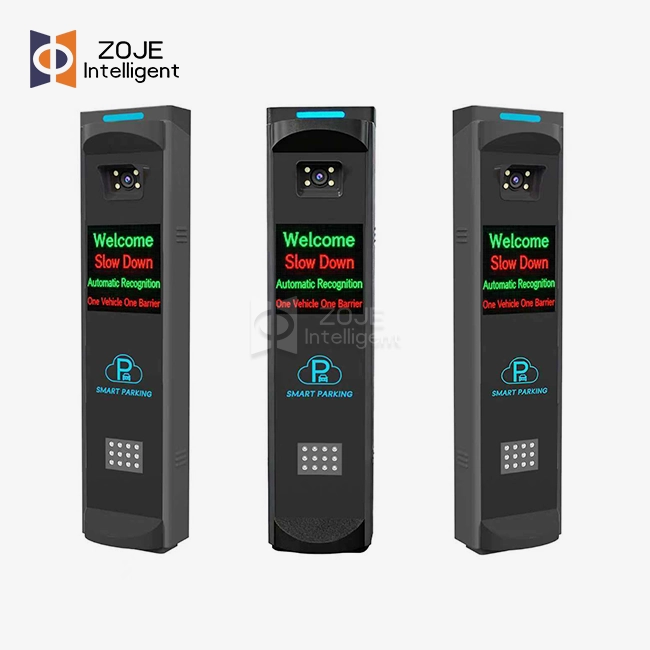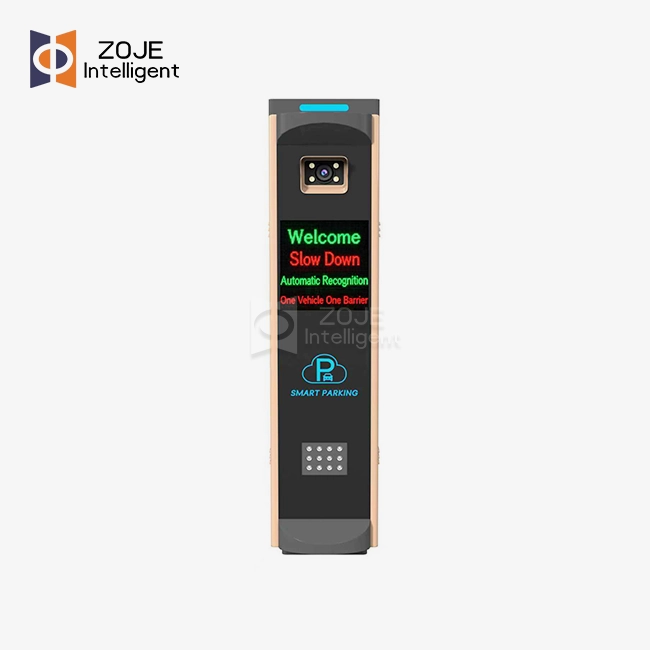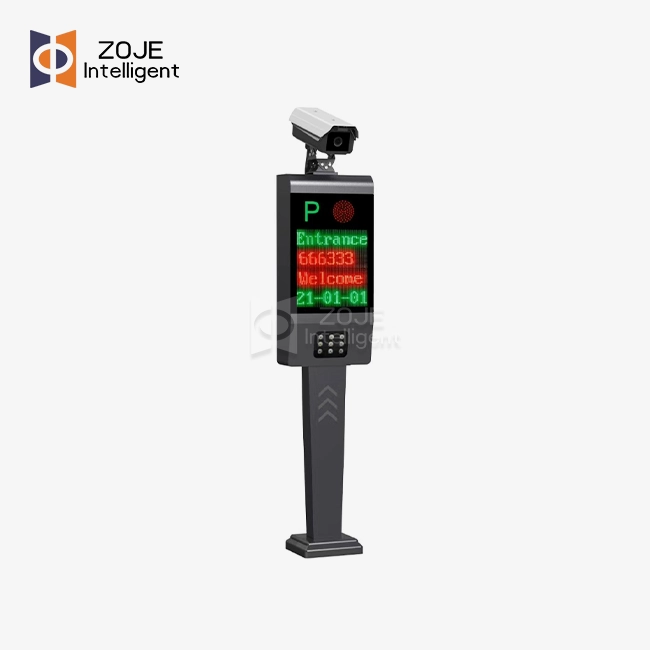
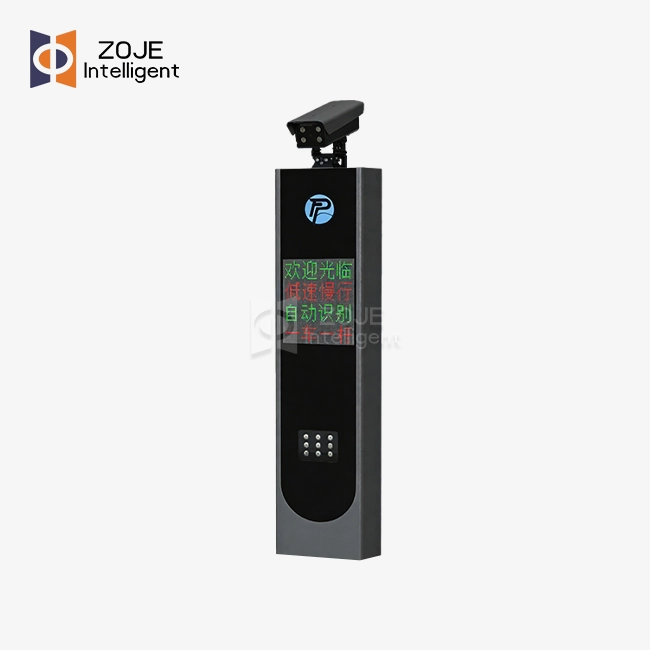
Real-Time Vehicle Data Processing LPR Server
2.Recognition rate:99%
3.Recognition Regions:Around world
4.Support offline use:Front-end recognition, unaffected by network delay/offline. Support offline billing
5.Support hardware/software customized,support various types of secondary development
6.Support outdoor use
7.24/7 service
8.Support OEM and ODM

- Face to Face Discussion
- Quality Assurance
- 24/7 Customer Service
Product Introduction
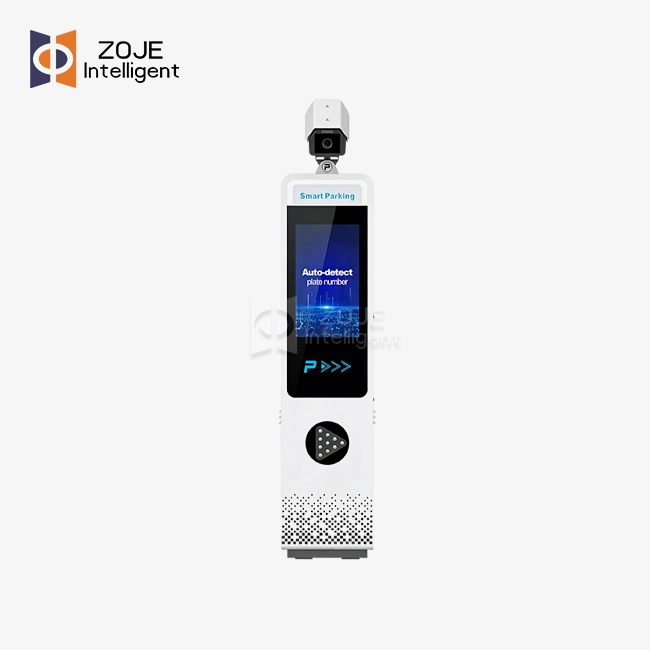
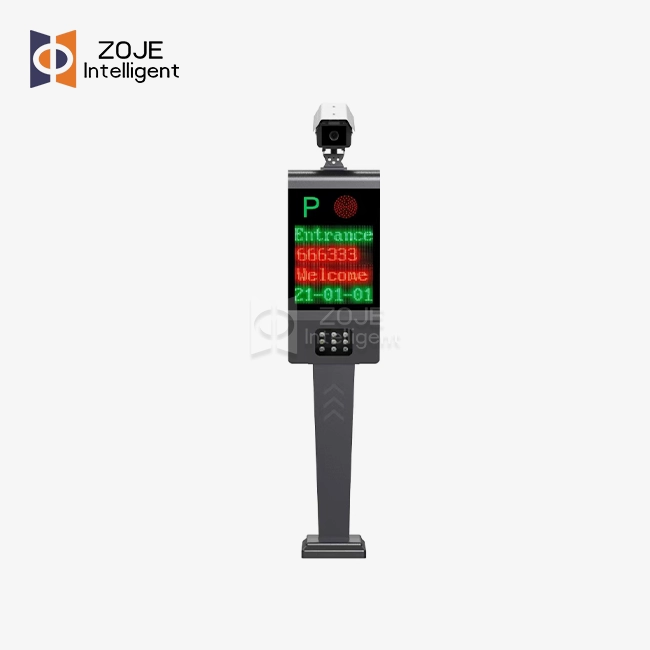
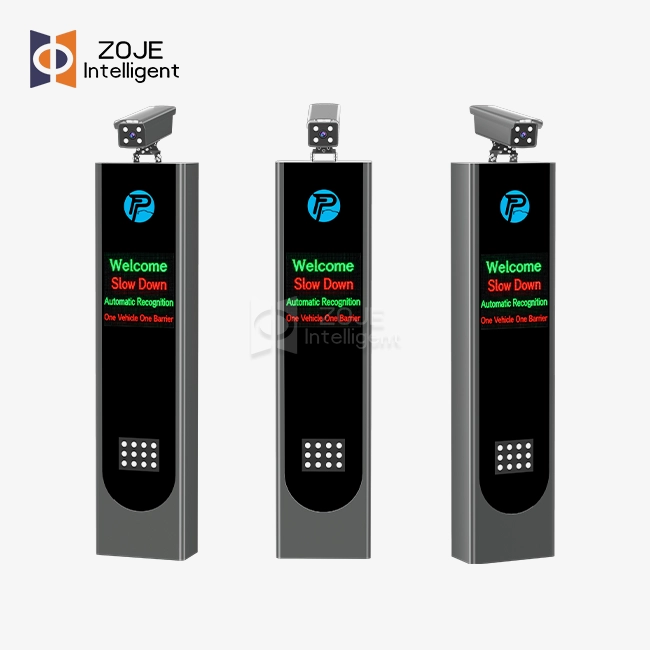
Real-Time Vehicle Data Processing LPR Server – ZOJE-LPR216 for Multi-Lane Recognition
Parking operators, toll integrators, and city traffic teams pick the ZOJE-LPR216 for one reason. Plate recognition failures cost real money. Hong Kong ZOJE Intelligent Technology Co., Ltd. makes it. The company was founded in 2012 and follows ISO 9001:2015 standards. This Real-Time Vehicle Data Processing LPR Server has a verified 99% recognition rate on plate formats from around the world. Front-end recognition runs on its own, with no network needed. Parking billing and access control keep working during outages. Custom hardware and software can be supplied. OEM and ODM support is available too.
What Is This Product?
This product is a separate computer unit. Live video streams from LPR cameras go into it. Deep learning finds the plate numbers. Structured data goes out to connected systems. All of this takes milliseconds.
Passive recording systems just record. This unit runs Convolutional Neural Network (CNN) algorithms instead. Those algorithms do Optical Character Recognition (OCR) right on the plate area. The plate number comes out. Other vehicle details come out too. Make and model are included. Color and direction of travel get captured as well.
This capability addresses three recurring problems in vehicle management:
- Fast data ingestion that keeps up with feeds from multi-lane environments, and no frames get dropped
- Changes in the environment: low light, glare from headlights, rain, fog, and snow
- System interoperability: pushing recognized data to parking billing, tolling, or law enforcement systems through standardized API outputs
Key Features of the ZOJE-LPR216
Front-End, Offline-Ready Recognition
The server processes plates at the entry or exit point rather than relying on a remote server. It continues billing and access control during network outages — a practical requirement for parking operators who need consistent uptime.
Global License Plate Support
EU plates are covered by the recognition engine. So are US multi-state formats and Middle Eastern script. Vanity plates work too, along with two-row plates and temporary paper tags. No firmware changes are needed when you move between regions.
Sub-200ms Processing Latency
Each frame takes under 200 milliseconds to recognise. That speed is enough for real-time barrier control. High-speed tolling applications work as well.
24/7 Continuous Operation
Round-the-clock operation is what the ZOJE-LPR216 was built for. Failover redundancy keeps it running. Throughput stays consistent even under maximum channel load.
Outdoor Real-Time Vehicle Data Processing LPR Server Deployment Ready
Dedicated pre-processing filters handle direct sunlight, IR night mode, and adverse weather conditions, making outdoor installation straightforward.
Technical Specifications
| Component | Specification |
|---|---|
| LED Screen | 256mm×256mm, P4 dual-color display |
| Resolution | 64×32 dot matrix per module |
| Camera Output | 5MP JPEG images |
| Minimum Illumination | 0.01 Lux for night operation |
| Focal Length | 6mm fixed aperture |
| Storage | Micro SD support up to 32GB |
| Dynamic Range | ≥100dB wide range |
| Voice Function | Multi-language announcements |
| Protection Rating | IP42 dustproof and waterproof |
| Operating Temperature | -10℃ to 60℃ |
| Operating Humidity | 5% to 85% |
| Power Consumption | 100W maximum |
| Dimensions | 336mm×180mm×1580mm |
| Weight | Approximately 16kg |

Application Scenarios
Intelligent Parking Management
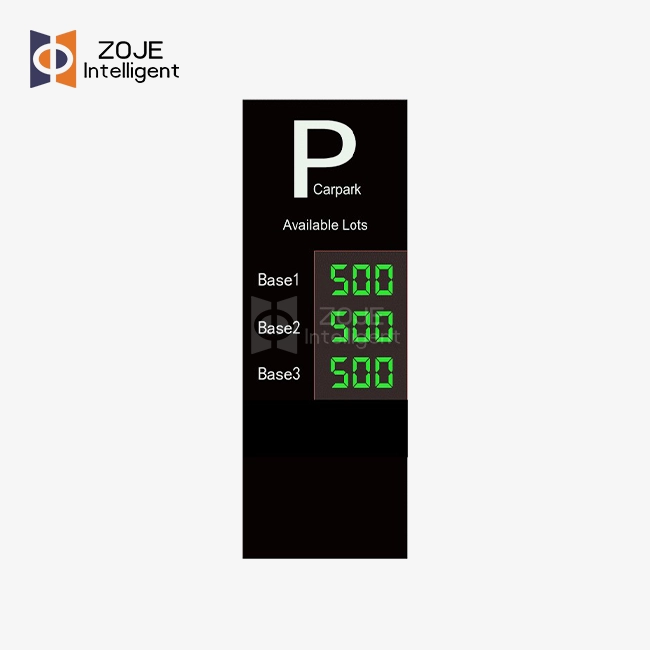
These servers sit in shopping malls, corporate campuses, and airports. Plate numbers get checked against whitelists in milliseconds. That is what drives the barrier automatically. Tailgating detection is handled too. So is anti-passback enforcement. Damaged plates or dirty plates get read as well. Fewer staff are needed at the entry points.
High-Speed Electronic Toll Collection
Multi-Lane Free Flow (MLFF) setups let vehicles pass at over 100 km/h. At those speeds the frames come out blurred by motion. The server rebuilds them. Then it reads the plate data and fires the billing event. Traffic never has to stop.
Smart City and Law Enforcement
The server ingests streams from multiple city intersections, building searchable vehicle trajectory databases. It processes variable lighting conditions — shadows, night glare, and dense urban traffic — for monitoring and alerting workflows.
Real-Time Vehicle Data Processing LPR Server Quality Assurance Process
Before any ZOJE-LPR216 unit ships, it goes through the verification steps listed below:
- Accuracy Benchmarking: Our tests used weather and lighting datasets that differ widely from one another. The False Acceptance Rate (FAR) stayed below 0.1%. False Rejection Rate (FRR) held under 1%.
- 72-Hour Burn-In Testing: All channels run at maximum resolution to verify stable GPU and CPU temperatures and consistent memory management
- Latency Verification: Digital timers confirm recognition output under 200ms from vehicle entry into the camera's field of view
- Security Compliance: AES-256 encryption for stored plate data; HTTPS/TLS transfer protocols for data in transit
Customization and OEM/ODM Services
ZOJE supports hardware and software customization to match specific project requirements. Options include modified software interfaces, secondary development APIs, and branded hardware under OEM/ODM agreements.
Standard Real-Time Vehicle Data Processing LPR Server products ship within 5–7 days. Customized configurations are ready in 10–15 days. Sea and air freight are available under DDU or DDP terms.

Frequently Asked Questions
Q: What happens when a plate is a vanity plate or does not follow the standard format?
A: The deep learning engine reads characters from geometric features. Fixed templates play no part in it. So vanity plates, two-row plates and temporary paper tags get recognized in any region. No extra setup is needed.
Q: Can the ZOJE-LPR216 work with a database or access control system we already have?
A: Yes. The server supports RESTful APIs and Webhooks. Recognized data — including vehicle metadata and cropped plate images — can be pushed to SQL or NoSQL databases, or used to trigger access control hardware via Wiegand output converters or TCP/IP relays.
Q: What hardware do we need to run 16 channels at once?
A: For 16 channels, plan on a dedicated GPU with CUDA acceleration. You will also need a multi-core CPU, such as an Intel i7 or Xeon. At least 32GB RAM is needed too, for video buffering and the analysis pipeline.
Q: How well does the server work when light is low?
A: Night Mode algorithms handle monochromatic IR images. They improve contrast and reduce noise. Results depend on the IR capability of the camera you connect. The server is calibrated for low-light image processing.
Q: What occurs when the network connection drops?
A: The ZOJE-LPR216 has a Store and Forward setup. Transaction data sits in local storage when the link is down. Once the connection comes back, it syncs with the central system.
Q: Does ZOJE support secondary development for custom integrations?
A: Yes. The platform supports various types of secondary development, making it suitable for operators who need to build custom software on top of the recognition engine.
Contact Us
For project inquiries about the Real-Time Vehicle Data Processing LPR Server or technical questions about the ZOJE-LPR216, Contact Us at info@zoje-tech.com. We typically respond within one business day.
Send Inquiry