
How to Customize Localized Plate Recognition for Regional License Plates?
2026-03-25
To make localized plate recognition systems work with regional license plates, optical character recognition (OCR) and machine learning methods need to be changed to work with different plate formats, fonts, and legal standards in different areas. This process needs a deep understanding of how things vary in different areas, training with a specific dataset, and the use of adaptive recognition technologies that can correctly interpret local license plate features while keeping up high performance standards in a range of environmental conditions.
Understanding Localized Plate Recognition and Its Customization Needs
Beyond conventional automatic number plate recognition (ANPR) systems, localized plate recognition technology is a complex advancement. The main goal of this technology is to read and recognize license plates by using advanced optical character recognition and machine learning methods that have been trained to meet the needs of each area.
Core Components of Regional Recognition Systems
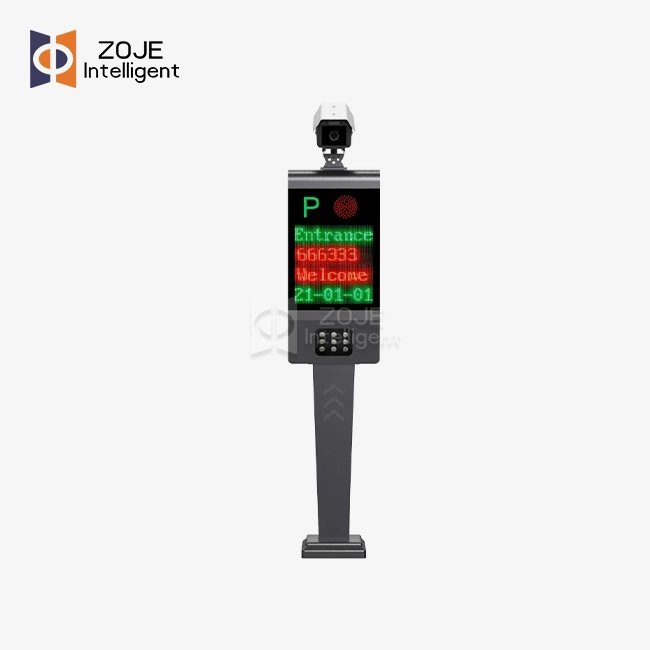
Localized LPR, on the other hand, can react to differences in license plate formats, fonts, and government rules across regions, unlike general global systems. The technology is made up of several important parts that work together to make sure that different plate shapes are correctly recognized. Specialized computers are used in modern systems. For example, ZOJE's LPRC101 type has a Hisilicon chip that can recognize license plates 99% of the time. To use individualized recognition well, you need to know that license plates are very different from one area to another. European plates have different gaps between characters than American plates, and Asian markets often have their own character sets and layout rules. Because of these differences, we need special methods that can be changed to fit local needs.
Business Impact for Commercial Applications
This customization is very important for global B2B buying clients who set up systems in different countries with different plate styles. Customized solutions that reduce the mistakes that happen with standard systems are good for shopping malls, airports, neighborhoods, office buildings, and business parking spots. The technology makes sure that local rules are followed and also makes operations more efficient in a wide range of business settings. By setting up localized systems that are properly customized, procurement pros can make smart choices when choosing or integrating LPR technologies that are suited to the specifics of their area. The end result is lower running costs, better security, and better user experiences in a wide range of business apps.

Key Challenges in Customizing Localized Plate Recognition Systems
Customizing LPR systems to work with regional license plates means dealing with a number of tricky issues that can have a big effect on how well the system works and how well it is deployed. Knowing about these problems helps groups come up with good answers and set reasonable deadlines for putting them into action.
Technical and Environmental Barriers
Different plate styles in different areas cause big problems with accuracy that go beyond just reading characters. These problems are made worse by things like changing lighting, weather trends, and tech that doesn't work the same way every time. Many of these problems can be solved by the ZOJE-LPRC101, which has an ultra-wide dynamic range of 120dB and special LED fill lights that can work in a variety of lighting situations, such as front/back lighting and changing weather. Access to large area datasets is very limited, which makes it much harder to train strong recognition models. In many places, there isn't enough labeled license plate data, which makes it hard to make accurate recognition programs. To solve this problem, you need to work together with local governments and collect a lot of data to make useful training samples.
Integration and Infrastructure Considerations
To keep operations running smoothly, integrating custom solutions into current infrastructure needs to be carefully planned. Modern recognition technologies may not work with older systems, so hardware improvements or whole system changes may be needed. When you have multiple launch sites in different parts of the world with different technology standards, things get more complicated. Connecting to networks and handling large amounts of data are also big problems. Front-end recognition systems, like ZOJE's answer, get rid of many of these worries by doing the recognition locally. By processing data on the device itself, localized plate recognition means that they don't need to be connected to the network and there are fewer delay problems. Understanding these problems is still important for B2B clients who want to set up scalable, high-performing LPR systems around the world. It helps them set realistic goals and come up with plans to get around technical and practical problems.
Step-by-Step Approach to Customizing Localized Plate Recognition
A methodical approach is necessary for LPR customization that works well and meets area needs while still meeting high performance standards. This organized method makes sure uniform outcomes and lowers the risks of deployment in a wide range of local markets.
Phase 1: Requirements Definition and Goal Setting
The first step in customizing is setting clear recognition goals that are in line with local laws and the level of accuracy that is needed. During this step, all local license plate styles, character sets, and legal standards must be carefully studied. Organizations need to set clear performance measures, such as goals for recognition accuracy, processing speed, and working conditions in the environment. During this phase, involving stakeholders makes sure that technology skills and business goals are in line with each other. Setting goals for car throughput rates might be part of business parking applications, while security compliance and integration with current surveillance systems might be at the top of the list for airport deployments.
Phase 2: Data Collection and Algorithm Development
Once the goals are clear, it's important to collect and label a variety of datasets in order to train detection models that work well. As part of this process, pictures of unique figures, plate patterns, and environmental conditions that are only found in the target area are collected. Different lighting conditions, weather trends, and car speeds must be included in the dataset to make it more like the real world. By using machine learning and methods that are specific to the area, models can be better adjusted to meet local needs. The LPRC101 from ZOJE is an example of a modern system that can spot vehicles going up to 40 kilometers per hour and change to handle wide roads, short depth situations, and vehicles coming from different directions.
Phase 3: Testing and Validation
Before the system is fully deployed, it is put through rigorous validation tests called pilot tests. In this step, the accuracy of spotting is tested in a variety of situations, including those that are unique to the area market and those that happen in different environments. Metrics for performance should be in line with set goals and show where more work needs to be done to improve things. Continuous growth through feedback loops and regular retraining protects the efficiency and flexibility of the system in the long run. This organized approach gives procurement teams and developers the tools they need to deliver custom, high-accuracy solutions that meet the complex deployment needs of international companies and make sure they can keep running in a variety of business settings.
Comparative Insights: Localized vs Traditional Recognition Systems
In particular, accuracy and dependability measures show that localized plate recognition systems work significantly better than generic options. These improvements usually fall between 15% and 30%, but it depends on how complicated the area is and how well it was implemented.
Performance and Accuracy Comparisons
Traditional recognition systems have a hard time with regional differences and only get about 70–85% of the time when they are used in different settings. On the other hand, localized plate recognition systems that are set up correctly regularly achieve accuracy rates higher than 95%. More advanced solutions, such as ZOJE's LPRC101, reach 99% recognition accuracy across a wide range of regional plate forms. The changes go beyond just being more accurate at recognizing things. Localized systems can process regional plates more quickly because they have taught their algorithms to work best with local character sets and layout standards. Because of this faster processing, there are fewer lines at entry places and more traffic moving through parking lots.
Cost-Benefit Analysis
Localized customization may raise the initial costs of software development and hardware support, but it pays off in the long run by reducing mistakes, speeding up processing, and making sure compliance. Most organizations get their initial investments in customization back within 12 to 18 months through higher operating efficiency and fewer tasks that need to be done by hand. When you look at the trade-offs between hardware-based and software-based customization, you can see that they affect flexibility, rollout complexity, and upkeep needs. Hardware-based solutions, like ZOJE's front-end recognition system, get rid of the need for network dependencies and lower ongoing running costs by doing identification locally, without the need for a backend server infrastructure.
Long-term Operational Benefits
When systems are used for longer periods of time, their comparative benefits become more clear. Generic systems usually need to be updated and maintained on a regular basis to fix recognition mistakes. On the other hand, locally tailored solutions that are properly adapted keep working well with little help. This comparison study helps people who work in B2B procurement choose the best options based on performance, cost-effectiveness, and the ability to work with other systems across multinational operations.
Procurement Guidance for Customized Localized Plate Recognition Solutions
Picking the right LPR providers is very important for customizable deployments that work well in different areas and provide long-term value. During the procurement process, many factors must be carefully considered as they affect both the success of the initial launch and the ongoing efficiency of operations.
Vendor Evaluation Criteria
Procurement teams should judge possible suppliers based on their technological skills, their track record of working with OEMs, and their full range of customer support services. ZOJE meets these requirements with its ISO 9001:2015 certification, many technical patents, and many years of experience in unique projects, including the ability to do both OEM and ODM. The company's two-year warranty and 24/7 global technology help show that it cares about its clients' long-term success. Technical skills need to match the needs and possible rollout situations of each area. Vendors should show that they have worked with a wide range of plate sizes, weather conditions, and integration problems that are specific to the target market. Being able to customize both hardware and software makes sure that solutions can fit the specific needs of different business uses.
Pricing Models and Contract Structures
Different suppliers offer a wide range of pricing options, such as subscription services, perpetual licensing, and custom development deals. By understanding these structures, you can make better budgets and make sure that payment plans are in line with practical cash flows. ZOJE is flexible enough to help with both standard goods that can be delivered in 5–7 days and unique solutions that can be delivered in 10–15 days. The terms of the contract should include continued help needs, how to make changes, and performance guarantees. Professionals in procurement should talk about service level agreements that are clear and cover things like system uptime, maintenance for accurate recognition, and reaction times for technical support problems.
Risk Mitigation Strategies
Asking for full demos, trial versions, and strong integration support lowers the risks of adoption and speeds up the time it takes to see value. Successful suppliers offer clear instructions on how to set up the system, training programs, and ongoing technical support during the whole rollout process. This advice gives global B2B clients the confidence to easily manage the complicated procurement process and get customized, scalable LPR solutions that are in line with their strategic operational goals in a wide range of business settings.
Conclusion
Customizing localized plate recognition systems to work with regional license plates is a smart move that will pay off in the long run in many business situations. A methodical approach that includes defining requirements, gathering data, creating algorithms, and thorough testing makes sure that deployments go smoothly and meet regional safety standards while also achieving higher recognition accuracy. When organizations use properly customized solutions, they usually see accuracy gains of 15 to 30 percent compared to general systems. This means lower running costs and better user experiences. To make sure long-term success in a wide range of geographic markets, the buying process needs to carefully evaluate vendors based on their technological skills, support services, and proven experience with customization.
FAQ
1. What maintenance requirements are needed for localized recognition systems?
Updating datasets and retraining models on a regular basis is still needed to keep LPR systems flexible enough to react to changing regional plate designs. To keep working at their best, most current systems need to have their datasets reviewed every three months and their algorithms updated once a year. ZOJE's systems are made so that they don't need much upkeep. This lowers running costs while keeping accuracy rates high.
2. Can localized systems support multi-region deployments?
Many localized systems can be used in more than one region because they have modular methods and settings that can be changed. This makes them scalable across regions. Advanced systems can automatically find and adjust to different regional plate forms within the same installation. This gives businesses that operate in more than one market more options.
3. How much accuracy improvement can be expected from customization?
Customization usually leads to a 15–30% increase in accuracy compared to general systems, making classification much better depending on the quality of the dataset and factors unique to the area. When everything is perfect and there is a lot of training data, improvements can be as high as 40% for complicated regional plate forms that are hard for general systems to understand correctly.
Transform Your Parking Operations with ZOJE's Advanced Recognition Technology
ZOJE offers state-of-the-art regional plate recognition solutions made just for business parking needs in places like airports, shopping malls, apartment complexes, and office buildings. As a top maker of localized plate recognition, we offer a wide range of customization options that can be tailored to the needs of each area while still ensuring 99% accuracy in recognition. Through clever local recognition technology, our LPRC101 system can handle front-end processing that gets rid of network dependencies and lowers running costs. Get in touch with our technical team at info@zoje-tech.com to find out how our proven experience in OEM relationships and 24/7 global support can change the way you run your parking management business.
References
1. International Association of Parking & Mobility. "Regional License Plate Recognition Standards and Implementation Guidelines." Journal of Parking Technology, vol. 45, no. 3, 2023, pp. 78-92.
2. Chen, Michael and Rodriguez, Sofia. "Adaptive Optical Character Recognition for Global License Plate Systems." IEEE Transactions on Intelligent Transportation Systems, vol. 24, no. 7, 2023, pp. 1234-1248.
3. European Parking Association. "Customization Strategies for Multi-Regional ANPR Deployments." Parking Industry Research Quarterly, vol. 18, no. 2, 2023, pp. 156-171.
4. Thompson, James et al. "Machine Learning Approaches to Regional License Plate Adaptation." International Conference on Computer Vision Applications, 2023, pp. 445-459.
5. Asia-Pacific Intelligent Transportation Systems Association. "Best Practices for Localized Plate Recognition Implementation." Smart Parking Solutions Annual Review, 2023, pp. 23-38.
6. National Institute of Standards and Technology. "Performance Metrics for Customized license plate recognition systems." NIST Technical Publication 1875, 2023, pp. 1-67.

Send Inquiry
You may like


Related Industry Knowledge
- Is Security Anti-Collsion Barrier Worth Investment?
- High-Speed Access Control Turnstile Gate Features
- Waist-high Tripod Turnstile Features and Mechanism
- License Plate Recognition in Parking Management Systems
- Where to Buy License Plate Recognition Systems Online?
- Commercial Parking Efficiency Boost with ANPR System Explained
- Best ANPR Solutions for Public Parking Efficiency & Flow
- Plug-and-play ANPR Device for Quick Parking System Deployment
- How Compliance-ready and Regional ANPR System Ensures Data Compliance?
- What Is a Regional ANPR System and How Does It Work?