
Multi-Payment Parking Kiosks: Cash, Card, QR and Contactless in One Terminal
2026-11-20
An automatic pay kiosk for commercial parking projects is an unmanned terminal that allows cars to pay for parking at a single station using cash, card, QR code, or contactless methods. This 24/7 automated pay kiosk for commercial parking projects enables garages, hospitals, airports, and shopping centres to reduce departure lines and reduce booth manpower. I prepared this guide for parking operators and system integrators, comparing payment methods, checking hardware specifics, and planning trial lanes. Here's how these kiosks function, what features are important, and what you need to confirm in writing before ordering.
What Is a Multi-Payment Parking Kiosk and How Does It Work?
Definition and Common Locations
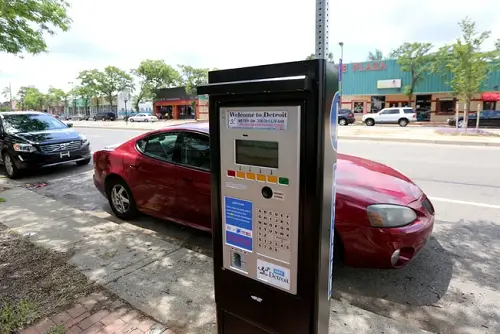
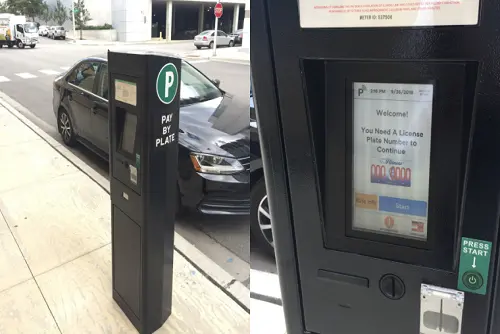
A multi-payment parking kiosk is a self-service terminal with many payment options in one cabinet. Drivers may pay using cash, coins, cards, QR codes, or other local payment methods for a charge. Operators put them in garages, airport lots, hospital campuses, retail centres, hotels, workplaces, and university parking lots. Units may be stand-alone or can interface with barrier controls, ticket dispensers, license plate recognition (LPR) cameras and parking management software. The automated pay kiosk is ideal for commercial parking projects where customers pay in various ways, and a manned station incurs continuing labour costs.
From Ticket to Exit Gate
Each payment is initiated by a parking session. Kiosk scans a ticket, barcode, QR code, RFID card, or plate record. It then computes the fare, displays the amount owed, accepts payment, and prints or sends a receipt. The parking management system refreshes the transaction and sends a command to the barrier to open. With the pay-on-foot option, the kiosk is located in the lobby or walkway so the drivers may pay before returning to their cars and the departure lane continues to flow. Exit terminals are located on the roadway and may be better suited to smaller locations. The traffic volume will dictate which type is appropriate for an automated pay kiosk for commercial parking projects.
Software Links, Remote Monitoring, and Offline Recovery
"A kiosk is only as good as its connection with your back office. It has to submit transactions to the parking software, notify alerts, and enable remote status checks. Operators with several sites require a single view of payments across all locations, with remote gate management where the programme allows. The second test is network loss. Ask how the kiosk keeps transactions during an outage, how it syncs after the fact, and what the barrier does in the interim. Offline restrictions secure income and avoid stopped lanes at unattended sites. I use them as a purchasing condition for any automated pay kiosk for commercial parking projects.
Payment Methods and Key Features
Cash, Card, QR and Contactless in One Cabinet
Cash still counts in the United States. The FDIC’s 2023 national survey indicated that around 4.2 percent of U.S. families were unbanked, while the Federal Reserve’s Diary of Consumer Payment Choice continues to show cash in daily usage. A card-only station might leave drivers with no payment options. Our automatic pay kiosk for commercial parking projects has cash, QR code, and credit card payments. Depending on the reader and payment provider you pick, contactless card or mobile wallet acceptance will be an option, so check that in the quote. Each digital channel also requires a processor and acquiring bank agreement.
Security, Durability, and Accessibility
Payment is merely a portion of the design. Look for a viewable display, a clear receipt printer, tamper alarms, encrypted communication, and secure administrator access. Ask who is responsible for each area. PCI DSS applies to an automated multi payment parking kiosks. PCI DSS applies to any system that stores, processes, or transmits cardholder data, including card payments on an automated pay kiosk. Outdoor units are exposed to rain, dust, heat, and glare. The IEC 60529 IP code includes dust and water protection; therefore, ask for the rating in writing. Regarding accessibility, the 2010 ADA Standards established the operable parts reach range at between 15 inches and 48 inches above the floor. When designing your location, check local restrictions.
Currency and Site Fit
Cash modules need additional care, since bill jams and currency mismatches are notorious problem areas in pay stations. The hardware for the bill and coin must be consistent with the U.S. notes and coins you expect to accept, including change regulations. Include currencies, denominations, and change giving in the purchase paperwork prior to manufacturing, and have the provider of your automated pay kiosk for commercial parking projects confirm them in writing. Then check the site out. Provide for electricity, network access, lighting, pedestrian clearance, and a safe location away from car lanes. A quick look before you order can save expensive movements later.
Our Automatic Pay Kiosk for Commercial Parking Projects: Specifications and Fit
Core Specifications
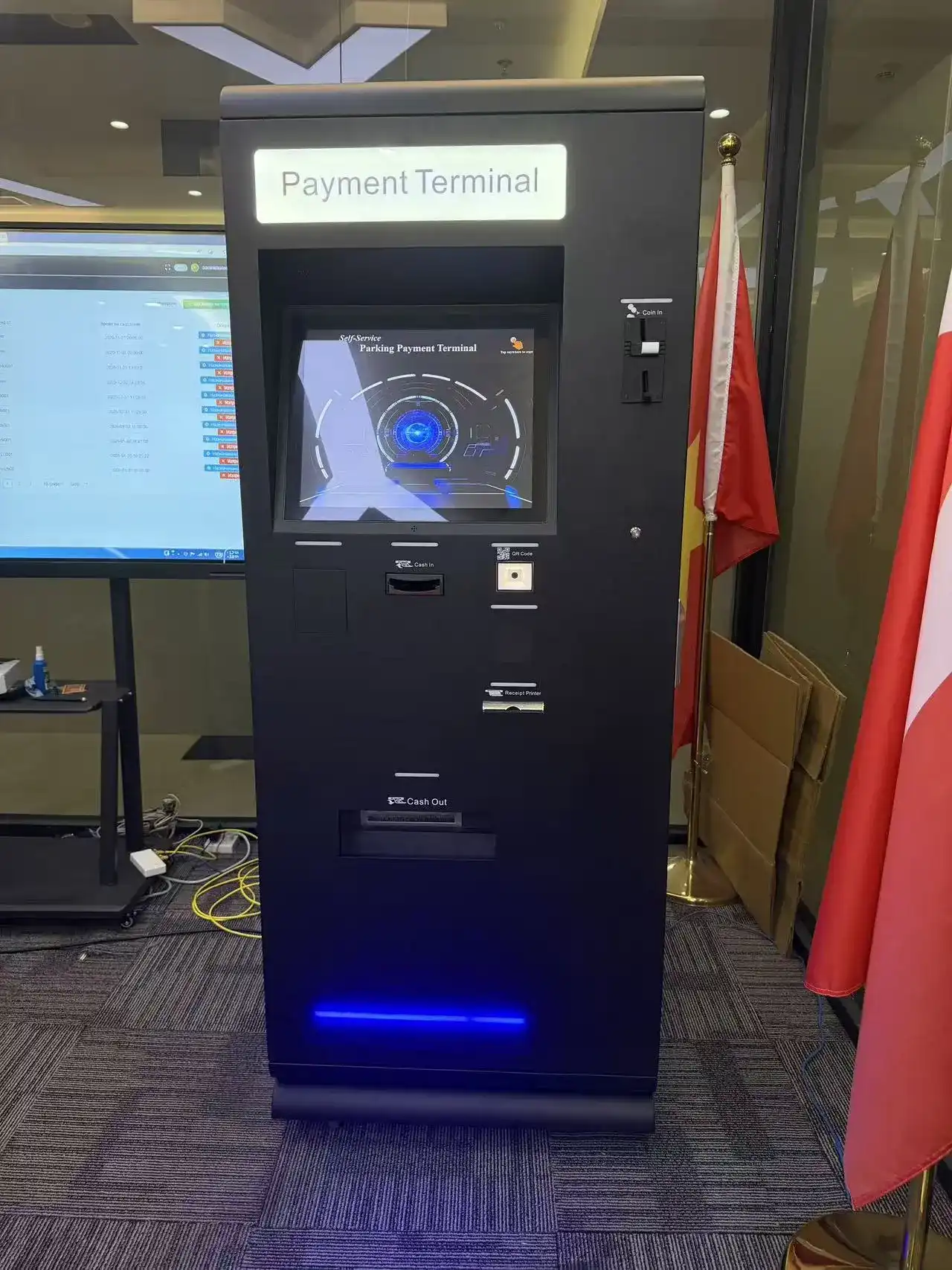
Here’s what’s in our automated pay kiosk for commercial parking projects. It operates on Android 4.0 and higher. The coin reception and change machine is project-specific with recycling. The note receiver and change machine with recycling is also customised. The device has a receipt printer. Payment choices include cash, QR code, and credit card. Any external force on the cabinet will activate an alert. CCTV monitoring is optional. ZOJE enables OEM and ODM work involving hardware and software customisation. We mention each module in the quote so you know precisely what you get.
Key Advantages for Operators
Here are the top benefits operators enquire most about when considering an automated pay kiosk for commercial parking projects:
- Operational efficiency: With many payment methods, each motorist may pay in their preferred manner, saving time at the station. Locating the kiosk in a walkway or lobby takes payment out of the exit lane, allowing cars to go through the barrier quicker during busy times.
- Cost savings: 24/7 unattended operation reduces booth personnel requirements. Cash recycling means that arriving banknotes and coins are re-circulated for change. Automated charge computation applies your tariff rules to every single session. Fewer manual processes also reduce human error in handling currency.
- Security and integration: The alarm responds to forced opening, and optional CCTV provides a visual record at the machine. The kiosk interfaces to current parking management systems and license plate recognition technology and uses real-time data for financial tracking, reporting and remote monitoring.
These benefits address the key expenses associated with a staffed booth: labour, cash handling and departure delays.
Applications Across Commercial Sites
Mixed-use retail centres typically provide validation incentives such as two free hours with a purchase, and the kiosk recalculates the charge at the time of payment. Hospitals require basic displays in accessible locations for patients and visitors and may handle multi-day passes. Airport lots have high traffic, foreign travellers, and many languages. A single platform is used for both employee passes and visitor fees in office buildings and linked to the gate controls. Test the validation, pass, and language features during the trial of any automated pay kiosk for commercial parking projects since they rely on the parking software and the configuration agreed with the provider.
Comparing and Choosing a Kiosk
Kiosk Versus Booths, Cashless Stations, and LPR
A manned booth still helps with valet service and difficult client queries, but adds labour for each shift. Cashless stations are more convenient, but might exclude drivers who pay with cash or coins. Ticketless LPR systems save paper but need reliable cameras and privacy guards. There is a multi-payment machine between these two. Automates payment, keeps cash accessible, and can link with LPR. Many sites use a blend of techniques. The proper balance is dictated by traffic volume, user profile, site circumstances, and integration capabilities. Compare each choice against your own lot data before selecting an automated pay kiosk for commercial parking projects.
Selection Criteria for Buyers
Give us your figures for parking capacity, peak traffic, average stay, operating hours, and user categories. Then choose the model you want: pay-on-foot, pay-at-exit, LPR, or hybrid. The technical examination should include payment modules, software compatibility, connection, environmental protection, accessibility, cybersecurity, and remote management. Integrators should first obtain interface documentation and SDK terms. In writing, they should enquire about how firmware upgrades influence the interface. If there are many operator lots, it is worth asking if the software licenses apply per lot and whether the platform locks them in. Clear answers now avoid automatic pay kiosk for commercial parking projects from becoming a pay kiosk for hidden costs down the road.
Total Cost and Pilot Testing
Unit pricing is just half of the tale. Add installation, licensing, payment processing fees, paper and other consumables, maintenance, replacement parts, and support. Mitigate the danger using a pilot. A single-lane trial, factory acceptance test, or demonstration allows your team to validate each payment method, receipt, alert, and software connection before a broader deployment. It’s customary to pilot for a few weeks and then roll out in waves. Log jam rates, missed payments, recovery processes during trial. Those records provide finance and IT teams with genuine facts when they authorise an automated pay kiosk for commercial parking projects at additional lots.
Procurement, Modular Design, and Risk Control
Writing a Clear RFQ and Planning Installation
A simple RFQ enables vendors to give prices you can compare for any automated pay kiosk for commercial parking projects. Define project site, parking capacity, traffic intensity, currencies, payment methods, integration interfaces, ecological conditions, delivery date, and necessary services. The installation package may comprise foundations, protective bollards, wiring, software setup, training, documentation, commissioning, and replacement parts. The site survey must verify electricity, network, drainage, lighting, traffic flow and mounting conditions. Document each payment method, barrier connection, reception function, offline scenario, alert, refund procedure, and recovery step during acceptance testing and get sign-off on each.
Why a Modular Design Works Long Term
With the modular automated pay kiosk for commercial parking projects, you may start small and scale up. You are able to set up payment modules, languages, currencies, branding, and LPR connections for each site. You can grow a pilot lane without changing the terminal. Common hardware makes training and replacement parts a breeze across lots. Since 2012, ZOJE has been designing & manufacturing parking systems and pedestrian turnstiles in Shenzhen. We operate under ISO 9001:2015 quality management standards and provide hardware/software customisation, OEM & ODM. Standard items are delivered in 5 to 7 days; customised products normally take 10 to 15 days. Sea and air transport, terminology DDU and DDP available.
Common Risks and How to Avoid Them
The lowest price typically conceals subsequent charges. Watch for integration work, processing costs, payment verification, insufficient resilience of the network, and sluggish spare-parts delivery. Match the payment mix to what your drivers really use, not to assumptions about digital habits. Ask suppliers about offline rules, failover, sync and recovery. For outdoor settings, water, dust, heat, frost, sunlight, corrosion and vandalism need to be reviewed. Agree on preventative maintenance, service agreements, diagnostic tools and necessary spares before establishing an automated pay kiosk for commercial parking projects. ZOJE provides a two-year guarantee and 24/7 worldwide after-sales assistance for its devices, providing unattended locations with a clear route to servicing.
Conclusion
An automatic pay kiosk for commercial parking projects combines card, QR and contactless choices into one unattended terminal, while an automated pay kiosk for commercial parking projects takes that concept and applies it to garages, hospitals, airports, shopping centres and workplaces. The article hits the same basic topics. The payment mix should be aligned with local drivers, and cash modules require a formal confirmation of currency and change restrictions. Security, weather protection and accessibility should be reviewed against PCI DSS, IP ratings and ADA reach ranges. A kiosk is a better fit for locations where labour expense, lines, and varied payment habits are issues, rather than manned booths, cashless stations, or LPR-only installations. Clear RFQs, offline rules, modular design, and pilots reduce procurement risk and safeguard income at unattended locations.
FAQ
1. Can one kiosk accept cash, cards, QR codes, and contactless payments?
Yes, when the project includes the matching modules. Our automatic pay kiosk for commercial parking projects lists cash, QR code, and credit card payment. Contactless acceptance depends on the card reader and payment provider, so confirm it in the quotation.
2. What happens when the network drops?
That depends on the configuration. Ask the supplier to document how the kiosk stores transactions during an outage, how it syncs afterward, and how the barrier behaves. Written offline rules protect revenue and keep lanes open. Test these steps during acceptance.
3. Can an automatic pay kiosk for commercial parking projects match U.S. bills and coins?
The coin and note recyclers are customized, so we set them to the currency and denominations in your order. Confirm bill types, coin types, and change rules in writing before production, and recheck them during the pilot. We reflect these details in the quotation.
Talk to ZOJE About Your Automatic Pay Kiosk for Commercial Parking Projects
ZOJE can match a configuration to your site, currency, and software. As an automatic pay kiosk for commercial parking projects at home and abroad, we offer OEM and ODM support, a two-year warranty, and 24/7 global after-sales service. Send your facility type, lane count, payment needs, and delivery date to info@zoje-tech.com, and our team will reply with a configuration and quotation.
References
1. ADA Standards for Accessible Design, U.S. Department of Justice, 2010
2. Payment Card Industry Data Security Standard (PCI DSS) v4.0, PCI Security Standards Council, 2022
3. FDIC National Survey of Unbanked and Underbanked Households, Federal Deposit Insurance Corporation, 2023
4. Findings from the Diary of Consumer Payment Choice, Federal Reserve Bank of San Francisco, 2023
5. IEC 60529: Degrees of Protection Provided by Enclosures (IP Code), International Electrotechnical Commission, 2013
6. ISO 9001:2015 Quality Management Systems: Requirements, International Organization for Standardization, 2015

Send Inquiry
You may like