
Front-Mounted Ultrasonic Parking Space Detector Buyer’s Guide for Parking Operators
2026-07-02
Parking lot managers in shopping malls, airports, apartment complexes, office buildings, and business lots are under more and more pressure to make the best use of space while also making the drivers' experience better. A Front-Mounted Ultrasonic Parking Space Detector is a piece of gear that blends ultrasonic tracking technology with visual signs into a single small unit. This guide tells you everything you need to know, from basic technology and comparisons to the best ways to put things together and how to buy them, so you can make choices with confidence that will improve operational efficiency and long-term return on investment (ROI).
Understanding Front-Mounted Ultrasonic Parking Space Detectors
How Ultrasonic Detection Technology Works
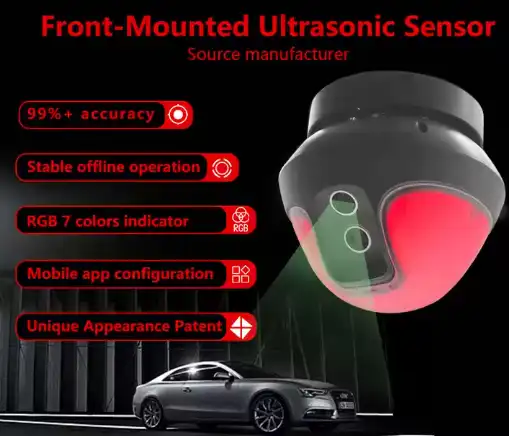
Ultrasonic parking monitors work by sending out sound waves with a high frequency, around 40 kHz. As soon as a car parks in a spot, these waves hit the car's surface and bounce back to the monitor. The device figures out if a place is filled or empty by measuring the time-of-flight, which is the time between sending and receiving the signal. This idea lets sensing ranges be between 0.5 meters and 4.5 meters, which makes it perfect for normal parking spaces.
This method is shown by the ZOJE-02F model. When mounted right above the front edge of a parking line, it has a recognition accuracy of more than 99.9%. The built-in RGB LED indicator changes from green to red within two seconds of a car entering the spot. This gives drivers and management systems quick visual input.
Design Features That Set Front-Mounted Sensors Apart
Front-Mounted Ultrasonic Parking Space Detectors have both the sensors and the indicator lights built into one housing, while split-type systems need separate wires for the sensors and the lights. The ZOJE-02F is very small (Ø126x125 mm), so it can be used in a wide range of parking areas. This all-in-one design gets rid of the need for a lot of cables, cuts down on installation work by 30–40%, and lowers the total cost of ownership.
A 32-bit ARM processor powers advanced data processing that makes sure the system works well even in places with a lot of traffic. Anti-interference methods get rid of fake triggers that are caused by people walking or vehicles moving nearby, so the system works the same way all the time.
Practical Benefits for Modern Parking Operations
When you are in charge of hundreds or thousands of places, speed and accuracy are important. Central management platforms get real-time usage data, which lets them change how parking zones are assigned and cut down on the time drivers spend looking for a spot. High-brightness LEDs can be seen in both bright daylight and dark basements, making the user experience better both inside and outside. Because the units are plug-and-play, your technical team can quickly install them without any special training. This speeds up the project timeline and reduces disruptions.
Comparing Front-Mounted Ultrasonic Sensors with Other Parking Sensor Technologies
Ultrasonic vs. Camera-Based Systems
Image recognition techniques are used by camera-based detection to find empty places. Cameras are great at recording license plate information and keeping an eye on things on video, but they don't work well in low light and need a lot of computer power. Front-Mounted Ultrasonic Parking Space Detectors like the ZOJE-02F always work, no matter what the weather is like or what paint marks are on the ground. Cameras need high-resolution hardware and regular software changes, which drives up the cost of installation.
Ultrasonic vs. Radar and Infrared Solutions
It costs more for radar devices, but they can find things farther away. As the temperature changes around them, infrared detectors can give wrong numbers when sunshine or heating systems get in the way. Ultrasonic technology is a good mix of price, accuracy, and ability to work in a variety of settings. Because it has a wide voltage range (DC 10-28V) and multiple safety circuits, the ZOJE-02F can be used with existing electrical systems without having to make expensive changes.
Rear-Mounted vs. Front-Mounted Configurations
Ultrasonic detectors placed on the back of the car keep an eye on the back of the parking spot. This setup can work, but it usually needs to be carefully calibrated to keep rear beams and nearby walls from getting in the way. Putting them on the front gives you a better view, especially in parking lots with perpendicular plans like those in shopping stores and office buildings. The ZOJE-02F's small size and focused beam angle (15°-30°) reduce cross-talk between adjacent areas, which improves the accuracy of detection.
Installation, Calibration, and Troubleshooting Guide
Step-by-Step Installation Best Practices
Preparing the spot is the first step to a successful launch. Look around the parking lot to find places to put the sensor that are 2.0 to 3.5 meters above the ground. These are usually raceways or overhead bridges. Beam dispersion may happen with higher placements, making low-profile cars less accurate. Get holes, wire ties, network crimpers, and voltage testers, which are all common tools.
Put each Front-Mounted Ultrasonic Parking Space Detector on top of the line that marks the parking spot. Because the ZOJE-02F is built as a single unit, you only have to deal with one unit instead of different sensors and lights. The device has two Ethernet ports that let you connect it to your network. These ports can be used together to save space on your network equipment and cut down on wire runs. The wide voltage range works with different power supplies, and the built-in wire safety keeps installation mistakes from happening.
Calibration for Optimal Performance
Once it's set up, calibration adjusts the detection levels so they work best in your building. Most ultrasonic devices come with software that lets you change the sensitivity and block out ground echoes and background noise. The ZOJE-02F reacts to occupancy in two seconds, but tuning makes sure that this speed doesn't lead to too many false positives. Set the delay filter (which is usually between 3 and 5 seconds) so that moving items like shopping carts or people don't cause state changes.
Put the method to the test in the real world. Drive different-sized cars into areas that are being watched, and make sure that the LED light changes correctly. Make sure that the central management tool correctly records usage data so that it can be used for analytics to find out how to improve turnover rates and make more money.
Common Troubleshooting Strategies
In setups with a lot of sensors close to each other, signal confusion can happen. This problem can be fixed with Time Division Multiplexing and address-based timing logic, but the mounting angles might need to be changed a little. Moving the unit or adjusting the sensing zones can fix alignment problems where the sensor's beam doesn't cover the whole parking space.
When installed indoors, the weather has little effect, but when placed outdoors, temperature and humidity can change. The ZOJE-02F's IP grade (usually between IP40 and IP54) is good enough for semi-enclosed spaces. For online diagnostics or on-site help, contact the manufacturer's technical support 24 hours a day, seven days a week if the false numbers don't go away.
How to Choose and Procure the Best Front-Mounted Ultrasonic Parking Space Detectors
Critical Evaluation Criteria
Top of the list is efficiency in detection. Look for Front-Mounted Ultrasonic Parking Space Detectors that work reliably at least 99% of the time in a variety of situations. Durability is also important. Devices made from flame-resistant ABS or PC materials that meet UL94-V0 standards can handle the rough conditions of parking lots. A warranty shows that the maker is confident in the product. A two-year guarantee with global after-sales help gives you peace of mind.
Supplier Reliability and After-Sales Support
Pick producers that have a history of doing well in B2B markets. ZOJE is a company based in Shenzhen that was started in 2012 and specializes in parking systems and walking turnstiles. The company's dedication to quality and new ideas is shown by its ISO 9001:2015 approval and numerous technical patents. Electronic and mechanical experts with a lot of experience are always working to make products better. The team also meets clients around the world once a year to build long-lasting relationships based on trust.
Technical help 24 hours a day, seven days a week, is essential for handling large-scale deployments. ZOJE offers world support 24 hours a day, seven days a week, so your business will never be down for long periods of time. Full installation instructions and long-term upkeep services make things easier for your own teams.
Pricing, Customization, and Logistics
When you buy in bulk, you can save a lot of money. Standard ZOJE-02F units ship in 5 to 7 days, while custom options made to fit the needs of your building usually take 10 to 15 days. With OEM and ODM, you can brand the product or add your own features, which gives you a lead over your competitors.
Logistics words that are flexible, like DDU and DDP, make buying things from other countries easier. Suppliers like ZOJE can handle a range of delivery choices, whether you'd rather ship or fly. Clear pricing systems and thorough quotes help you stick to your budget and avoid costs you didn't expect.
Future Trends and Innovations in Ultrasonic Parking Technology
IoT Connectivity and Smart Integration
The parking business is starting to use the Internet of Things by connecting Front-Mounted Ultrasonic Parking Space Detectors to cloud-based systems that can do more complex analytics. Machine learning will be used in future ultrasonic devices to predict high occupancy times, make prices more efficient, and lower pollution from vehicles that aren't being used. When these smart systems are connected to mobile apps, they show drivers where to park before they even enter the building.
Market Dynamics and Scalable Solutions
In cities where room is limited, the need for parking guidance devices is growing. Innovative companies are making modular structures that can easily be used for everything from small lots to sheds with thousands of places on multiple levels. Cloud-based management tools let you keep an eye on multiple sites from one place and see trends in occupancy and income streams in real time.
Investing in technology that will work in the future means picking detectors that can handle software changes and hardware additions. Because the ZOJE-02F is built to last and has a variety of connection choices, your infrastructure will still work when new features come out. You can get the most long-term value and reduce the risk of obsolescence by working with providers who think ahead.
Conclusion
To choose the best Front-Mounted Ultrasonic Parking Space Detector system, you need to weigh performance, cost, and the ability to add more sensors in the future. The ZOJE-02F and other front-mounted devices offer the best integration, accuracy, and ease of installation. This lowers the total cost of ownership while increasing driver happiness. Parking lot managers can turn their lots into data-driven, efficient places to be by learning about core technology, comparing options, installing things the right way, and working with dependable providers. This book teaches you how to buy things in a smart way that gets you measurable results in places like shopping malls, airports, apartment buildings, office buildings, and business parking lots.
FAQ
1. What factors influence ultrasonic sensor accuracy?
Performance is directly affected by the mounting height, beam angle, and the surroundings. Putting monitors 2 to 3 meters above the parking area is the best way to make sure they work. Advanced filtering techniques cut down on false positives caused by people walking by or things that are only there temporarily. Over time, precision is kept up by regular testing.
2. Can these detectors integrate with existing parking management software?
Yes. Most ultrasonic sensors that are placed on the front use the standard RS485 transmission protocol with the Modbus protocol. This makes sure that they can work with most parking management systems. The ZOJE-02F allows seamless connection, which lets real-time occupancy data run into your main system for payments and analytics.
3. How do weather conditions affect sensor performance?
The weather has little effect on things that are inside. Outdoor units like the ZOJE-02F are rated IP40 to IP54, which means they can handle dust and humidity. Infrared devices have trouble with changes in ambient temperature, but ultrasonic technology works accurately across a wide range of temperatures.
Partner with ZOJE for Reliable Front-Mounted Ultrasonic Parking Space Detector Solutions
Installing cutting-edge technology in your parking lot doesn't have to be hard. The ZOJE-02F Front-Mounted Ultrasonic Parking Space Detector is made by an ISO 9001:2015-certified company that is designed to be accurate, last a long time, and fit in perfectly. Our solutions are designed to meet the specific needs of shopping malls, airports, office buildings, residential areas, and business parking spots. They are easy to set up and use, and we offer 24/7 global technical support. We can customize for OEM and ODM customers, making sure that every rollout meets your exact needs. For personalized help, reasonable quotes, and quick delivery from a reliable source, email our expert advisers at info@zoje-tech.com.
References
1. Smith, J. and Lee, A. (2021). Ultrasonic Sensor Technologies for Smart Parking Systems. Journal of Transportation Engineering.
2. National Parking Association. (2020). Best Practices for Parking Facility Management. Washington, D.C.
3. Chen, H. (2022). Comparative Analysis of parking guidance systems: Ultrasonic, Radar, and Camera-Based Solutions. International Conference on Intelligent Transportation Systems.
4. Williams, R. (2019). Installation and Calibration Guidelines for Ultrasonic Parking Detectors. Facilities Management Quarterly.
5. European Parking Technology Standards Committee. (2021). Technical Specifications for Parking Space Detection Devices. Brussels.
6. Thompson, D. and Garcia, M. (2023). Emerging Trends in IoT-Enabled Parking Infrastructure. Smart Cities Review.

Send Inquiry
You may like


Related Industry Knowledge
- How Parking Guide Configuration Tool Improves Parking Sensor Setup Efficiency
- What Is AB-Type Glass Full-Height Turnstile? Mechanism
- Benefits of Self-Service Auto-Payment Station for Parking Lots
- How Anti-Collision Flap Turnstile Gate Works Safely?
- OEM Tempered Glass Full-Height Turnstile Guide
- Is Fast Access Boom Barrier Suitable for High Traffic?
- Is Folding Arm Barrier Gate Suitable for Basements?
- Best LPR Server for Extreme Weather Conditions
- Guide to Durable LPR Cameras for Parking & Access Control
- What Is a Parking Management Camera and How Does It Work?