
Is Folding Arm Barrier Gate Suitable for Basements?
2026-05-06
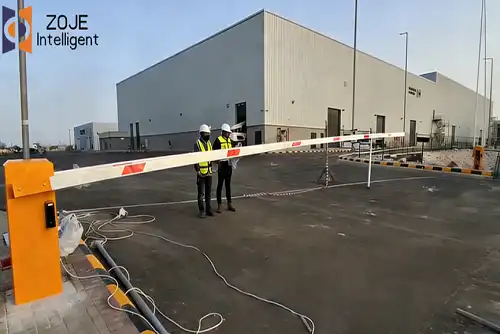
Of course. A folding arm barrier gate is the best way to control who can enter and leave a basement, where ceiling height and space limitations make it hard for regular access control systems to work. The High Speed Folding Arm boom barrier is designed to specifically deal with these problems that happen underground. It has an articulated dual-section design that retracts automatically during operation to remove ceiling impact risks while keeping throughput high. This technology is very useful in basements of shopping malls, office buildings, apartment complexes, airports, and commercial parking lots. It combines small folding mechanisms with engineering that focuses on durability to provide reliable performance in tough underground conditions where traditional straight-arm barriers just can't work.
Understanding Folding Arm Barrier Gates and Their Working Principles
Core Components That Define Performance
Modern folding arm barrier systems rely on tightly coordinated mechanical and electrical components to deliver stable, high-speed operation. The core of a High Speed Folding Arm Boom Barrier is a DC brushless servo motor, which offers precise control, low heat generation, and continuous-duty capability compared to traditional AC motors. This motor drives a three-link movement structure connected to a crank arm, ensuring smooth and synchronized folding motion. The boom itself consists of two articulated sections linked by high-strength rods or cables, allowing controlled folding at 90 or 180 degrees during lifting. Integration with IC/ID readers, QR scanners, LPR systems, ETC devices, and Bluetooth credentials enables flexible access control. Loop detectors and radar sensors automate operation by detecting vehicle presence, while wire control interfaces ensure compatibility with broader parking management systems through reliable switch-signal communication.
Material Selection for Basement Durability
Material choice directly impacts durability in basement environments where humidity, temperature variation, and corrosion risks are constant. The boom arm of a High Speed Folding Arm Boom Barrier is typically made from lightweight aluminum alloy, offering excellent strength-to-weight ratio and natural corrosion resistance. This reduces motor load during rapid cycles and minimizes damage during accidental impacts. The cabinet housing uses 2 mm cold-rolled steel with electrostatic powder coating, achieving IP54 or IP55 protection against dust and moisture. This structure supports stable operation across temperatures from -30°C to +70°C, ensuring reliability in poorly ventilated underground facilities. The coating also protects against chemical exposure from exhaust gases common in enclosed garages. Together, these materials enhance system lifespan, maintain structural integrity, and ensure consistent performance in challenging basement conditions without frequent maintenance or premature failure.
Operational Dynamics and Speed Capabilities
Speed is critical in basement traffic management, directly affecting user experience and operational efficiency. A High Speed Folding Arm Boom Barrier typically operates with opening times between 1.5 and 3 seconds, while closing speeds are slightly slower for safety. Adjustable motor controllers allow fine-tuning based on traffic flow, balancing throughput with risk reduction. The folding mechanism activates simultaneously with upward motion, enabling boom sections to collapse inward as the arm rises. This synchronized movement must be precisely calibrated during installation to ensure the folding completes exactly at the vertical position. Proper calibration prevents joint stress, reduces wear, and maintains smooth operation over time. This coordinated dynamic design ensures high efficiency during peak hours while preserving mechanical longevity, making it ideal for high-frequency basement parking applications with limited space and demanding performance requirements.
Key Factors to Consider When Installing Folding Arm Barrier Gates in Basements
Spatial Constraints and Clearance Solutions
Basement installations present unique spatial challenges due to limited ceiling height, typically between 2.8 and 3.2 meters. Traditional straight-arm barriers often cannot function in such environments because they require full vertical clearance equal to their length. A High Speed Folding Arm Boom Barrier solves this issue by folding its arm sections, effectively reducing vertical clearance requirements by nearly half. This allows installation in confined spaces without compromising functionality. Proper equipment selection must consider lane width and the relationship between boom length and available height. The primary rigid segment must remain shorter than the usable vertical space after accounting for cabinet height and overhead obstacles such as pipes and lighting fixtures. Careful planning ensures smooth operation without collisions, maximizing both safety and usability in underground parking layouts where space optimization is essential.
Safety Features for Enclosed Environments
Underground environments demand enhanced safety due to limited visibility and confined movement. A High Speed Folding Arm Boom Barrier incorporates multi-layer protection systems to address these risks. Pressure-sensitive edges trigger immediate reversal when force exceeds safe thresholds, typically below 2.5 kg. Infrared photocells create invisible detection zones, stopping operation when obstacles are detected, while loop detectors confirm vehicle presence to prevent premature closing. Tamper alarms add security by detecting unauthorized access attempts and sending alerts to operators, especially useful in unmanned facilities. Emergency manual release systems allow operation during power outages, ensuring vehicles are not trapped underground. Once power is restored, the system resumes automatic function. These integrated safety features reduce accidents, enhance user confidence, and ensure reliable operation in enclosed parking environments with high traffic density and limited maneuvering space.
Environmental Factors and Corrosion Resistance
Basements expose equipment to persistent moisture, poor ventilation, and chemical pollutants from vehicle emissions. A High Speed Folding Arm Boom Barrier addresses these challenges through sealed cabinet designs with IP55 protection, preventing moisture ingress. Optional heating elements maintain internal temperature stability and prevent condensation on sensitive electronics. Articulation joints, the most vulnerable components, use sealed bearings and specialized low-temperature grease to resist corrosion and maintain performance. Regular maintenance includes cleaning and inspection every six months to detect wear or lubrication issues. Structural stability is also critical, as vibrations from traffic or building movement can loosen mounting systems over time. Chemical anchors are preferred over expansion bolts for stronger long-term fixation in reinforced concrete slabs. These measures ensure durability, reduce maintenance frequency, and maintain consistent operation in harsh underground environments.
Comparing Folding Arm Barrier Gates with Other Barrier Types for Basements
Performance Advantages Over Rigid Arm Systems
Folding arm barriers offer clear advantages over rigid systems in basement applications. Traditional barriers require full vertical clearance, making them unsuitable for low ceilings. A High Speed Folding Arm Boom Barrier eliminates this limitation through its folding design, enabling installation in confined spaces without reducing lane coverage. Operational speed is another key benefit, with folding systems opening in 1.5 to 3 seconds compared to 4 to 6 seconds for rigid barriers. This improves traffic flow and reduces waiting times significantly during peak periods. Despite added mechanical complexity, modern folding systems achieve durability comparable to high-end rigid barriers, often exceeding five million cycles. Precision-engineered joints and industrial-grade bearings ensure long-term reliability. These advantages make folding barriers a superior solution for high-traffic basement environments requiring both efficiency and adaptability.
Sliding and Swing Gate Comparisons
Sliding and swing gates present alternative solutions but are less suitable for basement use. Sliding gates require lateral space equal to their width, reducing available parking area and complicating installation due to rail requirements. Swing gates need large clearance arcs, which conflict with structural columns and tight layouts common in underground facilities. In contrast, a High Speed Folding Arm Boom Barrier operates within minimal space and delivers faster cycle times. Sliding and swing systems typically require 8 to 10 seconds per cycle, limiting throughput. Folding barriers provide a compact, efficient solution that maximizes usable space while maintaining high operational speed, making them more practical for modern basement parking designs.
Energy Efficiency and Automation Considerations
Energy efficiency significantly impacts long-term operational costs. A High Speed Folding Arm Boom Barrier uses DC brushless motors, consuming around 150–200 watts during operation and less than 15 watts in standby mode. This is considerably lower than AC-driven systems, which consume more power both during operation and idle periods. Integration with automation systems further enhances efficiency. Compatibility with LPR, mobile credentials, and cloud platforms enables unattended operation, reducing labor costs. Wire control interfaces support integration with existing systems, though compatibility with switch-signal inputs must be verified. These features improve overall system efficiency, reduce energy expenses, and support modern automated parking management strategies.
Installation and Maintenance Guide for High-Speed Folding Arm Barriers in Basements
Site Preparation and Mounting Procedures
Proper site preparation ensures reliable installation. The mounting surface must have sufficient structural strength, with concrete thickness of at least 150 mm and compressive strength above 25 MPa. Surface inspection should identify cracks or defects that could compromise stability. Drainage planning prevents water accumulation around the cabinet. Electrical systems require dedicated circuits with surge protection, typically handling 10–15 amps at 220VAC. Cable routing must comply with safety standards and avoid interference with other systems. Installation involves precise drilling, correct anchor sizing, and torque verification. Loop detector installation requires accurate slot cutting for effective vehicle detection. Careful execution ensures stable operation and long-term reliability of the High Speed Folding Arm Boom Barrier.
Routine Maintenance Protocols for Extended Lifespan
Preventive maintenance is essential for maximizing lifespan and performance. Key service areas include articulation joints, which should be inspected every six months for wear, looseness, and lubrication condition. Low-temperature synthetic grease should be applied appropriately to maintain smooth movement. Cabinet inspections every three months help detect moisture damage, overheating signs, or loose connections. Sensor cleaning is necessary to prevent false detections caused by dust and exhaust buildup. Motor cooling systems should be maintained for efficient thermal performance. Functional testing, including auto-reverse and photocell alignment checks, ensures safety systems operate correctly. Regular maintenance reduces unexpected failures and supports consistent performance of the High Speed Folding Arm Boom Barrier.
Troubleshooting Common Basement Installation Issues
Basement environments introduce unique failure modes. Moisture-related electrical issues can cause erratic behavior due to condensation on circuit boards. Diagnosis often requires monitoring environmental conditions over time. Solutions include improved ventilation, heating elements, or moisture control materials. Vibrations from nearby traffic can misalign sensors or trigger false signals, requiring damping solutions or structural reinforcement. Communication issues may arise from grounding problems or voltage drops in long cable runs. Proper grounding design and shielded cables help prevent interference. Addressing these issues ensures stable operation and minimizes disruptions in High Speed Folding Arm Boom Barrier systems.
Procurement Considerations: How to Choose the Right Folding Arm Barrier for Basement Use
Critical Specifications and Performance Criteria
Selecting the right system requires balancing technical performance and business needs. Operational speed should match traffic demand, with 1.5-second cycles ideal for high-volume sites. Durability ratings, such as five million cycles, indicate long-term reliability. Lower-rated systems may require frequent replacement, increasing total cost. Safety certifications and compliance standards validate performance and reduce risk. Energy-efficient DC motors lower operating costs while improving control precision. A High Speed Folding Arm Boom Barrier meeting these criteria delivers optimal performance and long-term value.
Supplier Evaluation and Partnership Criteria
Choosing a reliable supplier is critical for long-term success. Experienced manufacturers demonstrate proven capability and provide valuable technical support. Companies like ZOJE Intelligent Technology offer engineering expertise, customization options, and certified production processes. Strong after-sales support, including 24/7 technical assistance and regular service visits, ensures operational continuity. Warranty terms should clearly define coverage, including parts and labor. Long-term service availability prevents obsolescence concerns. Partnering with a dependable supplier ensures consistent performance and support throughout the lifecycle of the High Speed Folding Arm Boom Barrier.
Cost-Benefit Analysis and ROI Considerations
A full cost analysis includes energy use, maintenance, and operational efficiency. DC motor systems reduce energy costs significantly over time compared to AC systems. Maintenance savings result from durable components and extended service intervals. Higher cycle ratings reduce replacement frequency, lowering lifecycle costs. Improved processing speed increases facility capacity, delaying expansion investments. Automation integration reduces staffing expenses, though monitoring remains necessary. Bulk purchasing and OEM partnerships provide cost advantages and customization flexibility. Overall, the High Speed Folding Arm Boom Barrier delivers strong ROI through efficiency, durability, and reduced long-term operating costs.
Conclusion
Finally, folding arm barrier gates are ideal for airport, retail mall, neighbourhood, office building, and commercial parking lot basement installations. The articulated form saves space and overcomes ceiling clearance concerns that disable traditional barriers. It relieves rush-hour traffic in 1.5–3 seconds. In humid underground locations with temperature fluctuations and continuous operation test equipment, durability engineering that allows over five million maintenance-free cycles extends equipment life. Safety features like triple anti-crushing and tamper alarms solve underground parking lot problems. Complex automation is possible with LPR, mobile passwords, and parking management systems. A realistic total ownership cost analysis, rigors specification analysis, and experienced supplier selection help procurement options balance performance and budget. Basement access control systems work best in severe conditions.
FAQ
1. What ceiling height is required for folding arm barrier installation?
Most folding arm barriers only need a minimum ceiling height of 2.8 to 3.0 meters, which is a lot less than fixed arm barriers that need a clearance of the same length as their boom. The exact need varies on the height of the cabinet (usually between 1 and 2 meters) plus the height of the fallen boom. During the site survey, make sure there is enough space by measuring from the mounting surface to the lowest overhead object, such as a pipe, conduit, lighting device, or structural member. Custom arm length setups can work in places that aren't very flexible, but very short arms may need extra security to keep people from getting around the access point without permission.
2. How does the manual release mechanism work during power failures?
The motor wheel release system has a human switch that lets the barrier work even when there is no power. A keyed release device, which is usually reached through the cabinet door, separates the motor from the drive train. This lets the arm be raised or lowered by hand. This safety keeps cars from getting stuck in underground facilities when the power goes out or something goes wrong with the equipment. When power comes back on, the system goes back to powered operation mode immediately. This reconnects the motor connection and starts up the normal access control functions again. This automatic restart gets rid of the need for technicians to come out and keeps security steps in place as soon as the power comes back on.
3. What maintenance frequency do folding barriers require in basement environments?
Every three months, the inside of cabinets in basement setups should be checked for moisture intrusion, sensor cleaning, and the integrity of electrical connections. Every six months, the articulation joint needs to be carefully checked out. This includes re-greasing, checking the force on the fasteners, and looking at the wear pattern. A full service once a year should include fully checking all safety systems, updating any control system software that needs it, and keeping detailed records of the state of each part to help with planning preventative maintenance. Facilities with very high cycle counts—more than 1,000 operations per day—may need to check on mechanical parts more often. However, high-end equipment designed to last five million cycles should continue to work reliably under normal business conditions with standard maintenance procedures.
Partner with ZOJE for Reliable Basement Barrier Solutions
The folding arm boom barriers made by ZOJE Technology have been tested and proven to work in basements where room is limited and operating needs make it hard for regular access control systems to do their job. Our High Speed Folding Arm Boom Barrier manufacturer uses advanced DC brushless motor technology, three anti-crushing safety systems, and strong construction that can withstand over five million cycles. This makes it reliable in underground parking lots that serve airports, shopping malls, residential communities, and businesses. ZOJE provides complete solutions with ISO 9001:2015 certification, technical support that is available 24/7 and responds within 30 minutes, a two-year warranty, and the ability to customize products in a way that supports OEM partnerships. They also offer yearly in-person visits to customers and a lifetime maintenance commitment. Get in touch with our engineering team at info@zoje-tech.com to talk about your specific basement installation needs and get detailed technical specifications, project timelines, and competitive quotes for High Speed Folding Arm Boom Barrier systems that are tailored to the specific operational needs of your facility.
References
1. International Parking & Mobility Institute. (2021). Parking Structure Design Guidelines: Access Control Systems for Underground Facilities. Washington, DC: IPMI Publications.
2. Chen, W., & Morrison, R. (2020). "Articulated Barrier Gate Performance in Low-Clearance Applications." Journal of Transportation Engineering and Infrastructure, 146(8), 04020067.
3. National Fire Protection Association. (2022). NFPA 88A: Standard for Parking Structures - Life Safety and Access Control Requirements. Quincy, MA: NFPA.
4. Rodriguez, M. T. (2019). "Comparative Analysis of Access Control Technologies for Subterranean Parking Facilities." Security Management Today, 42(3), 28-35.
5. British Parking Association. (2023). Technical Specification for Automated Vehicle Barrier Systems. Sussex, UK: BPA Standards Committee.
6. Zhang, L., Kumar, S., & Williams, P. (2022). "Corrosion Resistance and Lifecycle Performance of Barrier Gate Materials in Underground Environments." Materials Performance and Characterization, 11(2), 215-234.

Send Inquiry
You may like

Related Industry Knowledge
- Is Straight Arm Barrier Gate Reliable Outdoors?
- Interlocking Full-Height Turnstile Gate Structure
- Fast Access Boom Barrier Benefits in Traffic Control
- Is Traffic Control Barrier Gate Durable?
- Is Unattended Access Control Turnstile Reliable?
- Best Collision-Proof FlapTurnstile for High Traffic
- What Is License Plate Recognition and How It Works in 2026?
- How to Deploy Urban License Plate Recognition System Efficiently?
- Top 24/7 Unattended Parking Systems to Cut Labor Costs
- What Is Ticketless Vehicle Access Control in Smart Parking?