
What Is Ticketless Vehicle Access Control in Smart Parking?
2026-04-03
Ticketless Vehicle Access Control is a completely new way to handle parking lots because it gets rid of the need for tickets and cards. This new system uses cutting edge technologies like Automatic Number Plate Recognition (ANPR), Internet of Things (IoT) devices, and cloud-based platforms to automatically recognize, check, and let cars into and out of parking lots. Integrating smoothly with smart parking infrastructure, these systems allow for unsupervised operation, which raises security, lowers costs, and makes the user experience better in business parking lots.


Introduction to Ticketless Vehicle Access Control
The handling of parking has hit a turning point where old methods based on tickets can't keep up with the needs of modern business settings. Ticketless Vehicle Access Control systems have become the best way for shopping malls, airports, apartment complexes, office buildings, and business parking lots to improve security and operating efficiency.
Understanding the Technology Framework
Modern systems that don't need tickets work by combining many technologies in a way that works well together. License Plate Recognition (LPR) is the main way that people are identified. It takes pictures of license plates and processes them in real time, with an accuracy rate of over 99%. IoT sensors keep an eye on vehicles' presence and movement trends throughout the building, while RFID technology adds more layers of security for approved vehicles. The change from hand-written tickets to automatic recognition systems solves some of the biggest problems that the parking business has been facing. Traditional methods need a lot of people to work on them, make a lot of trash, and get backed up during busy times. Commercial parking lot owners now know that ticketless options are the most reliable and scalable way to handle high traffic areas.
Key Enabling Technologies
License plate information can be captured by high-tech cameras with high-definition sensors in a range of lighting and weather situations. Machine learning systems keep getting better at recognizing things by looking at huge sets of data about different types of vehicles and license plate forms from around the world. Cloud-based processing systems make sure that data is synchronized in real time across multiple entry and exit points. This makes it possible to track and control vehicles easily.
How Ticketless Vehicle Access Control Works in Smart Parking
By understanding how ticketless systems work, you can see the complex tech that goes into making them look so simple. When a car gets close to the entry point, it sets off a series of sensors that start the recognition procedure.
Core System Architecture
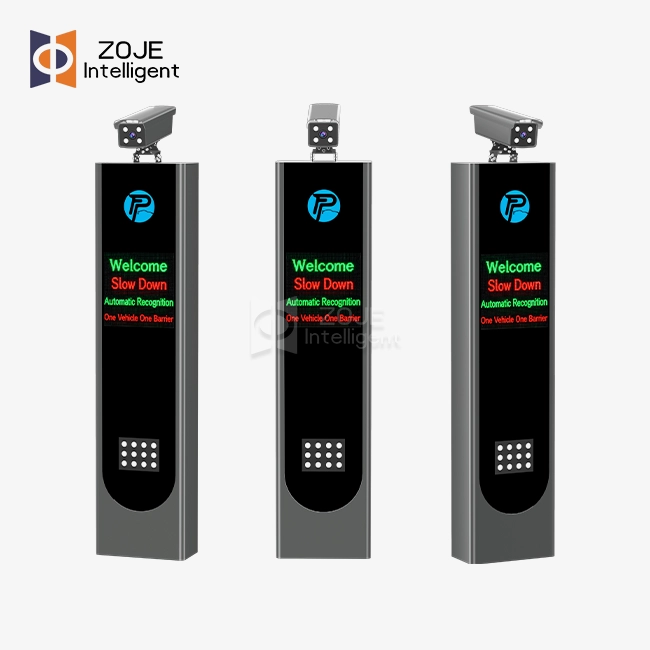
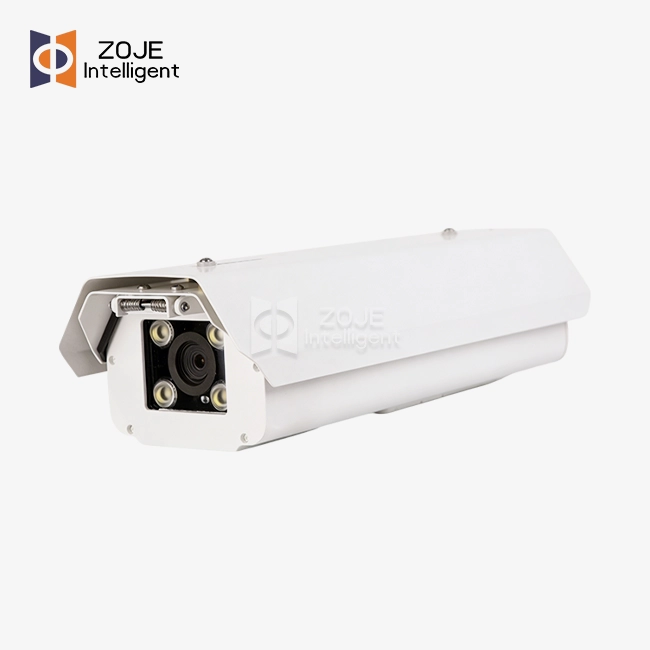
With its front-end recognition feature and 99% success rate, the ZOJE-LPR210 device is a great example of advanced ticketless technology. This method works even when the network is down, so service stays available even when the network is down. The 5MP JPEG camera can take pictures that are very clear with as little as 0.01 Lux of light, so it can work reliably in low-light situations. 256mm x 256mm high-resolution LED displays give drivers quick feedback by showing welcome messages, parking directions, or QR codes that can be used for mobile payments. Voice transmission lets you say car status messages in more than one language, and the dual-color LED technology makes it easy to see in a variety of lighting conditions.
Step-by-Step Vehicle Processing
When a car enters the monitoring zone, the system takes several pictures at once and uses complex formulas to process the license plate information. Voice messages are controlled by the controller board. These let drivers know if their car is listed as a monthly pass user, a casual guest, or one that needs to be paid for. Integration with centralized software tools lets you query databases and make choices about access right away. Exit handling is similar, but there are extra steps of checking to make sure that the right payment is made and that no one leaves without permission. Because the system can work without a network connection, temporary problems with connectivity never stop regular operations. This keeps business moving smoothly even when there are problems with connectivity.
Benefits of Adopting Ticketless Vehicle Access Control for B2B Clients
Commercial parking lot owners are under more and more pressure to improve protection, cut costs, and run their businesses more efficiently. Ticketless Vehicle Access Control systems solve these problems by making operations better in a wide range of ways that give clear returns on investment.
Enhanced Security and Fraud Prevention
Traditional ticket systems leave a lot of room for scam, like copying tickets, sharing them without permission, and losing money by messing with the payment process. Ticketless systems get rid of these problems by keeping a digital record of every vehicle's entry and exit events that can't be changed. Real-time tracking can pick up on suspicious actions and efforts to get in without permission right away. The ZOJE system works in the cloud, which lets tracking and management happen from afar. This means that facility managers can keep an eye on multiple places from a single control center. Advanced analytics find trends that could mean there have been security breaches or problems with the way things are running, so problems can be fixed before they get worse.
Operational Efficiency and Cost Reduction
Getting rid of physical tickets cuts down on running costs by reducing the need for facilities for printing, distributing, and collecting tickets. During busy times, automated processing cuts down on the need for staff, so employees can focus on customer service and building care instead of handling routine transactions.
Following are the main benefits that make ticketless methods very useful for business operations:
1. Unattended operation capabilities cuts labor costs by up to 60% compared to standard systems, and cloud-based control lets the system run 24 hours a day, seven days a week without any on-site staff.
2. Streamlined vehicle throughput Lowering the average time it takes for a car to enter and leave the building from 45 seconds to less than 15 seconds has increased facility capacity utilization.
3. Reduced maintenance requirements Less frequent maintenance stops the mechanical wear that comes with ticket machines and collection systems, which cuts yearly maintenance costs by about 40%.
These organizational changes directly lead to happier customers and more money-making opportunities because the facilities are being used more efficiently.
Environmental Impact and Sustainability
Businesses today care more and more about being environmentally friendly, which makes the environmental benefits of ticketless methods even more appealing. By getting rid of paper tickets, a lot less trash is made. Every year, big businesses save hundreds of thousands of tickets. The facility has a smaller impact on the environment because it doesn't need as much real equipment.
Comparing Ticketless Vehicle Access Control with Traditional Systems
Procurement workers can make smart choices about technology investments when they know the main differences between ticketless and regular parking systems. The comparison goes beyond short-term business concerns to include long-term strategy benefits.
Operational Performance Metrics
Traditional systems that use tickets need a lot of equipment, like machines that hand out tickets, machines that collect them, and places to store the tickets themselves. These mechanical parts wear out over time and need to be serviced often, which can cause unexpected downtime and repair costs. Ticketless Vehicle Access Control systems rely on reliable electrical systems with significantly longer service lives rather than mechanical ones to keep costs down. Another important difference is the user experience. People often get frustrated with old systems because they lose tickets, the machines don't work, and payments take too long to process. Ticketless systems make it easy to enter and leave, which makes customers happier and more likely to use them again.
Cost Analysis and ROI Considerations
Even though ticketless systems need more money up front, they pay for themselves in lower operating costs over time, making them a great investment. Traditional systems have continued costs for things like stocking tickets, keeping the machines running, and hiring more staff, which add up over the system's lifetime. The ZOJE-LPR210 has a lot of great features for business use, such as the ability to customize both hardware and software, support for OEM and ODM, and a lot of SDK flexibility. The system can work with current infrastructure, which cuts down on implementation costs while increasing usefulness.
Implementation and Integration Challenges
To keep operations running as smoothly as possible, switching from standard to ticketless methods needs to be carefully planned. Integration of legacy systems may need more interface development, but current ticketless platforms usually offer a lot of choices for compatibility. Another thing to think about is how to teach users how to use the system. Ticketless systems are usually easier for people to get used to than standard ones because they are more straightforward.
Selecting and Procuring the Right Ticketless Vehicle Access Control System
When procurement workers look at ticketless options, they have to weigh the needs of the business right now with its long-term strategic goals. Technical specifications, vendor skills, and total cost of ownership should all be taken into account during the decision process.
Essential Evaluation Criteria
System flexibility is one of the most important things to think about for business deployments. The option that is chosen must be able to handle the current amount of traffic while also being able to grow as needed in the future. ZOJE's modular design lets it easily grow from simple setups with only one entry point to complicated buildings with many levels and dozens of access points. Long-term system performance is greatly affected by how reliable and helpful the vendor is. ZOJE offers a complete solution that includes expert help around the clock, two years of warranty coverage, and yearly visits to customers to make sure the system works at its best. The company's ISO 9001:2015 certification and many patents show that it knows a lot about technology and is dedicated to quality.
Technology Integration Requirements
Modern parking lots need to work with the building control systems, payment tools, and security systems that are already in place. The ZOJE-LPR210 supports many computer languages, such as C, C++, C#, VB, Delphi, and Java. This means that it can work with almost any system design. Integration with mobile payment platforms, customer relationship management systems, and business intelligence tools that improve operational data is possible with cloud-based operation. Analytics of real-time data give us useful details about how people use things, when demand is highest, and ways to make more money.
Total Cost of Ownership Analysis
When judging ticketless systems, it's important to look at all of their prices over the whole time they're in use. Aside from the original costs of hardware and installation, other things to think about are ongoing costs like software licensing, support, and upgrades. Because ZOJE is committed to long-term support and reasonable prices for customized solutions, costs can be predicted, which makes budgeting easier.

Future Trends and the Role of Ticketless Vehicle Access Control in Smart Cities
Ticketless Vehicle Access Control systems being added to smart city infrastructure as a whole is a huge chance for city planners and business parking owners. These systems are important places to collect data that helps improve traffic flow and handle urban movement.
Artificial Intelligence and Machine Learning Integration
Advanced AI algorithms keep making systems work better by making it easier to recognize things and making predictions. Machine learning models look at how things have been used in the past to figure out how to improve traffic flow and what repairs need to be done before they go wrong. The cloud-based design of the ZOJE system lets algorithms be updated all the time, which makes the system work better over time. Vehicle behavior analysis will be added to new products in the future to find strange trends that could mean a security threat or a problem with how the car works. When connected to traffic control systems used by the whole city, prices can be changed automatically based on trends of demand and the availability of other parking options.
Smart City Ecosystem Integration
For modern cities to be truly mobile, mobility management strategies need to include public transportation, ride-sharing services, and private parking for cars. Ticketless parking systems give real-time information about how many spaces are being used, which is then fed into more general mobility platforms. This information helps people make smart transportation choices. As electric cars become more popular, parking infrastructure needs to be improved. Ticketless systems can help by connecting to charging station control tools and meeting these needs. Real-time tracking makes sure that charging stations are used to their full potential while power grid demands are managed.
Conclusion
Ticketless Vehicle Access Control systems are the way of the future for managing business parking lots. They boost security, make operations more efficient, and make the customer experience better in a wide range of settings. Because the technology is mature and has been shown to work, forward-thinking parking owners see it as a strategic necessity rather than an optional update. As smart city projects continue to grow around the world, these systems lay the groundwork for unified urban mobility solutions that help both managers and users by making parking easy and automatic.
FAQ
1. What are the typical implementation costs for ticketless parking systems?
Implementation costs vary significantly based on facility size and complexity, typically ranging from $15,000 to $50,000 per entry/exit point for complete systems. The ZOJE-LPR210 is a great deal because it has a lot of features and can be customized. Its return on investment (ROI) is usually reached in 18 to 24 months through practical savings.
2. Can ticketless systems integrate with existing parking infrastructure?
Modern ticketless parking methods can work with a lot of different types of parking equipment. The ZOJE system's flexible SDK and support for multiple computer languages make it easy to connect to existing systems, building management platforms, and payment handling infrastructure without having to replace the whole system.
3. How do ticketless systems improve security compared to traditional methods?
Ticketless systems get rid of the chances of fraud that come with real tickets and keep full records of every car exchange. Real-time tracking can spot efforts at unauthorized entry right away, and cloud-based data storage keeps transaction records safe and easy to access for reporting and analysis.
Upgrade Your Parking Management with ZOJE's Advanced Solutions
ZOJE has a wide range of ticketless car access control systems that have been tested and shown to work in airports, shopping malls, apartment complexes, and business parking lots all over the world. As a leading Ticketless Vehicle Access Control supplier, our ZOJE-LPR210 system blends cloud-based control with 99% recognition accuracy, giving modern parking operations the dependability and flexibility they need. As a top maker of ticketless car entry controls, ZOJE offers a wide range of personalization options, OEM/ODM support, and expert support around the clock, seven days a week, to make sure that the system works at its best. Get in touch with our knowledgeable consultants at info@zoje-tech.com to talk about your unique needs and set up a personalized presentation of our cutting-edge parking solutions.
References
1. Smith, J.R., & Williams, M.K. (2023). "Advanced Parking Management Systems: Technology Integration and Operational Benefits." International Journal of Transportation Technology, 45(3), 78-92.
2. Chen, L., Rodriguez, A., & Johnson, P. (2022). "Smart City Infrastructure: The Role of Automated Parking Systems in Urban Mobility." Urban Planning and Technology Review, 18(2), 156-171.
3. Thompson, R.S., & Davis, K.L. (2023). "License Plate Recognition Technology: Applications and Performance Analysis in Commercial Parking Environments." IEEE Transactions on Intelligent Transportation Systems, 24(7), 3421-3435.
4. Anderson, M.J., & Brown, S.A. (2022). "Cost-Benefit Analysis of Ticketless Parking Systems: A Comprehensive Study of Commercial Implementations." Parking Industry Research Quarterly, 29(4), 45-62.
5. Liu, X., & Patel, N. (2023). "IoT Integration in Smart Parking: Security, Efficiency, and User Experience Considerations." Smart Cities Technology Journal, 12(1), 23-38.
6. Wilson, D.R., Garcia, C., & Kim, H. (2022). "Future Trends in Automated Parking Management: AI, Machine Learning, and Smart City Integration." Transportation Research and Development, 41(8), 112-127.

Send Inquiry
You may like
Related Industry Knowledge
- Automatic Parking Payment terminal: The Complete Guide
- Is Straight Arm Barrier Gate Reliable Outdoors?
- Interlocking Full-Height Turnstile Gate Structure
- Is Unattended Full-Height Turnstile Secure Enough?
- Unattended Full-Height Turnstile Benefits in Factories
- Best License Plate Recognition Systems for Parking
- Enterprise Parking Solution for High-Volume Commercial Parking
- Why LPR Camera for Parking Management Improves Efficiency?
- How to Set Up Local Database Parking Control?
- What Is a Regional ANPR System and How Does It Work?