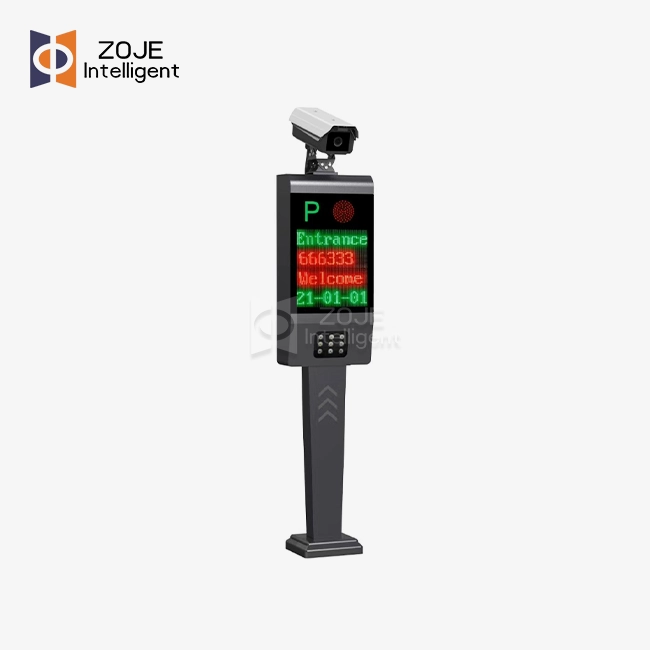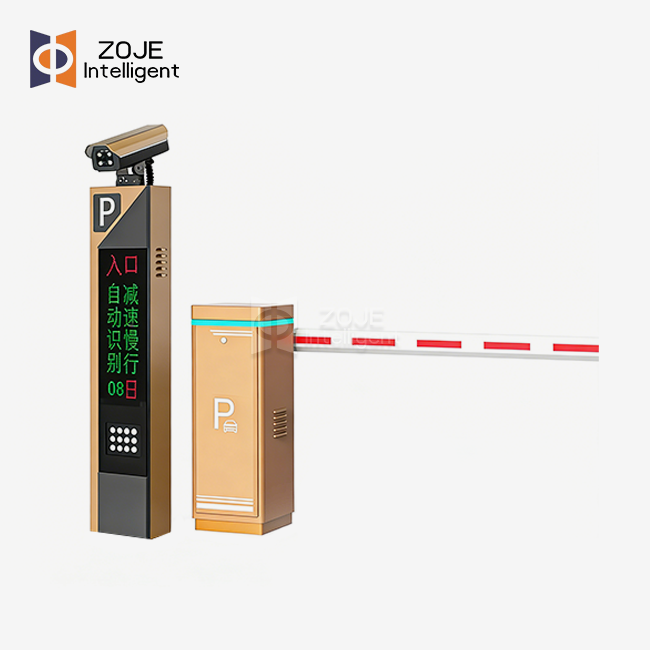
LPR for Multi-Site Parking
2.Recognition rate:99%
3.Recognition Regions:Around world
4.Support offline use:Front-end recognition, unaffected by network delay/offline
5.Support hardware/software customized,support various types of secondary development
6.Support outdoor use
7.24/7 service
8.Support OEM and ODM

- Face to Face Discussion
- Quality Assurance
- 24/7 Customer Service
Product Introduction
LPR for Multi-Site Parking — Centralized License Plate Recognition for Multi-Location Parking Management
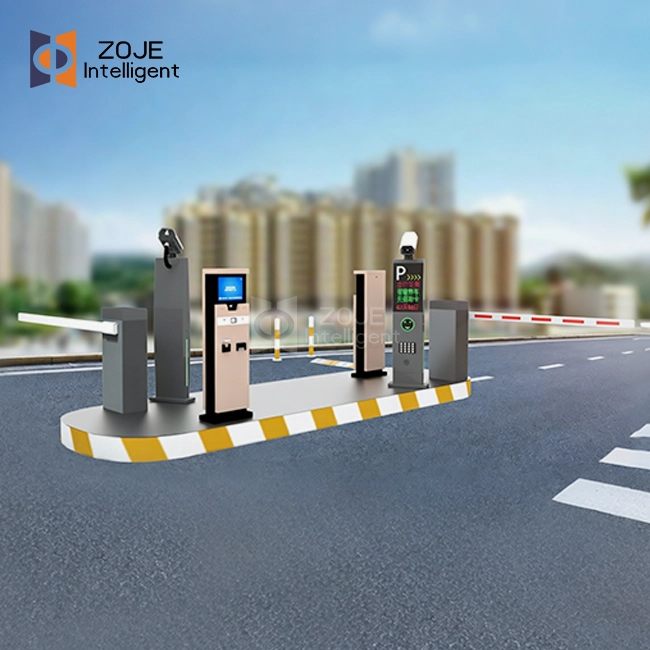
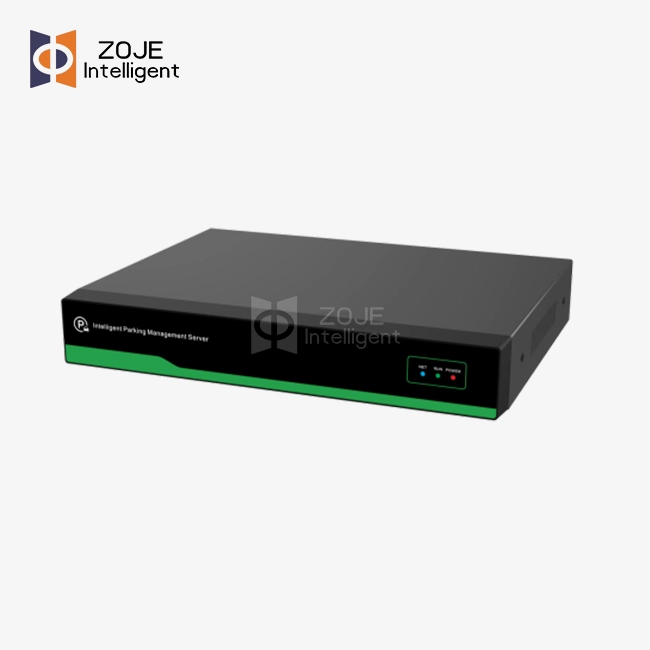
LPR for Multi-Site Parking links license plate recognition gear at facilities spread across different regions into one management dashboard. No separate server is needed at each site. Recognition data is processed at the edge, then sent to a shared cloud or hybrid-cloud platform. That takes less than one second. Property managers, institutions, and municipalities can then apply the same access rules everywhere. Allowlists get shared. Reporting covers every site they run, and no dedicated IT setup is required at each location.
What Is This Product?
Older parking setups leave data scattered. Every site runs its own server and keeps its own allowlist. Enforcement logic sits locally too. The result is hard to oversee as a whole, and workflows that span several sites turn impractical.
This solution tackles the problem head on. Live recognition data from every connected site lands in one central command dashboard. Your team manages each location from a single interface. Permit rules get adjusted there. Transaction logs are reviewed in the same place, and exceptions are cleared without jumping between systems.
No dedicated local server is needed at each site with this architecture. Recognition runs on the edge hardware itself. So when site connectivity drops, the system keeps working offline. Buffered transaction logs sync on their own once the connection comes back. Allowlists copy across connected lanes at the same time. Blocklists replicate too. Payment validations do the same.
Key Technical Specifications
| Hardware Specifications | Details |
|---|---|
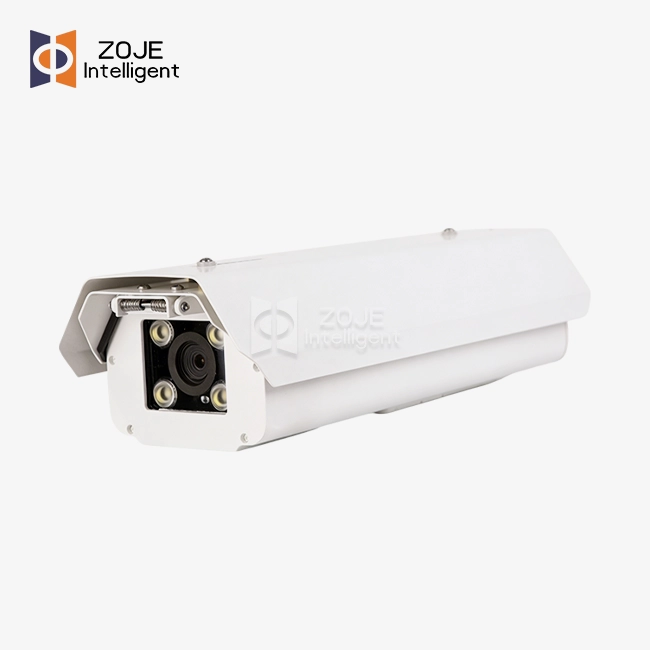
| Model | ZOJE-LPRC101 HD All-in-One License Plate Recognizer |
| Processor | Hisilicon Specialized LPR Chip |
| Sensor Type | 1/3" Progressive Scan CMOS |
| Recognition Rate | 99% |
| Minimum Illumination | 0.01 Lux |
| Electronic Shutter | 1/25 to 1/30,000 seconds |
| Lens Options | 6mm Prime Lens / 2.8-12mm Electric Zoom Lens |
| Fill Light | 4 High-Power LED White Lights |
| Performance Parameters | Specifications |
| --------------------------- | ------------------- |
| Image Output | 1080P, 960P, 720P, D1, CIF |
| Picture Output | 2 Mega-pixel JPEG |
| Ultra-Wide Dynamics | 120dB |
| Video Compression | H.264 High Profile, Main Profile, Baseline, MJPEG |
| Vehicle Speed Recognition | 0-40 km/hour |
| Recognition Angle | 70-degree Wide Angle |
| Interface & Power | Details |
| --------------------- | ------------- |
| Network Interface | 10/100M Adaptive, RJ45 |
| IO Interface | 2-Route Input/2-Route Output |
| Audio Interface | 1-Route Input/1-Route Output |
| SD Card Support | Up to 32GB Micro SD |
| Serial Interface | RS485 |
| Power Supply | AC110-240V |
| Power Consumption | ≤7.5W |
| Working Temperature | -35℃ to +70℃ |
| Protection Grade | IP65 |
| Dimensions | 452×148×120mm |
| Weight | 2.75kg |
Core System Features
Front-End Edge Processing
The hardware does the recognition right there on site. Nothing is sent to the cloud. Access control keeps running through network delays and outages. A cached database sits on the local unit, so work carries on offline. Buffered transaction logs then go up once connectivity returns.
<200ms Recognition, <1 Second Sync
A vehicle drives into Site A. The edge processes that event in under 200ms. In under one second the same event reaches the central platform. So the right ruleset is already in place when that plate turns up at Site B.
Global Plate Compatibility
The OCR engine is tested against retro-reflective, non-reflective, and personalized plate designs across multiple states and countries, making the system suitable for multinational property portfolios without plate-type restrictions.
AES-256 Data Security
All license plate data and transaction records are encrypted using AES-256 both at rest and in transit. Retention policies for LPR for Multi-Site Parking are configurable per site — a high-security facility may retain images for 90 days while a retail site auto-purges after 24 hours.
Cross-Site Roaming Access
A single credential — the license plate — grants entry across your entire property portfolio. One vehicle can be permitted at multiple sites without issuing separate credentials, managed centrally from one dashboard.
Application Scenarios
Commercial Real Estate Portfolios
Mixed-use sites can run on universal permits that work at every location. One firm, several buildings, one permit. Say a tenant pays for monthly parking. That same registered plate gets them into their main office building and into a retail property too. All of the activity shows up in one tenant portal.
University and Hospital Campuses
Multi-zone environments with Faculty, Student, and Visitor classifications are managed in real time. Virtual zoning enforces permit rules automatically — a student permit valid in one lot triggers an alert if the plate appears in a restricted faculty area — with no additional physical barriers required.
Smart City Municipal Parking
Some cities handle street enforcement and their own garages. Both can run from a single platform. A resident buys a permit, and the change reaches the connected enforcement units and the garage gates on its own. No one has to touch anything.

Quality and Integration Standards for LPR for Multi-Site Parking
ZOJE applies "Ground Truth Testing" during system commissioning — a process that compares manual vehicle counts directly against system logs to verify read-rate accuracy before deployment sign-off.
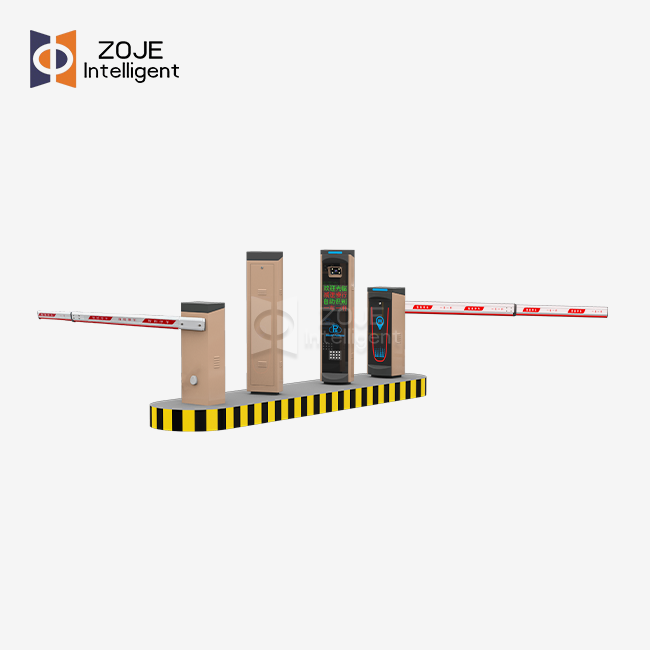
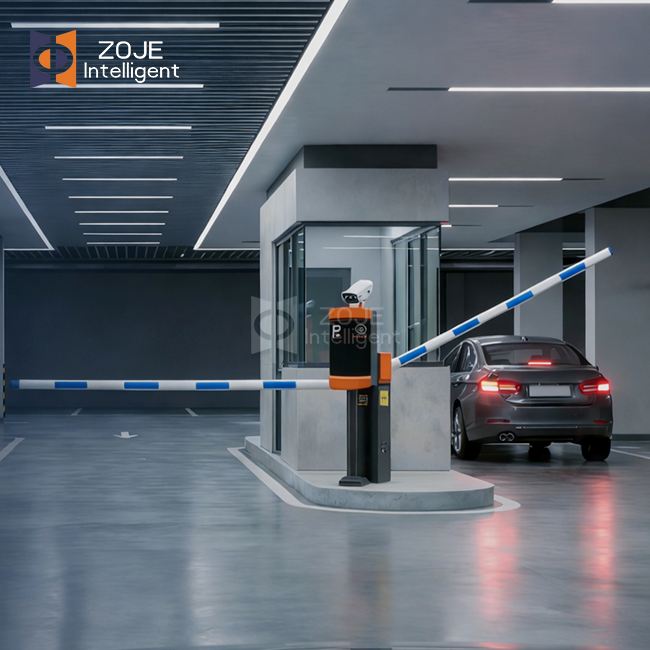
Outdoor installs need hardware that holds up. Our components carry IP67 ratings against dust and water, plus IK10 for vandal resistance. Third-party access control gear connects through Wiegand, OSDP, RESTful APIs, and Webhooks. With those links in place, the LPR layer sits on top of barriers that are already there. A full hardware swap is not needed.
Variable lighting and weather are part of daily operation. Wide Dynamic Range imaging is built in so the system keeps working in those conditions.
Customization and OEM/ODM Services
ZOJE supports hardware and software customization based on specific project requirements. OEM and ODM cooperation is available for parking system integrators and property technology vendors.
Standard products ship within 5–7 days. Customized LPR for Multi-Site Parking configurations typically require 10–15 days. You can send goods by sea freight or by air freight. DDU and DDP trade terms are supported. Every product carries a 2-year warranty. Global after-sales technical support runs 24/7.

Frequently Asked Questions
Q: What happens to system performance if the internet connection is lost at one site?
A: A cached copy of the allowlist and blocklist sits on the local hardware. All transaction logs get buffered there too. Barrier operation keeps going on local logic. Once the connection comes back, the data syncs to the central platform on its own.
Q: Can the system integrate with existing access control hardware from different manufacturers?
A: Yes. Through Wiegand or OSDP conversion and RESTful APIs, the LPR software overlays existing barrier systems as a virtual credential reader without requiring replacement of existing gates.
Q: What happens with high-speed entries compared to stop-and-go lanes?
A: Free-flow lanes run at high speed. Cameras there use higher frame rates and faster shutters. That cuts motion blur. At barrier lanes traffic stops and starts. Wide-angle cameras read plates up close and from sharp angles by the barrier.
Q: How do you handle data privacy across several sites in different regions?
A: You set retention rules for each site from one compliance dashboard. One site might keep images for 90 days. Another clears them out automatically after 24 hours. Each site meets its own local privacy rules on its own.
Q: Can a vehicle that visits several parking assets be billed through one central account?
A: Yes. Entry and exit get logged across the whole portfolio by the cross-site tracking feature. Duration and location data are gathered by the central software. From that it builds one consolidated invoice, or it charges a registered payment method a single time.
Q: Which plate types can the OCR engine read?
A: We test the system on retro-reflective plates, non-reflective plates, and personalized plates. Plates from different states and countries all go through it. That means you can deploy it internationally with no extra setup.
Contact Us
Got a technical LPR for Multi-Site Parking question? Have a project in mind for LPR in Multi-Site Parking? Write to us at info@zoje-tech.com.
Send Inquiry
You may like