
Stable LPR performance for high-traffic parking areas
2.Recognition rate:99%
3.Model:ZOJE-LPR201
4.Support offline use:Front-end recognition, unaffected by network delay/offline
5.Support hardware/software customized,support various types of secondary development
6.Support outdoor use
7.24/7 service
8.Support OEM and ODM

- Face to Face Discussion
- Quality Assurance
- 24/7 Customer Service
Product Introduction
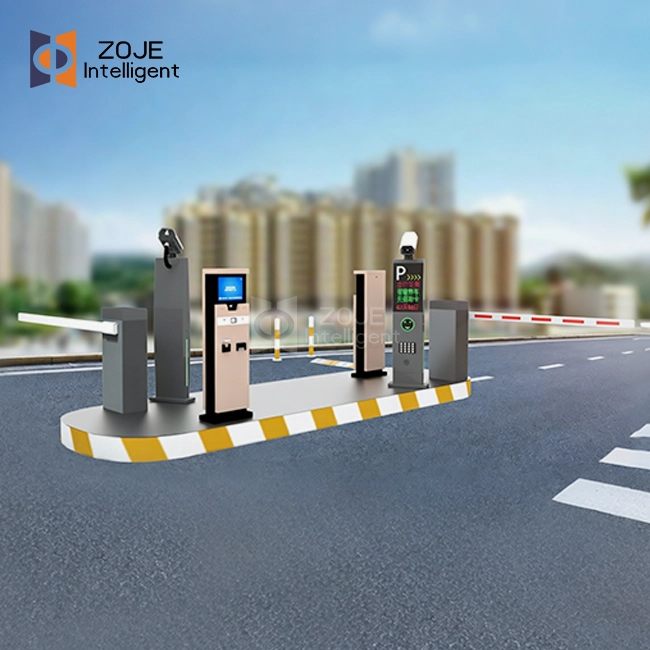
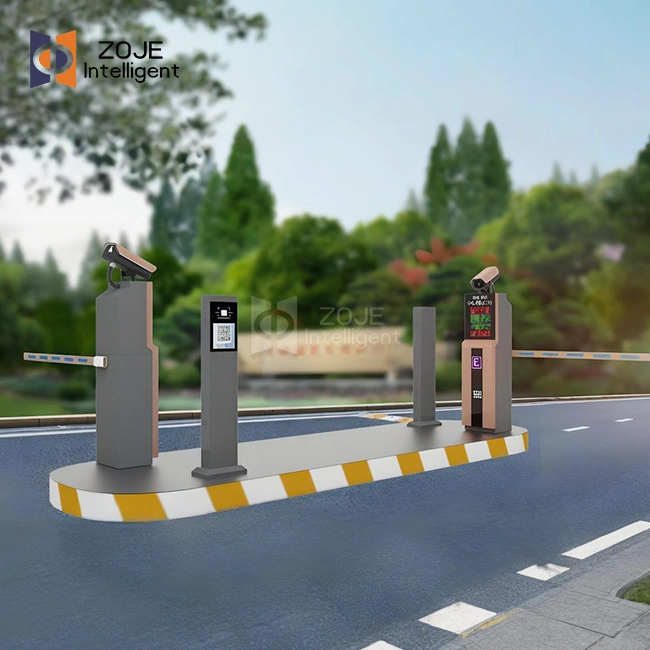
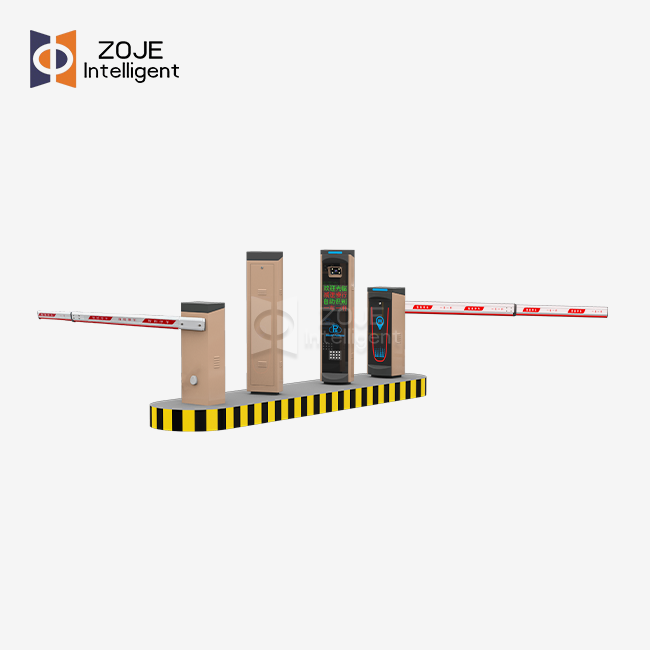
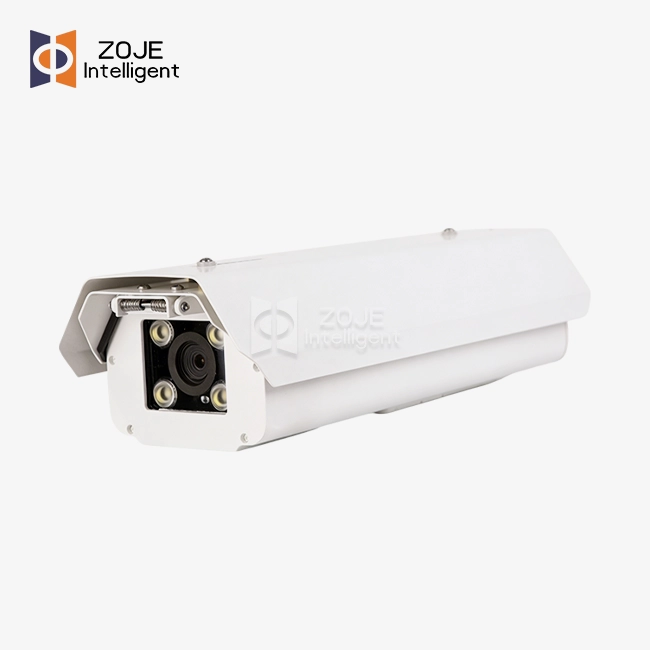
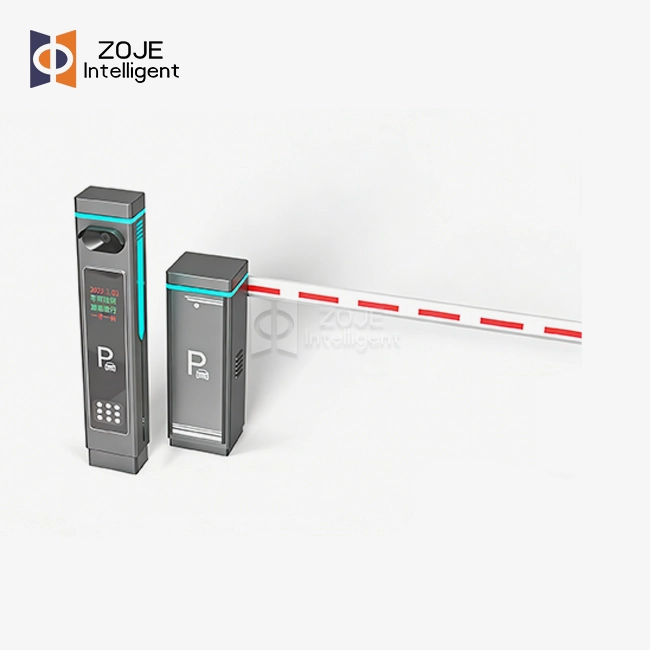
ZOJE-LPR201 License Plate Recognition Camera System Delivers Stable LPR performance for high-traffic parking areas
When recognition fails at the lane, a busy parking facility loses real money. Stable LPR performance for high-traffic parking areas comes down to hardware that reads every plate on the device itself, not on a remote server. Hong Kong ZOJE Intelligent Technology Co., Ltd. built the ZOJE-LPR201 as a front-end LPR camera system. It holds a 99% recognition rate through constant, dense vehicle flow. Barriers keep the same throughput even when the network goes down.
What the ZOJE-LPR201 Solves
A busy parking facility moves hundreds of vehicles every hour. Lighting is often bad. Patchy networks show up too. Standard LPR cameras keep failing in three places. Motion blur comes from fast-moving vehicles. Entry and exit lanes get hit by backlight glare. Processing delays come from cloud dependency.
Edge computing puts all OCR work on the ZOJE-LPR201 right on the device. Your internet can drop at peak hours. The barrier still runs as usual. Once the connection returns, a Store-and-Forward mechanism syncs transaction data on its own.
At entrance lanes, a 200ms delay per vehicle can create visible queues. Latency below the threshold is no small technical point. It sets how many vehicles your facility can handle per hour.
Key Technical Specifications
| Parameter | Specification |
|---|---|
| Operating Voltage | AC110-240V±10% |
| Operating Temperature | -20℃ to +60℃ |
| Relative Humidity | ≤95% without condensation |
| Rated Power | ≤60W |
| Communication Method | TCP/IP, RS485 |
| Display Type | 18.5-inch outdoor high-brightness LCD |
| Screen Resolution | 1366*768 |
| Protection Class | IP64 |
| Material | High-strength carbon steel |
| Dimensions | 1400333200mm |
| CPU | Dual-core 900MHz + CNN acceleration |
| Image Sensor | 1/2.8" starlight-level CMOS |
| Max Resolution | 1920×1080 |
| Recognition Rate | ≥99% |
| Capture Rate | ≥99.99% |
| Network Interface | 10/100Mbps adaptive RJ45 |
| LED Fill Light | 9 pieces, 10W maximum power |
| TF Card Support | Up to 512GB |

Technical Design Choices That Affect Daily Accuracy
A Global Shutter CMOS sensor sits inside the ZOJE-LPR201. With rolling shutter sensors, the frame gets read one line at a time. A global shutter captures the whole frame in one go. Picture skew is what sits behind misreads when a car crosses a lane at speed. The global shutter takes that skew away.
Wide Dynamic Range above 120dB, together with High Light Compensation (HLC), lets the camera produce readable plate images in headlight glare at night. Strong backlight during the day is covered as well. Sites running morning, afternoon, and night shifts see the lighting change all day long, and that is a common failure point. Here the problem gets solved in hardware, not in post-processing.
Deep learning here runs on Convolutional Neural Networks (CNN). Regional plate syntax is what these models work from. A dirty plate is no problem. So is one that is partly covered. Weak reflections do not stop it either. The system reads them anyway. Cheaper cameras misread such plates, or reject them outright.
The housing carries an IP66/IP67 rating. It suits outdoor spots. Cameras there face exhaust fumes. Dust is another factor. Physical vibration happens too. EMC/EMI immunity comes built in. It blocks interference from high-voltage barriers. Nearby electrical infrastructure can also cause trouble. That setup is common in large parking facilities.
Where This System Is Deployed
Airport Parking Hubs
Airports with international traffic never shut down. Private cars, taxis, and shuttles all cycle through the same lanes. Once a flight lands, traffic comes in bursts. Every read has to be right while the vehicle is still moving. Drivers should not have to stop dead in the lane. This is the job the ZOJE-LPR201 takes on. Approach lanes get handled with Stable LPR performance for high-traffic parking areas at speeds up to 40 km/h.
Large Commercial Shopping Complexes
Traffic piles up on weekends and public holidays, and cars end up nose to tail. Video triggering tags every vehicle in that line. Free exits stay blocked, and billing stays correct for each car, even when they sit close together.
Freight Terminals and Industrial Logistics Parks
Road dirt often covers the multi-line commercial plates on heavy trucks. The ZOJE-LPR201 works with weighing scales and access control lists. Plate check, weight check and gate release all run as one full verification sequence. That way no bottleneck forms at the entry point.
Quality Control Process
Quality management at ZOJE follows ISO 9001:2015. Before any ZOJE-LPR201 unit ships, it has to clear the QC steps listed below:
- Stress and Load Testing: The unit handles 5,000 simulated vehicle reads one after another. That proves the MCU holds steady. It also brings out any memory or thermal issue that only shows up under long, steady load.
- OCR Confidence Score Review: We go through the system logs. The check shows that OCR confidence scores hold above 90% in low light and in rain-simulation conditions.
- Checking Capture and Recognition Rates: We measure two things: the capture rate and the recognition rate. A unit only leaves for shipment once it hits the rated specs.
- Environmental Chamber Test: Every unit goes through the full operating temperature range, -30°C to +70°C. What we want to see is simple. Camera focus must stay put and not drift from thermal expansion.
- EMC/EMI Immunity Testing: Confirms the unit resists interference from high-voltage equipment common in parking facility environments.

Customization and OEM/ODM Options for Stable LPR performance for high-traffic parking areas
Every parking site is different. The layout, the integration needs, and the operator's branding all shape the work. ZOJE can tweak the hardware and the software to match your deployment. Some operators want the system sold under their own name, or with specs changed. For those cases, OEM and ODM setups are available.
Standard units go out within 5–7 business days. Customized setups usually take 10–15 business days to get ready. Sea freight and air freight are both offered. DDU and DDP trade terms are available too.
Do you have a fixed project timeline or a configuration requirement? Get in touch with the team directly. They will confirm availability and the lead time for your order.
Warranty and After-Sales Support
Each ZOJE-LPR201 unit ships with a 2-year warranty. ZOJE's technical support team gives setup help, so your crew can deploy the system the right way.
Clean the lens once a quarter and accuracy stays where it should. ZOJE recommends checking the IR illuminators for Stable LPR performance for high-traffic parking areas on a regular basis too. Now and then, walk the detection zone again to make sure nothing new is blocking it. Ask about long-term maintenance service if you want it arranged.

Frequently Asked Questions
Q: What happens with plate reading when cars go by at speed?
A: Motion gets frozen before the OCR engine ever sees the image. Two things do that: a frame rate of 60fps or more and a 1/1000s shutter speed. Reads stay accurate at vehicle speeds of 60–100 km/h, though the exact limit depends on how the lane is set up.
Q: Can the system tell a real license plate apart from text on decals or van signage?
A: Yes. The recognition engine learns from negative samples: bumper stickers, phone numbers, brand lettering. On top of that, region-of-interest (ROI) processing looks at plate geometry and character syntax. Non-plate text gets filtered out before the barrier is triggered.
Q: What happens if the internet goes down during peak hours?
A: All of the recognition runs on the device itself. An outage hits, and the barrier carries on as normal. Transaction records are kept in local storage. The connection comes back, then those records sync to the management platform using the Store-and-Forward method.
Q: What happens when harsh backlight hits the camera, like direct sun at lane level?
A: Hardware WDR grabs a short exposure and a long one inside the same frame. So the sensor still gets a clean read on the plate when the background is far brighter than the plate itself.
Q: Which upkeep tasks keep accuracy steady over time?
A: Wipe the lens cover once a quarter. Now and then, check the IR illuminator output. The detection zone needs a look too. Plants can grow into it. New signs can block it. Building work can affect it too. These steps keep recognition performance at its rated level.
Q: Can the ZOJE-LPR201 work with parking management software from other vendors?
A: Yes. The unit is built for secondary development and software customization, so it can link up with a number of third-party parking management platforms. What the integration needs in detail gets worked out when the project is discussed.
Contact Us
Need product specs? Email us at info@zoje-tech.com. Have a project about Stable LPR performance for high-traffic parking areas to discuss? Talk it through with us. Want to check OEM options?
Send Inquiry
You may like