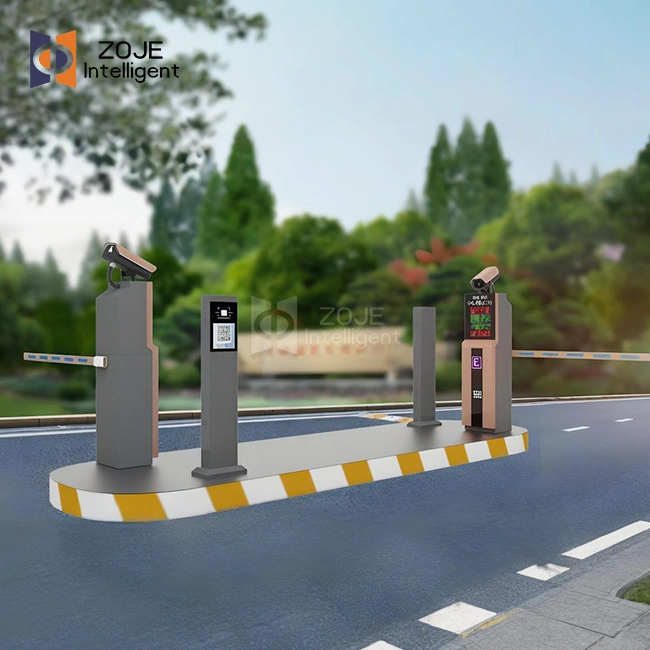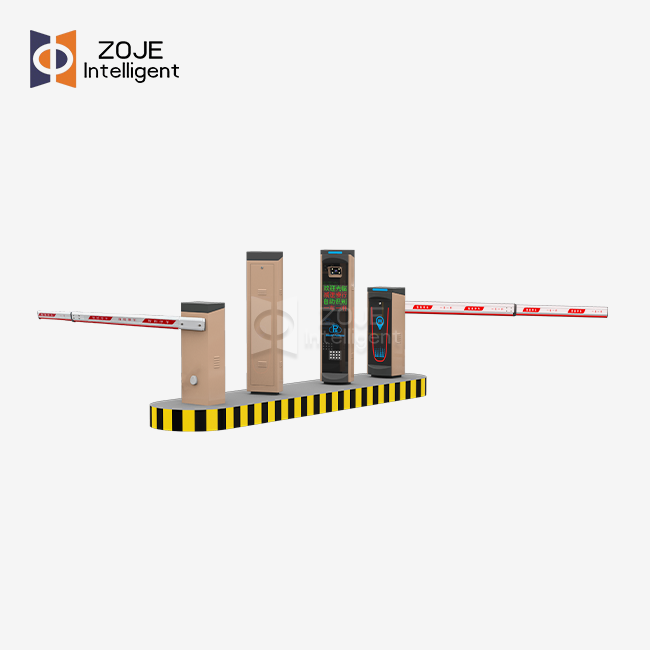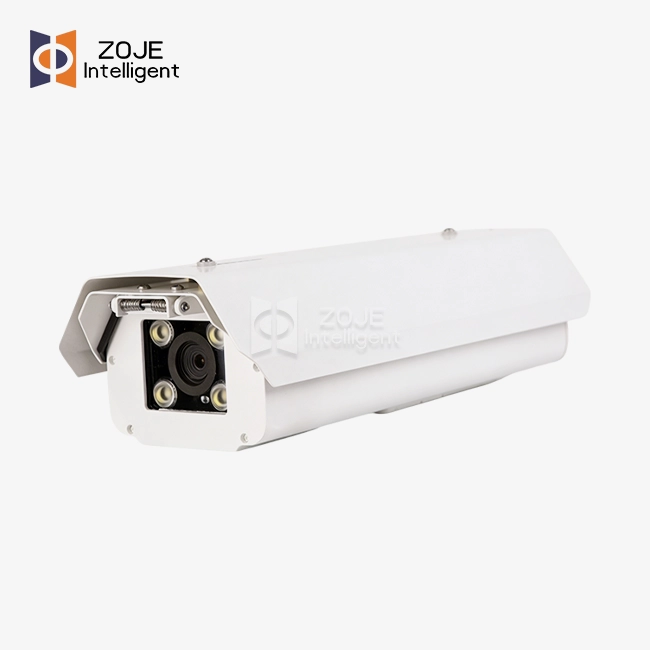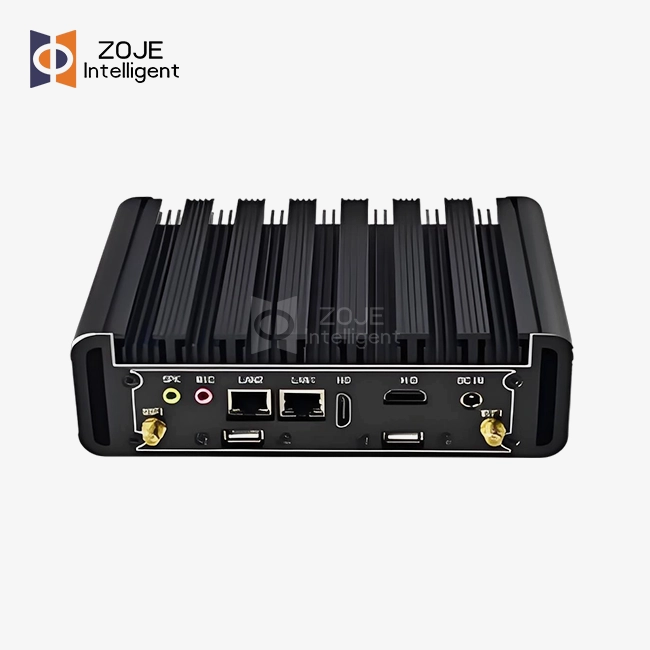
Reliable ANPR system designed for harsh environments
2.Recognition rate:99%
3.Recognition Regions:Around world
4.Support offline use:Front-end recognition, unaffected by network delay/offline. Support offline billing
5.Support hardware/software customized,support various types of secondary development
6.Support outdoor use
7.24/7 service
8.Support OEM and ODM

- Face to Face Discussion
- Quality Assurance
- 24/7 Customer Service
Product Introduction
Reliable ANPR system designed for harsh environments — Built for Extreme Conditions Where Standard Cameras Fail
A parking lot or a city street isn't the hard part. Getting a clean shot of a plate is. Dust and ice get in the way, rust eats the parts, and power cuts stop the work. Standard cameras can't cope with any of it. The ZOJE-LPR216 is a reliable ANPR system designed for harsh environments. Recognition happens right on the device. When the network goes down, data stays in local storage. The unit runs from -40°C to +75°C inside a sealed housing that resists impact. Hong Kong ZOJE Intelligent Technology Co., Ltd. makes it. That company was set up in 2012 and holds ISO 9001:2015 certification.
Why Standard LPR Cameras Fail at Industrial Sites
Cameras built for commercial use expect a controlled setting. Fine silica dust wears on them. So does salt spray. Ground vibration and sub-zero cold do damage too. Housings give out. Optics cloud over. Circuit boards fail. Often this happens within weeks of going up.
Each of those failure points gets handled by the ZOJE-LPR216. Die-cast aluminum makes up the housing. It carries IK10 impact resistance and IP68 ingress protection. Full dust submersion is no problem, and neither is long water immersion. In freezing weather an internal active heater keeps ice off the glass. Passive heat sinks take care of thermal load when it's hot. For coastal sites or places with chemical exposure, the SS316L stainless steel option adds corrosion resistance.
Core Technical Specifications
| Component | Specification |
|---|---|
| LED Screen | 256mm×256mm P4 dual-color display |
| Resolution | 64×32 dot matrix per module |
| Camera Output | 5MP JPEG images |
| Minimum Light | 0.01 Lux operation |
| Focal Length | Fixed 6mm lens |
| Storage | Micro SD up to 32GB |
| Dynamic Range | ≥100dB wide range |
| Voice Function | Customizable announcements |
| Protection Rating | IP42 dustproof/waterproof |
| Operating Temperature | -10℃ to 60℃ |
| Humidity Range | 5% to 85% |
| Power Consumption | 100W maximum |
| Dimensions | 336×180×1580mm |
| Weight | Approximately 16kg |
Imaging Performance in Difficult Lighting
Gates, tunnels, and open-air weigh stations all hit the same trouble. Poor contrast and glare that lands straight on the lens. True WDR on the ZOJE-LPR216 goes past 120dB. That keeps plate detail readable when a vehicle rolls out of a dark underpass into full sun, so both ends of the exposure range hold up.
Rolling-shutter distortion smears plate characters on fast-moving vehicles. A Global Shutter sensor takes that problem away. Motorized varifocal lenses with P-Iris control let you set depth of field exactly for the distance each camera is mounted at. In total darkness, pulsed IR at 850nm or 940nm still gives a clear image. No visible light comes out, so drivers stay undistracted and secured sites stay unnoticed.
High Light Compensation (HLC) works together with synchronized IR strobes. Both pull out retro-reflective plate surfaces even when headlights shine right into the sensor.
On-Device AI Recognition
All the deep learning work happens right on the unit. Nothing gets sent to a cloud service for processing. That takes network latency out of the recognition loop, and it keeps data off public connections.
The model reads character geometry and vehicle context rather than matching plates against fixed templates. This approach handles plates partially obscured by mud, snow, or surface damage — conditions common at the sites where this reliable ANPR system designed for harsh environments is most often deployed.
Plate data and images are written to an industrial-grade SD card or SSD inside the unit whenever the network drops. Once 4G, 5G, or fiber comes back, the device syncs those records to the central server on its own. Billing keeps running offline the whole time, and nobody has to step in.
Deployment Environments
Open-Pit Mining and Quarry Operations
Fine silica dust gets into standard camera housings. It builds up on the sensors within days of deployment. A housing sealed to IP68 and built to shrug off vibration keeps the unit working on sites where heavy haulage runs around the clock. Dust haze is no match for the IR illuminators, so plate images still come through on vehicles that are plainly dirty. Weighbridge transactions then run automatically, with no manual logging needed.
Maritime Ports and Coastal Terminals
Corrosion speeds up on exposed electronics when salt spray and humidity are present. In those conditions, the optional SS316L housing keeps internal components protected. Trucks and containers move through gates in rain or low visibility, and high-frame-rate capture still records clear plate images.
High-Altitude and Remote Tolling Points
Some mountain passes and border crossings get little maintenance access. At those sites, the internal heating system stops ice from forming on the optics when temperatures drop below zero. Snow can build up on plate surfaces. The AI model makes up for it, so access enforcement and revenue collection keep running between site visits.
Quality Assurance and Testing for Reliable ANPR system designed for harsh environments
Every unit goes through a set pre-shipment validation process:
- IP68 Hydrostatic Pressure Testing: confirms no moisture ingress to the sensor or PCB under sustained submersion
- Salt Spray Corrosion Testing (ASTM B117): 1,000+ hours of saline mist exposure, used to verify suitability for coastal deployments
- Vibration and Shock Testing (IEC 60068-2-6): simulates heavy machinery mounting conditions and wind-induced resonance
- Thermal Shock Cycling: we push the unit through fast temperature swings. This checks that solder joints hold up and that the heater still works across the whole operating range
- OCR Accuracy Benchmarking: tested against a dataset of 10,000+ degraded plate images including mud-covered, rusted, and acutely angled plates to confirm the stated 99% recognition rate

OEM and ODM Options
What a project needs changes a lot from one market to the next, and from one project type to another. On the hardware side, buyers can adjust the lens setup or pick a different housing variant. Software options cover hooking the unit up to access control systems already in place, weighbridge platforms and ERPs. Branded interface work is also part of the package.
Distributors and system integrators can use our OEM and ODM services to build products around their own specs. Standard units go out in 5–7 days. Custom configurations usually take 10–15 days. We ship by sea or air freight, and both DDU and DDP terms are on the table.
Does your project come with special requirements? Send the team a message at info@zoje-tech.com first. Get in touch before you place an order. They will check whether it can be done and how long it takes.
Integration and Protocols
The system, a Reliable ANPR system designed for harsh environments, talks over TCP/IP. For older gate control hardware there is Wiegand output. Secure access setups get OSDP. Integration with server-side platforms runs through RESTful APIs with Webhook support. Those options fit most weighbridge software, ERP, and access control environments in use today.

Frequently Asked Questions
Q: Can the system work with no network connection?
A: Yes. All the recognition work happens on the device itself. Images and plate records go into local storage the whole time. When the network comes back up, the device sends the stored records out on its own. Nothing is lost while the connection is down.
Q: What happens when mud or snow covers the plate?
A: Training data for the model includes plates that are badly degraded. Instead of expecting a clean plate, it looks at the shape of each character and at the context of the vehicle. That way it can still read plates that are partly covered or have surface damage.
Q: What integration protocols are supported?
A: TCP/IP, Wiegand, OSDP, RESTful API, and Webhooks. With these you can connect to access control platforms. Weighbridge software works too, and so do ERP systems.
Q: Does the lens require frequent cleaning on dusty sites?
A: Water runs off the glass. A hydrophobic nanocoating makes that happen, and it also keeps dust from sticking. In extreme mining environments, the unit can work with external air-wiper or automated wash systems. Image clarity analytics trigger those systems.
Q: Can it handle plate formats from other countries?
A: Yes. The recognition engine reads plate formats from regions all over the world. That makes it usable at international ports, at border crossings, and in cross-border logistics deployments.
Q: What is done about glare from headlights?
A: True WDR (>120dB) handles one part of the problem. High Light Compensation covers another. Synchronized IR strobes add more help. Together they isolate the retro-reflective plate surface. Bloom from headlights will not hide the captured plate image.
Contact Us
Got a project that needs a Reliable ANPR system designed for harsh environments or a reliable ANPR system built for harsh environments? Email your requirements to info@zoje-tech.com.
Send Inquiry
You may like