LPR System for City Parking
2. Operating system:Embedded LINUX
3. Hardware Core:High-performance ARM processor
4. Operating Temperature:-35℃- 70℃
5. Storage Capacity: 1.2 million records (including images, default saved for 30 days, cyclically overwritten)
6. Multi-language support
7. Suitable for various scenarios
8. High stability-The system is stable and can be guaranteed5No downtime for a year
9. Various charging methods-Flexible response to various management needs, such as temporary vehicles, fixed users, special users, etc

- Face to Face Discussion
- Quality Assurance
- 24/7 Customer Service
Product Introduction
LPR System for City Parking — Intelligent Vehicle Recognition for Urban Parking
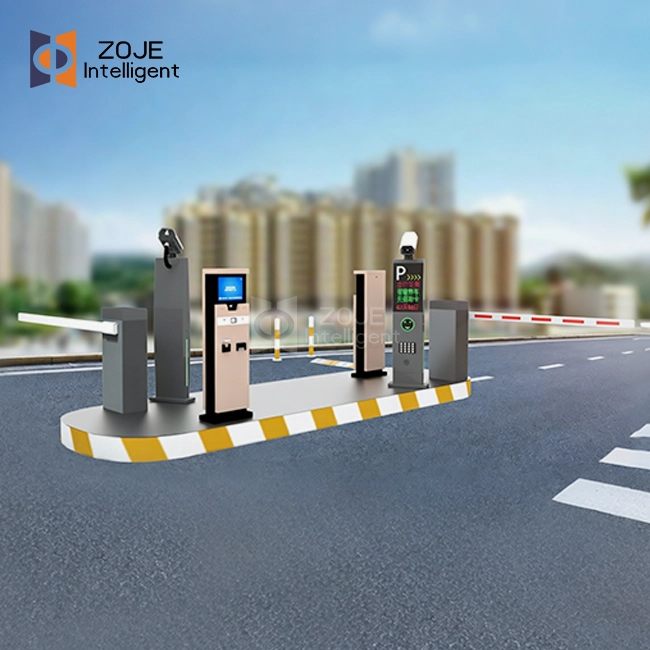
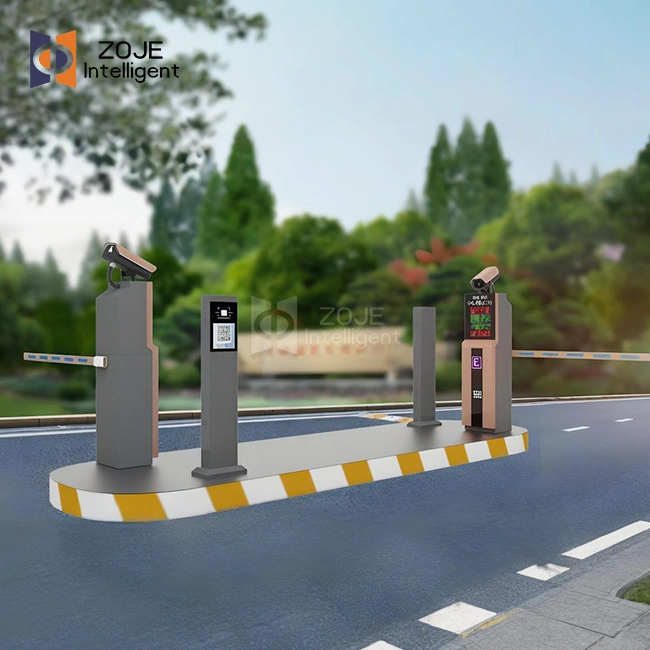
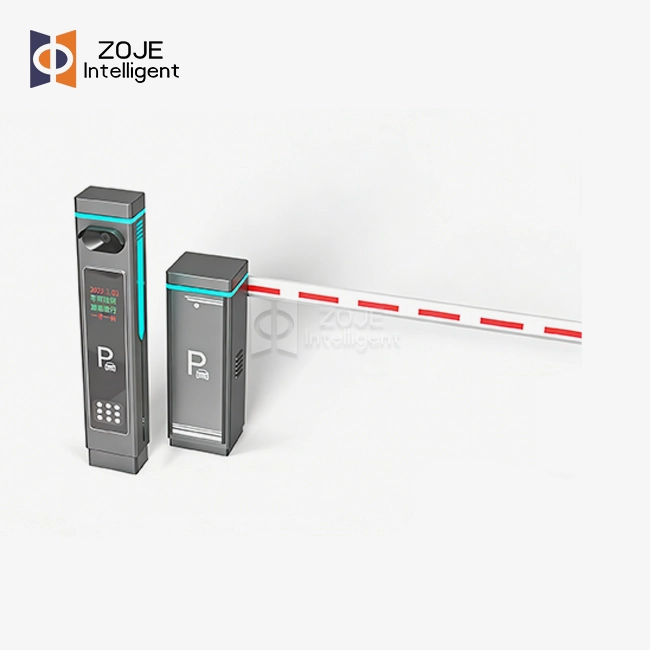
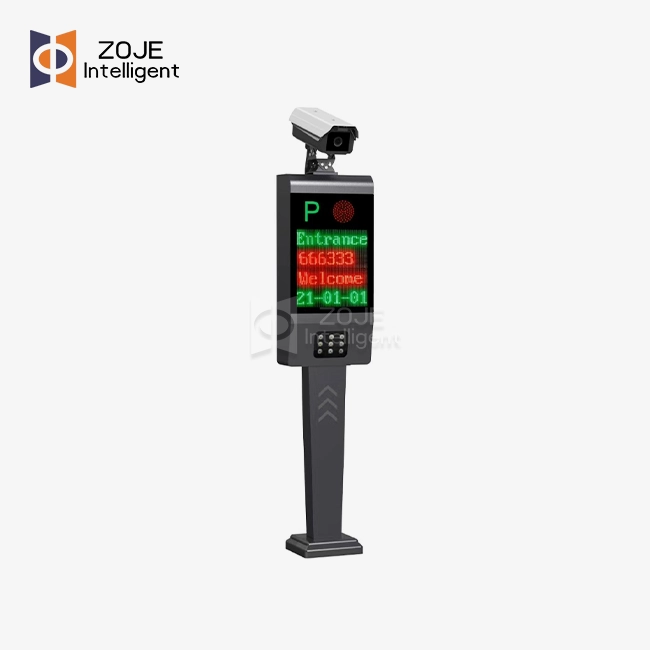
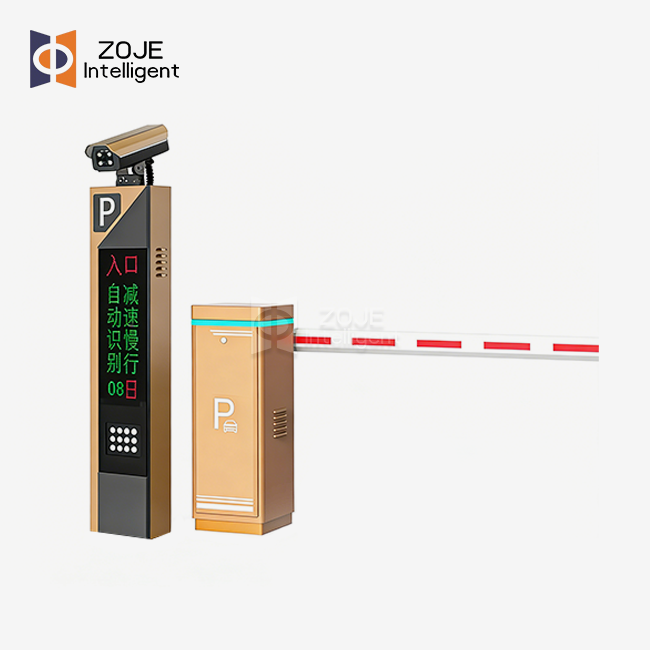
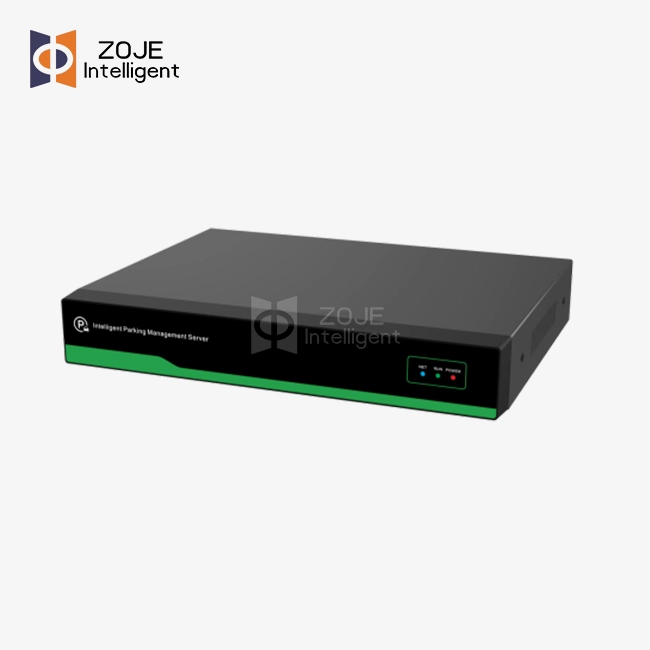
In city parking, speed counts. So does getting it right, every time. Hong Kong ZOJE Intelligent Technology Co., Ltd. made the LPR System for City Parking (Model: B0X-B30-IV) for exactly those sites. An embedded Linux OS runs the unit. The heavy lifting comes from a high-performance ARM processor. One plate takes under 200ms to read. Storage holds up to 1.2 million records with images, kept for 30 days. Cold down to -35°C or heat up to 70°C changes nothing. Several languages are available on the display. Temporary users get handled. So do fixed and special categories, and each one has charging setups that stay flexible.
What Is This Product?
Optical character recognition (OCR) and deep learning sit behind license plate recognition (LPR). A plate shows up and the system grabs it, reads it, and writes it down. No one types anything. For city parking operators, that kills paper tickets and proximity cards. What you get instead is a digital trail of every vehicle that moves through. And that trail can be audited.
Four operational problems keep coming up in urban parking. The B0X-B30-IV deals with them:
- Gate congestion: a plate read takes under 200ms. Cars drive in and out without stopping.
- Revenue leakage: each entry and exit goes into a digital log. No more swapped tickets or lost tickets. Hand-keyed billing errors end as well.
- Operating costs: you need fewer staffed booths. Less paper gets bought as well.
- Occupancy data: turnover rates appear in real time. Peak-hour numbers come along with them. Parking managers rely on both when they make decisions.
Technical Parameters
| Parameter | Specification |
|---|---|
| Model | B0X-B30-IV |
| Dimensions | 130mm × 175mm × 55mm |
| Color | Black |
| Operating System | Embedded LINUX |
| Hardware Core | High-performance ARM processor |
| Operating Temperature | -35°C to 70°C |
| Storage Capacity | 1.2 million records (30-day retention, cyclical overwrite) |
| Power Supply | External adapter - Input: AC 110V-220V, Output: DC 19V/12V |
| Heat Dissipation | Fanless all-aluminum alloy case |
| Architecture | B/S (Browser/Server) |
| Language Support | Multi-language capability |

Key Product Features
High-Accuracy Recognition in Varied Conditions
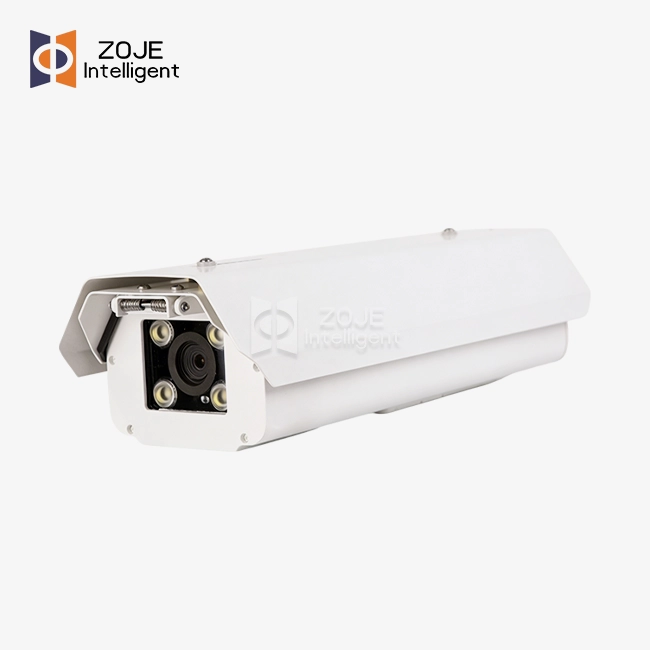
Inside the system are 4MP to 8MP Global Shutter CMOS sensors. Vehicles on the move come out sharper with them. Motion blur drops. Recognition accuracy passes 99.5% in daylight. At night, that number is 98%. A boost comes from built-in IR or Strobe White LED lighting. For headlight glare and harsh shadows in multi-level garages, WDR capacity sits at 120dB+.
Multi-Factor Vehicle Identification
Plate characters are not the only thing it reads. Vehicle color gets picked up too. So do type and make. Matching holds up better when a plate is partly blocked or viewed at an angle.
Edge Computing for Local Processing
The built-in AI Neural Processing Unit (NPU) handles video right on the device. That lowers the bandwidth load on the central server. It also keeps the system up and running when the network goes down for a short time.
Offline Mode and Data Integrity
Transaction logs and whitelists sit in local storage, so a dropped network stops nothing. When the link comes back up, Automatic Data Replenishment (ADR) for the LPR System for City Parking pushes every offline record through. Nothing gets lost in that sync.
Data Security
AES encryption protects data at rest and data in transit. Retention policies can be set up to suit the site. Face blurring comes with it too. These features let operators meet local data privacy rules.
Application Scenarios of LPR System for City Parking
Multi-Level Parking Facilities
Barrier gates at shopping malls and commercial complexes run the B0X-B30-IV. Light levels shift quickly in these spots, going from bright outdoor zones to dimmer areas inside, and the unit handles it. Registered users drive through without a ticket. Everyone else gets billed by mobile payment, using the entry and exit timestamps.
On-Street Parking Enforcement
Municipal patrol vehicles carry mobile LPR units that work with this system. Fixed high-pole cameras do the same job for curbside enforcement. Permit checks and overtime violations are handled automatically. No one has to chalk plates by hand anymore.
Low Emission Zones and City Access Control
Plates are checked against emission classification databases at the entry perimeters of a city. Traffic keeps moving freely with this setup. Across several lanes, vehicles get identified at speeds up to 150 km/h, and any unauthorized one is flagged.

Integration and B2B Services
OEM and ODM terms are open to parking management operators, system integrators, and municipal procurement teams working with ZOJE. The B0X-B30-IV ships with an open API (RESTful, JSON). Hardware I/O interfaces (Wiegand/Relay) come with the unit as well. Through either path, the unit can hook into existing parking management software and third-party billing platforms.
Delivery and Support
- Standard lead time: 5–7 days
- Customized orders: 10–15 days
- Warranty: 2 years
- Technical assistance 24/7 for help after the sale
- Sea freight or air freight for shipping. DDU and DDP terms both work
We can build LPR System for City Parking hardware and software setups to match what a project needs. Tell us how big your rollout is. We will then go over it with you.


FAQ
Q: What happens if a license plate is damaged, or it does not follow the standard format?
A: This is where fuzzy logic and deep learning come in. Say a plate is partly covered. The characters it can see get checked against vehicle details in the entry logs. Color and vehicle type are two examples. From there the system works out a likely match. If that fails, the record goes to a person for review.
Q: What if the network connection drops?
A: Offline mode kicks in. Local edge storage (SD/SSD) keeps the work going. Whitelists that are still valid stay on the device. So do the transaction logs. Once the network is back, ADR (Automatic Data Replenishment) syncs every record.
Q: Does it work with the parking management software we already run?
A: RESTful and JSON open APIs are built in. Hardware I/O interfaces (Wiegand/Relay) are there as well. So the system can sit beside older barrier systems. Third-party billing and enforcement platforms work the same way.
Q: Can it still do the job after dark, or when the light glares?
A: After dark is covered. The Global Shutter sensors pair up with 120dB+ WDR, and IR lighting comes built in. Poor light and harsh contrast do not stop it. Plate text stays readable, even off a reflective surface.
Q: How much maintenance does the setup need?
A: Give the lens a wipe now and then. This is part of normal care. Also check the seals on the waterproof cable. Watch how well the log storage holds up. The MTBF rating is above 50,000 hours.
Q: Can the system handle more than one language and more than one charging mode?
A: The B0X-B30-IV has a multi-language display. It also supports more than one user type. More than one charging category is covered as well. Temporary vehicles fit here. Fixed users do too, along with special user groups.
Contact Us
For project inquiries or customization requests regarding the LPR System for City Parking, Contact Us at info@zoje-tech.com. We support parking operators, system integrators, and municipal procurement teams.
Send Inquiry
You may like