
Enterprise Parking Solution for High-Volume Commercial Parking
2026-04-21
An Enterprise Parking Solution for high-volume commercial environments is a centralized technology platform that handles thousands of transactions every day in places like airports, shopping malls, office buildings, and neighborhoods. It does this by combining automated vehicle recognition, digital payment processing, and centralized data management. Unlike traditional parking systems that use tickets and human monitoring, these solutions use ANPR (Automatic Number Plate Recognition) technology, cloud connection, and advanced analytics to make traffic move smoothly while increasing operational control and awareness of income. This new method fixes important problems that traditional parking systems have, like traffic jams during busy hours, lost income, and inconsistent user experiences.
Understanding Enterprise Parking Solutions
These days, business parking needs more than just barrier gates and coin boxes. An Enterprise Parking Solution represents a big step forward in technology that helps handle a lot of vehicles at once in places where every second of delay means unhappy customers and lost money. Hardware parts like license plate readers, payment booths, and entry hurdles are combined with complex software systems that show how full a building is at all times, process transactions quickly, and give facility managers useful information they can use.
Core Components of Enterprise Systems
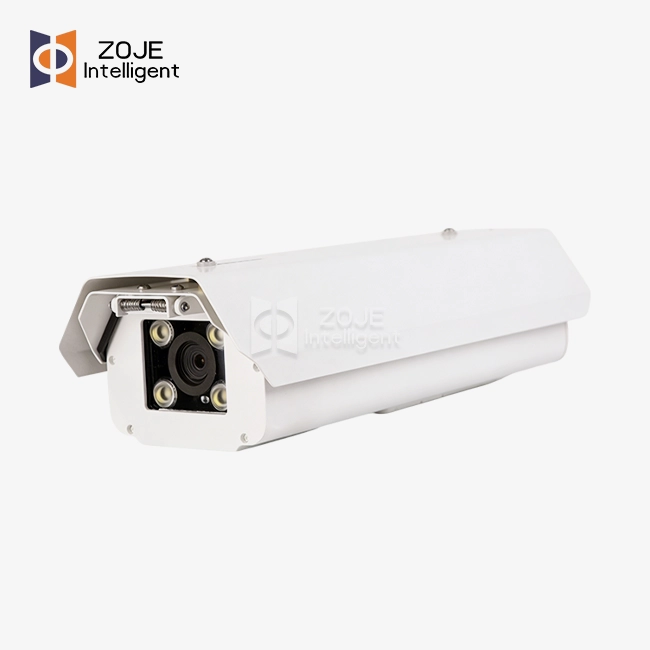
ANPR systems like ZOJE-LPR216 use HD cameras and OCR to recognize plates up to 40 km/h with 99% accuracy. They support offline operation, log entries/exits, and auto-calculate fees. Integration via APIs and cloud enables centralized or on-premise multi-site management with flexible control.
Operational Benefits in High-Volume Environments
Enterprise parking handles peak traffic using predictive analytics, occupancy monitoring, and digital guidance systems. Airports support pre-booking, while malls reduce congestion. Access control uses real-time whitelists and blacklists, replacing physical passes with automated license-plate-based entry and secure visitor management.
Advantages of Enterprise Parking Solutions Over Traditional Systems
Traditional parking management relies on a lot of human work, paper tickets, and scattered record-keeping, which makes it hard to see where the money is going. Operators have a hard time with the costs of staffing, maintaining equipment, and changing price tactics on the fly. By automating tasks, making data clear, and improving user experiences, an Enterprise Parking Solution turns these practical problems into competitive benefits that keep customers coming back.
Operational Efficiency and Cost Reduction
Automated ANPR systems replace attendants and ticket machines, reducing labor and maintenance costs. License plates enable cashless entry/exit, cutting transaction time to seconds and increasing capacity by up to 40%. Rugged design and remote diagnostics further reduce operational expenses.
Enhanced Customer Experience and Satisfaction
Enterprise parking reduces queues using wide-angle recognition and contactless payments. Mobile apps enable prepay and extensions remotely. Analytics optimize pricing and staffing, while vehicle recognition enables dynamic pricing, increasing customer satisfaction, repeat visits, and efficient space utilization.
How to Choose the Right Enterprise Parking Solution?
To choose the right parking technology, you need to carefully think about the size of the business, the technical infrastructure, and the long-term strategy goals. Procurement teams have to look at an Enterprise Parking Solution based on certain factors that take into account both current needs and plans for future growth. This process includes looking at what the provider can do, learning about deployment models, and making sure that they work with the organization's routines and budget.
Assessing Business Requirements and Site Characteristics
Shopping malls, airports, offices, and residential complexes require scalable, secure parking systems. ZOJE-LPR216 supports global plate recognition, multilingual payment interfaces, strong security integration, tenant management, and flexible access control. It adapts to weather, supports smart building integration, and ensures stable performance in diverse environments.
Evaluating Vendor Capabilities and Support Infrastructure
Long-term value depends on vendor reliability, certifications, and support quality. ZOJE provides ISO 9001 certification, patents, customization via OEM/ODM, and API/SDK integration. It also offers 24/7 global support, remote diagnostics, annual site visits, and warranties, ensuring stability and reducing operational risks.
Deployment Models and Implementation Considerations
Cloud systems offer scalability and centralized control, while on-premise ensures data security and offline operation. Hybrid models combine both for resilience and analytics. ZOJE-LPR216 supports all deployment types, enabling flexible architecture choices based on connectivity, compliance needs, and total cost of ownership.


Implementation Best Practices for Enterprise Parking Solutions
A successful deployment includes more than just setting up the tools. It also includes managing change, teaching staff, and improving things over time. Common problems that hurt adoption and trust in new systems can be avoided by carefully planning during the pre-implementation phases. These problems include not having the right network infrastructure, stakeholders' standards not being aligned, and users not being properly trained for an Enterprise Parking Solution.
Pre-Installation Planning and Infrastructure Preparation
Site studies determine optimal camera angles, lighting conditions, and obstacle-free tracking paths. ZOJE-LPR216 supports flexible mounting with a 70-degree wide angle, but structural constraints like entrances, turning radii, and queue lengths must be evaluated. Power supply, network points, and redundancy planning are essential for critical sites such as airports and hospitals. Stakeholder coordination ensures security, finance, and facilities teams align on workflows, alerts, reconciliation, and maintenance. Phased deployment reduces risk by testing one entrance first, generating performance data, improving trust, and easing transition from legacy systems with ZOJE on-site support.
Training and Change Management Strategies
User education is critical for adoption. Clear signage and QR-based video guides help drivers use automated entry and payment systems, reducing confusion and support demand in high-traffic environments like malls. Staff training covers system monitoring, alerts, error handling, and customer support procedures. ZOJE’s simplified interface reduces training complexity. Communication campaigns via tenant notices, social media, and email build awareness, gather feedback, and improve acceptance. Early issue resolution and visible efficiency gains such as reduced waiting times strengthen user confidence and adoption.
Post-Implementation Optimization and Continuous Improvement
Analytics convert transaction data into actionable insights for pricing optimization, traffic management, and system performance improvement. Recognition accuracy monitoring helps adjust camera positioning and lighting. ZOJE-LPR216 cloud support enables remote multi-site benchmarking and replication of best practices. Automated reporting improves compliance, financial reconciliation, and lease planning while linking parking data to broader building performance metrics. Continuous firmware updates enhance security, add EV and autonomous vehicle support, and extend system lifecycle, improving long-term ROI and maintaining competitiveness.
Pricing, Licensing, and Support Models Explained
Financial considerations extend beyond purchase prices to encompass total cost of ownership spanning hardware, software licenses, maintenance contracts, and support services. Transparent understanding of these components enables accurate budgeting and prevents surprises that strain project finances or delay deployments for an Enterprise Parking Solution.
Cost Structure and Licensing Options
Enterprise parking systems require upfront investment in hardware such as ANPR cameras, barriers, kiosks, and networking devices. ZOJE-LPR216 pricing varies by order volume, customization level, and logistics complexity, with standard delivery in 5–7 days and customized deployments in 10–15 days. Licensing models include perpetual hardware-tied licenses and subscription-based per-spot fees. Cloud systems typically bundle storage, updates, and support, while on-premise setups use permanent licenses with optional service contracts. ZOJE supports OEM, direct sales, and bundled enterprise pricing, with volume discounts reducing per-unit cost for large-scale deployments across airports and commercial properties.
Maintenance and Ongoing Operational Expenses
ZOJE-LPR216 requires minimal maintenance due to its solid-state design, with limited servicing mainly for cleaning and software updates. A two-year warranty covers manufacturing defects, while extended service contracts provide cost stability beyond warranty periods. Cloud deployments incur ongoing connectivity costs, especially for remote or cellular sites, though front-end processing reduces bandwidth by transmitting metadata instead of full video. Software pricing varies by features, with basic ANPR and payment functions at lower cost and advanced analytics or multi-site management at higher tiers. Total cost should be modeled over 7–10 years to align expenses with operational gains.
Vendor Engagement and Evaluation Processes
Product demos let buying teams check out how easy it is for users to interact with and enjoy a product before they decide to buy it. Requests for live system showcases can be met by ZOJE through video conferences or trips to reference sites. This lets buyers see how well recognition works in real-life situations. These conversations also make it clearer what kinds of customizations are possible and how responsive the vendor is, which are both qualitative factors that affect long-term relationship happiness in the same way that technical specs do.
Pilot programs are a low-risk way to test business parking options in real-world settings. When the ZOJE-LPR216 is installed at a single building entrance for set evaluation times, performance data is generated that is directly similar to current systems. This data shows improvements in throughput, accuracy, and user complaints. When tests go well, they help everyone agree on what should be done, and they show that the investment was worth it by saving money on labor, bringing in more money, and making customers happier (as measured by polls and analytics for return visits).
References from current customers give you an unbiased view on how reliable a seller is and how well a product works over a long period of time. ZOJE is ready to put potential buyers in touch with current clients in a wide range of industries, from shopping malls in Southeast Asia to apartment buildings in North America. This shows that they are confident in their customers' happiness and are open about the problems they face during implementations. To make sure that the insights they gain are relevant and useful, procurement teams should ask for references that match their specific use cases and local settings.
Conclusion
Commercial parking lots with a lot of cars need advanced technology that older systems can't provide. Enterprise Parking Solution options based on ANPR technology, such as the ZOJE-LPR216, turn organizational problems into competitive benefits by automating tasks, gathering data, and making the user experience smooth. The best way to get the most out of these expenses is to carefully choose vendors, plan ahead, and commit to continuing optimization. With parking going from being just a necessary part of infrastructure to being a strategic asset that affects property values and customer loyalty, forward-thinking operators know that reliable, scalable, and supportive platforms are essential for modernization, not just fun tech experiments.
Frequently Asked Questions
1. Which types of businesses benefit most from enterprise parking solutions?
Enterprise platforms are very useful for places like shopping malls that get a lot of extra traffic during certain times of the year, airports that have to handle different parking options across terminals, office buildings that need tenant-specific entry controls, and residential communities that want to keep their perimeters safe. Systems like the ZOJE-LPR216 can be scaled up or down and customized to fit a wide range of needs in these areas, from fast-paced retail settings to long-term permit control situations.
2. How do enterprise parking solutions integrate with existing security and payment systems?
Modern platforms provide API connectivity and middleware supporting integration with access control databases, financial management software, and surveillance networks. The ZOJE system has secondary development support that lets you make custom interfaces that work with certain old infrastructure, while standard protocols ensure compatibility with widely adopted payment gateways and building management platforms.
3. What are typical implementation timelines for large commercial facilities?
From signing the contract to final completion, full deployments with multiple entry points and payment stations usually take 8 to 12 weeks. This includes site surveys, infrastructure preparation, equipment installation, testing, and staff training. With a phased method that focuses on key entry points, partial operation can be reached in 4 to 6 weeks, and coverage can be added gradually in later expansions.
Partner with ZOJE for Your Commercial Parking Modernization
Updating parking facilities is a big investment that needs a reliable partner who can provide both tested technology and quick support. ZOJE delivers an Enterprise Parking Solution based on 12 years of engineering expertise and ISO 9001:2015 quality standards, serving commercial properties, airports, and mixed-use developments worldwide. Our ZOJE-LPR216 ANPR platform achieves 99% recognition accuracy across global license plate formats, functioning reliably in challenging weather and lighting conditions that compromise competing systems.
As an experienced enterprise parking solution manufacturer, we provide comprehensive customization covering hardware modifications, software extensions, and OEM partnerships tailored to your brand requirements. Fast delivery timelines—5-7 days for standard configurations—minimize project delays, while 24/7 technical support ensures issues resolve quickly regardless of time zones. Contact our team at info@zoje-tech.com to schedule a personalized consultation and system demonstration.
References
1. Peterson, R. & Zhang, L. (2021). Automated Vehicle Recognition Systems in Commercial Parking: Performance Benchmarks and Implementation Guidelines. Journal of Transportation Technology, 15(3), 142-167.
2. International Parking Institute. (2022). Enterprise Parking Management: Technology Adoption Trends and ROI Analysis. Fredericksburg: IPI Research Foundation.
3. Martinez, C. (2020). Smart Parking Solutions for High-Density Urban Environments: Case Studies from Global Commercial Properties. Urban Infrastructure Quarterly, 8(2), 89-114.
4. Global Parking Association. (2023). Revenue Control Systems in Modern Parking Operations: Comparative Study of Automated vs. Traditional Methods. London: GPA Publications.
5. Thompson, K., Zhao, H., & O'Brien, M. (2022). License Plate Recognition Accuracy Under Variable Environmental Conditions: Multi-System Performance Testing. IEEE Transactions on Intelligent Transportation Systems, 23(7), 8456-8471.
6. Williams, D. (2021). Total Cost of Ownership Analysis for Enterprise Parking Technology Investments. Facilities Management Journal, 29(4), 56-73.

Send Inquiry
You may like

Related Industry Knowledge
- High-Speed Access Control Turnstile Gate Features
- How Unattended Access Control Turnstile Works?
- How Anti-Tailgating Turnstile Prevents Unauthorized Access?
- Is Unattended Full-Height Turnstile Secure Enough?
- Unattended Full-Height Turnstile Benefits in Factories
- Best License Plate Recognition Systems for Parking
- What Is a Local-database LPR System for Parking Control?
- What Is an Integratable LPR Parking System?
- ALPR Hardware for Smart Parking and Traffic Monitoring
- Developer-friendly ANPR Software: Complete Integration Guide