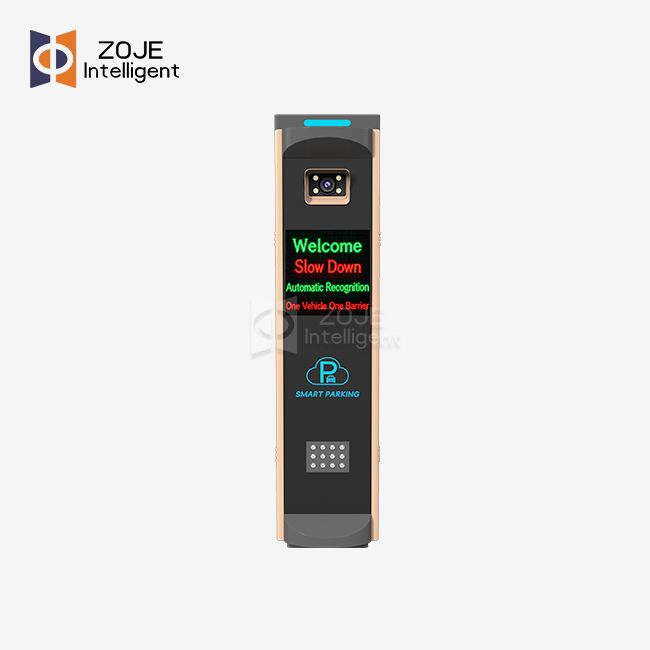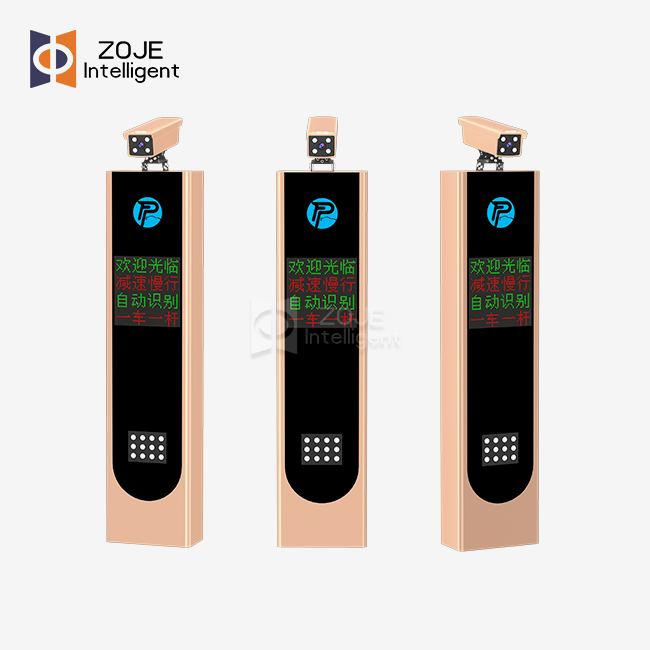
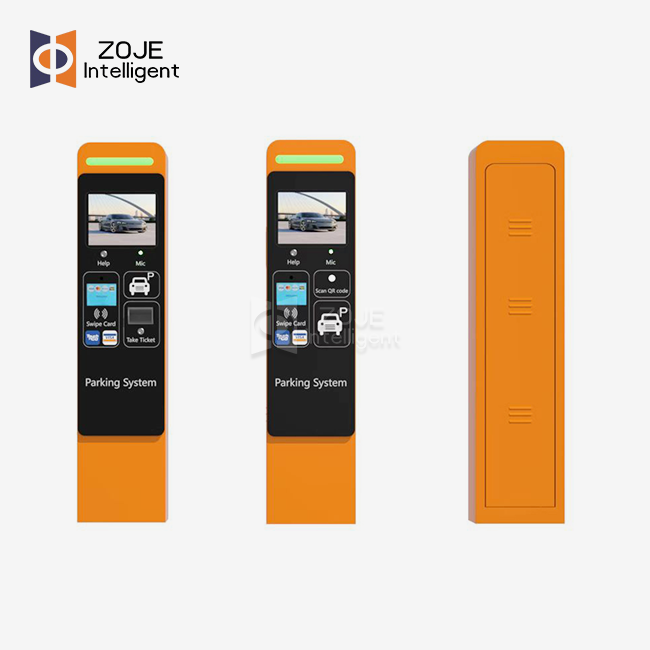
Entry Ticket Dispenser and Card Reader System
2. Multi-recognition (IC/ID/BT/UHF) support.
3. High-performance ARM-Linux architecture.
4. HD screen with video intercom interaction.
5. Ultra-wide temperature range (-40℃ to 80℃).
6. Abundant I/O ports for easy expansion.
7. Global language support for 30+ countries.
8. Warranty: 2 years

- Face to Face Discussion
- Quality Assurance
- 24/7 Customer Service
Product Introduction
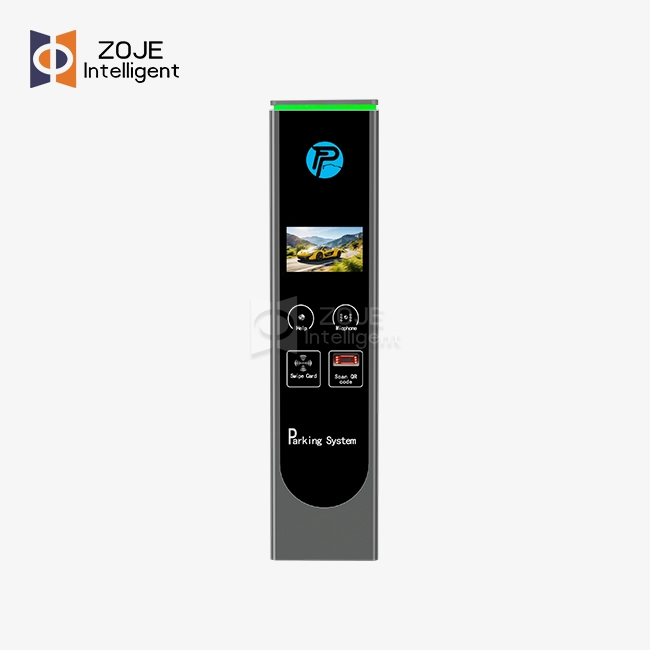
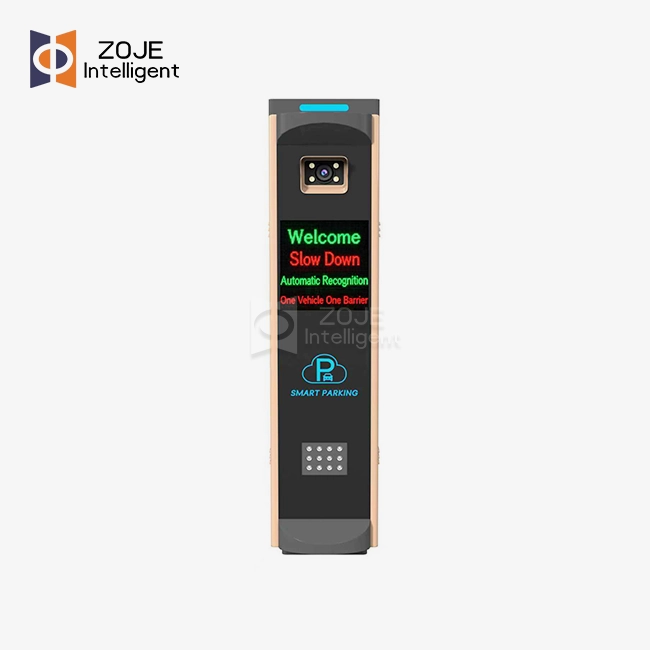
Entry Ticket Dispenser and Card Reader System (ZOJE-TB101)
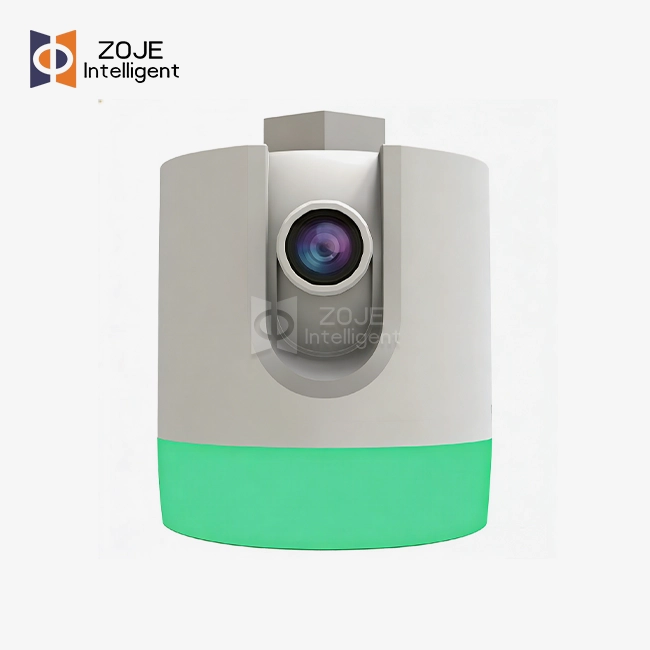
ZOJE Intelligent Technology builds the Video-Based Parking Space Detector. It is an IoT edge device made for modern parking guidance systems. Real-time occupancy data from each stall is what keeps a whole parking management setup accurate, and that setup can include an Entry Ticket Dispenser and Card Reader System. Inside, a 32-bit ARM processor and CMOS imaging handle the work. One unit monitors 1–3 spaces and sends occupancy and License Plate Recognition (LPR) data straight to your server. The device is ISO 9001:2015 certified. OEM/ODM support is available, and each unit carries a 2-year warranty.
What Is a Video-Based Parking Space Detector?
Traditional ultrasonic sensors detect whether a vehicle is present — but they cannot identify which vehicle it is or provide any visual record.
A video-based detector solves this by combining high-definition CMOS imaging (3MP–5MP) with Convolutional Neural Network (CNN) processing. It determines occupancy status — Occupied or Vacant — in real time, and the built-in LPR engine reads license plates directly at the stall level.
This stall-level LPR data integrates naturally with This product at the entrance and exit, enabling consistent plate matching across the full vehicle journey — from barrier entry through to space-level guidance.
All the processing runs at the edge. Server load goes down because of it. Response stays quick as well, even when the network is unstable.
Key Features
Real-Time Video Capture and Occupancy Detection
Each unit captures live imagery of 1–3 adjacent parking stalls. In dual-lens configurations, one device covers up to 6 spaces (3 per side of the driving lane), reducing hardware cost per monitored space.
32-Bit ARM Processor
The industrial-grade ARM processor supports continuous operation in environments with high humidity and temperature variation, including underground garages.
Software-Controlled RGB LED Indicator
The built-in LED shows five colors: Green, Red, Blue, Pink, and Cyan. That guidance is visible from up to 50 meters away. Software sets the color logic. Change it there and no hardware swap is needed.
Power over Ethernet (PoE)
This device meets IEEE 802.3af/at. One Cat5e/Cat6 cable carries power and data together. You will not need a separate power line.
Daisy-Chain Network Architecture
Two RJ45 ports let units link up in a daisy chain. In big facilities, that means less cabling than point-to-point wiring.
Offline Mode with Edge Caching
If the network connection drops, the detector for the Entry Ticket Dispenser and Card Reader System continues processing occupancy status and updating the LED indicator locally. Data syncs to the server automatically when connectivity is restored.
Wide Dynamic Range and Low-Light Performance
Garage entrances often have harsh contrast between light and shadow. WDR technology takes care of that. In dim underground areas, image capture stays steady. Low-lux sensitivity reaches down to 0.01 Lux.
IP66-Rated Enclosure
The housing carries an IP66 rating. It works in temperatures from −20°C to +60°C. Humidity tolerance goes up to 95% RH (non-condensing).
Technical Specifications
| Parameter | Specification |
|---|---|
| Model | ZOJE-TB101 |
| Dimensions | 1600 × 370 × 455 mm |
| Input Voltage | 110V-240V 60HZ |
| Operating Temperature | -40℃ to 80℃ |
| Operating System | Linux System |
| Main Processor | ARM Chip |
| I/O Interfaces | 4 Inputs / 3 Relays |
| Display | 10.1-inch HD Industrial LCD (1024×600) |
| Card Support | IC/ID/Bluetooth/UHF (WG26) |
| Language Support | 30+ Languages |
| Warranty | 2 Years |
Application Scenarios for Entry Ticket Dispenser and Card Reader System
Shopping Centers and Retail Hubs
Stall-level LPR data powers "Reverse Vehicle Search" at kiosks or in mobile apps. Shoppers type in their plate number and get their parking location back. Pair the system with This product at the facility entrance. Then the plate captured at entry can be matched to the stall automatically. That builds a connected record with no manual input.
Airports and Transportation Hubs
Short video clips can be captured by each detector when it senses motion. That gives you security review footage, and it works next to the live occupancy guidance in busy areas.
Office Complexes with Reserved Zones
Management can assign specific stalls to designated users. If an unrecognized plate parks in a reserved space, the system can trigger a red LED alert and send a notification to management — without requiring a physical barrier.

Quality Control
Before shipping, every unit runs a burn-in test for 48–72 hours at high load. The goal is to catch component failures that show up early in a unit's life.
We test LPR recognition in real-world conditions. That covers headlight glare, plates in shadow, and characters that are partly blocked.
Packet loss testing during daisy-chain transmission shows how the network performs. To check LED color accuracy, we confirm it stays visible from 50 meters away at minimum.
Every unit meets CE, FCC, and RoHS standards. Quality management during manufacturing of the Entry Ticket Dispenser and Card Reader System follows ISO 9001:2015 procedures.
OEM/ODM and Customization
ZOJE supports hardware and software customization based on project requirements, including enclosure design, LED logic, integration with third-party parking management software, and branded firmware.
Standard products ship in 5–7 days. Customized versions are ready in 10–15 days. Sea or air freight both work, and DDU and DDP trade terms are supported.

Frequently Asked Questions
Q: What happens in dim underground garages? Can the detector still work there?
A: Yes, it can. The sensor reaches a sensitivity of 0.01 Lux. WDR and ISP processing also help. Together they keep LPR performance steady in underground areas with weak lighting.
Q: Can one detector monitor multiple parking spaces?
A: Yes. A standard unit watches 1–3 spaces next to each other. With dual-lens units the cover goes up to 6 spaces (3 per side). That brings the hardware cost down for every monitored stall.
Q: What if the network link goes down?
A: The detector continues processing occupancy and updates the LED indicator locally via edge caching or SD card storage. Data syncs to the server automatically when connectivity is restored.
Q: How accurate is LPR on dirty or damaged plates?
A: The LPR engine uses deep learning trained on noise samples including partially obscured and dirty plates. Severely damaged plates may require manual review.
Q: Does installation require a separate power cable?
A: No. Power and data both travel over a single Cat5e/Cat6 cable. That works because the unit is PoE ready (IEEE 802.3af/at).
Q: Which customization choices can I get?
A: Yes, OEM and ODM work is available. Custom enclosures are part of it, and so are LED logic, software integration, and branded firmware. Hardware can be changed to fit a project. The same goes for the software.
Contact Us
To request product information or a project quote for the Entry Ticket Dispenser and Card Reader System, Contact Us at info@zoje-tech.com.
Send Inquiry
You may like