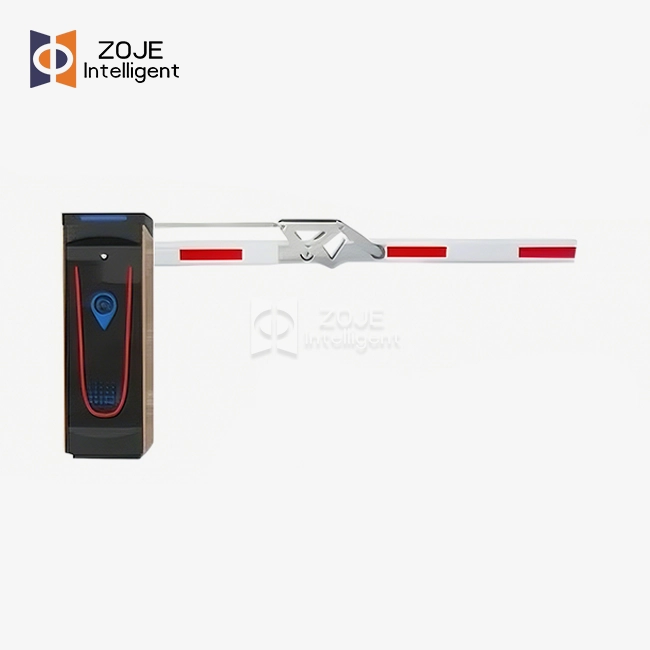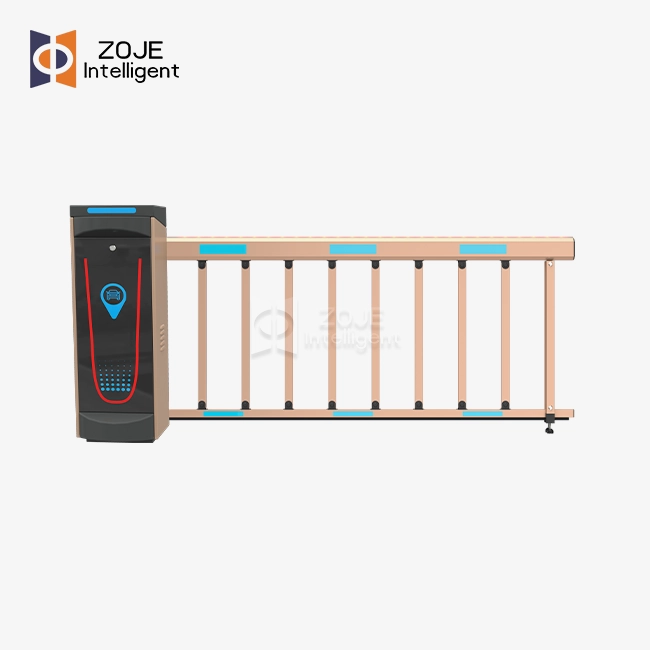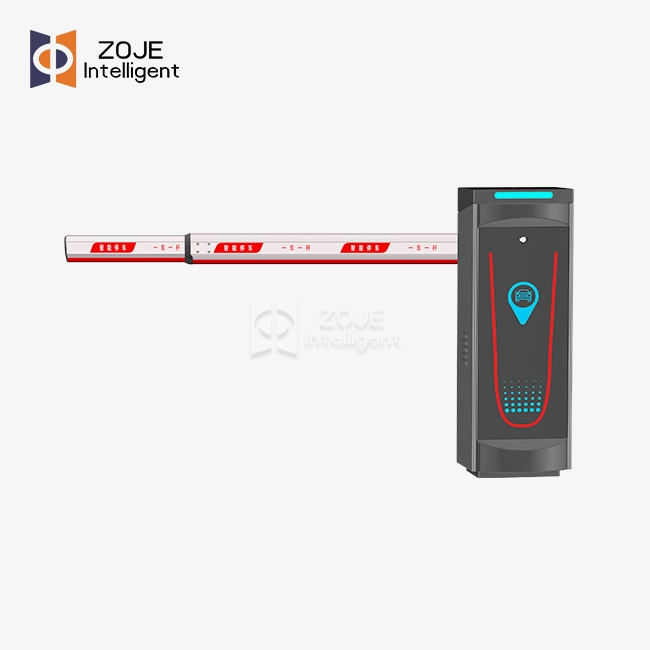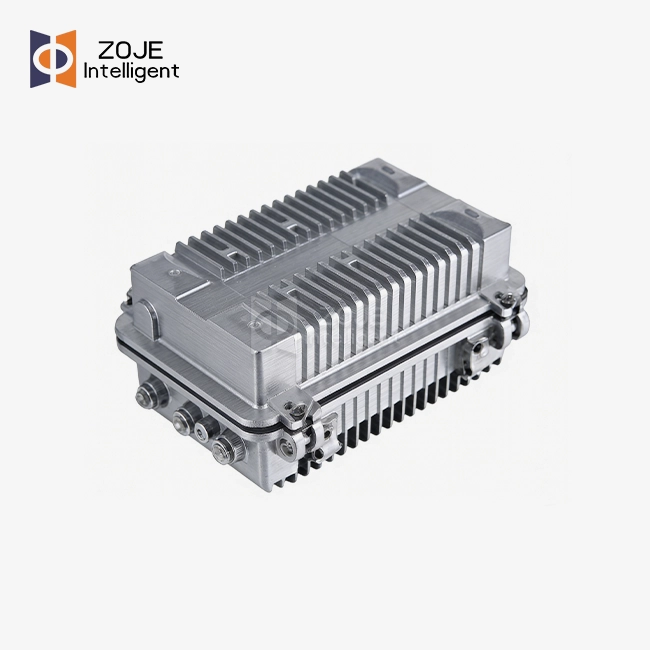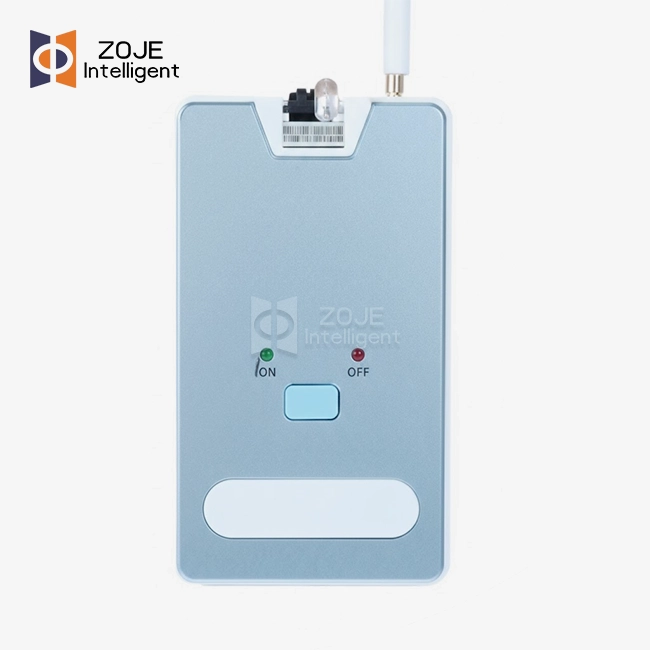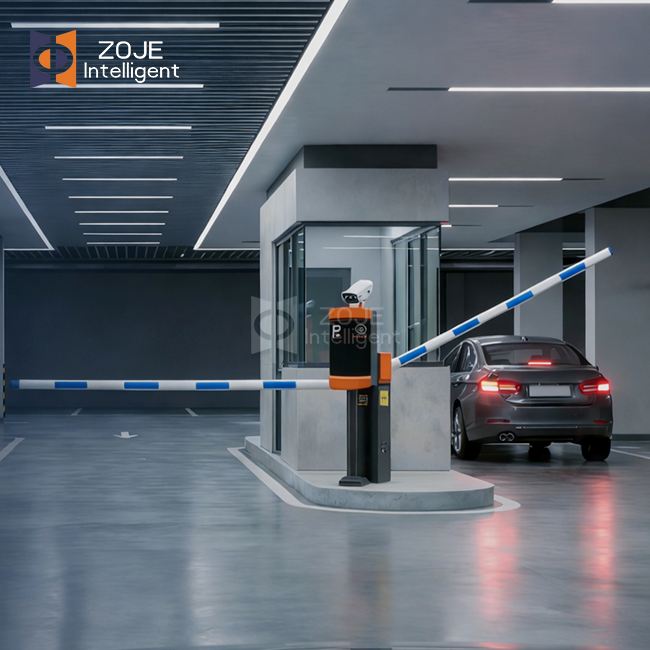

Radar Vehicle Presence Sensor for Barrier Gate
2.Input Voltage(Volts):10~16
3.Temperature Range(℃): -40~85
4.Power(W):< 2.5
5.Water Rissistance Level:IP67
6.Connection Interface:RS485/Bluetooth
7.Size(mm):107.5*73.2*18
8.Support OEM and ODM

- Face to Face Discussion
- Quality Assurance
- 24/7 Customer Service
Product Introduction
Radar Vehicle Presence Sensor for Barrier Gate ZOJE-RA2 – MMW Detection Solution for Automated Boom Barriers
At automated boom barriers, vehicle detection does not require cutting the road surface. The Radar Vehicle Presence Sensor for Barrier Gate ZOJE-RA2 handles that task. It uses 77–81 GHz Millimeter-Wave (MMW) FMCW technology. Power comes from a 10–16V DC supply. Current draw stays below 2.5W. For ingress protection, the housing carries an IP67 rating. Body size is a compact 107.5 × 73.2 × 18 mm. RS485 or Bluetooth handles the connection. Reaction time is under 30 ms. The unit also works from −40°C to +85°C.
What Makes This Sensor Different from a Loop Detector?
Traditional inductive loop detectors need wire coils buried under the road. Cutting the pavement disrupts traffic. Civil engineering costs go up as well. The ZOJE-RA2 mounts in minutes. It attaches straight to the barrier housing. No road surface work is needed. Wear on the pavement over time adds no maintenance burden either.
Composite or carbon-fiber vehicles often get missed by loop detectors. Infrared sensors have the same issue. Once rain, fog, or snow appears, accuracy falls. Focused microwave signals from the ZOJE-RA2 get through precipitation and airborne dust with low attenuation. That gives outdoor access control a dependable option when weather changes.
Dual Detection Functions: Trigger and Anti-Smash
The sensor handles two jobs. Each one matters for a barrier gate to work right.
Triggering: A vehicle enters the detection zone. The sensor signals the gate controller to lift the barrier arm. Reaction time stays under 30 ms. The gate reacts the moment the vehicle appears. You would not notice any delay.
Anti-Smash: The sensor keeps watching the zone while a vehicle passes under the barrier arm. Should a vehicle still be there, the arm stays up. That way it cannot come down on a car or a pedestrian. At any access point, this function lowers the physical risk.
Technical Specifications
| Parameter | Specification |
|---|---|
| Product Name | Radar Sensor ZOJE-RA2 |
| Input Voltage | 10~16V |
| Temperature Range | -40~85℃ |
| Power Consumption | < 2.5W |
| Water Resistance | IP67 |
| Connection Interface | RS485/Bluetooth |
| Size | 107.5 × 73.2 × 18mm |
| Along Road Width | Default ± 0.5m (configurable within ±1.5m) |
| Cross Road Range | Default 3m (configurable within 6m) |
| Online Debugging | Serial Port/Bluetooth Debug |
| Online Update | Serial Port/Bluetooth Upgrade |
| Application Type | All brake lever types |
Key Detection Properties
RCS (Radar Cross Section) measures how much microwave energy a target sends back. The ZOJE-RA2 reads that number. It also tracks how objects move. From those two things, the sensor works out what kind of object sits in the detection zone. One setup makes the gate open for vehicles only. People on foot get ignored. With a different setup, the gate picks up both. That is the choice you want when safety comes first.
Wind-blown trees can set off false readings. Raindrops can too. So can metal structures nearby. The sensor, a Radar Vehicle Presence Sensor for Barrier Gate, filters them out. You can change the detection zones yourself. Do it from the mobile app or with DIP switches. Want a virtual boundary of any size? Draw it. The site needs no physical changes.
Quality Control and Testing
Thermal Stress Screening: Every unit is run through temperatures from −40°C to +85°C. Why? To show the MMIC (Monolithic Microwave Integrated Circuit) still puts out a stable frequency in the cold and in the heat.
IP67 Waterproof Verification: A dust chamber test comes first, then a water immersion test. Both are done on every unit. They prove the casing seal keeps moisture out. Left inside, that moisture can corrode the PCB over time.
EMI Testing: We test in places with heavy radio-frequency noise. Near power substations, for example, or crowded Wi-Fi hubs. The goal is simple: confirm the radar does not fire off false triggers.
Anti-Smash Algorithm Validation: Field tests run the logic against metal vehicles. Pedestrians carrying metal objects get tested too. So do carbon-fiber bicycles. Every obstacle has to be caught. When it is, the barrier arm stays down.

Application Scenarios for Radar Vehicle Presence Sensor for Barrier Gate
Commercial Parking Lots: Mall sites and office complexes sit in this group. A second car often tails the first one closely. The arm could then drop before the zone is clear. The sensor prevents that. While anything stays in the detection area, the arm stays up. It comes down only when the area is empty.
Highway Toll and ETC Lanes: At speed, the sensor separates a tow vehicle from the trailer behind it. That lowers the odds of the barrier closing too soon. Optical lenses on LiDAR or IR curtain setups need regular cleaning. This sensor does not. Heavy snow and fog do not stop it either.
Industrial Parks and Gated Communities: Heavy trucks and people on foot share the same space at these sites. Pedestrian movement can be set to be ignored by the system. Long articulated trucks, though, have to clear the zone fully before the arm comes down. The system makes sure of that. Inductive loop detectors often fail on this point.

Customization
The ZOJE-RA2 comes with OEM and ODM services. Hardware configuration falls under that, and so do software parameters. This way the unit can be matched to what a given project needs. Reach out to the team to talk over your deployment scale for a Radar Vehicle Presence Sensor for Barrier Gate and the technical specs you need.
Frequently Asked Questions
Q: How does the installation compare with a loop detector?
A: You do not have to cut the road. The radar attaches to the barrier housing. Fitting it takes minutes, not hours. That cuts labor time, and the driveway surface stays as it was.
Q: Can the sensor tell a pedestrian from a vehicle?
A: Yes. The sensor reads RCS values and movement patterns. After that the system decides when the gate should open. Vehicles only, pedestrians only, or both. Your configuration sets that.
Q: How does weather affect performance?
A: The 77–81 GHz MMW signal cuts through rain and snow. Fog and dust are no problem either. Signal loss stays low. That is why the ZOJE-RA2 this product holds up better outdoors than ultrasonic or infrared units when conditions get rough.
Q: When lanes sit side by side, can multiple radars interfere with each other?
A: You can adjust the frequency channel. Sensors beside each other then run on different bands or modulation codes. At multi-lane toll stations and parking exits, cross-talk drops.
Q: What happens when objects that don't move stay inside the detection zone?
A: Adaptive Background Calibration means the sensor rebuilds its own reference map of the surroundings. Once a set time has passed, anything sitting still in the zone gets ignored. False alarms that keep repeating go down.
Q: What certifications and standards apply?
A: ISO 9001:2015 is the standard the ZOJE-RA2 gets built under. On design, CE, FCC, and RoHS requirements for electromagnetic compatibility and safety are all met. Water immersion and dust chamber testing is how the IP67 rating gets verified.
Contact Us
For project inquiries or technical questions about the ZOJE-RA2, contact the ZOJE team regarding the Radar Vehicle Presence Sensor for Barrier Gate at info@zoje-tech.com.
Send Inquiry
You may like