
Automatic Parking Payment terminal: The Complete Guide
2026-06-11
Modern parking lots need smart payment systems that make things run more smoothly and give users a better experience. For property owners who want to cut down on staffing costs, get rid of lines, and improve the speed of collecting money, an Automatic Parking Payment terminal with Touch Screen is a game-changing purchase. With these self-service booths, you can pay with cash, credit cards, or QR codes all in one weatherproof unit that works all the time without being watched. These stations fix throughput problems that happen in airports, shopping malls, apartment complexes, office buildings, and business parking lots by moving payment processing away from exit lanes and to centralized pre-exit areas. This book explains the main technologies, how to choose them, how to install them, and how to buy them so that you can use Automatic Parking Payment terminal with Touch Screens that give you a good return on your investment.
Understanding Automatic Parking Payment Terminals with Touch Screens
What Defines a Touch Screen Payment Terminal
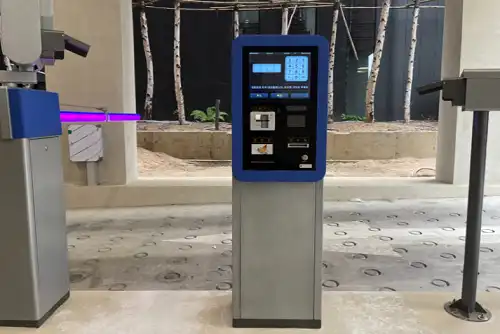
In smart parking systems, an Automatic Parking Payment terminal with Touch Screen acts as an unattended income control point. Unlike older machines with buttons, these ones have projected capacitive touch screens that make movement easy and support multiple languages. A ruggedized chassis holds the system's external parts, such as barcode scanners, bill acceptors that can recycle bills, coin hoppers, EMV-certified card readers, and thermal ticket printers. These Automatic Parking Payment terminal with Touch Screens can handle deals on their own and share data with central parking management platforms via Ethernet or 4G LTE connections. They run on Android 4.0 or higher operating systems.
Core Operational Advantages
Touch screen computers fix important problems in the way parking works. They get rid of the costs of hiring cashiers, lower the risks of theft when cash is handled, and make customers happier by giving them faster service. The visual interface helps users through complicated confirmation steps, like entering license plate numbers so that a computer can recognize a car or scanning discount codes from stores. Because these Automatic Parking Payment terminal with Touch Screens can handle multiple languages, they are perfect for foreign airports and shopping areas with lots of tourists.
Terminal Types and Deployment Scenarios
Standalone units can work on small to medium-sized lots by themselves, while networked screens connect to central management systems to allow reporting in real time and tracking from afar. For store settings, indoor models focus on good looks, while outdoor models have IP65-rated enclosures with temperature control systems. Temperature control, which uses both internal fans and heaters, makes sure that the device works from -30°C to +65°C, which is useful for places with harsh winters and summers. Anti-glare screen techniques keep text legible in direct sunlight, which is a problem that a lot of people had with older shiny displays.
Benefits and Technology Overview of Touch Screen Parking Payment Terminals
Speed and Error Reduction Through Touch Technology
Touch technology speeds things up and cuts down on mistakes. When compared to keypad control, touch screens speed up transaction processing by 30 to 40 percent. There are three steps for users to pay: scan the ticket, choose the way of payment, and confirm the purchase. The visible feedback process cuts down on typing mistakes, which is especially helpful for older people who aren't used to using numeric keypads. Capacitive touch sensors can read movements even when your hands are covered, so you can still use them in the winter.
Hardware and Software Integration
Here are the main pieces of technology that make these devices work:
- Display Technology: TFT-LCD screens between 10.4 and 21.5 inches with LED lights give off 1,000 to 1,500 nits of brightness, making them easy to read outside. With optical bonding, fog doesn't form between layers.
- Payment Peripherals: Customizable recyclers for coins and bills can handle bills and coins of different amounts and have logic to clear jams. Readers that are EMV Level 1/2 approved can handle contactless NFC transfers.
- Security Systems: Tamper alarms that go off when they sense unwanted force. Real-time tracking of deal areas is possible with optional CCTV monitoring.
- Connectivity Protocols: Two Ethernet and four 4G LTE links make sure that the system is always online. Internal UPS systems keep things running when the power goes out for a short time.
These parts work together to make a trustworthy payment environment. The modular design lets you change individual parts, which cuts down on the average time it takes to fix something and increases the system's total lifespan. Software updates can be sent directly, which lets new features be added without having a technician come to your place. An Automatic Parking Payment terminal with Touch Screen ensures seamless revenue control across the facility.
Innovations Shaping 2026 Deployments
Cloud-based data analytics now offer predictive maintenance alerts, which let workers know when bill validators are getting close to breaking down due to normal use. IoT connectivity lets prices change automatically during times of high demand, which increases income per area. AI-powered fraud detection systems notice strange patterns of transactions, like making several small payments with the same card in a short amount of time, which is a common way for people to hide money. Better security methods keep payment information safe while it's being sent, meeting the PCI-DSS compliance standards that banks need.
How to Choose the Best Automatic Parking Payment Terminal with Touch Screen
Environmental Durability Requirements
Physical resistance must be judged by procurement managers based on the conditions of operation. For outdoor platforms, the building must be made of cold-rolled steel or stainless steel with a powder covering that doesn't rust from salt spray. The IK10 vandalism grade proves that the screen can survive hard hits without breaking. Check that the gasket seals still provide IP65 ingress protection after being exposed to different temperatures several times. This is a test that shows how different providers' manufacturing quality is.
User Interface Adaptability
Custom logos, tariff structures, and validation rules that are special to your business should be able to be added to the software interface. Integration with retailer validation systems is helpful for shopping mall deployments because it lets stores pay for customers' parking with coded receipts. For automatic rate changes, residential areas need license plate input fields that are tied to records of residents. Check the accuracy of the touch calibration across the active area of the screen, paying special attention to the sides, where production flaws can make the touch less responsive.
Vendor Reliability and Support Infrastructure
When choosing an Automatic Parking Payment terminal with Touch Screen maker, you need to think about how the relationship could work in the long run. Check to see if the seller has ISO 9001:2015 approval, which shows that they follow standard quality management procedures. Ask for case studies from sites that are similar to the type of building you have—problems that airport hubs face are different from those that suburban office parks face. Evaluate the warranty terms: parts, labor, and remote expert help should be covered for two years. On-site meetings from seller technical teams once a year show that they are committed to the customer's success after the initial launch.
Comparing Market Solutions
Leading brands like Hikvision focus on integrating video surveillance, while Genetec focuses on making software platforms flexible. Zebra Technologies brings together experts in ruggedized gear from different fields. These standards help specialized parking solution providers like ZOJE find their place in the market. They offer reasonable prices and the ability to make changes as needed. Volume discounts usually start at sales of ten units or more, saving parking lot managers 12 to 15 percent on each order for an Automatic Parking Payment terminal with Touch Screen.
Installation, Maintenance, and Troubleshooting Best Practices
Installation Workflow Essentials
The first step in a site inspection is to look at the electrical equipment and network connections. Automatic Parking Payment terminal with Touch Screens use 150 to 300 watts of power, so they need their own lines to keep the voltage from changing because of other equipment. When creating a network, you must choose between wired Ethernet, the most dependable, and cellular connectivity, which save installation time in remote lot corners. It should be accessible to wheelchair users and visible to security cameras. Hardware setup includes anchoring the end to concrete supports with expansion bolts rated for the unit's weight and wind force. Connect genuine touch points to screen locations using the service menu to set up the touch screen. This method compensates for shipping sounds and internal component movement. Use multiple currencies in recyclers and test reject systems with purposefully damaged notes to ensure they operate.
Routine Maintenance Schedules
Weathering accelerates part wear. Door gaskets should be checked every three months for compression set, when rubber seals stiffen. Clean the touch screen monthly using an alcohol-free solution to protect the coating. Special cards clear optical sensors of dust in bill validators every two months. Sorting paths in currency systems operate better when greased annually. This prevents jams at high volume. When there are environmental problems, like salt air at the coast or dust storms in the desert, repair needs to be done at different times. In these situations, Automatic Parking Payment terminal with Touch Screens may need to be cleaned on the outside once a week and inspected on the inside every three months. The chance of vandalism in unattended parking places is high enough to warrant safety bollards and hood extensions that keep screens from being hit directly.
Troubleshooting Common Issues
Calibration change often causes touch response loss. Recalibrating via diagnostics fixes 80% of "dead zone" problems. Most connection troubles are caused by network configuration errors, not hardware. Before dispatching technicians, check IP addresses and firewall rules. Power outages during firmware updates cause most issues. UPS system maintenance prevents this. If ticket printers become stuck, check paper roll position and cutter blade sharpness. Thermal print heads must be updated every 50 million lines to avoid consumer complaints about unclear documents. Payment module "card read failed" errors may be caused by unclean card slots. This problem can be fixed in minutes by using compressed air to clean the card slots of the Automatic Parking Payment terminal with Touch Screen.
Procurement and Purchasing Guide for Automatic Parking Payment Terminals with Touch Screens
Direct Vendor Versus Distribution Channels
When you buy straight from makers like ZOJE, you can get engineering help while the specifications are being made. Direct connections make it easier for OEMs to customize—changing things like case colors, software interfaces, or the way peripherals are set up to fit the needs of a project. Standard lead times are between 5 and 7 days for stock items and 10 to 15 days for special builds. Distribution routes make it faster to get supplies when you need them, but they limit your ability to make changes to your Automatic Parking Payment terminal with Touch Screen.
Budgeting for Total Cost of Ownership
The costs of buying something are 40 to 50 percent of the costs of owning it for five years. Include the cost of installation labor, upgrades to the network equipment, and training for support staff. Consumables like cleaning materials and receipt paper add small ongoing costs. Extended protection options, which cover years three through five, usually cost 15% of the original price but take the guesswork out of service costs. When you subscribe to a cloud service for an analytics platform, you have to pay ongoing fees that change based on the number of transactions.
Negotiating Volume Discounts and ODM Terms
Tiered price is available for orders of ten or more pieces. Some makers offer savings that start at 10% off ten units and go up to 20% off fifty units. With an ODM agreement, you can brand the Automatic Parking Payment terminal with Touch Screen with your company's name, which helps you stand out in a crowded market. Talk about payment terms that work with the project's goals. For example, a 30% deposit, 60% payment when factory testing is done, and 10% retention after successful field operation protects both parties.
Critical Supplier Questions
Before starting talks with vendors, you need to be clear on your integration needs: "Does your Automatic Parking Payment terminal with Touch Screen support our existing PARCS software via SNMP protocol?" Check the compatibility of peripherals: "Can your bill recycler handle polymer banknotes used in our region?" Check the support capabilities: "What is your average response time for level-one technical issues during our peak hours?" Ask for demonstration units to be sent out for 30 days so you can see how well they work in real-world situations before committing to large orders.
Conclusion
Putting in Automatic Parking Payment terminal with Touch Screens changes how parking works by cutting down on labor costs, making the customer experience better, and protecting income. During the decision process, environmental resilience, software freedom, and provider support infrastructure must all be carefully looked at. The system will last longer and have less downtime if it is installed and maintained correctly. When compared to price-focused choices, procurement strategies that focus on total cost of ownership and customization options give better results. As parking lots become more data-driven, owners will be able to meet future needs with Automatic Parking Payment terminal with Touch Screens that are connected to the internet of things (IoT) and use cloud analytics.
FAQ
1. Can touch screen terminals withstand extreme weather conditions?
Yes, units that are properly set up work regularly in temperatures ranging from -30°C to +65°C. IP65-rated shelters keep water and dust out, and internal climate control systems, which use fans and heaters to keep electrical parts at the right temperature for operation. Anti-glare treatments make sure that you can see the screen of the Automatic Parking Payment terminal with Touch Screen even in bright sunlight.
2. Do these terminals integrate with existing parking management software?
Standard communication methods, such as TCP/IP, SNMP, and REST APIs, can be used with most contemporary Automatic Parking Payment terminal with Touch Screens. Because of this, it is possible to connect to well-known PARCS systems from big companies. Make sure that the protocol support fits your current system before you buy so that you don't have to pay a lot of money for middleware development.
3. What payment methods do customers prefer?
Payment choices vary by location and type of person. In cities, contactless card purchases are the norm in business settings, while cash is still important in tourist areas and private areas. Younger people who are used to using mobile cash apps are becoming more interested in QR code payments. Supporting more than one way increases usability and the number of transactions that are completed.
Partner with ZOJE for Advanced Parking Payment Solutions
ZOJE's Automatic Parking Payment terminal with Touch Screen for sale can completely change the look of your parking lot. It was designed to be reliable, flexible, and give you a great return on your investment. Our machines run on Android and have an easy-to-use interface that works with cash, credit cards, and QR codes. They also have tamper alarms and the option of CCTV tracking. As a provider of Automatic Parking Payment terminal with Touch Screen with a lot of experience, we can get standard units to you in 5 to 7 days and can also modify the hardware or software to your exact needs through flexible OEM and ODM partnerships. Our manufacturing is ISO 9001:2015 approved to ensure uniform quality. We also offer 24/7 global technical help and two-year warranties to protect your investment. Our dedication to long-term relationships is shown by the fact that we visit our customers once a year. Get in touch with info@zoje-tech.com right away to talk about your project needs and ask for a personalized consultation with full price that fits the needs of your building.
References
1. Smith, J. & Anderson, K. (2023). Smart Parking Systems: Technology Integration and Operational Efficiency. Transportation Infrastructure Press.
2. Chen, L. (2024). "Touch Interface Design for Outdoor Payment Kiosks," Journal of Human-Computer Interaction in Commercial Environments, 18(2), 145-162.
3. International Parking & Mobility Institute. (2023). Emerging Technologies in Parking Management: 2023-2024 Industry Report. IPMI Publications.
4. Rodriguez, M. et al. (2023). "Cost-Benefit Analysis of Automated Payment Systems in Multi-Level Parking Structures," Facilities Management Quarterly, 41(3), 78-94.
5. Global Parking Technology Association. (2024). Standards and Best Practices for Self-Service Payment Terminals. GPTA Technical Guidelines Series.
6. Wilson, R. (2023). Revenue Control Systems: Design, Deployment, and Maintenance Strategies for Parking Facilities. Urban Infrastructure Publishing.

Send Inquiry
You may like



Related Industry Knowledge
- Automatic Parking Payment terminal: The Complete Guide
- High-Speed Access Control Turnstile Gate Features
- Is Space-Saving Turnstile Suitable for High Traffic?
- Waist-high Tripod Turnstile Features and Mechanism
- How Security Anti-Collision Barrier Prevents Damage?
- What Is High-Speed Access Control Turnstile Gate?
- Top Benefits of Unattended Access Control Turnstile
- Unattended Full-Height Turnstile Benefits in Factories
- What Is Ticketless Vehicle Access Control in Smart Parking?
- What Is a Regional ANPR System and How Does It Work?