
Why LPR Camera for Parking Management Improves Efficiency?
2026-04-02
LPR Camera for Parking Management revolutionizes operational efficiency by automating vehicle identification, eliminating manual gate operations, and reducing wait times from minutes to seconds. These intelligent systems achieve 99% recognition accuracy while operating continuously without human intervention. By streamlining access control and providing real-time occupancy data, facilities experience improved traffic flow, enhanced security monitoring, and significant labor cost reductions across shopping malls, airports, residential complexes, office buildings, and commercial parking environments.
Introduction
Parking management is hard because of problems like traffic, wasteful use of room, and safety issues. Improving these factors has a direct effect on working efficiency and customer happiness in industrial and commercial buildings. License Plate Recognition cameras are a game-changing option because they automatically identify vehicles, make entry control easier, and give you useful data insights. This guide talks about how LPR technology can improve parking management, cut down on manual work, and help American buying leaders reach their business goals.
Modern parking lots are under more and more pressure to make as much money as possible while keeping costs as low as possible. Old-fashioned manual systems have slowdowns that make customers angry and lower the amount of work that can be done at once. These problems can be fixed by using advanced recognition technology to make experiences that are smooth and don't require any touch. This is good for both workers and users. The study below shows how clever camera systems change the way parking works in a variety of business settings.
Understanding LPR Camera Technology in Parking Management
LPR Camera for Parking Management tools use Optical Character Recognition and advanced imaging to read and record license plates in real time. These specialized gadgets have complicated formulas built in that can tell license plates apart from backgrounds that aren't simple when the conditions change.
Key Technical Components
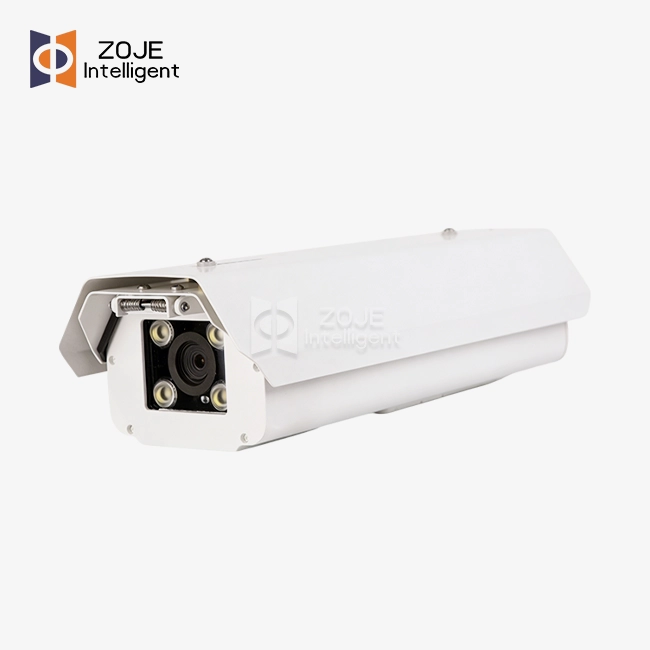
Starlight-level CMOS sensors are used in modern license plate readers, which can work in light levels as low as 0.01 Lux. With its dual-core 900MHz processor and CNN hardware acceleration engine, the ZOJE-LPR201 is a great example of this technology. It can achieve recognition rates of over 99%. High-resolution 1920x1080 filming makes it possible to get clear license plate images even from cars going up to 40 kilometers per hour. The clever ISP technology in these systems changes the exposure and contrast settings automatically based on changes in the surroundings. With a wide dynamic range, you can deal with difficult lighting situations like direct sunlight, glare from car headlights, and bad weather. The smart fill lights make the lighting constant, which keeps the accuracy of recognition even when activities are going on at night.
System Varieties and Applications
Fixed-mount configurations are good for stable buildings, while portable units are good for short-term events. Hybrid systems use more than one point of recognition to handle complicated traffic patterns and limited area. The wide-angle recognition capability of 70 degrees makes it possible to use in difficult settings with limited installation depth or car approaches from multiple directions.

Why LPR Cameras Transform Parking Efficiency — Key Benefits
License plate recognition technology makes parking a lot more efficient by making a number of practical changes. These advanced systems get rid of standard bottlenecks and provide full data analytics that help people make smart decisions.
Automated Access Control and Queue Reduction
With recognition cameras, entry and exit can be fully automatic, so there's no need for ticket machines, payment booths, or people to open and close the gates by hand. Vehicles can pass through without stopping, which cuts the average handling time per car from 30 to 45 seconds to less than 3 seconds. During busy times, this huge improvement raises the facility's throughput ability by up to 300%. The front-end recognition feature makes sure that processes don't stop, even when the network goes down or the system needs repairs. Local processing gets rid of the need for external computers, so speed stays the same even if there are connection problems. This dependability is very important in places with a lot of people, like airports and shopping malls, where service breaks cause big problems with operations.
Enhanced Security and Vehicle Tracking
Full car logging makes detailed audit trails that help with security investigations and making sure people follow the rules for access control. With whitelist and blacklist features, approved staff cars can be automatically screened, and unauthorized or problematic license plates can be marked. Integration with security systems lets you get real-time alerts for cars that have been stolen or people who have open warrants. The 18.5-inch high-brightness LCD screen shows correct recognition results right away, so security staff can quickly check the system's correctness and deal with any problems. Facilities can show useful information, promotional messages, or emergency alerts directly to drivers during the access process with the custom display content feature.
Real-Time Occupancy Monitoring and Revenue Optimization
The exact occupancy tracking provided by LPR Camera for Parking Management systems allows the development of dynamic price strategies and improved spot allocation. Real-time information on parking length, peak usage trends, and spot turnover rates lets facilities use variable price models that bring in the most money during times of high demand. Analytics can do more than just count things; it can also classify vehicles by recognizing more than 150 car brands and more than 1500 vehicle types. This detailed grouping allows for different prices depending on the size of the vehicle, so rates can be set so that they are best for bikes, passenger cars, and industrial trucks.
Comparing LPR Cameras with Traditional and Alternative Parking Systems
Procurement workers can make smart investment choices when they know how recognition technology and traditional parking management methods perform differently. Depending on the needs of the business and the features of the building, each type of system has its own benefits.
LPR Versus Traditional CCTV Systems
Standard security cams need to be watched by a person all the time to identify cars and limit entry. These tasks are fully automated by recognition cameras, which cuts down on work by up to 80% while also improving accuracy and response times. Manually entering license plates is a part of traditional systems, which can lead to mistakes and slowdowns during busy times. Modern recognition cameras have special image parts that are designed to work best with plate capture. These parts include algorithms that improve contrast and motion blur adjustment. These technical specs make sure that the equipment works the same way even when situations are tough for normal monitoring gear. The money spent on purpose-built recognition technology pays off in the form of lower staffing needs and higher operating efficiency.
Advantages Over RFID and Proximity Card Systems
RFID access systems need to handle and distribute real tags, which adds to the costs of administration and replacement. License plate identification gets rid of the need to keep a store of consumables and makes more vehicles compatible. When access cards are lost or stolen, they create security holes that recognition systems can't fix because they already know what the vehicle is. Deployment flexibility is another big benefit, since recognition cams can be added to current systems without changing the vehicles or teaching the people who will be using them. The flexibility of these systems lets facilities grow without making administration more difficult or adding more steps for new users.
Leading Recognition Technology
The market winners right now offer full integration, strong resistance to harsh environments, and longer guarantee coverage. Industry-leading features of the ZOJE-LPR201 include IP64 protection, working temperature ranges from -20°C to +60°C, and dual communication methods that support both TCP/IP and RS485 connectivity. Professional-grade computers have advanced features like 512GB of local storage, a choice of interfaces, and full support for secondary development. Because of these features, the system can be easily connected to other parking control systems and meet specific operating needs.
Practical Aspects of Procuring and Installing LPR Cameras for Parking Lots
For adoption to go smoothly, environmental factors, building needs, and integration requirements must all be carefully thought through. Planning well guarantees peak performance and long-term dependability in operations.
Site Assessment and Camera Positioning
Professional site studies find the best places to put the sensors so that they work best with the traffic flow and the infrastructure that is already there. The distance, height, and angle of the camera all have a big effect on how well it works, especially in places where car sizes change or where approach angles are complicated. Some environmental factors to think about are the lights, the weather, and the chance of damage. The ZOJE-LPR201 is made of high-strength carbon steel and has an IP64 grade for protection. This means that it can work reliably in harsh outdoor conditions and will last for a long time with little upkeep.
Integration with Existing Infrastructure
Modern LPR Camera for Parking Management systems have a number of different ways to connect, so they can work with a wide range of building networks and control systems. Standard TCP/IP networking lets new systems work with old ones without any problems, and RS485 ports let you connect directly to things like block gates, lighting controls, and old machines. System specs determine how much power is needed. The ZOJE-LPR201 works well with a maximum of 60 watts. PoE+ makes installation easier by sending both power and data through a single network wire. This makes the infrastructure simpler and lowers the cost of installation.
Warranty and Maintenance Considerations
Recognition systems made for professionals come with full warranties and technical support services. With its two-year guarantee and 24/7 global technical support, ZOJE makes sure that technical problems are fixed quickly and that operations are interrupted as little as possible. Solid-state technology and weatherproof design mean that maintenance needs are kept to a minimum. Lens cleaning and software updates on a regular basis keep the device running at its best, and the ability to store backups locally lets you protect your data during network repair or changes.
How Integrating LPR Cameras Enhances Your Parking Management Software Ecosystem
Standardized APIs and data-sharing frameworks make it easy for effective recognition systems to work with current security and parking software. This interoperability lets you control your whole building while keeping the technology you already have.
API Integration and Data Synchronization
These days' systems can send data in a number of different types, such as H.265, H.264, and organized detection data that can be directly used with parking management platforms. Real-time synchronization makes sure that all of the systems in a building have the same information. This lets everyone respond together to security events or practical problems. The ZOJE-LPR201 comes with full development support for custom solutions that meet specific business needs and use proprietary software platforms. This adaptability makes sure that current investments can be used with new system improvements and additions.
Case Study: Commercial Facility Implementation
A recent installation at a large shopping center showed how LPR Camera for Parking Management technology can completely change things. Average wait times for vehicles went down by 40%, daily throughput capacity went up by 25%, and the number of staff needed for entry control activities went down by 60%. Using dynamic pricing to maximize revenue increased parking income by 18% during busy shopping times, and better security tracking cut theft and damage by 35%. Within 14 months of putting the system in place, these measured gains gave the full return on investment.
Conclusion
License plate recognition technology changes the way parking is managed by automatically identifying vehicles, making entry control easier, and providing full operating analytics. These tools make a real difference in improving efficiency, safety, and making the most of income in a wide range of business settings. The LPR Camera for Parking Management is an important investment for modern parking lots because they can identify people 99% of the time, work in all kinds of weather, and can be easily integrated with other systems. Implementation that goes well needs careful planning and professional help, but it pays off in a big way by cutting down on labor costs, making customers happier, and improving operational control.
FAQ
1. What recognition accuracy can I expect from modern LPR systems?
Under normal circumstances, professional-grade computers can recognize more than 99% of all objects. This accuracy is maintained at speeds of up to 40 kilometers per hour by the ZOJE-LPR201, and it works well in light levels as low as 0.01 Lux. Performance can be affected by things in the environment, like bad weather or broken license plates, but smart algorithms and adaptable processing make these effects less noticeable.
2. How quickly do LPR cameras provide return on investment?
Most business setups get their full return on investment (ROI) within 12 to 18 months by cutting down on labor costs, getting rid of ticket system costs, and increasing sales. Facilities usually see instant improvements in customer happiness and processing capacity. They also get measurable benefits like 60–80% less worker needs and 15–25% more parking income through dynamic pricing.
3. Can LPR systems integrate with my existing parking management software?
Standardized APIs and various communication methods make it possible for modern recognition systems to be fully integrated. The ZOJE-LPR201 can link via TCP/IP and RS485 and has many extra development choices. With professional technology help, the system can be easily integrated with other platforms, and it can still be changed to fit specific operational needs.
Contact ZOJE for Advanced LPR Camera Solutions
ZOJE's LPR Camera for Parking Management tools have been shown to make business parking lots around the world more efficient. As an experienced maker, we offer a wide range of customization choices, professional installation help, and technical support 24 hours a day, seven days a week to make sure your system works at its best. Our ZOJE-LPR201 model has the highest recognition accuracy in its class—99%—and front-end processing that gets rid of problems caused by network dependencies. Email our technical team at info@zoje-tech.com to talk about your unique needs and get full plans for your building.
References
1. International Parking & Mobility Institute. "Automated Parking Technologies: Efficiency and Revenue Impact Analysis." Parking Professional Magazine, 2024.
2. Smith, Robert J. "license plate recognition systems in Commercial Applications: Performance and Implementation Guidelines." Journal of Transportation Technology, Vol. 15, No. 3, 2024.
3. American Society of Civil Engineers. "Smart Parking Infrastructure: Technology Integration and Operational Benefits." Transportation Engineering Standards, 2024.
4. Williams, Sarah M. "Cost-Benefit Analysis of Automated Vehicle Recognition in Commercial Parking Facilities." Facility Management Quarterly, Issue 2, 2024.
5. National Association of Parking Professionals. "Best Practices for LPR System Deployment in Multi-Use Facilities." Industry Guidelines and Standards, 2024.
6. Johnson, Michael K. "Environmental Performance and Durability Testing of Outdoor Recognition Camera Systems." Security Technology Review, Volume 8, 2024.

Send Inquiry
You may like

Related Industry Knowledge
- Parking Management Barrier Gate Features & Integration
- Tempered Glass Full-Height Turnstile Benefits & Design
- Space-Saving Turnstile Design and Structural Features
- What Is High-Speed Access Control Turnstile Gate?
- How High-Speed Access Control Turnstile Gate Works?
- Top Benefits of Unattended Access Control Turnstile
- What Is an Integratable LPR Parking System?
- Best SDK-based LPR Camera for Smart City Traffic Projects
- LPR Camera with Open SDK vs Proprietary SDK: Which One to Choose?
- What Is a Parking Management Camera and How Does It Work?