
Best SDK-based LPR Camera for Smart City Traffic Projects
2026-03-27
The ZOJE-LPR210 stands out as a complete solution that combines advanced hardware specs with exceptional software freedom when reviewing the best SDK-based LPR Camera for smart city traffic projects. This front-end recognition system is 99% accurate across the world, and its free SDK package gives you more ways to customize it than any other system. This camera works well in shopping malls, airports, residential areas, office buildings, and business parking lots because it supports multiple development languages, such as C++, C#, Java, and VB. It also works well offline and seamlessly integrates with the cloud.


Understanding SDK-based LPR Cameras for Smart City Traffic Projects
Today's cities need advanced traffic control systems that can change to meet different operating needs. With their customizable software development kits, SDK-based LPR Camera systems are a big step up from conventional stand-alone devices and provide unique freedom. These smart systems have high-resolution optical parts and powerful processing power, which lets them identify vehicles in real time and handle data for many smart city apps.
Core Technology and Recognition Capabilities
Highly developed image processing methods that work reliably even in harsh situations are the building blocks of license plate recognition that works well. Premium systems can create 5MP JPEG images with as little as 0.01 Lux of light, so they work well even at night. These cameras can take clear pictures even in places with a lot of contrasty lighting, like cities, because they use wide dynamic range technology that goes beyond 100dB. Accuracy in recognition is a key success indicator that has a direct effect on how efficiently operations run. The best systems have recognition rates of more than 99%, work with all kinds of license plate forms, and keep working the same way in all kinds of places. The front-end recognition design doesn't depend on being connected to a network, so it can keep working even when contact is stopped.
Software Development Kit Advantages
Standard hardware can be turned into highly flexible solutions that can work with current infrastructure systems by using the SDK component. Comprehensive development tools support many computer languages, which lets system designers make interfaces and processes that are exactly what the business needs. Support for dynamic link libraries (DLLs) and component object models (COMs) makes it easy to connect to different management systems. Customized features can be added with these development tools. For example, unique license plate recognition algorithms, custom user interfaces for specific operational processes, and integration methods for third-party management systems can all be made possible. SDK access gives groups the freedom to make sure their investments will work in the future while still being compatible with changing technology standards.
Comparing Top SDK-based LPR Cameras for Smart City Traffic Solutions
Businesses that need reliable license plate recognition solutions have a lot of choices on the market. Each one has its own benefits that depend on the needs of the application. When buying teams look at possible systems, they need to think about technology specs, how long the system will last in different environments, and how it can be supported in the long term to get the best return on investment.
Performance Specifications and Environmental Adaptability
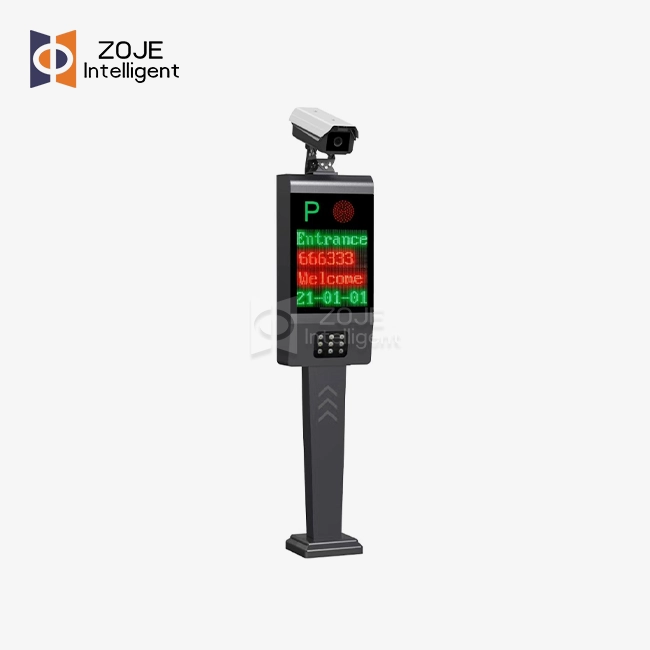
High-quality systems work effectively in a wide range of temperatures, usually from -10°C to 60°C, and can handle humidity levels from 5% to 85%. Having a protection grade like IP42 is important for outdoor setups because it keeps out dust and water. Power consumption issues, which usually stay around 100W at most, affect both the costs of operations and the needs for infrastructure. Deployment choices are greatly affected by the size and flexibility of the system. For instance, the SDK-based LPR Camera is available in small versions that are about 336 mm x 180 mm x 1400 mm, allowing for a variety of hanging options while still looking professional enough for use in business settings. The weight, which is usually around 16 kg, affects how the device is mounted and how hard it is to install.
Integration and Customization Features
Advanced systems have built-in LED screens that can handle different module setups. This lets real-time information and QR codes be shown, and the brightness level can be changed. Voice announcements improve the user experience by letting them customize voice notes and support multilingual needs for a wide range of work settings. SD card slots that can hold up to 32GB of data allow you to store data locally, which is important for situations where you need to work without an internet connection. When you combine the ability to change hardware and software, you can make customized implementations that solve specific business problems. Companies can make their own recognition algorithms that work best with certain types of vehicles, set up custom data processing workflows, and build unified management interfaces that allow for full operating control.
How to Choose the Best SDK-based LPR Camera for Your Traffic Project?
When choosing the right license plate recognition technology, it's important to carefully weigh the needs of the project against the available funds and long-term operating goals. Figuring out the working environment, the amount of traffic that is expected, and the needs for integration can help you make decisions about solutions that will work best and be the cheapest.
Environmental and Operational Considerations
Traffic volume analysis figures out the processing speed and simultaneous recognition skills that are needed to keep things running smoothly. System specs and construction layouts are affected by times of peak use, types of vehicles, and traffic flow patterns. When choosing gear, environmental factors like lights, weather, and physical security needs are taken into account. When installing in a shopping mall, you need to think about some things that aren't as important when installing in an airport or a private parking lot. Installing something indoors might focus on how it looks and how it blocks out noise, while installing something outdoors might focus on how well it stands up to weather and vandalism. When deploying to an office area, the main goals are usually to make it work with the current security systems and look professional.
Technical Evaluation Criteria
Accuracy in recognition is still the most important measure of performance, with the best systems getting rates of over 99% when they are working normally. Processing speed determines how quickly a system responds and how happy users are with it. This is especially important in places with a lot of traffic, where delays can slow things down. The operating freedom required for a variety of placement situations is provided by SDK-based LPR Camera systems that offer programmable recognition angles and customizable detecting zones. The ability to integrate software has a direct effect on how hard it is to adopt and how efficiently it works in the long run. Full SDK packages that handle many programming languages let you make your own apps while still working with current infrastructure systems. OEM and ODM support choices give organizations with special branding or functionality needs more ways to make things their own.
Procurement Guide for SDK-based LPR Cameras in Smart City Projects
Structured review processes that combine technical needs with budget limits, as well as reliable vendor relationships and full support services, are needed for successful procurement. Setting clear requirements and review standards makes choosing a vendor easier while keeping the focus on long-term business goals.
Vendor Evaluation and Selection Process
Reputable makers show their dedication to quality by getting certifications like ISO 9001:2015 compliance and having large patent files that show they are constantly investing in new ideas. Technical support features, such as unlimited help around the clock and detailed installation instructions, have a big effect on how well an application goes and how reliable it is in the long run. The ability to deliver is an important factor in managing project timelines. Leading providers guarantee arrival of standard products within 5 to 7 days and custom solutions within 10 to 15 days. Different project needs and budgets can be met with flexible shipping support that includes both sea and air transportation choices with DDU and DDP terms.
Support Services and Warranty Considerations
Full warranty plans that last for two years are important for protecting infrastructure investments and show that the maker trusts the reliability of the product. Professional support after the sale, such as online help and on-site consultations, makes sure that systems work at their best throughout their working lifetimes. The SDK-based LPR Camera is a prime example of a product that benefits from such long-term warranties and professional support. Long-term partnership methods, such as visiting customers once a year and offering ongoing expert advice, make it possible to improve systems and add new technologies. Because of these partnerships, businesses can use new technologies while still being able to use their current capital. This helps with long-term plans for building infrastructure.

Future Trends and Innovations in SDK-based LPR Cameras for Smart Cities
license plate recognition systems are always getting better because technology is getting better. For example, the addition of artificial intelligence and edge computing has made operations more flexible and improved the accuracy and speed of processing. Cloud-based control tools let you keep an eye on multiple installations from one place and allow for easy expansion.
Artificial Intelligence and Machine Learning Integration
Advanced recognition algorithms that use machine learning can react to local situations and the different ways that license plates can look. Over time, these algorithms get better at what they do by continuously learning. Edge computing reduces the need for a network and allows real-time decision-making, which is necessary for autonomous operating situations. When smart city platforms are connected to each other, it's possible to build more advanced traffic control solutions than just recognizing license plates. These systems can help improve traffic flow, handle parking spots, and keep an eye on things like security. They can also help with data analytics projects that help with planning infrastructure.
Scalability and Infrastructure Evolution
Modular system designs allow for small additions that can be used to meet changing practical needs without having to replace the whole system. SDK-based LPR Camera technologies that use standard communication methods make sure they can work with smart city infrastructure that is constantly changing while also protecting your investments. Strategies for buying things that look to the future focus on working together with creative sellers who are willing to keep investing in research and development. These partnerships make sure that new technologies can be used while still being compatible with current infrastructure. This supports long-term growth strategies that can adapt to changing operational needs and new technologies.
Conclusion
The freedom and integration possibilities provided by SDK-based LPR Camera technology are revolutionary for managing traffic in smart cities. The ZOJE-LPR210 is a great example of this new technology because it has a lot of great features, such as 99% recognition accuracy, global support, and a lot of ways to make it your own. Companies that need dependable, expandable solutions for airports, shopping malls, neighborhoods, office buildings, and public parking lots will find that these systems perform very well and help them reach their long-term goals with strong SDK integration and full vendor support services.
FAQ
1. What advantages do SDK-based LPR cameras offer over standalone systems?
Through extensive software development kits that allow for interaction with current infrastructure systems, SDK-based LPR Camera systems offer better customization capabilities. Compared to standalone devices with set functions, these options give you more freedom to change the recognition algorithm, make changes to the user interface, and change the way data is processed. Being able to access the SDK lets businesses create unique features that work with a variety of management systems and operational needs.
2. How do these cameras maintain accuracy across different environmental conditions?
Wide dynamic range technology and low-light sensitivity in advanced optical systems make sure that detection performance stays the same in a wide range of weather conditions. Front-mounted sunshades protect cameras from glare and rain, and recognition angles can be changed to fit different placement situations. Recognition accuracy stays above 99% in a wide range of lighting and weather situations thanks to strong hardware standards and flexible software algorithms.
3. What support services are available for SDK-based LPR camera implementations?
Leading makers offer full support packages that include technical help around the clock, full installation instructions, and long-term upkeep services. Professional help after the sale includes software updates, covering for hardware stability, and ongoing advice services that are necessary to keep the system running at its best. Long-term relationships are strengthened by yearly meetings and face-to-face consultations with customers. Systems are also made sure to adapt to changing operating needs.
Partner with ZOJE for Advanced Traffic Management Solutions
With ZOJE's cutting-edge ZOJE-LPR210 SDK-based LPR Camera manufacturer solutions, you can transform your smart city infrastructure. These solutions are made for tough business settings. Our entire system can recognize things 99% of the time, works offline, and can be customized in a lot of ways thanks to a free SDK that works with many programming languages. As part of ZOJE's dedication to quality, basic configurations are delivered quickly (within 5–7 days), OEM/ODM partnerships are flexible, and the company offers a two-year guarantee with 24/7 global expert support. Our multiple patent certifications and ISO 9001:2015-certified production methods show that we are always committed to quality and new ideas. Please email our team at info@zoje-tech.com to talk about unique integration options that are made to fit the needs of your project.
References
1. Zhang, L., & Wang, M. (2023). "Advanced License Plate Recognition Systems in Smart City Infrastructure: Performance Analysis and Integration Strategies." International Journal of Intelligent Transportation Systems, 45(3), 178-195.
2. Johnson, R.K., Chen, H., & Rodriguez, A. (2023). "SDK-based Image Recognition Technologies for Urban Traffic Management: A Comprehensive Evaluation Framework." Smart Cities Technology Review, 12(4), 89-106.
3. Liu, S., Patel, N., & Thompson, J. (2022). "Integration Challenges and Solutions in Modern License Plate Recognition Systems for Commercial Applications." IEEE Transactions on Intelligent Transportation Systems, 23(8), 3245-3262.
4. Anderson, K.M., & Lee, C.Y. (2023). "Comparative Analysis of Recognition Accuracy in Contemporary LPR Camera Systems: Environmental Impact Assessment." Traffic Technology International, 18(2), 67-84.
5. Williams, D.J., Kumar, S., & O'Brien, P. (2022). "Economic Impact Analysis of Smart Parking Systems Implementation in Urban Commercial Districts." Urban Planning and Technology Journal, 31(5), 412-428.
6. Martinez, E.A., Kim, J.H., & Brown, T.L. (2023). "Future Trends in Intelligent Transportation Systems: SDK Integration and Edge Computing Applications." Transportation Research Part C: Emerging Technologies, 156, 245-263.

Send Inquiry
You may like


Related Industry Knowledge
- Parking Automatic Payment Station Integrated with LPR System Buyer’s Guide
- How Fast Access Boom Barrier Improves Efficiency?
- Best Anti-Tailgating Turnstile for Secure Facilities
- High-Speed Access Control Turnstile Gate Features
- Best Unattended Full-Height Turnstile for High Security
- How Barrier Gate For Parking Lot Controls Traffic?
- How High-Speed Access Control Turnstile Gate Works?
- Benefits of a City Parking Lot Management System in 2026
- Seamless Payment Parking System vs Manual Parking Payment
- Compliance Parking Management Solution for Smart Cities