
Seamless Payment Parking System vs Manual Parking Payment
2026-04-09
The argument between Seamless Payment Parking System options and old-fashioned cash payments is a big change in how modern parking lots run their businesses. Manual systems use cash, tickets, and a lot of work to handle payments. Seamless payment technologies use automated license plate recognition, contactless payments, and management tools in the cloud. These new technologies solve important operational problems that traditional parking infrastructure has, like transaction delays, security holes, and limited data analytics tools. These problems happen in shopping malls, airports, apartment complexes, office buildings, and commercial parking lots.
Why Transition from Manual to Seamless Parking Payment Systems?
Conventional parking payment methods slow operations and diminish income in fast-paced B2B situations. Manual techniques slow transactions, especially in congested stores and offices. Cash facilities have one security flaw that allows criminals to take money. They lack data to estimate facility use and set appropriate prices. Technology must handle several activities and give real-time data for modern parking infrastructure. Post-pandemic areas where people avoid touching objects need contactless payments. Technology from Seamless Payment Parking System automates payment, removes cash, and delivers deep analytics for data-driven decision-making. Industry and commercial procurement specialists agree that new payment methods boost efficiency. These systems accelerate processes and give more payment choices, reducing labor costs and improving user experience. Large companies who want to improve operations like smooth payment solutions that interact with smart city frameworks and facilities management systems.


Limitations of Manual Parking Payment Systems
Operational Inefficiencies and Maintenance Burdens
Manual parking payment systems are expensive to operate and slow to process transactions. Traditional coin-operated meters require frequent maintenance to remove jams, fix equipment, and accept currency. These repairs make it tougher to obtain parking and need dedicated personnel for frequent care, which increases prices over time. Cash transactions slow down parking lots, particularly in busy sites like airport hubs and retail centers. Drivers must locate correct change, wait for mechanical validation, and display paper tickets during busy periods, slowing things down. These delays worsen at peak periods, angering consumers and limiting facility capacity.
Security Risks and Revenue Leakage
Cash handling creates security weaknesses that enable criminals in and cost parking lots money. Getting coins and cash in person involves secure transit and provides possibility for foreign theft or criminality. Manual payment systems have challenges fighting frauds since someone losing a ticket lowers parking rates or administrative issues make it tougher to recover money. Traditional systems lack reliable audit records and real-time monitoring capabilities, making operational faults and revenue anomalies difficult to detect. Lack of digital payment records makes it tougher to balance accounts and implement demand-based or special event pricing schemes.
Limited Data Collection and Analytics Capabilities
Manual parking systems don't give you much information about how they work besides collecting money. Facility managers don't have access to specific information about customer behavior, peak hour data, or usage trends that would help them make smart choices about how to best set prices, plan capacity, or improve services. This lack of data affects business buildings that need detailed information to make the best use of room and make the most money.
What Is a Seamless Payment Parking System and How Does It Work?
Technology Integration and Core Components
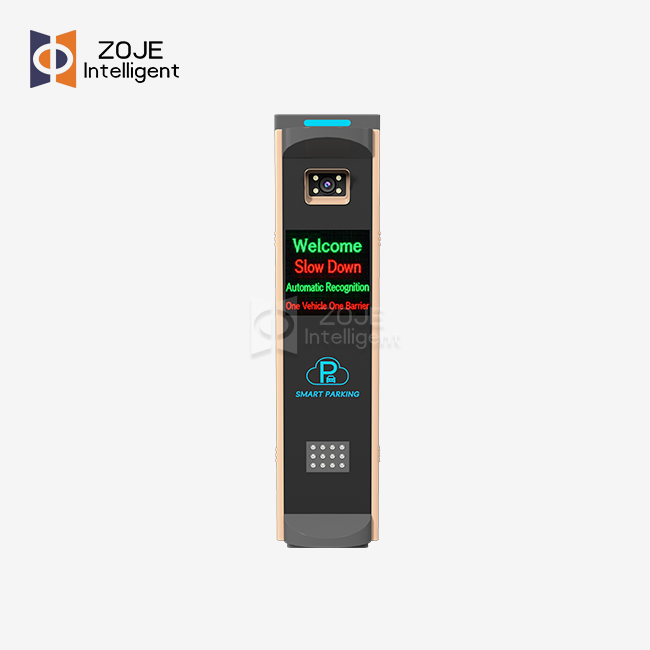
A Seamless Payment Parking System automates parking payments using cutting-edge technology and software. The foundation includes high-resolution license plate recognition cameras, cloud-based administration systems, and several contactless payment processing units. The LPR210 system from ZOJE illustrates this integration strategy. Its offline front-end recognition technique is 99% accurate. Our 5MP JPEG camera requires at least 0.01 Lux to perform successfully in all lighting conditions. The built-in 256mmx256mm LED monitor displays two colors and real-time status changes. QR codes enable mobile payment integration. The controller board controls vehicle voice calls. These include "Temporary vehicle," "Monthly pass vehicle," and user-friendly messaging. Featuring IP42 protection and a broad operating temperature range (-10℃ to 60℃), these systems operate well in many environments.
Workflow Process and User Experience
Automated license plate recognition enables automobiles access parking lots, starting the simple payment procedure. High-definition cameras collect automobile information and create digital parking records without citations or driver interaction. Touchless entrance eliminates traffic congestion and keeps traffic flowing during busy hours. Payment methods include mobile applications, QR codes, and contactless systems. People may use their cellphones to conclude transactions remotely or utilize on-site payment machines that allow many payment methods. After paying costs, the technology instantaneously connects payment records with license plate data, allowing users to depart effortlessly. Real-time data synchronization ensures all system components get parking status information immediately. Cloud-based tools allow building managers to remotely monitor occupancy rates, revenue measures, and operational performance. The current demand determines pricing and capacity with this combination.
Advantages of Seamless Payment Parking Systems Over Manual Methods
Modern automated parking payment systems make operations much better in big ways that affect both the facility's profits and the happiness of its users. Getting rid of processes that handle cash lowers security risks and speeds up the process of collecting money and filing financial reports.
Here are the main ways that Seamless Payment Parking System technology is better than old-fashioned human methods:
1. Labor Cost Reduction: automated systems don't need attendants during normal business hours, so they don't need to be staffed. Facilities can run 24 hours a day, seven days a week without any supervision and still be able to process payments. This hiring freedom is especially helpful for shopping malls and office buildings that need to be open longer hours without having to pay their workers more.
2. Enhanced Revenue Analytics: Real-time transaction data lets you set prices that change based on demand and rental rates. Facility managers can use surge pricing during busy times or give special rates when demand is low. With full reporting options, you can see trends in how customers behave and find ways to make more money.
3. Improved Security Protocols: contactless payment processing gets rid of the risk of cash theft and keeps full records of all transactions. Digital payment records have timestamps, license plate information, and information about the payment method that make it easier to match up payments and stop scams.
4. Scalability and Integration: Modern systems work well with smart city infrastructure and building management tools that are already in place. Modular design methods allow for small additions as the needs of the parking lot change, protecting the investment over time and giving the business more options.
These benefits lead to measurable increases in business efficiency and customer happiness in a wide range of commercial parking areas. During busy travel times, airports benefit from less traffic, and shopping centers can improve the rate of parking change to make it easier for customers to get to stores.

How to Choose and Implement the Right Seamless Payment Parking System
Infrastructure Compatibility Assessment
Examine your parking infrastructure and interaction requirements to determine the suitable seamless payment technology. Procurement managers must consider network connectivity, power distribution, and structural mounting for camera sets and payment stations. Because of its adjustable recognition angles and modest size (336mm x 180mm x 1400mm), ZOJE's LPR210 system can fit into many building locations. The free SDK supports C, C++, C#, VB, Delphi, and Java programming languages and various communication mechanisms. It connects easily to other building management systems.
Vendor Selection and Support Considerations
Working with well-known technology companies guarantees dependable help with installation and ongoing repair. As part of the evaluation process, you should look at the vendor's track record in similar business applications, their ability to provide local technical help, and the extent of their warranty coverage. In addition to offering two-year product warranties and expert help 24 hours a day, seven days a week, ZOJE also visits customers once a year to make sure their systems are running at their best. The company's ISO 9001:2015 certification and many patents show that it has technical knowledge and quality control skills that lower execution risks.
Implementation Planning and Staff Training
For release to work well, the project needs to be carefully planned out so that it includes customizing the system, training staff, and a strategy for rolling out the changes in stages. Implementation schedules should include time for setting up gear, installing software, and checking with users. Comprehensive training programs make sure that the people who work in the building know how the systems work, how to fix problems, and how to help customers. Clear documents and ongoing technical help make it easy to switch from manual to automated operations with as little downtime as possible for daily parking operations.
Market Trends and Future Outlook for Seamless Parking Payment Systems
Emerging Technology Integration
The parking payment business is still changing as biometric identification, artificial intelligence, and predictive analytics are added. AI-powered systems can change prices instantly based on past usage trends, local events that affect the need for parking, and the weather. Biometric payment choices, such as fingerprint and face recognition, add extra levels of security while making things easier for users. The best places for these technologies to be used are in home and office parking lots, where regular users want easier entry.
Smart City Infrastructure Development
Seamless Payment Parking System solutions increasingly interact with larger smart city projects that include traffic management, public transportation coordination, and urban planning optimization. These linked systems allow for coordinated transport services and reports on parking availability across the whole city. Connectivity to the Internet of Things (IoT) lets parking systems talk to navigation apps, giving real-time access information that make it easier to get around cities and cut down on traffic. This integration is especially helpful in business areas and mixed-use projects where parking affects how traffic flows generally.
Sustainability and Environmental Considerations
Concerns about the environment lead to the use of digital parking systems and technology that uses less energy. Solar-powered payment stations and LED display technologies lower the amount of carbon dioxide that businesses produce while still working properly in a variety of installation settings. Digital receipt systems get rid of paper trash and give customers electronic proof of payments that work with apps for managing expenses. These environmentally friendly features are in line with environmental laws and business sustainability efforts.
Conclusion
The switch from manual to automatic payment parking systems is a major operating improvement that solves some of the most important problems in modern parking lot management. Automated license plate recognition, electronic payments, and cloud-based data all make operations more efficient, keep customers safer, and make them happier. These technological advantages are especially helpful in places with a lot of foot traffic, like shopping malls, airports, and mixed-use projects, where parking volumes directly affect how much money the facility makes. By investing in new parking payment systems, building managers can make the most of their income while lowering costs and improving the user experience in a wide range of business settings. A key innovation in this evolution is the Seamless Payment Parking System, which integrates these technologies to provide a frictionless experience for users.
FAQ
1. What security measures protect customer payment data in seamless parking systems?
End-to-end encryption methods and PCI-DSS compliance guidelines are used in modern parking payment systems to keep private payment information safe. Real-time encryption is used to protect transaction data while it is being processed and stored, and only authorized people are allowed to manage the system thanks to access controls.
2. How do seamless parking systems integrate with existing facility infrastructure?
These days' parking payment systems can link wirelessly or through multiple communication protocols, such as TCP/IP and RS485. This means they can work with current barrier gates, entry controls, and facility management systems. Software APIs offer adaptable ways to connect that work with a variety of system setups.
3. What happens if the internet connection fails during system operation?
Modern parking payment systems can work without an internet connection, so they can keep doing their main jobs even when the network goes down. Local data storage keeps transaction processing going, and when network service starts up again, automatic syncing brings back cloud access.
Transform Your Parking Operations with ZOJE's Advanced Payment Solutions
ZOJE's cutting-edge Seamless Payment Parking System technology changes the way parking lots are managed by automatically recognizing license plates and handling payments without touching anything. Our LPR210 system can work offline and is 99% accurate at recognizing objects, so it can be used reliably in shopping malls, airports, and other business buildings. As a top provider of smooth payment parking systems, ZOJE offers full technical support, two-year guarantees, and solutions that can be tailored to fit your needs and work with your current infrastructure. Email our team at info@zoje-tech.com to learn more about how our proven parking automation technology can help your facility run more smoothly, save money, and make customers happier.
References
1. International Parking & Mobility Institute. "Technology Trends in Parking Management Systems." Parking Professional Magazine, 2024.
2. Urban Land Institute. "Smart Parking Solutions for Commercial Real Estate." Commercial Property Development Review, 2024.
3. National Association of Fleet Administrators. "Contactless Payment Adoption in Transportation Infrastructure." Fleet Management Technology Report, 2023.
4. Smart Cities Council. "IoT Integration Strategies for Urban Parking Systems." Municipal Technology Planning Guide, 2024.
5. Payment Card Industry Security Standards Council. "Security Requirements for Automated Payment Systems." PCI Compliance Standards Manual, 2024.
6. American Planning Association. "Revenue Optimization Through Dynamic Parking Pricing." Urban Planning and Technology Integration Study, 2023.

Send Inquiry
You may like


Related Industry Knowledge
- Ultimate Guide to Cashless Parking Payment Station
- OEM Anti-Collision Flap Barrier Turnstile Guide
- How Bridge-Style Tripod Turnstile Improves Access Control?
- Is Space-Saving Turnstile Suitable for High Traffic?
- Top Benefits of High-Wing Speed Gate Turnstile Systems
- How Folding Arm Barrier Gate Saves Space in Garages?
- How to Choose a LPR Server for 24/7 Parking Operations?
- Best Paid Parking Management Tools for Seamless User Experience
- Integrated License Plate Recognition Device for Smart Parking
- Integratable Parking Software vs Standalone Systems: Which Is Better?