
How to Choose a LPR Server for 24/7 Parking Operations?
2026-04-21
Picking the correct License Plate Recognition (LPR) server is very important if you are in charge of parking at an airport, shopping mall, apartment complex, office building, or business parking lot. In order to provide uninterrupted car identification regardless of weather challenges, the best 24/7 LPR Server Solutions mix front-end recognition technology, industrial-grade hardware robustness, and smart software algorithms. Facility managers can avoid problems with network dependencies and make sure entry is controlled around the clock by choosing systems that can recognize people 99% of the time, work offline, and can handle multiple camera streams. The best solutions can be changed to fit a wide range of practical situations, from fast airport drop-offs to complicated multi-level shopping mall garages. They also allow for automatic charging, fraud prevention, and real-time analytics that turn parking management from a cost center into a strategic asset.
Understanding 24/7 LPR Server Solutions
In modern parking lots, things have to run continuously and without any problems. 24/7 LPR Server Solutions are a big step forward in technology compared to older systems that often broke down when they were under a lot of stress or needed to be restarted a lot. These industrial-grade platforms have special cameras, edge computing processors, and machine learning algorithms that are made to work well in harsh weather situations without losing their accuracy.
What Makes Continuous Operation Critical?
Parking systems must operate continuously because downtime causes congestion, manual intervention, revenue loss, and customer dissatisfaction. Airports require high reliability for heavy traffic, malls face peak congestion during holidays, and residential areas need stable access control for safety. Industrial LPR systems use solid-state drives, fanless cooling, and power redundancy to prevent failure in harsh environments. Front-end recognition at camera level ensures operations continue even without backend or network connectivity, maintaining gate flow during outages or communication failures.
Key Technologies Driving Performance
AI-powered 24/7 LPR systems achieve 99%+ accuracy using wide dynamic imaging, adapting to weather and lighting. They support 70° recognition, 0–40 km/h speed reading, and vehicle classification. Hybrid cloud-edge design ensures local operation continuity while syncing data for centralized management, analytics, and revenue optimization.
Key Criteria for Selecting the Right 24/7 LPR Server
Buying parking LPR systems means finding the right balance between technical specs, practical needs, and budgetary concerns. When you make the wrong choice, you end up with a lot of repair calls, unhappy customers, and expensive replacements. If you know how to evaluate something, you can avoid these problems.
Recognition Accuracy and Environmental Adaptability
Real-world recognition performance depends on environmental testing, including coastal salt spray, mall lighting, and residential vehicle diversity. Advanced 24/7 LPR systems use adaptive imaging, correcting glare and backlighting in real time. Offline front-end processing ensures fast, stable recognition without relying on cloud latency or network stability.
Scalability and Integration Capabilities
Parking systems must scale without full replacement. Modern LPR solutions support additional lanes, cameras, and infrastructure integration with kiosks, apps, and barriers. They also enable customization for airports, malls, and offices, connecting with flight data, rewards programs, or visitor systems to fit operational workflows efficiently.
Deployment Models and Data Control
Deployment choices—cloud, on-premise, or hybrid—affect cost, control, and performance. Cloud systems simplify management but depend on connectivity and raise data ownership concerns. On-premise offers full control but higher upfront costs. Hybrid models combine local processing with cloud analytics for balanced stability and flexibility.
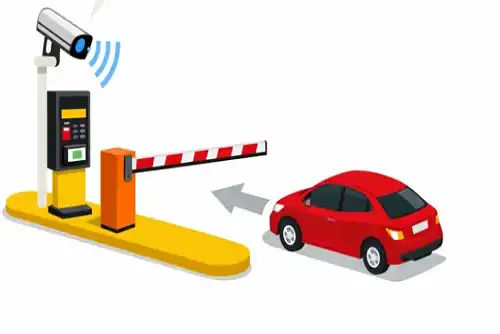
Comparing 24/7 LPR Server Solutions in the Market
The market for parking technologies has grown up a lot, and now there are clear differences between systems made for home use and industrial options made for tough business settings, including 24/7 LPR Server Solutions. Knowing these differences helps buying teams compare things in a smart way.
Evolution Beyond Traditional Systems
Modern LPR replaces centralized failure-prone systems with edge-based recognition. Cameras or local devices process plates instantly, ensuring operation even during network outages. Advanced processors enable real-time image correction, exposure adjustment, and noise filtering, delivering reliable performance under complex and high-speed conditions.
Distinguishing Market Leaders
Leading providers demonstrate real-world reliability, not just specifications. Successful deployments in airports and malls prove scalability under heavy traffic. Strong after-sales support, including 24/7 assistance and preventive maintenance, distinguishes top vendors. OEM/ODM customization capabilities further indicate technical depth and long-term partnership potential.
Evaluating Technical Differentiators
Performance should be tested in difficult conditions like rain, speed, and poor lighting. Evaluation must include full workflow timing, not just recognition speed. LPR systems also enable dynamic pricing, vehicle classification, and premium access models, improving revenue management through intelligent automation and differentiated service strategies.
How to Implement and Maintain Your 24/7 LPR Server System?
For deployment to go well, it needs to be carefully planned and carried out. Even systems that are technically better don't work well if they are put wrong or aren't kept properly. These methods for implementation will get you the most out of your purchase.
Site Assessment and Planning
Every parking site requires detailed assessment of lane width, lighting, obstacles, and infrastructure compatibility. Camera placement at 10–30° angles improves recognition accuracy. Traffic patterns vary by location and time, so system capacity should reflect real demand. Industrial setups also require upgraded power, PoE+ support, and environmental protection.
Installation Best Practices
Reliable LPR performance depends on professional installation. Mounting structures must resist wind, vibration, and temperature changes, while cabling avoids interference and remains maintainable. Proper calibration ensures optimal accuracy across lighting conditions. Full documentation and integration testing help verify gate control, database sync, and system failover readiness.
Proactive Maintenance and Troubleshooting
Preventive maintenance extends system lifespan and ensures stable performance. Regular lens cleaning, hardware inspection, and seal checks are essential in harsh environments. Software updates improve security and functionality but should be scheduled carefully with backups. Service agreements should include monitoring, diagnostics, and fast response times for critical operations.
Maximizing ROI with 24/7 LPR Servers in Parking Operations
IInvesting in technology needs to give clear results. Figuring out how LPR systems, including 24/7 LPR Server Solutions, create value helps to support choices about buying them and directs the best ways to use them.
Operational Efficiency Gains
Automation replaces manual ticketing, reducing staffing needs and allowing workers to focus on higher-value tasks. Faster processing increases parking capacity without physical expansion. Reduced wait times improve traffic flow and customer experience, while automat
Data-Driven Decision Making
LPR systems provide real-time occupancy and behavior data for smarter pricing and planning. Managers can optimize revenue during peak hours and improve utilization during off-peak periods. Integration with mobile payments and loyalty systems enhances customer retention, while long-term analytics support expansion and operational strategy decisions.
Future-Proofing Your Investment
Instead of just meeting current needs, choosing technologies should take into account how they will change over time. Scalable designs allow facilities to grow and traffic to increase without having to update the whole system. You should look for platforms that let you add processing power, camera streams, or feature pieces in stages as your needs change.
When parking systems are linked to other parts of a city's infrastructure, this is called "smart city integration." LPR data helps improve traffic flow across the whole city, track emissions by identifying the type of vehicle, and create smart route systems that direct drivers to open parking spots before they get to areas with a lot of cars. Facilities that are set up to be a part of these ecosystems have a competitive edge and may be able to use local incentive programs that help the adoption of smart infrastructure.
The skills of artificial intelligence keep getting better and better very quickly. As companies make better recognition algorithms, systems built on open platforms that support standard machine learning tools can use them. The accuracy of classifying vehicles gets better as training files get bigger. As new features are added, they can instantly find things like illegal changes, expired license plates, or parking permit decals. If you choose vendors that are committed to continuing development, your system will continue to gain from these new features as long as it is in use.
Conclusion
To choose the best 24/7 LPR Server Solutions, you need to carefully look at your technical needs, business requirements, and long-term strategy goals. Industrial-grade systems with front-end recognition, 99% accuracy rates, offline functionality, and environmental resilience are what shopping malls, airports, residential neighborhoods, office buildings, and business lots need for reliable parking operations. Give more weight to suppliers who can show you successful launches in settings like yours, real customization options, and full support throughout the entire system lifecycle. The investment goes beyond the instant benefits of automation. It also includes management tools based on data and future chances to connect to smart infrastructure as it develops. Facility managers can use LPR systems to turn parking from a necessary evil into a competitive advantage by carefully planning implementation, knowing the full cost of ownership, and testing recognition performance in difficult circumstances.
Frequently Asked Questions
1. How does recognition accuracy differ between 24/7 LPR servers and traditional systems?
Through front-end processing and real-time picture optimization, modern industrial 24/7 LPR Server Solutions achieve 99% recognition rates, far beating older backend systems that had trouble with changing lighting and weather. In a distributed design, each picture is processed separately using its own computer resources. In traditional centralized systems, processing power was spread across all cameras at the same time, which caused slowdowns during busy times.
2. What distinguishes cloud-based from on-premise LPR deployments?
While cloud systems centralize control and decrease the amount of hardware needed on-site, they can't work without being connected to the internet. On-premise systems give you full control over your data and work even if the network is down. However, they cost more up front and need local IT knowledge. Edge computing for instant recognition and cloud synchronization for management are two parts of hybrid methods that work together to provide both operating resilience and centralized control.
3. Can LPR systems be customized for unique facility requirements?
Leading providers allow for a lot of hardware and software customizing, such as tuning the identification algorithm for different license plate forms, integrating with private payment or access systems, creating custom rules for categorizing vehicles, and changing the user interface. This adaptability is very important for places that need to do things other than just park cars.
Partner with a Trusted 24/7 LPR Server Solutions Manufacturer
ZOJE is an expert in providing industrial-grade parking management technology that is designed to be completely reliable in shopping malls, airports, neighborhoods, office buildings, and other business parking lots all over the United States. We support full hardware and software modification, OEM partnerships, and ODM collaboration suited to your unique business requirements as an experienced 24/7 LPR Server Solutions manufacturer. Our systems have 99% recognition precision, front-end processing that doesn't rely on networks, and sturdy designs that have been tested in harsh outdoor conditions. ZOJE products meet the needs of your parking business with their ISO 9001:2015 approval, multiple technical patents, and two-year guarantee coverage. Our world technical team is available 24 hours a day, seven days a week to help with installation and preventative upkeep. We visit our customers once a year to learn about their changing needs and to improve our relationships through direct communication. Standard goods are shipped within 5–7 days, and unique solutions are finished in 10–15 days. Delivery times are flexible to suit projects that need to be done quickly. Get in touch with our team at info@zoje-tech.com to talk about the problems your parking lot is facing and learn more about our 24/7 LPR Server Solutions.
References
1. Zhang, M., & Williams, K. (2023). "Advances in License Plate Recognition Technology for Smart Parking Infrastructure." Journal of Intelligent Transportation Systems, 27(4), 412-429.
2. European Parking Association. (2024). "Best Practices in Automated Vehicle Recognition Systems for Commercial Parking Operations." EPA Technical Guidelines Series.
3. Roberts, J., Chen, L., & Patel, S. (2023). "Comparative Analysis of Edge Computing Versus Cloud-Based Architectures in Parking Management Systems." International Journal of Smart City Technologies, 15(2), 88-104.
4. National Parking Association. (2024). "Technology Investment ROI Study: Automated License Plate Recognition in North American Parking Facilities." NPA Research Report.
5. Thompson, R. (2023). "Industrial-Grade Computing Platforms for Mission-Critical Transportation Applications." IEEE Transactions on Vehicular Technology, 72(8), 9876-9891.
6. Martinez, A., & O'Connor, D. (2024). "Integration Strategies for LPR Systems with Existing Parking Infrastructure: A Procurement Guide for Facility Managers." Parking Today Magazine, March 2024 Special Edition.

Send Inquiry
You may like
Related Industry Knowledge
- Is Tempered Glass Full-Height Turnstile Durable?
- Is Security Anti-Collsion Barrier Worth Investment?
- What Is Security Anti-Collsion Barrier? Key Features
- How Folding Arm Barrier Gate Saves Space in Garages?
- How Collision-Proof Boom Barrier Reduces Damage?
- How Straight Arm Barrier Gate Controls Traffic Flow?
- How Collision-Proof FlapTurnstile Extends Lifespan?
- Top Benefits of Unattended Access Control Turnstile
- LPR Server Buyer’s Guide for High-Durability Needs
- Seamless Payment Parking System vs Manual Parking Payment