
Is Security Anti-Collsion Barrier Worth Investment?
2026-06-05
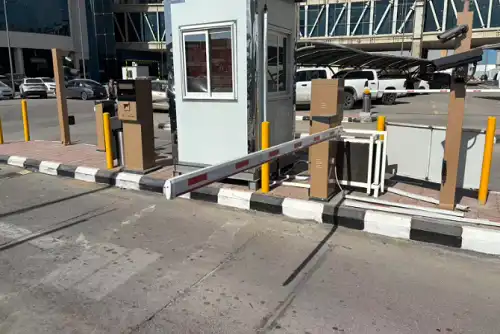
The question isn't whether airports, shopping malls, apartment complexes, office buildings, or parking lots need automobile access control. The question is which approach maximizes ROI. Anti-collsion arm Security boom barriers work well. Modern anti-collsion systems use sophisticated swing-out mechanisms instead of rigid barriers that pass impact forces to powertrains. If a car accidentally impacts the barrier, the boom arm falls off and swings horizontally 90 degrees, sparing your pricey equipment and the automobile from costly repairs. This design cuts maintenance costs, liability claims, and runs smoothly. This makes it a strategic investment, not merely a security.
Understanding Anti-Collsion Arm Security Boom Barriers
What Makes These Barriers Different from Traditional Models
A key issue with standard barriers is solved by Anti-collsion arm Security Boom Barriers using smart sensor technology and innovative mechanical engineering. Traditional methods are flawed because kinetic energy passes straight to the motor reducer and main shaft when impacted, causing internal damage. When you require new parts or an expert, repair costs might rise fast.
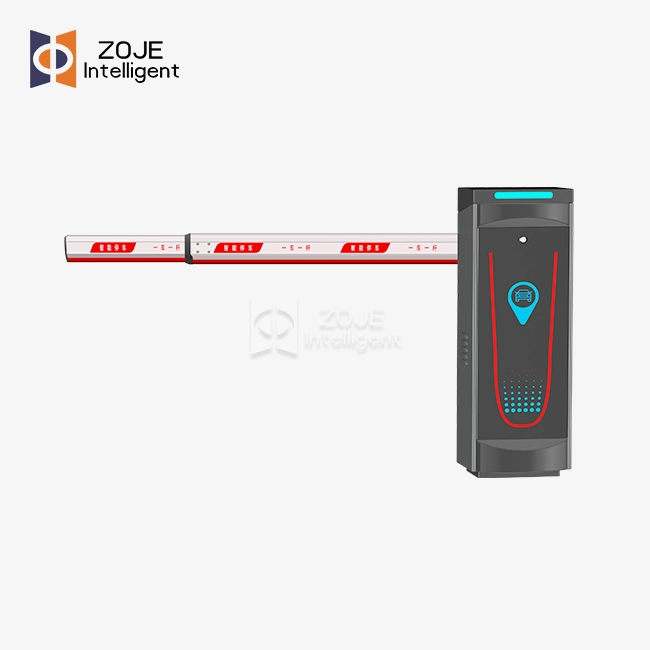
Modern anti-collsion systems with a boom holder that breaks away as a safety fuse solve these problems. To be light yet sturdy, barrier arms are built of high-strength aluminum alloy 6063-T5 with inside reinforcing ribs. This material reduces motor power while resisting impact. The cold-rolled steel housing is sturdy and can endure -35°C to 80°C. This implies it will operate consistently in an icy airport runway or a sweltering shopping mall parking garage.
Core Components and Operational Mechanisms
The system design has several intricate sections that function together. Changing speeds takes 1.5 to 6 seconds for a DC brushless motor. This helps building managers balance safety and traffic flow. Current-sensing technology analyzes motor load and activates automatic reverse before mechanical collision. This makes the swing-out mechanism safer.
The three-link moving construction with curved crank arm keeps the machine running smoothly for millions of cycles. High-end versions' tech is well-thought-out, like ZOJE's Fence Arm Security Boom Barrier can be utilized over 3 million times. For power outages, the motor wheel system allows you open the barrier by hand, and when power returns, it resets itself. This functionality is crucial for power outage access control.
Integration aspects increase the barrier's worth. license plate recognition systems, ETC readers, Bluetooth modules, and cloud platforms enable unattended machine operation. This reduces labor expenses and boosts production. Existing parking management systems can use wired controllers if switch signal standards are met.

Why Invest in Anti-Collsion Arm Security Boom Barriers?
Measurable Safety Improvements and Liability Reduction
Shopping malls have constant traffic, distracted drivers, new customers, and peak-time traffic, which increases accident risk. An Anti-collsion arm Security Boom Barrier reduces these issues from costly to hand-resetable. Security workers can slide the disengaged arm back into its holding clip in seconds without tools, restoring normal operation and saving hours for repair professionals.
This speedy healing talent affects your bottom line. An average barrier collision costs $800–$1,500 for parts, labor, including lane closures and traffic redirection. An anti-collsion device's repair generally costs nothing and doesn't disrupt operations. Premium barriers are worth it even if you neglect two or three repairs a year.
In addition to securing your gear, you may be liable for automobile damage. If your barrier damages a customer's costly automobile, you'll have to pay for repairs, make an insurance claim, and possibly lose reputation. The swing-out method minimizes car body damage, reducing legal hazards. High-end business buildings and residential communities with high automobile values benefit from this.
Operational Efficiency and Reduced Downtime
Airports want their access control systems to function always. Every minute a barrier malfunctions, passengers, flight schedules, and facility operations are delayed. Traditional barriers need constant maintenance and don't perform well in busy areas where they must be cycled.
Anti-collsion versions have mechanical swing-outs, electrical auto-reverses, and visible signals. These enhanced safety elements prevent collisions and damage. This comprehensive protection increases service times and reduces emergency repair calls. The basic mechanical design allows technicians fix the equipment quickly, typically without downtime.
The tamper alert function is useful for business parking lots that need to track money. Someone who enters without authorization is cautioned promptly. This allows security to respond swiftly and safeguards your access control investment.
Return on Investment Analysis
When calculating barrier systems' ROI, consider both direct and indirect expenses. A good anti-collsion arm security boom barrier costs 25–40% more than a simple model, however the total cost of ownership soon makes up for this extra expense.
These financial rewards motivate consumers to buy:
1. Maintenance Cost Reduction: Traditional barriers require two to three service visits a year for impact damage, costing $2,400 to $4,500 for a business with moderate usage. This task is cut by 70–85% by anti-collsion technologies, saving $1,680-$3,825 annually.
2. Extended Equipment Lifespan: The swing-out system protects motor units and drive components, extending equipment life. A regular barrier may need to be replaced after 5–7 years of intensive usage, whereas an anti-collsion kind lasts 10–12 years.
3. Insurance and Liability Savings: Fewer damaged car accidents can cut liability insurance premiums and eliminate costly claim costs. One averted injury claim from a broken barrier can exceed the cost difference between the two methods.
4. Energy Efficiency: New brushless motors use 30–40% less electricity than induction motors. This reduces running expenses and meets environmental goals.
These savings generally pay for themselves in 18–30 months in high-traffic areas like retail malls and business parks. Commercial parking lot owners claim increased incidence rates and theft alarms help them recover their money faster.
Real-world residential community performance reveals larger benefits. Property managers say residents are happy when guests may enter and exit without waiting for barrier repairs. This non-tangible worth makes a property more desirable and promotes high-priced techniques, which are especially helpful in competitive real estate markets.
Buying Guide: How to Choose the Right Anti-Collsion Arm Security Boom Barrier
Assessing Your Site-Specific Requirements
The site must be examined before purchase. Shopping mall parking lots have distinct issues than airport security checkpoints or house gate systems. Traffic flow calculations determine motor duty cycle. A barrier that manages 500 daily cycles needs different characteristics than one that handles 2,000.
The environment strongly influences material selection. 304 or 316 grade stainless steel cabinets are ideal for coastal commercial buildings that need corrosion resistance. Check operational ranges in extreme cold or heat. The aluminum boom and steel housing of ZOJE function well from -35°C to 80°C, which covers most North American climates.
Boom length depends on lane width and structure distances. For larger commercial entrances or two-lane layouts, 5–6-meter extended booms may be needed. Most automobile lanes have 3–4-meter arms. Longer arms require stronger motor systems and balancing adjustment to maintain swing-out mechanism reliability.
Critical Technical Specifications to Evaluate
Examine motor technology carefully. Traditional AC induction motors are less efficient, less durable, and harder to regulate than DC brushless systems. Operators have additional alternatives when traffic circumstances vary with 1.5- to 6-second speed ranges. The current-sensing auto-reverse function detects obstructions before they become physical, improving safety.
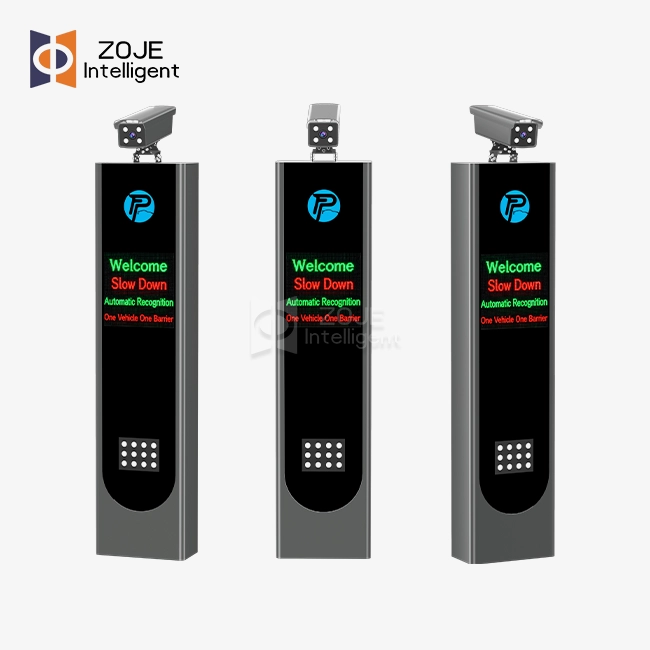
Integrating the barrier with bigger security systems affects its performance. License Plate Recognition allows allowed automobiles to enter automatically, reducing office building and company parking lot staff. Bluetooth-based cloud-based mobile identity solutions are growing in popularity in neighborhoods and company campuses.
Protection ratings indicate setting suitability. IP54 enclosures can withstand standard outside conditions, whereas IP65 enclosures provide enhanced security in hostile coastal or industrial situations. Local environment peaks should guide temperature limits, with some room for error.
The swing-out system requires additional study. Magnetic or friction-clip devices must balance wind resistance (typically Grade 6 winds without disengaging) with automobile release. The industry standard is to calibrate the break-away force to 30 kg lateral shear, however local circumstances may need adjustments.
Supplier Selection and Partnership Considerations
When choosing an Anti-collsion arm Security Boom Barrier vendor, examine more than product features. ISO 9001:2015 manufacturing quality standards demonstrate process consistency and quality management. Patents demonstrate your creativity and technological skills.
Warranty terms indicate manufacturer confidence. Two years of standard coverage is the least, while extended warranties or comprehensive service packages indicate product reliability. ZOJE's offer includes 24/7 worldwide technical assistance, 30 minutes of remote help, and lifetime maintenance, which are crucial for distributed company property portfolios.
Delivery times impact project completion. Standard items ship in 5–7 days, enabling speedy launches. Custom solutions might take 10–15 days for particular needs. As your building collection expands, off-the-shelf and bespoke engineering vendors will provide additional alternatives.
Customization is crucial for brand-conscious apps. Luxury office buildings and communities use bespoke colors to match the design. Configure solutions for individual operational demands with longer booms, better servo motors, and bespoke control interfaces.
Installation, Maintenance, and Troubleshooting
Pre-Installation Planning and System Integration
Correct barrier setup begins before tools arrive. Site surveys consider traffic movement, sight lines, and how to link it to existing security systems to determine the optimal location. Models require distinct foundations. Heavy barriers require reinforced concrete pads, whereas lighter aluminum-boom systems are more versatile.
Electrical infrastructure planning ensures electricity and grounding. Plan ahead for License Plate Recognition, cloud platforms, and central control system network connections. Loop detectors for autonomous automobile sensing complicate matters and require coordination with paving workers.
Planning is needed for entrance control, security, and parking management software database integration. Wired control integration (switch signals) makes ZOJE barriers compatible with parking system equipment. Testing should verify all integration points before activating the system.
Routine Maintenance Protocols
Preventive maintenance extends machinery life. To ensure wind resistance and correct release, the swing-out mechanism's friction clips or magnets must be checked every six months. Lubricating pivot points prevents seizing, especially in outdoor temperature- and wetness-sensitive areas.
Electrical connections, bearings, and power consumption should be checked regularly in motor systems. Unusual readings indicate issues, so replacement can be done before they fail. Vibrations can generate slack in the bent crank arm connection and fastener torque, making the machine function less smoothly.
LPR cameras, loop sensors, and proximity devices need periodic calibration. Seasonal illumination variations impair optical systems, and ground settlement or sidewalk repairs can reduce loop detector sensitivity. Software vendors offer improvements or security fixes to keep systems secure.
Common Issues and Troubleshooting Strategies
Sometimes high-quality obstacles need problem-solving. Electrical connection issues cause sporadic functioning, especially in temperature-cycled barrier housings. Systematic link point voltage tests immediately identify issues.
The swing-out mechanism frequently doesn't resume because the clip tension has to be changed or debris is in the pivot sections. Cleaning and recalibrating fix most issues. Increased strain will fix the arm if it loosens in heavy gusts.
If the motor auto-reverse triggers without any obvious impediments, either the current-sensing level has to be re-calibrated or there are hidden obstructions such winter ice or debris in the arm grooves. Tracking sensor output and systematic investigation reveal root causes.
ZOJE's remote assistance tool enables technical specialists view system data and guide on-site workers through issues. This reduces downtime and costly technician site visits.
Future Trends and Innovations in Anti-Collsion Boom Barriers
Smart Technology Integration and Predictive Capabilities
Barrier company evolves swiftly. Artificial intelligence could enhance vehicle detection by distinguishing between allowed cars, tailgating efforts, and true circumstances that require a human override. Machine learning algorithms modify running speeds based on traffic statistics and when time of day is worse.
Internet connections may convert obstacles into networked security tools. Cloud solutions capture data from multiple sources, offering building managers a complete view of system health, usage, and maintenance. Predictive analytics detect failing parts before they fail, allowing replacement. This is done during convenient maintenance.
Sensor fusion employs radar, optical, and ultrasound to perform redundant block detection with few false positives. Its reliability allows quicker speeds without compromising safety. This boosts productivity in busy businesses.
Sustainability and Energy Efficiency Advances
Environmental considerations change barrier technology constantly. With solar panels and battery backups, you can run your business off the grid. This is excellent for remote parking lots, farms, and other sites where electricity infrastructure is expensive.
A novel idea is to generate energy from barrier movement. Arm movement can charge capacitors or batteries for the main power source. With ultra-efficient LED lighting and low-power control electronics, next-generation systems reduce running expenses.
New material science breakthroughs will make boom arms lighter and stronger. Carbon fiber materials offer high strength-to-weight ratios but are pricey and only employed in a few applications. Recycled aluminum alloys operate well and are environmentally friendly, meeting firms' sustainability aims.
Market Evolution and Procurement Implications
Business-to-business buyers increasingly choose scalable, adaptable technologies that can be implemented in phases across growing locations. Standardized control interfaces allow properties to swap manufacturers as they develop. However, single-vendor programs simplify training and part tracking.
New subscription-based service models provide an alternative to purchase. Companies that choose recurring expenditures over long-term capital assets like monthly payments for equipment, installation, maintenance, and replacement. These agreements shift equipment obsolescence risk to providers while ensuring clients have the latest technology by upgrading their equipment.
Cybersecurity becomes more vital when barriers network with security systems. Encryption, secure boot processes, and security updates prevent hackers from accessing access control systems. More procurement rules demand providers to hold cybersecurity licenses and implement security policies.
Conclusion
Check the overall cost of ownership, not just the purchase price, to see if an Anti-collsion arm Security Boom Barrier is worth it. The swing-out mechanism is ideal for retail malls, airports, residential projects, office campuses, and corporate parking lots due to its equipment security, cheap maintenance, and liability reduction. The advanced technology—adjustable speeds, triple safety systems, and complete integration—meets many practical purposes and provides for future security developments. High-quality manufacturers like ZOJE combine proven tech with complete support. This guarantees long-term service from your investment. Instead of "Is it worth investing?" ask "Can you afford the risks of not investing?"
FAQ
1. What happens if a vehicle hits the barrier at high speed?
When horizontal shear force exceeds 30 kg, the swing-out device opens. High-speed impacts cause immediate separation. This allows the boom arm to swing horizontally without hindering vehicle propulsion. This design preserves the barrier's interior elements and reduces vehicle damage compared to rigid systems that absorb all impact energy.
2. Can the barrier operate during power outages?
Modern collision-prevention separators are hand-operated. Security may manually elevate the barrier with the motor wheel system when the power goes off to regulate admission. After turning on the power, the system works normally without any assistance or calibration.
3. How long does installation typically take?
Standard single-barrier deployment preparations in ready sites take 4–6 hours. Mounting on the ground, connecting electricity, and testing basic functionalities are required. Complex installations with many obstacles, intricate parking management system connections, or tough site circumstances may take two to three days. Planning ahead affects installation speed.
Ready to Upgrade Your Facility's Access Control?
ZOJE offers proven Anti-collsion arm Security Boom Barrier for sale for your business. Our Fence Arm Security Boom Barrier offers sophisticated swing-out security, 1.5 to 6 second speeds, and a sturdy aluminum-steel design that works in any weather. We provide 24/7 professional assistance, two-year warranties, and annual site inspections to shopping malls, airports, office buildings, and commercial parking lots worldwide as an experienced manufacturer. Contact Us at info@zoje-tech.com to discuss your entrance control issues and receive building-specific options.
References
1. Johnson, M. & Williams, R. (2022). Commercial Access Control Systems: Engineering and Implementation. Security Technology Press.
2. Transportation Security Administration. (2021). Vehicle Barrier Systems Standards for Critical Infrastructure Protection. U.S. Department of Homeland Security.
3. Anderson, K. (2023). "Total Cost of Ownership Analysis for Automated Barrier Systems." Journal of Facility Management, 41(3), 156-173.
4. International Parking & Mobility Institute. (2022). Best Practices in Parking Access and Revenue Control Systems. IPMI Technical Guidelines.
5. Chen, L. & Martinez, D. (2023). "Impact Dynamics and Safety Engineering in Vehicular Barriers." International Journal of Security Engineering, 18(2), 89-107.
6. National Fire Protection Association. (2021). NFPA 730: Guide for Premises Security. NFPA Standards Council.

Send Inquiry
You may like



Related Industry Knowledge
- How Parking Automatic Payment Station Integrated with LPR System Improves Efficiency
- How Anti-Collision Flap Turnstile Gate Works Safely?
- How Anti-Tailgating Turnstile Prevents Unauthorized Access?
- How Glass Full-Height Turnstile Improves Aesthetics?
- How Collision-Proof Boom Barrier Reduces Damage?
- How Straight Arm Barrier Gate Controls Traffic Flow?
- What Is License Plate Recognition and How It Works in 2026?
- How to Deploy Urban License Plate Recognition System Efficiently?
- Integrated License Plate Recognition Device for Smart Parking
- Best High Accuracy LPR Parking System Solutions in 2026