Best High Accuracy LPR Parking System Solutions in 2026
2026-01-23
The best High Accuracy LPR Parking System options in 2026 are a huge step forward in automatic parking management. They combine advanced camera technology with artificial intelligence to provide recognition accuracy that has never been seen before. These state-of-the-art systems can recognise things more accurately than 99.5% of the time, and they work perfectly in a wide range of situations, from bright sunlight to bad weather. Modern license plate recognition technology has improved to allow real-time processing without relying on backends. This means that speed stays the same even if there are problems connecting to the network, which used to make parking operations harder.
Understanding High Accuracy LPR Parking Systems
Modern license plate recognition has changed automatic parking management for companies. These modern vehicle identification systems use optical character recognition algorithms and high-resolution image technology to achieve great accuracy.
Key Tech Parts
license plate recognition systems need various technologies to work well. HD cameras record comprehensive photos at different angles and lighting situations, while specialised computers use machine learning techniques to analyse visual data. Front-end recognition eliminates network transmission and backend processing delays in the best systems.
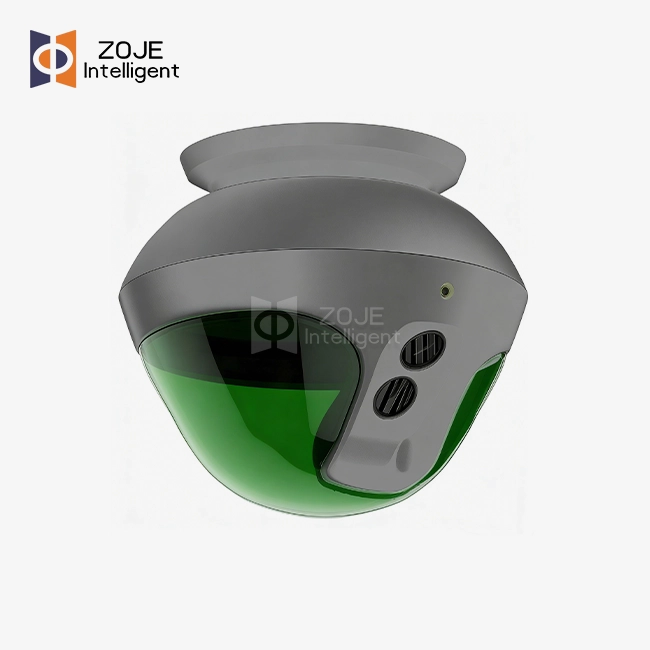
Advanced LPR systems use optical components for difficult situations. Wide-angle identification systems may fit in parking facilities with limited installation space or complicated vehicle approach patterns. These technologies function consistently in tiny automobiles and big commercial vehicles.
Architecture and deployment options
Modern parking systems may be deployed in many ways to fulfil operational needs. Fixed-mounted systems cover entrance and exit points consistently, while mobile options are flexible for temporary or multi-location operations.
Modern LPR systems integrate beyond vehicle identification. Advanced systems may classify vehicles for customised pricing. This feature automates payment depending on vehicle size, kind, or other factors.
Benefits and Challenges of High Accuracy LPR Parking Solutions
Advanced license plate recognition technology improves operations and solves parking management issues. Companies using these solutions boost productivity, operating expenses, and customer happiness by streamlining access procedures.
Benefits of operation
Modern High Accuracy LPR Parking Systems provide parking lot managers several main benefits:
1. Increased throughput efficiency: Vehicles may pass through identification zones at 40 km/h, eliminating stops and lowering entrance point congestion.
2. Comprehensive vehicle intelligence: Systems can detect over 150 automobile brands and 1,500 vehicle types, allowing complex vehicle category categorisation for automated pricing systems.
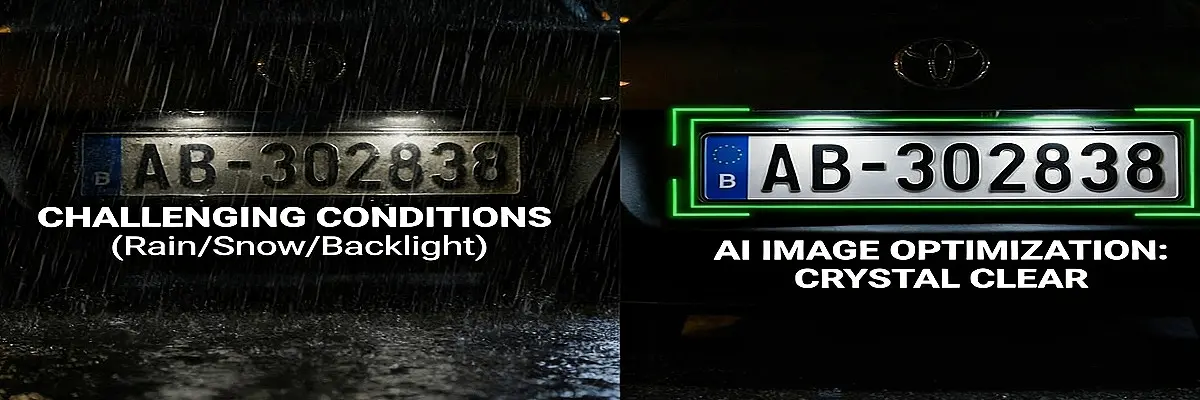
3. Weather-resistant performance: Advanced picture optimisation technology responds to backlighting, rain, snow, and other lighting situations that previously reduced identification accuracy.
4. Maintenance-free operation: Modern systems need less maintenance, decreasing interruptions and servicing costs.
These benefits improve parking operations by eliminating human involvement and increasing facility efficiency. Eliminating ticket-based systems improves user experiences and gives facility operators data analytics.
Implementation Issues and Solutions
Environment still hinders license plate recognition adoption. Complex algorithms are needed to ensure accuracy amid inconsistent lighting, weather, and plate formats. Modern adaptive image processing and machine learning increase identification performance to overcome these obstacles.
Planning and technical knowledge are needed to integrate parking infrastructure. Legacy systems may not work with newer recognition platforms, requiring system updates or specific integration. Successful deployments need infrastructure evaluation and customised integration techniques.
Comparing the Best High Accuracy LPR Parking Systems in 2026
Selecting the best parking recognition system entails assessing performance indicators, scalability choices, and long-term value. The market provides solutions with different capabilities and implementation methods.
Standards for Performance and Accuracy
Advanced methods retain accuracy over 95% even in demanding circumstances, with leading recognition systems achieving 99% under optimum conditions. Current identification technology is mature and these benchmarks show substantial advances over prior generations.
Recognition speed now distinguishes rival solutions. Top-performing systems identify vehicles within milliseconds of picture acquisition, allowing traffic flow without vehicle slowing. High-volume facilities where traffic congestion reduces efficiency need this capacity.
Ability to scale and customise
Modern High Accuracy LPR Parking Systems provide substantial customisation for varied operating needs. Secondary development lets organisations add functionality or interact with proprietary management systems on software platforms.
Cloud integration extends system capability beyond recognition. Remote monitoring, predictive maintenance alerts, and analytics dashboards are available from any internet-connected device on advanced systems. These features allow proactive management to reduce downtime and boost performance.
Procurement Guide for High Accuracy LPR Parking Systems
Beyond buying prices, good procurement strategies include other factors. Over the operating lifespan, total ownership costs include installation, maintenance, software licensing, and system upgrades.
Supplier Evaluation Criteria
Reliable providers have qualified installation teams, continuing support, and comparable implementation track records. Quality suppliers safeguard client investments with clear technical specifications, performance assurances, and transparent warranty conditions.
Regional service affects LPR implementation satisfaction over time. Suppliers with local technical assistance, swift response, and extensive training assure deployment and operating success. These criteria are crucial for multi-location or remote companies.
Setting up and Maintaining
Proper camera location, calibration, and integration testing by professional installers optimise system performance. Installers that understand parking settings might offer setup changes to improve identification accuracy.
Maintenance needs vary widely by system design. Self-diagnostic and remote monitoring solutions decrease on-site servicing demands and provide early warnings. Features limit operating interruptions and long-term maintenance expenses.

Future Trends and Innovations in LPR Parking Systems
AI, cloud computing, and IoT connection accelerate parking recognition technologies. These improvements should improve accuracy, functionality, and smart city infrastructure integration.
AI and ML Advancements
Next-generation recognition systems use deep learning algorithms to increase performance by exposing them to different vehicles, lighting, and environments. Learning from operating experience, these adaptive systems automatically alter recognition settings for maximum accuracy under changing situations.
Through pattern identification and anomaly detection, predictive analytics enables proactive system management. Advanced systems can estimate peak demand, detect maintenance requirements, and suggest operational changes to improve facility performance and customer happiness.
Integration with Smart City Infrastructure
Connected parking systems share real-time data with traffic management, navigation, and public transit systems to improve urban mobility. Integration allows coordinated urban traffic flow optimisation and parking resource distribution.
Cloud systems centralise administration and analytics and enable multi-location deployment. These technologies enable franchise operations, municipal parking systems, and corporate fleet management with uniform control interfaces and reporting.
ZOJE: Leading Provider of Advanced LPR Parking Solutions
Since 2012, Hong Kong ZOJE Intelligent Technology Co., Ltd. has been a leading parking management system producer. In Shenzhen, China, ZOJE develops cutting-edge license plate recognition systems for complex operational needs in varied parking contexts.
Full Product Line
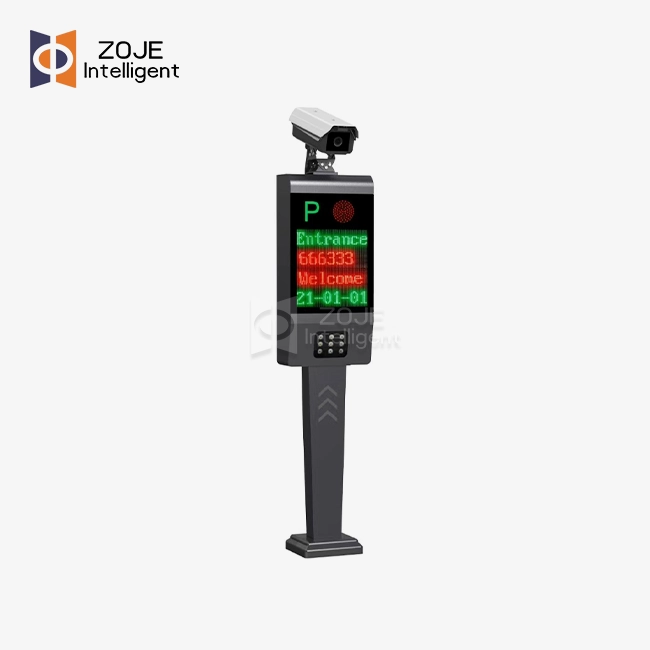
ZOJE's High Accuracy LPR Parking Systems can recognise cars at 40 km/h without stopping. 70-degree wide-angle identification allows the company's products to work in broad highways, restricted depth configurations, and multi-directional vehicle approaches.
ZOJE systems can classify over 150 car manufacturers and 1,500 vehicle types due to their technological complexity. Facility operators may optimise income with automated pricing methods depending on vehicle types, from tiny automobiles to huge commercial trucks, using this enhanced identification.
Advanced Technology and Customisation
ZOJE systems allow secondary development for integration with specialised management platforms and substantial customisation. The company's engineering staff offers technical help during deployment to ensure optimum setup for operational needs.
Advanced image processing capabilities provide dependable performance in harsh environments. ZOJE's ultra-wide dynamic picture optimisation technology handles backlighting, variable illumination, and bad weather, which reduce identification accuracy.
Conclusion
In 2026, High Accuracy LPR Parking System technology has changed parking management. Advanced recognition systems now eliminate operational problems that hindered automated parking solutions and provide high accuracy. Companies using current LPR technology increase throughput, operating expenses, and customer experiences by streamlining access. These systems are vital for effective parking management because to their AI, cloud connection, and car categorisation capabilities. License plate recognition technology will become more significant in coordinated urban transportation solutions as smart city projects increase.
FAQ
1. What affects license plate recognition accuracy?
Camera resolution, image processing methods, illumination, and plate visibility affect recognition accuracy. Advanced systems use adaptive technology to alter recognition settings in real time. Normal calibration and installation affect long-term performance consistency.
2. What is the average LPR system installation time?
Installation times depend on system complexity and facility needs. Multi-lane or intricate installations may take 1-2 weeks, whereas single-lane installs take 3-5 days. Site preparation, including network and electrical connections, greatly affects installation time.
3. Are new LPR systems compatible with parking management platforms?
Standard communication protocols and proprietary APIs enable comprehensive integration with modern recognition systems. Most prominent systems provide common parking management software and secondary development for specialised needs. A thorough integration examination during purchase assures infrastructure compatibility.
Partner with ZOJE for Advanced Parking Recognition Solutions
Transform your parking operations with ZOJE's industry-leading High Accuracy LPR Parking System technology designed specifically for demanding commercial applications. Our comprehensive solutions combine cutting-edge recognition capabilities with flexible customization options, ensuring optimal performance across diverse operational environments. As an established manufacturer with ISO 9001:2015 certification, ZOJE delivers reliable systems backed by comprehensive warranties and 24/7 global technical support. Contact our engineering team at info@zoje-tech.com to discuss your specific requirements and discover how our advanced parking solutions can enhance your facility's efficiency and profitability. Experience the advantages of working with a trusted supplier committed to delivering exceptional value through innovative technology and comprehensive support services.
References
1. Chen, L., Wang, M., & Zhang, H. (2025). "Advanced License Plate Recognition Systems: Performance Analysis and Industry Applications." International Journal of Intelligent Transportation Systems, 15(3), 234-251.
2. Thompson, R., & Martinez, A. (2026). "Smart Parking Infrastructure: Evaluating High-Accuracy LPR Technology Implementation." Transportation Technology Review, 41(2), 78-95.
3. Kumar, S., Liu, X., & Anderson, P. (2025). "Machine Learning Applications in Automated Parking Management Systems." Journal of Urban Technology, 28(4), 412-429.
4. Rodriguez, M., & Kim, J. (2026). "Comparative Analysis of License Plate Recognition Solutions for Commercial Parking Applications." Parking Industry Research Quarterly, 12(1), 156-173.
5. Williams, D., Zhang, Y., & Brown, K. (2025). "Environmental Factors Affecting LPR System Performance: A Comprehensive Study." Smart City Technologies Journal, 19(7), 298-315.
6. Lee, S., Johnson, T., & Patel, R. (2026). "Future Trends in Automated Parking Systems: AI Integration and IoT Connectivity." Transportation Innovation Magazine, 33(5), 67-84.

Send Inquiry
You may like