Open API LPR Parking System vs Closed Solutions: Which Wins?
2026-01-23
When parking management technologies are being looked at, the argument between open API license plate recognition systems and closed private solutions continues to shape how the industry buys things.Open API LPR systems are clearly the best choice for most business parking lots because they are more flexible, easy to integrate, and can grow over time. Open API platforms let you connect easily to current infrastructure and support new technologies in the future, unlike closed solutions that force users into limited environments. This benefit is especially important for ANPR systems used in commercial parking lots that need to be flexible and have room for growth in today's fast changing digital world.
Introduction
Automating vehicle access and simplifying processes using ANPR or LPR technology has transformed commercial parking management. Scalability, customisation, and integration depend on the procurement selection between open API LPR systems and closed proprietary solutions. This research helps B2B parking infrastructure procurement managers, engineers, distributors, and OEMs understand technical differences and make strategic purchase choices based on operational objectives and technology trends.
Parking facilities nowadays need advanced automation beyond vehicle identification. How well operations adapt to changing needs, connect with smart city initiatives, and sustain competitive advantages depends on the technological foundation chosen today. Making sound investment choices that create long-term value requires understanding open and closed structures.
The Parking Technology Evolution
In the last decade, the parking sector has changed drastically. Intelligent platforms that analyse thousands of cars daily and provide precise analytics and operational insights have replaced manual processes. As AI, cloud computing, and IoT become mainstream in parking management systems, this transition accelerates.
Understanding Open API and Closed ANPR Parking Systems
Open API LPR systems promote interoperability and future scalability by providing flexible interfaces that allow smooth interaction with parking management software and third-party apps. Closing ANPR solutions limits extension because to their exclusive ecosystem and restricted customisation and integration choices. Choosing the right system affects a parking operation's productivity and customer happiness by adapting to changing technologies and company development.
Benefits of Open API Architecture
Standardised communication protocols enable software components to connect effectively in open API systems. Instead of compromising with monolithic closed systems, this design lets parking operators choose best-in-class solutions for certain operations. Hardware, software, and upgrade channels are flexible to maintain investments and progress technology.
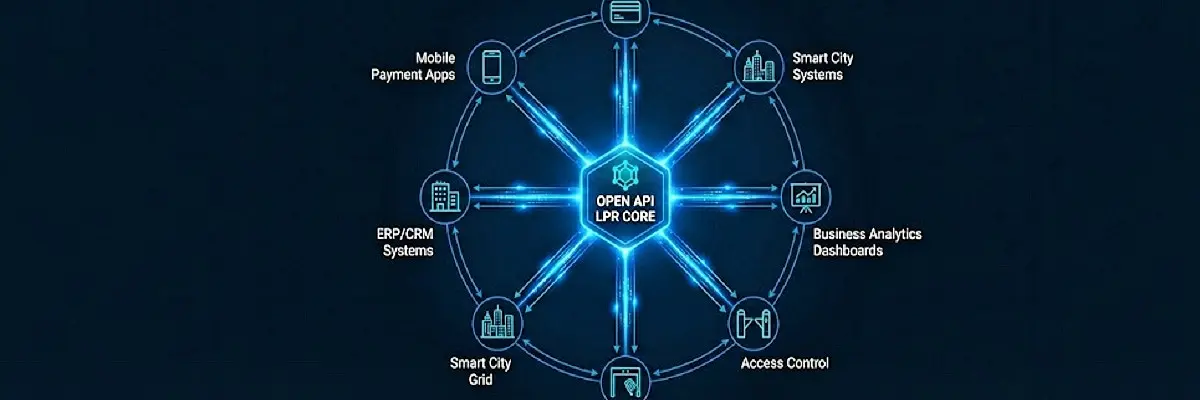
RESTful web services, JSON data formats, and webhook alerts enable real-time data sharing with external systems on modern open API platforms. This connection improves operational efficiency and customer experience by integrating payment processors, mobile apps, business analytics tools, and ERP systems.
Closed System Limits
Users of proprietary closed systems must accept the vendor's ecosystem, reducing flexibility and increasing dependence on single-source solutions. These systems may simplify initial implementation, but they sometimes impose long-term limits that become troublesome when company needs change or technology develops.
Core Comparison: Features, Performance, and Accuracy
This section compares open API and closed ANPR systems' vehicle recognition accuracy, processing speed, and data integration breadth. Open API solutions provide more customization—such as warnings and reporting—and analytics tool integration. Maintenance ease, vendor support responsiveness, and commercial performance, such as complicated layouts and changeable lighting, are evaluated.
Top Recognition Skills
Modern open API systems operate well in many operating settings. Leading solutions can detect cars up to 40 km/h without stopping, decreasing traffic and enhancing user experience. Vehicle analysis is included in recognition accuracy beyond license plate reading.
Modern systems can classify over 150 automobile brands and 1,500 models for differential pricing. This feature allows automated charging changes for passenger cars, commercial vehicles, buses, and goods trucks. Fine-grained recognition improves revenue optimisation and operational analytics.
Ecological adaptability
Complex image processing algorithms on advanced open API platforms provide accuracy under difficult settings. A 70-degree wide-angle identification capability allows installation in difficult commercial contexts with broad highways, restricted depth configurations, and multi-directional traffic flows.
Ultra-wide dynamic image optimisation dynamically modifies plate recognition settings for backlighting, variable illumination, and foul weather like rain or snow. This versatility enables performance across regions and seasons.
Front-end processing gains
Modern open API systems use front-end recognition to speed up processing and save expenses. This method avoids network latency and offline connection concerns that might impair parking operations by eliminating back-end software. The distributed processing design reduces infrastructure and improves system dependability.

Benefits and Challenges of Implementing Open API LPR Systems
Open API LPR solutions provide commercial operators freedom, data insights, and scalable system designs to future-proof investments. They streamline updates and integration with proprietary or third-party systems, improving parking violation administration and operational control. Initial implementation difficulty, compatibility issues, and staff training are hurdles.
Benefits of operation
The main benefits of open API systems for commercial parking operations are:
1. Non-Stop Operation: Vehicles enter and depart without pausing, improving traffic flow, driver irritation, and peak facility throughput.
2. Low Maintenance: Advanced systems need less maintenance and troubleshooting, decreasing operating interruption and technical support expenses.
3. Labour Cost Reduction: Intelligent interfaces and automated reporting minimise workforce needs and simplify administration.
4. High Scalability: Systems provide substantial customisation for operational operations and secondary development to meet corporate needs.
These benefits solve current commercial parking systems' biggest issues. Advanced open API systems provide appealing value propositions due to better user experience, decreased operating expenses, and increased scalability.
Integrating and Connecting
Open API systems integrate cloud systems and handle cloud payments to meet digital expectations. This connection allows mobile payments, remote monitoring, and smart city integration to improve operational efficiency and customer happiness.
Decision-Making Framework: Which System Fits Your Procurement Needs?
System capabilities must match parking lot size, complexity, and multi-site coordination for successful acquisition. Listing price models, leasing choices, and total cost of ownership, this approach compares purchase costs to long-term operating value. Suppliers are chosen for technological innovation, support, warranty conditions, and customisability.
Cost-benefit analysis
Total cost of ownership study must include operating costs, maintenance, upgrade charges, and integration fees in addition to hardware and software costs. Flexibility and less vendor reliance make open API systems better over time, despite larger initial costs.
Assessing Technical Needs
Procurement teams should assess infrastructure compatibility, growth plans, and business system integration. The evaluation should evaluate network capabilities, power needs, ambient circumstances, and system management and maintenance personnel technical skills.
Real-World Applications and Case Studies
Open API LPR use improves smart parking software integration, reducing infractions and increasing throughput at big commercial sites. Closed systems excel in controlled environments but struggle with scale-up integration.
Commercial Implementation Success
Large-scale commercial deployments show open API designs' real-world benefits. Shopping centres, office complexes, and transportation hubs report improved operational efficiency, customer pleasure, and income optimisation after implementing full open API solutions.
The ability to link with payment systems, mobile apps, and facility management platforms enables synergies that go beyond parking management to improve operational efficiency and customer experience.
Company Introduction and Product Overview
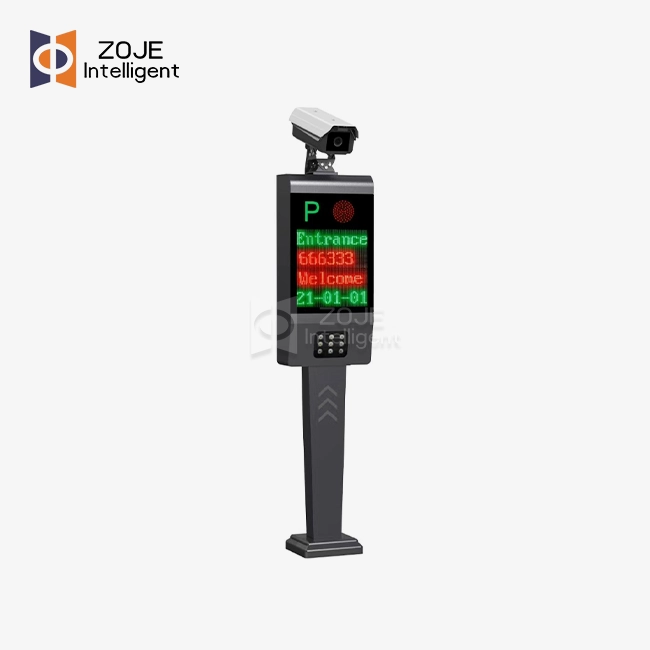
ZOJE Intelligent Technology develops open API commercial parking solutions using its ANPR/LPR expertise. Our flagship solutions enable complicated B2B parking operations with seamless integration, scalability, and customisation. ZOJE, founded in 2012 in Shenzhen, China, is a leading parking system technology innovation committed to quality and customer satisfaction.
Our expert electronic and mechanical engineers provide unique, customised solutions that meet ISO 9001:2015 quality management requirements. We specialise in customised projects, OEM, and ODM collaboration arrangements for varied customer needs and provide complete software and hardware customisation.
ZOJE prioritises customers with 24/7 worldwide after-sales technical assistance, thorough installation instructions, and long-term maintenance. We prefer face-to-face contact to better understand customer demands and develop enduring relationships, thus our staff visits customers globe annually.
Conclusion
Open API LPR systems are best for most commercial parking applications owing to their flexibility, integration, and long-term scalability. Configuring functionality, integrating with existing systems, and adapting to changing needs are benefits versus locked proprietary solutions. Modern open API systems improve identification accuracy, environmental adaptability, and operational efficiency while lowering vendor reliance and expenses. Parking infrastructure investments should prioritise open API designs that serve current operational demands and allow for future development and technological improvement.
FAQ
1. How can open API LPR systems improve parking management platform integration?
Open APIs use standardised communication protocols and RESTful web services to interface with various parking management applications. Real-time data interchange, automated reporting, and synchronised operations across platforms are possible without special programming or system adjustments using this architecture.
2. How accurate will current ANPR systems be?
Contemporary ANPR systems reach identification accuracy rates of 99% under ideal circumstances, with improved algorithms performing well in varied illumination, weather, and high-speed vehicle movement. Complete car brand, model, and category description is accurate.
3. Which is more cost-effective: open API or closed ANPR?
Open API solutions have larger initial expenditures but better long-term value due to less vendor reliance, fewer integration costs, and more upgrade flexibility. The total cost of ownership study favours open API designs for medium-to-large commercial implementations.
Partner with ZOJE for Advanced ANPR System for Commercial Parking Solutions
ZOJE stands ready to transform your parking operations through cutting-edge open API LPR technology that delivers unmatched performance and flexibility. As a leading ANPR system for Commercial Parking manufacturer, we combine innovative engineering with comprehensive support services including fast delivery (5-7 days for standard products), flexible customization options, and industry-leading two-year warranties. Our team provides 24/7 global technical support and conducts annual customer visits to ensure optimal system performance. Contact our experts at info@zoje-tech.com to discuss your specific requirements and discover how our solutions can enhance operational efficiency while reducing costs.
References
1. "License Plate Recognition Technology: Performance Analysis and Commercial Applications in Modern Parking Systems," International Journal of Intelligent Transportation Systems, 2023.
2. "Open API Architecture Benefits in Commercial Parking Management: A Comparative Study of Integration Capabilities," Parking Industry Research Institute, 2023.
3. "Cost-Benefit Analysis of ANPR System Deployments in Large-Scale Commercial Facilities," Smart Parking Technology Review, 2023.
4. "Technical Performance Evaluation of License Plate Recognition Systems Under Various Environmental Conditions," IEEE Transactions on Intelligent Transportation Systems, 2023.
5. "Scalability and Customization Advantages of Open API Parking Management Platforms," Commercial Parking Management Quarterly, 2023.
6. "Future Trends in Automated Parking Systems: The Role of Open Architecture Solutions," International Parking and Mobility Institute Annual Report, 2023.

Send Inquiry
You may like