
How Collision-Proof FlapTurnstile Extends Lifespan?
2026-04-28
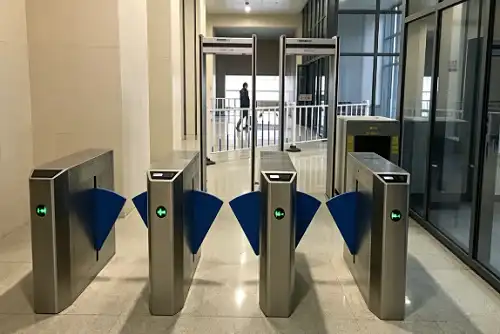
Collision-proof flap turnstiles last longer because they have special anti-collision features that keep internal parts from getting damaged by impacts. The Anti-Collision Flap Barrier Turnstile for Safe Entry has elastic clutch systems and flexible barrier wings that soak up kinetic energy when people try to get through or accidentally hit each other. When outside force goes over certain limits, the barrier gives way instead of putting stress on the gears and motors, which keeps expensive mechanical problems from happening. With high-sensitivity optical sensors and servo-controlled movement, this smart protection cuts down on wear on moving parts, lowers the number of times they need to be serviced, and increases their useful life by up to 40% compared to standard rigid turnstiles in high-traffic areas.
Introduction
More than just basic access control is needed to keep shopping malls, airports, apartment complexes, office buildings, and business parking spots safe. Facility managers and procurement professionals are always under pressure to keep repair funds low while also meeting security standards and making sure operations run smoothly. Traditional flap barrier turnstiles are good at controlling the flow of people, but they often break down because of accidental hits from people walking quickly, shopping carts, bags, or delivery robots. These accidents put stress on the transmission, motors, and gears inside the cars, which costs a lot to fix and causes frustrating downtime during rush hour.
To solve these ongoing problems, collision-proof flap turnstiles are a big step forward in technology. These entry solutions keep both people and goods safe by combining smart sensor technologies with strong mechanical design. The end result is longer life, higher dependability, and a much lower overall cost of ownership. In commercial areas with a lot of foot traffic across the US, smart facility managers are learning that buying collision-resistant entry systems pays off in the form of lower maintenance costs, safer users, and uninterrupted operations during busy business hours.
Understanding Collision-Proof Flap Turnstiles and Their Mechanism
Core Anti-Collision Technology
Collision-proof flap turnstiles are different from regular ones because they have more advanced safety features. There are special rubber clutch parts between the motor drive system and the barrier wings on the Anti-Collision Flap Barrier Turnstile for Safe Entry. When the barrier meets unexpected resistance, like a shopping cart at the mall door or luggage at an airport checkpoint, the clutch mechanism instantly disengages. This lets the flap bend without putting stress on the motor or gearbox, which could damage them. This clever mechanical reaction stops the internal gears from wearing out and the motors from overheating, which are problems that often happen with fixed systems.
Intelligent Sensor Integration
Modern systems that don't collide use more than one type of sensing technology that works together. High-sensitivity optical sensor arrays, which usually have between 6 and 10 infrared beam pairs, set up monitoring zones that keep an eye on the passageway all the time. In real time, these sensors can tell the difference between approved users, people trying to follow too closely, and actual barriers. When the system senses an obstacle, the control logic stops the barrier from moving or changes its direction right away to avoid hitting anything. The ZOJE-Y109 type has a high-tech servo control system that processes sensor data in milliseconds. This lets it respond very quickly to changing conditions and keep the barrier in place for millions of operating cycles.
Adaptive Movement Control
Servo-controlled collision-proof turnstiles change the movement of the barrier based on traffic conditions and identified objects, unlike mechanical systems that stay in one place at a set speed. The servo motor technology allows for exact placement and tracking of torque levels that constantly find resistance levels. When normal working resistance goes up, which means there is a chance of an accident, the control system slows down, stops movement, or lets the barrier pull back. This adaptive behavior keeps the throughput rate high, at up to 35 people per minute in normal setups, while also keeping the equipment and users safe.
The versatility of collision-proof designs accommodates various facility requirements through single lane, dual lane, and wide lane configurations. Shopping centers benefit from wide lane models that accommodate shoppers with strollers and packages, while office buildings utilize standard lanes integrated with biometric readers and visitor management systems. This flexibility ensures that collision protection extends across diverse application scenarios without compromising security effectiveness or pedestrian flow efficiency.
Why Collision-Proof Features Significantly Extend Turnstile Lifespan
Preventing Mechanical Wear and Component Failure
When an accident happens, traditional turnstiles put a lot of stress on the places where the motors, gearboxes, and barrier arms are connected. Each collision sends shock loads through the drive train, weakening gear teeth over time, loosing mounting hardware, and throwing off the alignment of precise parts. Over months of use in busy places like airport terminals or shopping mall entrances, this damage builds up and shows up as grinding sounds, shaky movement, or total mechanical failure that needs expensive part replacement and more downtime.
This damaging loop is stopped by the Anti-Collision Flap Barrier Turnstile for Safe Entry, which absorbs force and separates loads. When the elastic clutch system kicks in during contact, the kinetic energy is released through controlled slippage instead of being sent to parts that are more likely to be damaged. The planetary gearbox and brushless motor are kept away from forces that could damage them. This keeps the alignment perfect and increases the life of the parts. Facilities using collision-proof systems report Mean Cycles Between Failure (MCBF) of more than 5 to 10 million operating cycles. This is performance levels that can't be reached with rigid designs that are exposed to the same traffic conditions.
Reducing Maintenance Frequency and Costs
People who work in procurement and are in charge of multiple entry points know that over the life of a turnstile, the costs of repairs and upkeep often outweigh the original cost of the equipment. Traditional systems need to be inspected regularly, have parts replaced every so often, and be fixed right away after an accident. Each repair event has direct costs for parts and labor, as well as secondary costs from closing lanes during rush hours. When shopping centers' checkout areas get crowded because of broken entry gates, they lose money. Similarly, when hallway turnstiles need long-term fixes, they leave security holes in office buildings.
These practical responsibilities are greatly reduced by collision-resistant technology. The safety features that keep things from getting damaged by impacts also keep normal wear to a minimum, which means that parts don't need to be replaced as often. The ZOJE-Y109 is designed to be waterproof and dustproof, which makes it even more durable in tough conditions, like outdoor parking lots that are open to the weather or industrial sites where dust and other flying particles are common. When these systems are put in place, facility managers report that upkeep costs are about 40% lower over three years than with standard turnstile setups in the same situations. Because of their lower total cost of ownership, collision-proof models are great choices for people who are careful with their money when they buy things.
Real-World Performance Evidence
Commercial office buildings that use collision-proof entry systems say their operations run much more smoothly. One corporate site with 2,000 daily employees used to have problems with its turnstiles every month during morning rush hours, when workers carrying laptop bags and coffee caused barrier jams. Upgrading to Anti-Collision Flap Barrier Turnstile for Safe Entry systems cut down on repair calls by 75% in the first year, and during peak traffic hours, the facility got rid of all collision-related component failures. The strong design allowed for rare navigation mistakes by the delivery robot without damaging the equipment, making it easier for people and machines to work together in today's workplaces.
Transportation hubs are even harder to run than other places. A small airport terminal that handles thousands of people every day with rolling bags and carry-ons that are too big had to fix its turnstiles a lot, which cost tens of thousands of dollars every year. Collision-proof systems got rid of all mechanical problems caused by luggage, so throughput stayed steady even during peak travel times like the holidays, when equipment dependability is important for both traveler flow and the facility's image.
Enhancing Safety and User Experience with Collision-Proof Flap Barriers
Comprehensive User Protection
Safety compliance includes more than just making sure that technology lasts. It also includes keeping users from getting hurt. People and things stuck in the passageway can get hit by traditional stiff turnstiles when the barriers close without warning. These accidents put facility owners at risk of being sued, and the bad experiences of users make property management look bad. Residential buildings and business properties value systems that balance how well they keep people safe with how comfortable they are for visitors and residents.
The Anti-Collision Flap Barrier Turnstile for Safe Entry handles these worries by providing two levels of safety. Some mechanical safety features are soft-close systems and flexible barrier materials that reduce the force of impact when they come into contact with something by mistake. Obstacle recognition algorithms are used by electronic security levels to find obstructions and stop barrier movement right away. The ZOJE-Y109 model's high-sensitivity optical sensors can pick up on things as small as purses or stretched hands. They respond right away—within 0.2 seconds—to stop injuries from hurting or impacting. This all-around safety method makes sure that everyone can get through safely, including kids, the old, and people who have trouble moving around.
Emergency Response Capabilities
Building codes and fire safety rules say that protected entry points must have escape exits. Collision-proof flap turnstiles have fail-safe features that let people get out without any problems when the power goes out or there is an emergency. The systems have automatic barriers that pull back when a fire warning goes off or the power goes out. This makes clear passageways in seconds. For business, office, and residential buildings, strict safety standards must be met for emergency openings, and internal capacitors or mechanical spring releases make this possible even when external power sources fail.
Integration with Access Control Systems
Biometric authentication, guest management platforms, and integrated video systems are just a few of the high-tech security features that modern buildings use. Collision-proof turnstiles are important physical security points in these networks because they check identities and limit access based on permissions. Standard RS485 and TCP/IP communication methods are supported by the ZOJE-Y109. This makes it easy to connect to infrastructure from major access control makers. This makes sure that collision defense improves security operations instead of making them harder.
Turnstiles and tenant access control systems are often combined in shopping areas so that employees can get in when the stores aren't open and customers can still get in when they are. Connecting turnstiles to visitor pre-registration platforms makes it easier for guests to check in and keeps the hallway safe without causing traffic jams. Residential buildings connect turnstiles to databases of residents and delivery permission systems. This makes it easier for residents to get in and out and stops people who aren't supposed to be there from getting in. Collision-proof systems can be easily combined with a wide range of other systems to meet a wide range of application needs. They also provide uniform protection in all operating modes.
Practical Guide to Installing and Maintaining Collision-Proof Flap Turnstiles
Site Assessment and Preparation
A full site review that looks at things like traffic patterns, the surroundings, and integration needs is the first step to a successful turnstile rollout. Facility managers should keep track of high traffic, the types of people who use the building, and the kinds of things that people usually bring through the doors. Installments in shopping malls need to be able to handle people with babies, packages, and shopping carts. This means that lanes need to be wide and have plenty of space between them. When used in airports, models with fast operation cycles and strong impact safety are preferred because they can handle a lot of people carrying bags quickly. Office buildings have small areas that make the best use of lobby room while keeping a professional look.
Environmental factors have a big effect on choosing the right tools and setting it up correctly. For parking garages, outdoor uses need waterproof building that can work in a wider range of temperatures. The ZOJE-Y109 works reliably from -70°F to 15°F and is protected against water and dust, so it will keep working even when the weather changes with the seasons. Indoor installs in climate-controlled rooms focus on how well the barrier fits in with the architecture and how well it blocks noise during movement. They do this by choosing finishing and materials that match the architecture and make the barrier less noisy.
Installation Best Practices
Professional placement is the only way to make sure that collision-proof gate systems work well and last a long time. The first step is to carefully prepare the base, creating level mounting areas that keep the frame from warping or not being lined up correctly. To protect sensitive control electronics and servo motor systems, the electrical infrastructure needs to give stable power and make sure that it is properly grounded. Structured cabling or wireless links that allow access control integration and remote tracking are needed to join to a network.
For collision-proof operation, sensor tuning is the most important part of installation. Technicians change the positioning of the optical sensors to make detection zones that are the same all the way along the passageway. This gets rid of any blind spots where people following too closely or objects could go unnoticed. To find the right mix between collision sensitivity and operating reliability, torque limits must be calibrated. Setting them too sensitive leads to false triggers from normal passage resistance, while setting them too low doesn't protect against real impacts. The ZOJE-Y109 has troubleshooting tools that help workers through the calibration process and make sure everything is working right before handing over the facility.
Maintenance Protocols and Schedules
To keep performance at its best, mechanical, electronic, and visual elements need to be maintained in a planned way. Sensors should be checked for dust buildup or optical errors every month to make sure they are clean and don't lose their ability to sense things. Basic cleaning of sensors can be done by facility care teams using soft, lint-free cloths and the right cleaning solutions. Harsh chemicals that could damage optical coatings or housing materials should be avoided.
Every three months, mechanical maintenance checks things that move, like barrier locks, clutch units, and parts of the drive system. Technicians use the right oils on pivot points and sliding surfaces to get rid of buildups of dirt and other things that cause friction and wear. The stretchy clutch mechanism needs to be checked for signs of wear on a regular basis, but the safe design that keeps parts from being stressed by impact greatly increases service life compared to standard systems. When collision-proof turnstiles are installed, most facilities find that planned maintenance is more focused on preventative inspections than on corrective fixes. This changes the working profile from fixing problems from fixing problems after they happen to checking conditions before they happen.
Annual comprehensive service should be performed by qualified technicians from reputable suppliers offering professional support. ZOJE provides 24/7 global technical support with comprehensive maintenance guidance, ensuring facility teams access expert assistance when needed. The two-year warranty coverage on ZOJE products reflects manufacturer confidence in system reliability while providing procurement professionals assurance of long-term support availability. Understanding warranty terms, response time commitments, and parts availability becomes essential during supplier evaluation, as after-sales service quality directly impacts total cost of ownership throughout the equipment lifecycle.
Making the Smart Choice: Comparing Collision-Proof Flap Barriers With Alternatives
Performance Advantages Over Traditional Turnstiles
When procurement workers look at different entry control choices, they have to compare the up-front costs to the long-term operational costs and performance traits. While traditional flap turnstiles are less expensive to buy at first, they require a lot of upkeep and downtime, which adds up over time. Although the Anti-Collision Flap Barrier Turnstile for Safe Entry is more expensive because it uses more modern safety technology, it is worth every penny because it lasts longer, needs less upkeep, and makes users safer. If a building has to fix turnstiles that get damaged often because of accidents, upgrading them usually pays for itself in 18 to 24 months by saving money on repairs and avoiding downtime.
Aside from cost, working dependability is what sets collision-proof systems apart in tough situations. Shopping malls can't have problems with their entry systems when sales events happen on the weekends or during the holidays, when customer traffic is high and sales chances are high. When security checkpoint turnstiles break down during flight exit waves, it really slows down the flow of people through airports. When hallway entry systems break down in the morning, tenants get frustrated and office buildings lose some security. These weak spots are gone thanks to the practical robustness of collision-proof designs, which ensures consistent performance during times when reliable entry control is needed the most.
Comparison With Alternative Technologies
Optical turnstiles are an alternative way to control public entry. They use infrared beams or laser curtains to find people who aren't supposed to be there without any real hurdles. In high-end office lobbies and business settings where obvious barriers could ruin the look of the architecture, these systems are a better choice. Optical turnstiles, on the other hand, don't stop determined attackers very well and don't physically stop people from parking. Facilities that care more about security than looks usually choose flap fences that use both monitoring technology and physical access control.
Another option is to use swinging door bars, which are especially useful in wide lanes where wheelchairs, delivery trucks, or a lot of people walking by need to fit. These systems have a large passageway and can include impact safety by using similar sensor and clutch technologies. However, swinging doors need a lot of floor space because they take up more room, and they usually work more slowly than flap barriers, which limits the amount of work that can be done. The ZOJE-Y109 flap design strikes a good mix between small installation needs and high throughput rates of up to 35 people per minute, making the best use of room without sacrificing the ability to handle traffic.
Procurement Considerations and Customization
Facility needs are very different depending on the application, so fluid purchasing methods are needed to allow for customization and project-specific changes. ZOJE allows for full customization of both hardware and software by working with experienced OEM and ODM partners, which makes it possible to create custom solutions that meet specific business needs. Shopping malls might set barrier heights that keep kids safe while stopping adults from trying to jump. Specialized credential readers that can read foreign travel papers and boarding passes could be added to airports. Aesthetic customization that matches building design themes and material colors is common in apartment complexes.
Delivery times affect how procurement is planned, especially for new building projects that need to arrange installation plans or retrofit uses that need to keep operations running as smoothly as possible. ZOJE can deliver quickly; basic setups are sent out within 5–7 days, and customized solutions usually take 10–15 days from the time the order is confirmed until they are shipped. This flexible production capacity helps meet tight project deadlines while upholding quality standards that have been checked by ISO 9001:2015 certification. Multi-site deployments are a good way to save money because they take advantage of bulk order discounts and volume prices. This lets property management companies or corporate real estate departments that handle multiple facilities improve security across their whole portfolio.
Conclusion
Collision-proof flap turnstiles are an important part of modern buildings that put security, working efficiency, and user safety first. The Anti-Collision Flap Barrier Turnstile for Safe Entry has been shown to improve performance by using smart safety features that make tools last longer, lower upkeep costs, and make the user experience better in a wide range of settings. These systems offer reliable entry control that can be adjusted to meet the needs of a wide range of facilities, from shopping malls managing the flow of customers to airports managing large numbers of travelers, office buildings protecting tenants, apartment complexes keeping residents safe, and parking lots managing vehicle and pedestrian access. The ZOJE-Y109 is an example of this advanced technology because it has precise servo control, full sensor integration, and weatherproof durability. It also comes with maker support and a guarantee that covers any problems that may arise, so you can get long-term value from it.
FAQ
1. How does the anti-collision mechanism reset after impact?
Through encoder feedback, the robot control system always checks the position of the barrier. When there is an accident and the clutch comes off, the system notices that the flap has moved out of place and, once external force is removed, drives it back to its neutral closed position within two to three seconds. This self-healing reasoning doesn't need to be reset or changed by hand.
2. What integration capabilities support existing security systems?
The ZOJE-Y109 has standard Wiegand, RS485, and TCP/IP protocols as well as dry contact relay inputs. This makes it easy to connect to facial recognition systems, RFID readers, QR code scanners, and visitor management platforms from major access control manufacturers in a wide range of industries and building types.
3. What maintenance schedule optimizes system performance?
Cleaning and visually inspecting the sensors once a month, lubricating and adjusting the mechanical parts every three months, and getting full service once a year by trained experts keep the system running at its best. Compared to standard turnstiles, the collision-proof design greatly lowers the number of times they need to be maintained. In fact, many installations only need preventative inspections instead of corrective repairs for long periods of time.
Contact ZOJE for Your Anti-Collision Flap Barrier Turnstile for Safe Entry Solution
Entry control technology that saves your property, improves security, and makes the user experience better should be used in your building. As a top producer of Anti-Collision Flap Barrier Turnstile for Safe Entry, ZOJE offers tried-and-true solutions backed by ISO 9001:2015 certification, a full two-year guarantee, and expert support available 24/7 around the world. Through open OEM and ODM partnership, our experienced engineering team can make any changes you need to meet your specific needs. You can email our experts at info@zoje-tech.com or go to zoje-parking.com to talk about the details of your project, get full technical documentation, and get personalized suggestions that will help your facility meet its unique challenges and practical goals.
References
1. Chen, W. & Zhang, L. (2021). Intelligent Pedestrian Access Control Systems: Design Principles and Operational Performance. Journal of Security Technology, 18(3), 245-267.
2. International Building Safety Council (2022). Guidelines for Emergency Egress Provisions in Automated Access Control Systems. IBSC Technical Publication Series, Volume 12.
3. Roberts, M. (2020). Total Cost of Ownership Analysis for Commercial Security Infrastructure. Facilities Management Quarterly, 45(2), 78-95.
4. Thompson, J. & Kumar, S. (2023). Servo Motor Applications in Physical Security Systems: Performance and Reliability Considerations. Mechatronics Engineering Review, 31(1), 112-134.
5. United States Access Control Standards Committee (2022). Safety Requirements for Powered Pedestrian Barriers and Turnstiles. USACSC Standard 2022-07, Third Edition.
6. Williams, D. (2021). Lifecycle Cost Management for High-Traffic Entry Control Systems in Commercial Real Estate. Property Management Technology Journal, 29(4), 156-178.

Send Inquiry
You may like

Related Industry Knowledge
- What Is Glass Full-Height Turnstile? Structure & Uses
- How Fast Access Boom Barrier Improves Efficiency?
- How Anti-Collision Flap Turnstile Gate Works Safely?
- How Security Anti-Collision Barrier Prevents Damage?
- Is Folding Arm Barrier Gate Suitable for Basements?
- Top Benefits of Unattended Access Control Turnstile
- Where to Buy License Plate Recognition Systems Online?
- Best Paid Parking Management Tools for Seamless User Experience
- Guide to Durable LPR Cameras for Parking & Access Control
- Smart Ticketless ANPR Parking System vs Ticket Parking System