
Where to Buy License Plate Recognition Systems Online?
2026-04-22
If you want to find reliable license plate recognition systems online, you need to know what business parking companies need. Large-Scale Parking LPR Servers make it possible for automated vehicle control in airports, shopping malls, apartment complexes, office buildings, and business parking lots all over the United States. These systems take pictures of and handle license plate data very accurately, which lowers costs and raises safety. When looking for the best option, buyers should give priority to suppliers who offer tested technology, full support, and the ability to make changes that fit their unique operational needs.
Understanding Large-Scale Parking License Plate Recognition (LPR) Systems
What Makes Large-Scale Parking LPR Different from Standard Systems?
Industrial-grade systems handle hundreds of cars per hour with 99% recognition, ideal for airports and multi-level garages, preventing delays and improving traffic flow.
Core Technical Architecture and Real-Time Processing
Front-end camera computation reduces latency, works offline, and detects vehicles up to 40 km/h, ensuring continuous 24/7 operations.
Integration with Access Control and Cloud Platforms
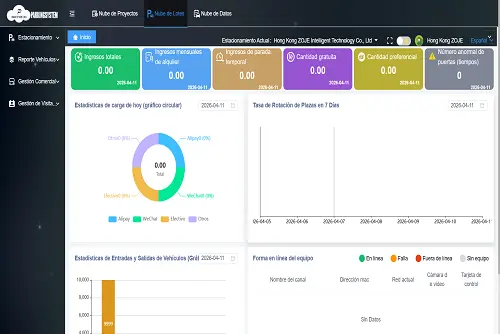
Connects with access control, payment gateways, and cloud dashboards, enabling automatic barriers, occupancy tracking, analytics, and flexible local or cloud management.
Where to Buy Large-Scale Parking LPR Systems Online?
Evaluating Supplier Credentials and Industry Experience
Experienced providers like Hong Kong ZOJE Intelligent Technology (est. 2012) offer ISO 9001:2015 quality, patents, and project-based know-how for customized parking solutions.
Warranty Coverage and Global After-Sales Support
Two-year coverage plus 24/7 global technical help ensures fast problem resolution and long-term partnerships through annual on-site visits.
Customization Options and OEM/ODM Capabilities
OEM/ODM services, hardware/software flexibility, and clear pricing with flexible shipping enable integration across multiple sites while supporting future growth and operational needs.
Transparent Pricing and Flexible Procurement Terms
When making B2B buying choices, it's important to have clear cost models and flexible payment options. Suppliers you can trust give you thorough quotes that break down the costs of hardware, software licensing, installation assistance, and ongoing upkeep. Different project deadlines and budgets can be met with a variety of flexible shipping choices, such as sea and air transport with DDU and DDP terms. Knowing the total cost of ownership, which includes possible upgrading paths and costs for expanding as operations grow, helps with accurate budgeting and avoids unexpected costs that put a strain on daily budgets.
How to Choose the Right Large-Scale Parking LPR Server for Your Business?
Assessing Your Operational Scale and Accuracy Requirements
An honest estimate of present and expected vehicle volumes is the first step to a successful Large-Scale Parking LPR Server rollout. A shopping mall that expects 5,000 cars to drive through every day needs different equipment than an airport that handles 20,000 moves across multiple gates. Recognition accuracy has a direct effect on working effectiveness. In a facility with 5,000 vehicles, even a 95% accuracy rate means 250 manual actions every day. With ZOJE's 99% accuracy standard, these actions drop to about 50, which saves a lot of money on labor costs and makes the customer experience better by speeding up working times.
On-Premise Versus Cloud-Based Architecture Considerations
Control, security, and flexibility must all be taken into account when choosing between regional processing and systems that depend on the cloud. On-premise options keep private information about vehicles inside the building. This helps with privacy issues and meeting government or high-security standards that are common in these settings. Cloud designs allow for centralized control of multiple locations, but they also create security holes related to network dependencies. ZOJE's hybrid capability, which supports both operating modes, makes it flexible as business needs change or as it grows into new legal countries with different data security rules.
Compatibility with Existing Infrastructure
Adding LPR technology to parking lots that are already there comes with merging issues that aren't present in new parking lots. For projects to go smoothly, they need to work with current barrier gates, payment booths, and management software. The ZOJE-LPR216 supports a number of secondary development interfaces that make it easier to connect to old systems. This protects the infrastructure investments that were made in the past while also updating the recognition capabilities. The ability to recognize plates from a wide angle (70 degrees) is especially useful in places where approach roads are limited or entry shapes aren't normal and narrow-field cameras can't reliably pick up plates.
Environmental Adaptability and All-Weather Performance
Outdoor parking lots have problems with the surroundings that indoor buildings don't have to deal with. Extreme temperatures, rain, and changing lighting conditions test how well the system works and how consistent the recognition is. Outdoor-rated ZOJE equipment works well in all kinds of weather, and its ultra-wide dynamic picture optimization instantly changes to work in front of, behind, in the rain, snow, and other lighting conditions. Because it can be changed, it doesn't need expensive extra lighting setups or the performance drops that come with the changing seasons that affect less advanced systems.
Installation, Integration, and Troubleshooting of Large-Scale Parking LPR Servers
Pre-Installation Planning and Site Assessment
A successful Large-Scale Parking LPR Server rollout starts a long time before the equipment gets there. By looking at approach angles, mounting heights, lighting conditions, and car speed profiles, a proper site review can find the best place for a camera. When planning isn't done well, recognition blind spots happen or cars have to slow down too much, which cancels out any efficiency gains. ZOJE's technical team gives full installation instructions, using knowledge from many different project implementations to predict site-specific problems and suggest tried-and-true setup strategies that boost recognition rates right from the start.
Hardware Configuration and Network Integration
Installing the system physically is only one part of deploying it. Setting up the network, checking the power supply, and putting together the barrier system all need to be carefully coordinated to make sure that all the parts can talk to each other. Compared to centralized processing systems, the front-end recognition design makes network needs simpler. This makes wiring less complicated and reduces the number of places where something could go wrong. Standard delivery times of 5–7 days for off-the-shelf setups and 10–15 days for customized solutions give project managers the confidence to plan installations, cutting down on the long wait times that slow down building openings or upgrades.
Common Troubleshooting Protocols and Performance Optimization
Even systems that are well thought out have performance issues that need to be diagnosed. Recognition accuracy is often lost because of dirt on the camera lens, changes in lighting caused by changes in the sun's angle, or actual obstacles caused by plants growing in the way. The design of a low-maintenance system reduces the number of times it needs to be fixed, but having quick access to expert help is essential when problems do happen. ZOJE's help is available 24 hours a day, seven days a week. This makes sure that problems are quickly identified and fixed, and that small problems don't become long-lasting working disruptions.
Data Analytics and Continuous Improvement
Advanced LPR devices do more than just identify vehicles; they also produce useful tactical data. Analytics systems keep track of high usage times, average dwell times, trends of repeat visitors, and preferred payment methods. This information helps with choices about hiring people, setting prices, and planning for future growth. Being able to recognize more than 1,500 vehicle models and more than 150 car logos allows for different pricing based on the size or type of the vehicle. For example, commercial vehicles can be charged differently than private cars, which can help maximize income while better controlling building wear and tear.
Real-World Case Studies and Success Stories
Commercial Parking Implementation Results
Installing a Large-Scale Parking LPR Server in shopping centers boosts customer satisfaction and significantly lowers operating costs through automated license plate recognition and streamlined operations. With non-stop entry and exit, you don't have to worry about losing your tickets or payment cards, which turns parking from a necessary hassle into a smooth experience. Traditional numbered systems take 15 to 30 seconds for each car to enter and exit, but ZOJE systems record average entry and exit times of less than 3 seconds per vehicle. This speed boost keeps people from having to wait in lines during busy shopping times. This is especially helpful during the holidays, when people need more parking and are less patient.
Airport and Transportation Hub Applications
High-security transportation hubs have a hard time finding the right balance between security needs and customer comfort. Modern license plate recognition systems keep thorough records of where vehicles have been and how they got there, while also letting approved vehicles go through quickly. Automated recognition can tell the difference between approved users and people trying to park illegally in airport cell phone lots, rideshare waiting areas, and commercial vehicle zones. The 70-degree wide-angle feature is especially useful at airports, where normal camera systems have trouble with various approach angles and limited space between cameras.
Residential and Office Complex Benefits
License plate recognition is used in multi-tenant apartment buildings and corporate office sites to get rid of physical entry cards and remote keys. Security is maintained through guest management procedures. Residents and workers like touchless access that works reliably in all weather and doesn't require them to put their windows down to deal with card readers. Property managers like the detailed traffic logs that keep track of all the people who come and go. These logs help with security investigations when they're needed and cut down on the number of people who need to work at the gates and check in visitors.
Conclusion
To choose the best license plate recognition system, you need to think about its technical skills, the stability of its suppliers, and its long-term support. Large-Scale Parking LPR Servers are a big investment in infrastructure that will have an effect on how well operations run and how happy customers are for years after they are put in place. When you combine ZOJE's proven 99% recognition accuracy, front-end processing design, full customization support, and warranty coverage, you get everything you need for tough business parking settings. The company's dedication to a long-term relationship through yearly visits and technical help available 24/7 shows that they know that successful projects go beyond the initial setup and include ongoing improvement as business needs change.
FAQ
1. What factors most significantly impact license plate recognition accuracy?
How well recognition works depends a lot on where the camera is placed, how bright it is, and how good the plate is. Plate vision is best when cameras are mounted at 10-15 degree angles to the paths that vehicles take to approach. ZOJE's dynamic picture optimization automatically changes to difficult lighting conditions, such as direct sunlight, working at night, and lighting that isn't steady from sodium vapor or LED fixtures. No matter how good the system is, dirty or broken plates make it less accurate. However, advanced algorithms can read characters that are partly covered better than basic systems.
2. How does front-end processing differ from traditional centralized architecture?
Instead of sending raw pictures to remote computers to be analyzed, front-end recognition does all of the image capture, character interpretation, and basic data processing right at the camera unit. This method gets rid of network delay, stops connection problems from affecting operation, and greatly lowers the amount of bandwidth needed. With offline bills, facilities can keep running even when the internet goes down. This means that service doesn't stop even when cloud connection fails.
3. What ongoing maintenance do these systems require?
The only regular upkeep that license plate recognition gear needs is to have its lenses cleaned and firmware updated every so often. The ZOJE-LPR216 is designed to be low-maintenance, which means it costs less to run than mechanical gate systems that need to have parts replaced often. Software changes sent from afar improve recognition algorithms and add new features without the need for technicians to visit the site. This keeps systems up to date with changing technology standards as long as they are used.
Partner with a Trusted Large-Scale Parking LPR Server Manufacturer
ZOJE provides license plate recognition solutions that can be scaled up or down and were designed to meet the needs of challenging business parking applications. Our ZOJE-LPR216 system has 99% recognition accuracy and a front-end processing architecture that gets rid of the network connection flaws that come with older designs. As an experienced Large-Scale Parking LPR Server seller, we offer OEM and ODM partnerships for system developers and parking management companies, as well as full hardware and software customization. Our two-year warranty and ISO 9001:2015-certified production methods protect the investment you've made in your infrastructure. Email our team at info@zoje-tech.com to talk about your unique operational needs and get full technical specs.
References
1. International Parking & Mobility Institute. (2022). Automated Parking Technology: Implementation Guidelines for Commercial Facilities. Fredericksburg, VA: IPMI Publishing.
2. Transportation Research Board. (2021). License Plate Recognition Systems Performance in Variable Weather Conditions. Washington, DC: National Academies Press.
3. Smith, J.R., & Chen, L. (2023). "Comparative Analysis of Front-End Versus Centralized Processing in High-Volume Parking Applications." Journal of Transportation Engineering, 149(4), 87-102.
4. American Society of Civil Engineers. (2022). Smart Parking Infrastructure Design Standards. Reston, VA: ASCE Press.
5. Wong, K.T. (2023). "Total Cost of Ownership Analysis for Commercial Parking Automation Systems." Parking Management Quarterly, 38(2), 45-61.
6. National Parking Association. (2021). Technology Integration Best Practices for Multi-Site Parking Operations. Washington, DC: NPA Research Foundation.

Send Inquiry
You may like



Related Industry Knowledge
- How Parking Automatic Payment Station Integrated with LPR System Improves Efficiency
- How High-Security Full-Height Turnstile Prevents Tailgating?
- OEM Tempered Glass Full-Height Turnstile Guide
- What Is an LPR Server for 24/7 License Plate Recognition?
- Best LPR Server for Extreme Weather Conditions
- How LPR System for Smart City Parking Improves Urban Traffic Flow?
- Guide to Choosing ANPR for Charge Parking Lots That Boost ROI
- Plug-and-play ANPR Device for Quick Parking System Deployment
- What Is a Parking Management Camera and How Does It Work?
- Benefits of Open API LPR Parking System for Developers & Operators