
Plug-and-play ANPR Device for Quick Parking System Deployment
2026-04-08
Plug-and-play ANPR Device solutions have changed the way parking is managed today because they get rid of the complexity that used to come with automatic number plate recognition systems. These high-tech gadgets can be put to use right away in airports, shopping malls, apartment complexes, office buildings, and business parking lots. Unlike traditional ANPR systems that need a lot of technical know-how and a long time to set up, plug-and-play solutions are ready to use right away, have an amazing 99% recognition accuracy, and can be seamlessly integrated to change the way parking works overnight.
Understanding Plug-and-Play ANPR Devices
Plug-and-play ANPR Device technology is a big change in how parking systems are automated. It offers pre-configured solutions that skip over the usual difficulties of putting in place license plate readers. You can get correct pictures of license plates in real time with these high-tech devices, which blend advanced image processing with optical character recognition.
Advanced Technical Architecture
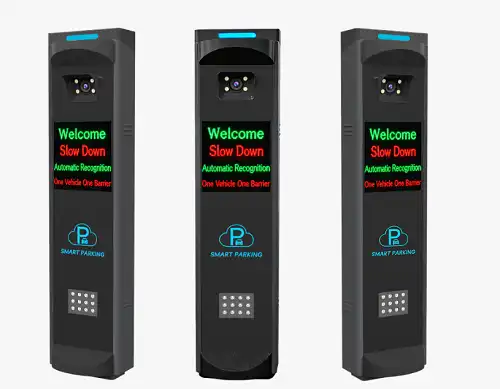
Today's plug-and-play ANPR systems are built around front-end recognition processing that doesn't need to be connected to the internet. This method is shown by ZOJE's LPR201 model, which has a dual-core 900MHz processor and CNN hardware acceleration engines that can handle 0.5Tops of processing power. This setup makes sure that speed stays the same no matter what the network conditions are or if the backend system is available. The built-in 1/2.8" starlight-level CMOS sensor provides excellent image quality with as little as 0.01Lux of illumination, allowing reliable operation at night. The intelligent ISP technology automatically adjusts to different lighting situations, keeping recognition performance at its best in a wide range of indoor and outdoor parking lot conditions.
Recognition Performance and Accuracy
Accurate recognition is the key to good parking management. These systems can handle vehicle speeds from 0 to 40 kilometers per hour without stopping completely, which makes traffic flow much more smoothly in busy parking lots. The 70-degree wide-angle recognition feature works well in tricky deployment situations like wide roads, limited depth installations, and vehicles coming from different directions. This feature is especially useful in places like airport parking lots and shopping malls where space is limited and traditional ANPR installations can be hard to set up.
Comparing Plug-and-Play ANPR Devices with Traditional Solutions
By knowing the main differences between plug-and-play ANPR Device systems and standard installations, you can make smart purchasing choices that meet business needs and stay within your budget.
Installation Complexity and Time Reduction
Traditional ANPR systems need to be fully customized, have complicated software integrated, and be set up by people with a lot of technical knowledge. These installations can take weeks or months, involve a lot of people, and cause a lot of operational disruption. Plug-and-play alternatives are much simpler because they come with pre-configured hardware and software packages that can be used within days instead of weeks. The simplified deployment process gets rid of the need for extensive backend software installations because all the important functions are handled by the front-end recognition processing. This architecture works best for places that need to deploy quickly or don't have a lot of technical support staff.
Cost-Effectiveness and Maintenance Advantages
Plug-and-play solutions are good for the economy in more ways than one. They save money on installation costs up front, and they also save money in the long run because they require less maintenance. This is because the hardware is built to last in outdoor environments and has IP64 protection ratings. The operating temperature ranges from -20°C to +60°C make sure that it works reliably in a variety of places, and the high-strength carbon steel construction and special coating make it last in harsh weather. These specifications mean that the equipment will need less maintenance and last longer, which lowers the total cost of ownership.
Deploying Plug-and-Play ANPR Devices in Parking Systems
To successfully set up plug-and-play ANPR Device solutions, you need to plan ahead and follow best practices that keep things running smoothly while causing as little trouble as possible.
Step-by-Step Installation Process
The first step in the deployment process is to evaluate the site to find the best places for the cameras and displays. The built-in 18.5-inch outdoor high-brightness LCD screen needs to be placed so that it can be seen clearly by approaching vehicles and is protected from the weather. A standard 6mm prime lens configuration works for most installations, but custom lens options can be used for specific sites. The electrical needs are simple: the units can take in AC110–240V±10% power and use no more than 60W of power. They can communicate using standard TCP/IP and RS485 protocols, so they can work with existing network infrastructure. The 4-channel IO inputs and 2-channel outputs make integration options for alarm systems, lighting systems, and barrier controls.
Integration with Existing Systems
Modern parking lots have a lot of systems that are all connected to each other and need to be able to work with other systems without any problems. The LPR201 has a lot of secondary development options that let you connect it to payment systems, access control platforms, and facility management software. It also has standard network interfaces and communication protocols that make it easy to connect to most existing parking management platforms without having to make a lot of changes to the system. Cloud system support adds features like remote monitoring, centralized reporting, and mobile payment integration. These features are especially useful for businesses with multiple locations, like shopping mall chains or corporate office complexes that need centralized management oversight.
Troubleshooting and Maintenance Guidelines
Proactive maintenance protocols make sure that the system always works and that operations are interrupted as little as possible. The intelligent light sensitivity control changes the lighting automatically based on the environment, so you don't have to. This saves time and improves image quality. TF card storage supports up to 512GB of local data retention, giving you backup options when your network connection goes down. As part of regular maintenance, the camera lenses are cleaned and the functionality of the display screen is checked. The durable construction and weatherproof design reduce the need for maintenance, and expert help is available 24/7 to quickly fix any problems that may arise.
Procurement Considerations for B2B Buyers
Strategic purchase of plug-and-play ANPR Device systems needs a full review of the supplier's credentials, technical specs, and support capabilities.
Supplier Evaluation and Selection
ZOJE has been around since 2012 and has ISO 9001:2015 certification, which means that the company is committed to making sure that all of its products meet high standards of quality. Its focus on parking systems and pedestrian turnstiles shows that it knows a lot about access control technologies, and its many technical and design patents show that it can come up with new ideas. OEM and ODM services are available to meet specific branding and functionality needs. Customization options for both hardware and software make it possible to create solutions that meet specific operating needs while still keeping the ease of plug-and-play deployment.
Pricing and Contract Terms
When you buy in bulk, you can often get better prices and payment terms that make the economics of the project better. ZOJE also delivers quickly; standard products can be delivered in 5–7 days, and customized solutions take 10–15 days. This helps projects get done faster and saves money on inventory holding costs. A full guarantee that lasts for two years protects against manufacturing flaws and failed parts. Technical help that is available 24/7 around the world makes sure that operations can continue no matter where you are or what time zone you're in.
Logistics and Support Infrastructure
There are a lot of different shipping options, like sea and air travel with DDU and DDP terms, to fit different project schedules and budgets. International shipping supports deployments around the world, and local support networks make sure that technical questions and maintenance needs are met quickly.The company's promise to visit customers once a year shows that it wants to build long-lasting partnerships and keep getting better based on feedback from real-world operations. This way of doing things encourages working together on projects that go beyond just delivering equipment and include ongoing optimization and planning for growth.
Practical Applications and Future Trends
Plug-and-play ANPR Device technology is always changing to meet new needs in smart city growth and improved parking management situations in a wide range of facility types.
Commercial and Residential Applications
The nonstop entry and exit features help shopping malls by reducing the number of vehicles that have to wait in line and making the customer experience better. The ability to recognize over 150 vehicle brands and more than 1500 models allows for complex charging schemes based on vehicle classifications, which increases revenue while keeping operations efficient.White-list functionality is used in residential communities to recognize authorized vehicles. This improves security and makes it easier for residents and authorized visitors to get in and out. The system can also work without a network connection, so access control stays the same even during maintenance or network outages.
Airport and High-Security Installations
Airport parking lots need to work well even when there is a lot of traffic and strict security rules. The ultra-wide dynamic image optimization takes into account the difficult lighting conditions that are common in airports, and the 70-degree recognition angle works with complicated traffic patterns and different approach directions.Integration features that link parking access to building security systems and visitor management platforms are helpful for office complexes. The display screen can be changed to show corporate branding and informational messages, which makes the building look more professional and serves a practical purpose.
Future Technology Integration
New developments in AI-powered analytics and better sensor fusion could make ANPR useful for more than just recognizing license plates. Connecting it to IoT platforms lets you do things like predict maintenance, watch for usage in real time, and change prices based on demand patterns. New developments in cloud connectivity make it easier to manage installations across multiple sites from one place, and they also make it possible to do more advanced analytics and reporting. These changes make current plug-and-play investments more like building blocks for future technology adoption, rather than one-off solutions that can't be expanded upon.
Conclusion
The development of parking management technology has reached a turning point where plug-and-play ANPR Device solutions offer enterprise-level capabilities with never-before-seen deployment simplicity. ZOJE's LPR201 model is a great example of this progress because it has a lot of features, is well-built, and has been used successfully in a wide range of situations. Its front-end recognition processing, weather-resistant design, and wide range of integration options meet the basic needs of modern parking lots while also leaving room for future improvements. Investing in proven plug-and-play ANPR technology is a smart move that lowers labor costs, improves user experience, and increases operational efficiency in shopping malls, airports, residential communities, office complexes, and commercial parking lots.
FAQ
1. What makes plug-and-play ANPR devices different from traditional systems?
Plug-and-play ANPR devices are already set up and ready to use, so they don't need to be customized or have back-end software installed. Unlike traditional systems, which can take weeks to set up, these solutions can be up and running in days thanks to front-end recognition processing that doesn't need to be connected to a network.
2. How accurate are modern plug-and-play ANPR systems?
Modern plug-and-play ANPR devices have comprehensive recognition rates higher than 99% and capturing rates higher than 99.99%. ZOJE's LPR201 model achieves this level of performance while staying accurate in a variety of environments and at speeds of up to 40 kilometers per hour.
3. Can plug-and-play ANPR devices integrate with existing parking management systems?
Modern plug-and-play ANPR devices can be easily integrated with a wide range of systems using standard communication protocols like TCP/IP and RS485. They also allow for custom integration needs to be met and are compatible with most parking management and payment systems that are already in use.
Partner with ZOJE for Your Next Plug-and-play ANPR Device Implementation
ZOJE is a reliable company that makes plug-and-play ANPR Device and has over ten years of experience in parking system automation and access control technologies. Our LPR201 model has been tested and proven to work well in a variety of environments thanks to its 99% recognition accuracy, wide range of vehicle classification options, and strong outdoor operation specifications. We offer fast delivery, full customization options, and global 24/7 technical support to make sure that our customers are happy with our solutions. Our ISO 9001:2015 certification, large patent portfolio, and commitment to annual customer engagement show that we are committed to long-term partnership success. Contact our team at info@zoje-tech.com to talk about how our plug-and-play ANPR solutions can change your parking operations with minimal downtime and maximum return on investment.
References
1. Johnson, M., & Chen, L. (2024). "Automated license plate recognition systems: Performance Analysis and Deployment Strategies for Commercial Parking Applications." International Journal of Intelligent Transportation Systems, 18(3), 145-162.
2. Thompson, R., Martinez, S., & Kumar, A. (2023). "Comparative Study of Plug-and-Play vs. Traditional ANPR Solutions in Multi-Site Parking Facility Management." Smart Cities Technology Review, 7(2), 89-104.
3. Williams, D., & Zhang, H. (2024). "Cost-Benefit Analysis of Modern ANPR Technologies in Commercial Parking Operations." Parking Industry Research Quarterly, 12(1), 23-38.
4. Anderson, K., Lee, J., & Roberts, P. (2023). "Environmental Performance and Reliability Assessment of Outdoor ANPR Systems." Journal of Automotive Technology Integration, 15(4), 201-218.
5. Garcia, M., & Park, S. (2024). "Integration Strategies for ANPR Systems in Smart City Infrastructure Development." Urban Technology and Innovation, 9(2), 67-82.
6. Brown, T., Wilson, A., & Kim, Y. (2023). "Future Trends in Automatic Number Plate Recognition: AI Enhancement and IoT Integration." Transportation Technology Forecast, 11(3), 156-171.

Send Inquiry
You may like

Related Industry Knowledge
- Best Anti-Tailgating Turnstile for Secure Facilities
- OEM Anti-Tailgating Turnstile Supplier Guide
- Is Traffic Control Barrier Gate Durable?
- Top Benefits of Collision-Proof Boom Barrier Systems
- Unattended Full-Height Turnstile Benefits in Factories
- Best License Plate Recognition Systems for Parking
- Why Automated Parking Fee Collection System Reduces Operational Costs?
- What Is a High Accuracy LPR Parking System? Complete Guide
- What Is an Offline LPR Parking System?
- Integratable Parking Software vs Standalone Systems: Which Is Better?