
Why Automated Parking Fee Collection System Reduces Operational Costs?
2026-04-22
Technology like Automated Parking Fee Collection System is completely changing how parking lots make money and cut costs at the same time. Intelligent license plate recognition and self-service payment stations replace manual processes that require a lot of work. This cuts down on hiring costs, transaction mistakes, and customer wait times by a huge amount. Modern systems, such as ZOJE's ANPR solutions, can accurately identify 99% of items without any help from a person. They can be used in shopping malls, airports, apartment complexes, office buildings, and business parking spots and start showing a return on investment (ROI) within months.
Introduction
Traditional ways of collecting parking fees still cause problems for facility owners that make it harder for them to make money. Labor-intensive tasks need more than one person to work on them during a shift, and mistakes made by people when handling transactions cause money to be lost, which gets worse over time. Customers get angry when payments are processed slowly, and it causes lines to form during busy times, especially in places with a lot of people, like shopping malls and airport parking garages.
Automation in parking management is more than just a step forward in technology; it also fixes basic cost problems that have been plaguing the business for decades. To get rid of the need for human connections, modern systems use cameras that read license plates, contactless payment devices, and cloud-based management platforms. This guide is for buying managers, building engineers, distributors, and OEM clients who know that to keep parking lots running, the infrastructure needs to be able to grow without increasing costs.
Our study looks at how clever parking technology lowers costs in a variety of building types. We will talk about the hidden costs that come with using old systems, show how automation can help with these problems, and give you a way to look at options that fit your specific needs. Understanding the economic case for automation is important in today's competitive world, whether you're in charge of a private parking garage or several business lots.
Understanding the Operational Costs in Traditional Parking Fee Collection
Labor Expenses Dominate Traditional Operations
Collecting parking fees by hand adds significant ongoing labor costs beyond base pay. An Automated Parking Fee Collection System replaces manual attendants, reducing shifts, overtime, and payroll expenses while maintaining smooth operations. By automating entry, exit, and payments, facilities lower labor needs and improve efficiency. Operators have to work at entry and exit places during all business hours, which means they have to work multiple shifts and pay overtime, benefits, and payroll taxes. During busy times, you need more staff to keep lines from forming, and managers add to the cost by managing workers and settling disagreements. Recruiting and teaching new employees costs money over and over again, and many business owners don't take these costs into account when they figure out how much work they have to do.
Transaction Errors Generate Hidden Revenue Loss
Mistakes made by people when handling cash and processing tickets consistently cause income losses that add up to a lot over time. Attendants sometimes get fees wrong when they are doing deals by hand, especially when they use different rates for different types of vehicles or lengths of time. Surprisingly often, there are differences between how much cash was collected and how much was reported as income. Also, operators have to charge flat rates instead of parking for the real length of time because tickets are lost. These mistakes in transactions not only hurt income, but they also make it harder to balance the books and do audits.
Customer Experience Issues Impact Revenue Potential
Customers are drawn to competing facilities that offer better experiences because traditional methods cause problems. During peak hours, long lines at the payment booths annoy drivers who are in a hurry to get to meetings or trips, making them think negatively of the parking lot. Payment method restrictions, like only accepting cash or not being able to accept mobile payments, leave out some customers and make transactions less convenient. When customers aren't happy, they are less likely to buy from you again, especially in places where there are other options close.
Maintenance and Security Create Ongoing Drains
Parking lots that are too old need constant upkeep, which costs money and takes time away from management. Ticket machines often get stuck, which requires technicians to be called out and interrupts operations. Handling cash makes security holes that need to be fixed with protected transfer services and full insurance coverage. The equipment inside worn-out booths breaks down more quickly, which cuts down on repair rounds. Because of how they work, maintaining old systems gets more expensive over time as parts wear out and become harder to find.
How Automated Parking Fee Collection Systems Address Cost Issues?
Advanced Hardware Integration Eliminates Manual Touchpoints
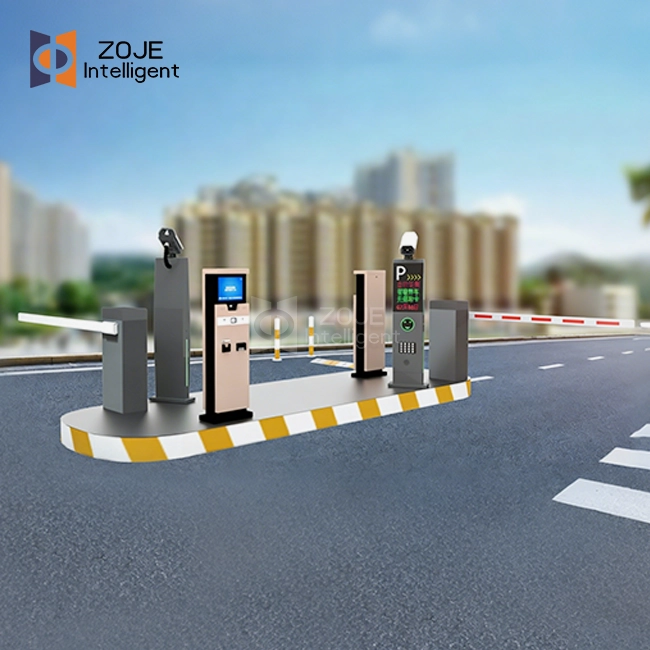
Automated LPR cameras and barrier systems process vehicles without stopping drivers. Self-service payment stations streamline exits, reduce queues, and minimize human intervention, ensuring smooth operations with high reliability even during network outages.
Software Platforms Streamline Revenue Management
Cloud-based tools monitor occupancy, revenue, and pricing in real time. Automated reports save hours, and flexible digital payments reduce errors. Integration with ERP, tenant, and access systems centralizes control, simplifying complex pricing and validation processes.
Labor Cost Reduction Delivers Immediate Savings
Automated systems reduce staff needs for entry, exit, and monitoring. Payroll, HR management, insurance, and training costs drop, often recouping investment in 18–24 months, with ongoing savings growing over time.
Real-World Implementation Demonstrates Measurable ROI
Shopping malls and airports saw faster processing, fewer complaints, higher revenue, and labor cost reductions. Automated systems increased throughput, accuracy, and customer satisfaction, paying for themselves within 20 months.


Comparative Analysis: Automated vs Manual Parking Fee Collection Systems
Initial Investment Versus Long-Term Operational Savings
Automated systems require higher upfront costs for cameras, barriers, and software, but they replace ongoing labor expenses. Total ownership costs over ten years are 60–70% lower than manual operations, achieving ROI within two years.
Transaction Speed and Accuracy Shape Customer Experience
Manual collections take 45–90 seconds per car, slowing traffic and frustrating drivers. An Automated Parking Fee Collection System processes vehicles in 8–15 seconds with 99% recognition, enabling free-flow operations and greatly improving customer satisfaction in high-traffic facilities.
Scalability Advantages Support Business Growth
Adding parking spaces to manual systems requires proportional staff increases, raising costs. Automated systems scale efficiently with additional cameras and payment stations, allowing centralized control and expansion without proportional labor costs.
Selecting the Right Automated Parking Fee Collection System for Your Business
Customization Capabilities Match Unique Operational Requirements
Hardware and software customization accommodates layout, traffic, pricing, and validation needs. Facilities like malls, offices, and airports can tailor systems, ensuring accurate recognition, robust operation, and alignment with unique processes.
Supplier Evaluation Criteria Beyond Initial Pricing
Equipment cost is only part of value; supplier reliability, warranties, and service quality matter. ISO-certified vendors like ZOJE provide 24/7 support, long-term guarantees, and patents, ensuring longevity, maintenance, and customer satisfaction.
Integration Requirements Shape Technology Selection
Modern systems must connect to apps, building management, and payment processors. Cloud support, open APIs, and secondary development enable feature expansion and IoT integration, preventing costly retrofits and ensuring technology adapts to evolving business needs.
Installation and Maintenance Protocols Ensure Sustained Performance
Proper professional installation ensures optimal camera angles, software integration, and network readiness. Preventive maintenance and fast replacement of parts maintain system reliability, minimize downtime, and preserve operational efficiency and customer satisfaction.
Overcoming Challenges in Implementing Automated Parking Fee Collection Systems
Legacy System Integration Presents Technical Complexity
Automating parking with an Automated Parking Fee Collection System often reveals infrastructure gaps—insufficient electrical capacity, inadequate network cabling, and incompatible barriers—leading to higher costs and delays. Experienced integrators, like ZOJE, conduct thorough site surveys and in-person assessments to anticipate problems and ensure proper equipment selection.
Workforce Adaptation Requires Change Management Investment
Employees may resist automation due to job security concerns or unfamiliarity with new tools. Comprehensive training programs that combine technical instruction with explanations of benefits improve buy-in. Engaging staff in planning shifts their roles toward customer service and higher-value maintenance tasks.
Preventive Maintenance Minimizes Operational Disruptions
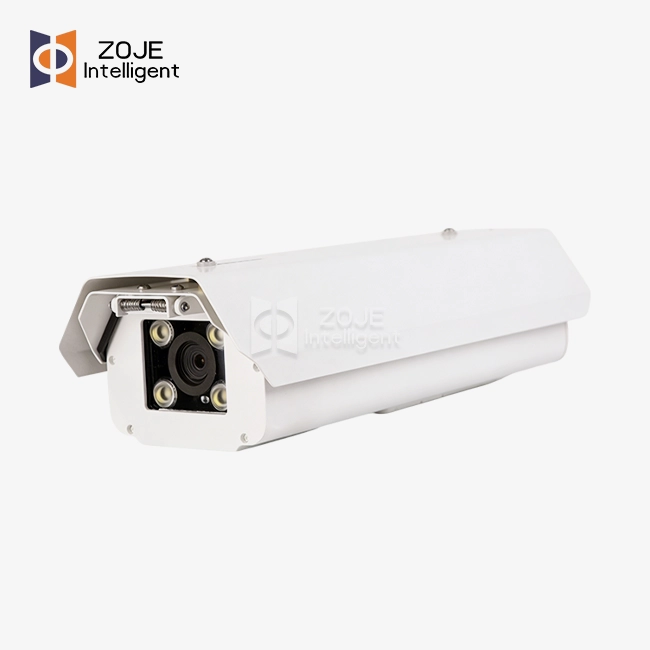
Regular upkeep ensures cameras, payment stations, and software continue to function optimally. Dust, wear, and outdated software can reduce system accuracy and reliability. ZOJE-LPR216’s low-maintenance, weatherproof design simplifies repairs, lowers ongoing costs, and maintains consistent performance in diverse conditions.
Future-Proofing Strategies Protect Technology Investments
Parking systems must adapt to evolving IoT standards, payment methods, and smart city initiatives. Open protocols, API support, and flexible hardware/software customization prevent obsolescence, safeguard initial investments, and allow growth. ZOJE’s OEM/ODM partnerships enable infrastructure to evolve alongside changing business needs.
Conclusion
Automated Parking Fee Collection System technology cuts operating costs in a way that changes the economics of parking in a wide range of building types. By getting rid of traditional processes that require a lot of work, these systems cut hiring costs by 60–80% while also making transactions more accurate and customers happier. The ZOJE-LPR216 is an example of how current ANPR technology can achieve 99% recognition accuracy with front-end processing that works reliably even when the network is down. Automation not only saves time and money right away by cutting down on labor, but it also allows facilities to grow without having to pay more, which creates long-term business models that human operations can't match. Implementation problems related to integrating old systems and adapting the workforce can be solved with careful planning and thorough training. There is strong proof that parking garages that invest in good automation systems get their money back within two years and set themselves up for long-term competitive edge in markets that are becoming more and more technology-driven.
FAQ
1. How do automated parking systems integrate with mobile payment applications?
Modern parking lots have APIs that mobile apps can use to get price information, start payments, and get proof when the fees have been successfully cleared. To find their parking session, customers read QR codes at payment stations or put their license plate numbers into apps. The application talks to payment providers to authorize credit cards and then lets the parking system know that payment was made. With this connection, customers can pay from their cars before they get to the exit gates, so there are no lines at all when they leave.
2. What ongoing maintenance costs should facilities budget for automated systems?
Maintenance costs each year are usually between 8 and 12 percent of the starting cost of the system. These costs cover regular checks, replacing parts, software updates, and technical assistance. This is better than human processes, where the cost of labor alone each year is equal to or higher than the cost of buying an automation system. Specific upkeep needs depend on the type of machinery, its surroundings, and how often it is used. Premium systems, like ZOJE's goods, focus on durability and ease of service to reduce the amount of upkeep needed over time and ensure uniform performance.
3. How do facilities compare pricing across different automated parking system suppliers?
To make a full comparison, you need to look at the total cost of ownership instead of just the price of buying the tools. Costs for installation, warranties, upkeep agreements, software licensing, payment handling fees, and ways to get upgrades should all be looked at. Asking for specific quotes that list these parts by item makes it possible to compare vendors accurately. Also, looking at how stable the supplier is, how good their technical help is, and how much they can customize shows differences in long-term value that the original price doesn't show.
Partner with a Trusted Automated Parking Fee Collection System Manufacturer
ZOJE offers state-of-the-art parking automation systems made just for airports, shopping malls, apartment complexes, office buildings, and business parking lots all over the United States. Our ZOJE-LPR216 system has 99% detection accuracy and can work without a network connection, so service will not be stopped no matter what the network conditions are. We offer complete solutions with two-year warranties and quick delivery times. Our services are backed by ISO 9001:2015 approval, full customization of hardware and software, and 24/7 global expert support. Our experienced team will help you with your project from the first meeting all the way through long-term operation, whether you need standard configurations provided in 5–7 days or customized solutions that take 10–15 days. Email our engineering team at info@zoje-tech.com to get thorough product demos, project quotes, and advice from experts. Visit zoje-parking.com to learn more about how working with a dependable Automated Parking Fee Collection System provider can change the way you run your parking lot, save you money, and make the customer experience better.
References
1. International Parking Institute (2022). "Emerging Technologies in Parking Management: Cost-Benefit Analysis of Automation Systems." IPI Research Report Series.
2. Johnson, M. & Chen, L. (2021). "Labor Cost Reduction Through Parking Automation: A Longitudinal Study of North American Facilities." Journal of Transportation Economics, Vol. 48, No. 3, pp. 287-312.
3. National Parking Association (2023). "State of the Parking Industry: Technology Adoption and Operational Efficiency Trends." Annual Industry Survey Results.
4. Rodriguez, S. (2022). "License Plate Recognition Technology: Accuracy, Reliability, and Implementation Best Practices." Transportation Technology Review, Vol. 15, No. 2, pp. 156-174.
5. Williams, T., Anderson, K., & Park, J. (2021). "Total Cost of Ownership Analysis: Automated vs. Manual Parking Fee Collection Systems." Facility Management Quarterly, Vol. 39, No. 4, pp. 421-445.
6. Zhang, W. & Thompson, R. (2023). "Smart Parking Infrastructure: Integration Strategies for IoT and Cloud-Based Management Platforms." International Journal of Intelligent Transportation Systems, Vol. 21, No. 1, pp. 78-96.

Send Inquiry
You may like


Related Industry Knowledge
- Tempered Glass Full-Height Turnstile Materials & Safety
- What Is Barrier Gate For Parking Lot? Overview Guide
- High-Speed Access Control Turnstile Gate Features
- OEM Tempered Glass Full-Height Turnstile Guide
- Top Benefits of Tempered Glass Full-Height Turnstile Systems
- What Is an LPR Server for 24/7 License Plate Recognition?
- How Barrier Gate For Parking Lot Controls Traffic?
- Best Automatic Parking Barrier Gate for High Traffic
- Top Outdoor ANPR Cameras Built for Harsh Parking Conditions
- What Is a High Accuracy LPR Parking System? Complete Guide