
Top Outdoor ANPR Cameras Built for Harsh Parking Conditions
2026-04-14
When managing high-traffic parking facilities exposed to extreme weather and challenging lighting, selecting the right Robust ANPR Camera for Outdoor Parking becomes mission-critical. These specialized devices differ fundamentally from standard surveillance cameras by integrating edge-based Optical Character Recognition technology with industrial-grade construction. They deliver consistent license plate capture accuracy exceeding 99% regardless of rain, fog, glare, or night conditions. Outdoor ANPR solutions serve as the intelligent foundation for ticketless parking systems in shopping malls, airports, residential complexes, office parks, and commercial parking lots across the United States. Understanding their technical capabilities and environmental resilience helps procurement teams make informed decisions that protect revenue integrity and operational continuity.
Understanding the Challenges of Outdoor ANPR Cameras in Harsh Environments
When parking lots use license plate recognition technology outside, they run into some unique problems. Environmental factors are always testing how reliable and accurate a system is.
Weather-Related Performance Degradation
Rain, snow, fog and dust significantly reduce ANPR accuracy by distorting infrared and visible light. Water droplets scatter signals, snow blocks vision, and fog limits recognition distance. Dust and pollen gradually obscure lenses. Without specialized coatings and weatherproof design, standard cameras lose reliability in outdoor environments.
Complex Lighting Scenarios
Parking environments experience extreme lighting changes, including sun glare, headlight contrast at night, and rapid indoor–outdoor transitions. Mixed lighting in garages also disrupts auto white balance. These conditions require adaptive exposure and robust imaging systems such as a Robust ANPR Camera for Outdoor Parking.
Physical Durability Requirements
Outdoor systems must withstand extreme temperatures, corrosion, and vandalism. Thermal cycling, salt exposure, and impact risks require IP67 protection, IK10 resistance, and corrosion-proof materials. Heating, cooling, and sealed housings ensure stable operation across harsh climates and long-term deployment reliability.


Core Features to Look for in Robust Outdoor ANPR Cameras
To choose the right tools, you need to look at its specific technical features that directly address environmental problems.
High-Precision Recognition Technology
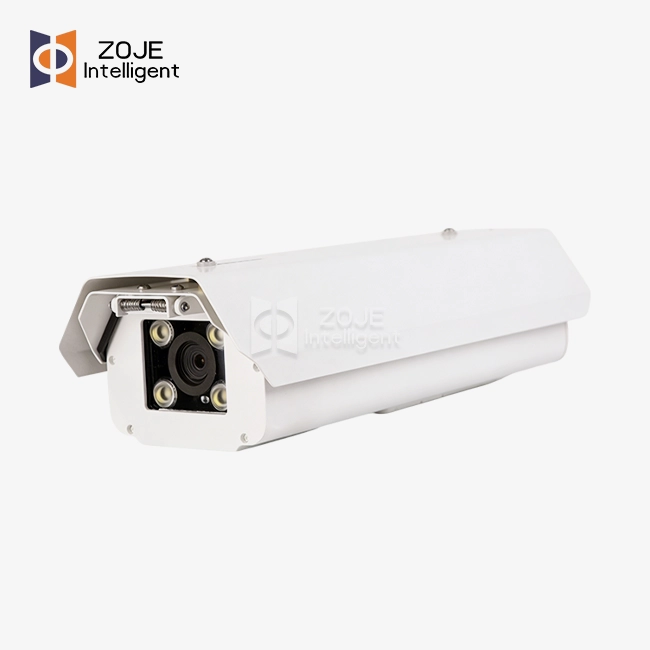
AI-based license plate recognition uses deep learning trained on millions of samples to handle occlusion, dirt, and variations. Edge computing enables offline processing and low latency. Systems like ZOJE-LPR216 achieve 99% accuracy and support 0–40 km/h traffic with 70-degree wide coverage for flexible deployment.
Weatherproof and Vandal-Resistant Construction
Industrial-grade housings with IP67 sealing, anti-corrosion coatings, and IK10 impact resistance ensure durability. Heating and cooling systems maintain stable operation in extreme temperatures, while secure mounting prevents tampering and extends service life in outdoor environments.
Advanced Night Vision and Lighting Adaptation
Infrared 850nm LEDs, global shutter sensors, and Wide Dynamic Range (>120dB) enable accurate imaging in low light and high contrast scenes. Real-time exposure adjustment ensures clear recognition under headlights, shadows, rain, or snow across 24/7 operations.
Top Outdoor ANPR Solutions for Demanding Parking Applications
When looking at market choices, you have to compare technical specs to the real-world operating needs that different types of facilities have.
Specialized Features for Commercial Environments
Retail and airport systems require high-throughput recognition integrated with payment platforms for ticketless exits, which is supported by a Robust ANPR Camera for Outdoor Parking designed for stable performance in demanding environments. Accurate detection directly impacts revenue capture. Airports also need multi-class vehicle recognition, cloud-based centralized management, and real-time reporting across facilities.
Residential and Office Deployment Considerations
Residential systems prioritize low visibility, whitelist access, and offline reliability. Office deployments use vehicle classification for automated access control and integrate with building security systems for seamless entry and monitoring without physical credentials.
Industrial and Logistics Parking Requirements
Logistics environments require recognition of trucks, trailers, and non-standard plates. High-mounted cameras improve visibility, while vibration resistance and rugged design ensure stability in harsh, high-impact industrial conditions.
Best Practices for Procurement and Installation Success
Strategic planning during the selection and rollout stages stops operating problems that cost a lot of money and makes sure that the investment gets the best return possible.
Defining Operational Requirements
System design should be based on traffic volume, peak load, environmental conditions, and infrastructure constraints. Integration compatibility with APIs and payment systems must be defined early. Platforms like ZOJE-LPR216 support flexible integration through open interfaces.
Strategic Installation Planning
Proper camera height, angle, and placement are critical for accuracy. Multi-camera redundancy improves reliability, while infrastructure planning ensures stable power, weatherproof cabling, and secure networking. Sunlight direction and seasonal changes must also be considered.
Vendor Evaluation and Procurement Strategy
Vendor selection should include technical capability, global support, and lifecycle service. ZOJE provides 24/7 support, annual onsite visits, ISO certification, and 5–15 day delivery cycles. OEM/ODM customization and flexible logistics improve deployment efficiency and scalability.
Maintenance Strategies for Long-Term Performance
Proactive maintenance keeps recognition accuracy high and extends the life of equipment, which protects capital investments and keeps operations running smoothly.
Routine Inspection and Cleaning Protocols
Setting up regular repair plans stops performance from slowly getting worse over time. Cleaning your lenses once a month gets rid of the dust, pollen, and other outdoor pollutants that build up on the protected glass surfaces. Scratching anti-reflective surfaces or breaking weather seals can be avoided by using the right cleaning products. By checking the soundness of the housing, problems like loose mounting hardware, broken cable entries, or damaged gaskets can be found before they become total fails. Seasonal repair takes care of problems that come up in the surroundings. Before winter, checks make sure that the heating element works and that the drainage ports are clear so that ice doesn't build up. As part of getting ready for summer, check the operation of the cooling system and any shade structures that lower temperature stress. Coastal sites need to have their rust checked and protected coatings reapplied more often to counteract the effects of salt exposure.
Software Updates and System Optimization
Firmware changes include security fixes and better recognition algorithms that keep the system working well in a Robust ANPR Camera for Outdoor Parking. The ZOJE-LPR216 design allows for remote software changes that don't need technicians to come to the site. This lowers the cost of servicing and keeps operations running as smoothly as possible. As areas change license plate designs or add new car classes, the database is regularly updated to include more recognized plate formats. Analytics tools used for performance tracking can spot falling recognition rates before they have an effect on operations. Tracking metrics like missed reads, false positives, and processing delays show when hardware problems or changes in the surroundings need to be fixed. By changing the camera's settings based on changes in seasonal lighting or traffic patterns, accuracy can be improved without having to change the equipment itself.
Repair Economics and Replacement Planning
When equipment breaks down, cost-benefit analysis tells us whether fixing it or buying a new one is a better deal. Modular designs that let you change parts increase the useful life by limited repairs to broken sections instead of replacing the whole camera. Long-term running costs and system uptime rates are affected by the availability of spare parts and networks of local repair technicians. When planning for strategic replacement, cycles of technical progress and depreciation plans are taken into account. If you installed equipment five to seven years ago, it might not have the latest recognition or integration methods, which is why you should improve it instead of just maintaining it. When planning a budget, it's important to include replacement funds that allow for technology refresh cycles without causing operating budgets to be impacted by unexpected costs.
Conclusion
When choosing the right outdoor ANPR technology, you have to weigh the technology's powers against the challenges of the climate and the unique needs of each parking garage, making a robust ANPR Camera for Outdoor Parking a key consideration. Strong ANPR cameras made for tough environments can reliably read license plates even in extreme weather, changing lighting, and physical stresses that stop other surveillance equipment from working. Edge-based processing, weatherproof construction, adaptable lighting technology, and advanced recognition algorithms are some of the features that make sure the accuracy is the same in all kinds of places, like shopping malls, airports, apartment complexes, office parks, and business parking lots. Strategic procurement that takes into account vendor support skills, integration flexibility, and long-term upkeep needs saves capital investments and allows for growth that can be scaled up. Regular repair keeps systems running well and makes equipment last longer, which maximizes return on investment over multiple deployment rounds.
Frequently Asked Questions
1. How do outdoor ANPR cameras maintain accuracy during heavy rain or snow?
Modern systems use a special kind of infrared light with a frequency of 850nm that can go through rain better than visible light. Ultra-wide dynamic range sensors make sure that exposure is equal on both wet and dry plate surfaces. Also, neural network recognition algorithms that were trained on pictures that had been damaged by weather are able to identify characters even when water or snow has accumulated. When it's cold outside, heated camera housings keep the protection glass from freezing, so the optical lines stay clear.
2. What integration capabilities should we expect with existing parking management systems?
Professional Robust ANPR Camera for Outdoor Parking equipment supports RESTful, JSON, and ONVIF standards through open API protocols, which makes it easy to share data with other programs. Wiegand outputs let you connect directly to older access control systems, and TCP/IP networking lets you connect to current cloud-based parking services. The ZOJE-LPR216 has a lot of secondary development choices that let you integrate it with your own management systems in a way that doesn't lock you into one provider.
3. How does offline operation protect revenue during network outages?
Edge computing design saves whitelists of approved vehicles locally in camera memory. This lets cameras make decisions about who can access them without talking to a backend server. When the network goes down, transaction logs are stored on internal SD cards. When the connection is restored, the central databases are instantly brought up to date. This design keeps businesses from losing money on lost sales and keeps customers from getting angry when gates don't work when the internet goes down.
Partner with ZOJE for Dependable Parking Management Solutions
ZOJE specializes in making high-performance outdoor ANPR cameras that are made to work in tough parking situations. Our ZOJE-LPR216 model has 99% recognition accuracy and front-end processing that doesn't depend on the network. This means it can work seamlessly in business, home, and industrial settings. We can completely customize everything for you, from making changes to the hardware to making new software that fits your needs. As an experienced provider of Robust ANPR Camera for Outdoor Parking, we offer full support from the original consultation to long-term upkeep. Our help is backed by 24/7 global expert service and a two-year warranty. Get in touch with our team at info@zoje-tech.com to talk about your unique parking management problems and get a custom solution proposal with low bulk price.
References
1. International Parking & Mobility Institute (2023). "Technical Standards for Automated License Plate Recognition in Commercial Parking Facilities." IPMI Industry Guidelines, Volume 12, pp. 34-67.
2. Zhang, H., & Kumar, P. (2024). "Performance Evaluation of Deep Learning ANPR Systems Under Adverse Weather Conditions." Journal of Intelligent Transportation Systems, Vol. 28, No. 2, pp. 145-162.
3. National Parking Association (2023). "Best Practices for Outdoor ANPR Camera Deployment in Multi-Level Parking Structures." NPA Technical Report Series, Publication No. 2023-08.
4. Morrison, R., & Chen, L. (2024). "Comparative Analysis of Edge Computing vs. Server-Based License Plate Recognition Architectures." IEEE Transactions on Intelligent Vehicles, Vol. 9, No. 1, pp. 223-238.
5. European Parking Technology Council (2023). "Environmental Durability Standards for Outdoor Automatic Number Plate Recognition Equipment." EPTC Technical Specification Document, Version 3.2.
6. Williams, T., Garcia, M., & Anderson, K. (2024). "Economic Impact Assessment of Ticketless Parking Systems Using ANPR Technology in Large Commercial Facilities." Transportation Research Part C: Emerging Technologies, Vol. 159, pp. 104-121.

Send Inquiry


Related Industry Knowledge
- Traffic Control Barrier Gate Features and Design
- OEM Anti-Tailgating Turnstile Supplier Guide
- Space-Saving Turnstile Design and Structural Features
- Waist-high Tripod Turnstile Benefits for Public Areas
- What Is Unattended Full-Height Turnstile? Security Guide
- How High-Speed Access Control Turnstile Gate Works?
- Where to Buy License Plate Recognition Systems Online?
- How to Deploy Urban License Plate Recognition System Efficiently?
- Benefits of Intelligent Parking Systems for Urban Traffic & Sustainability
- What Is a Regional ANPR System and How Does It Work?