
Traffic Control Barrier Gate Features and Design
2026-06-03
Parking managers at retail malls, airports, apartment complexes, office buildings, and commercial lots must consider traffic control barrier gate features and design. Modern entrance controls include the motorized Automatic Rising Straight Arm boom barrier. For high-traffic locations, it offers sophisticated safety features, a sturdy build, and smart connection. These walls balance speed, safety, and dependability and may be adapted to varied climates and integration demands. When buying teams realize what makes professional-grade auto access systems distinct, they can purchase technology that cuts costs, increases security, and improves user experience in many commercial situations.
Understanding Automatic Rising Straight Arm Boom Barriers
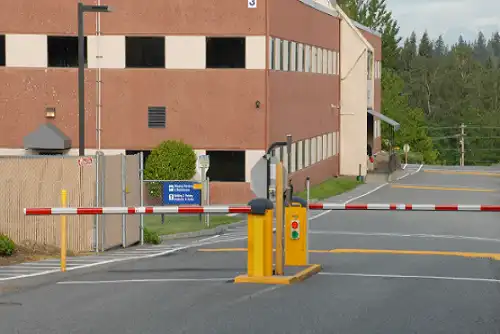
The Automatic Rising Straight Arm Boom Barrier reliably controls vehicle traffic in businesses. Mechanical precision meets digital intelligence. This barrier system has multiple interconnected sections that work together to block automobiles.
Core Components and System Architecture
The boom arm is constructed of light, strong aluminum alloy and spans the traffic lane. Steel frame protects lifting mechanism, and precise motor drives it through bent crank arm three-link construction. This construction method uniformly distributes force during operation, reducing mechanical stress and extending part life. The control screen is the system's brain, processing data from built-in sensors and acting on pre-programmed logic or parking management platform inputs.
Operational Principles and Mechanism
It relies on coordinated sensor detection and muscular activation. The control unit receives signals from sensors like electrical loops buried in the ground, infrared beams, or license plate cameras when a licensed automobile approaches. The motor lifts the straight arm from horizontal to vertical clearance by turning the bent crank mechanism. Facility managers may adjust the flow based on traffic volume and security demands with 1.5 to 6 seconds of speed. After the automobile passes and sensors indicate ample distance, the arm effortlessly closes, ready for the next turn.
Variants for Different Applications
Barriers can be put up in many ways based on company demands. Normal everyday quantities can be handled quickly and efficiently by standard models. Toll plazas with rush-hour traffic benefit from fast-opening models that prioritize flow. Energy-efficient models employ brushless motors and improved control algorithms to save electricity. This matters for managing several entry points in large structures. These variants can help companies obtain equipment that meets their needs without paying extra for features or worse performance.
Key Features and Benefits of Automatic Rising Straight Arm Boom Barriers
Professional-level automobile access systems improve facility security, efficiency, and cost of ownership. To demonstrate these benefits, the ZOJE Automatic Rising Straight Arm Boom Barrier was conceived and manufactured with essential characteristics in mind.
Advanced Safety Technology
Traffic regulation is all about safety. Multi-layered triple anti-crushing protection prevents tool crashes and damage. Device pressure-sensitive sensor monitors motor torque continuously. If a car, person, or object unexpectedly blocks the descending arm, the control system adjusts course and elevates the arm to prevent an accident. Infrared photocells provide invisible detecting zones. These zones trigger automatic reverse before touch. Multiple layers of protection reduce liability and safeguard automobiles and tools.
Tamper warnings detect unauthorized efforts to directly modify the barrier, adding another degree of protection. Any unusual movement alerts security workers to potential security breaches. The manual release mechanism enables authorized staff operate the motor wheel device to move the barrier during power outages, controlling access. When power is restored, the system resumes regular functioning without manual calibration.
Durability and Environmental Resilience
Commercial equipment faces demanding circumstances that test material strength and functionality. The metal boom arm remains structurally sound and smooth in temperatures from -35°C to 80°C. This temperature stability is crucial for outdoor settings in harsh winters and scorching summers. The steel enclosure shields the electronics and mechanical parts from water, dust, and tiny strikes.
Weatherproof structures last longer and require less maintenance. When exposed to salty air near the coast, factory pollution, or UV damage from constant sun exposure, powder-coated finishes don't rust. This dependability lowers total cost of ownership as replacement cycles lengthen and unplanned downtime decreases.
Operational Efficiency Advantages
The rising straight arm design has several advantages over human gate systems and moving arm barriers that make facility management easier. The vertical lifting movement requires little side space, therefore it may be fitted where swinging devices cannot. Because automated barriers let automobiles through faster than humans, rush-hour lineups are much shorter.
Since automated systems eliminate the need for entrance point personnel, less effort is required. Staff may handle errors, serve customers, or monitor security instead of operating the gate repeatedly. The continuous operation reduces errors and ensures entry criteria are followed regardless of crew or time. Over the life of the system, efficiency advantages across several entry points add up to considerable cost savings.
Comparison and Selection Criteria for Automatic Rising Straight Arm Boom Barriers
You must consider performance, compatibility, and supplier reliability while choosing an Automatic Rising Straight Arm Boom Barrier system. Knowing how various designs operate in different contexts helps procurement teams make better business decisions.
Rising Arm versus Swinging Arm Configurations
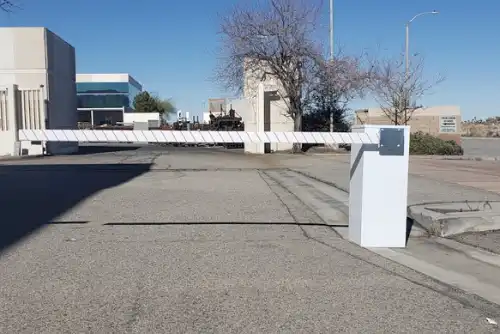
Rising arm and swinging arm fences differ mostly in movement and space requirements. Vertical arm barriers don't take up much space close to the traffic lane. This design works well in tiny driveways, near buildings, or with restricted side space. A circle of swinging arms requires space on one or both sides of the lane due to horizontal pivoting.
Combinations have distinct speed problems. Rising arm systems usually have faster cycle times because the arm moves over a shorter path and the bent crank mechanism offers it a mechanical edge throughout the motion range. Swinging arms travel in greater circles over wide channels, prolonging opening and shutting. However, one-arm swinging arms can operate with longer lengths. However, raising large lanes may need telescoping booms.
Critical Performance Parameters
Traffic and user experience depend on opening quickness. Set the range from 1.5 to 6 seconds to suit your needs. In high-security regions, slow speeds that allow vehicle inspection and reduce tailgating may be prioritized. Business parking lots require faster turn speeds to avoid long lines when many people arrive and depart. The ability to adjust pace without buying new equipment offers operations flexibility as their use varies.
Sensor integration affects how the barrier reacts to cars and works with bigger entrance control systems. Modern systems can employ many sensors simultaneously. For instance, magnetic loops may identify cars, infrared beams can prevent crushing, and radar sensors can detect presence. License plate readers provide touchless access. Vehicles pass without cards, tickets, or human touch since they are quickly identified.
Interoperability between smart systems dramatically expands operations. Cloud connectivity enables you monitor and control several barriers from a single location. Integrating Bluetooth, ETC, and LPR technologies allows the system function without supervision, reducing personnel expenses while maintaining security criteria. The barrier connects to parking management software via wire control interfaces, making it part of a facility management system.
Evaluating Manufacturers and Suppliers
Globally, several well-known firms provide varied levels of quality, support, and knowledge. Video security professionals like Hikvision and Dahua provide integrated, camera-based access control solutions. FAAC and Nice had automated gates for decades with reliable mechanical systems in European markets. Kapsch specializes in high-volume, quick toll collecting systems.
Source warranty terms reflect how confident the maker is in product quality. Standard warranties span 12–24 months, however more costly devices have longer warranties. The ZOJE barrier system has a 2-year warranty and 24/7 online technical assistance. Remote support within 30 minutes shows that the organization cares about consumers and product stability. Lifelong maintenance support ensures you may access spare parts and skilled aid as long as the equipment is used.
Customer satisfaction is generally more correlated with after-sales service than product specs. Suppliers who provide local expertise, readily available replacement parts, and preventative maintenance programs reduce downtime and operating disturbances. Timelines for delivery, the flexibility to adjust agreements, and terminologies like DDU or DDP all determine how lengthy and expensive a project is to land, especially when buying abroad. ZOJE produces regular items in 5–7 days and unique solutions in 10–15 days. Their well-functioning supply chain keeps projects on time.
Installation, Maintenance, and Troubleshooting Best Practices
How effectively an Automatic Rising Straight Arm Boom Barrier is installed and maintained affects its reliability, lifespan, and consistency. Following planned protocols eliminates commissioning issues and ensures equipment performance for as long as possible.
Site Preparation and Installation Protocol
Assessing base demands and power access is the initial site preparation stage. Installation must be sturdy enough to support barrier housing. This generally involves a concrete base with anchor bolts. Electrical tubing should protect power and control lines from weather and traffic. Install the boom arm so that its swing radius doesn't contact anything above it and the sensors are placed so that automobile identification coverage is complete without blind spots.
Assemble the pieces as instructed, paying careful attention to the bent crank arm and spring tension. Uneven tension can cause motor stress, uneven pulling, and early part wear. Wire control links must meet signal standards to interact with parking management systems and maintain signal integrity over extended cable distances. To ensure all operations operate, testing should involve multiple full rounds of manual operation, sensor activation, and emergency stop activation before commissioning.
Preventive Maintenance Procedures
Regular inspections are key to preventative maintenance. Visually inspect the boom arm, housing, and attachments for damage. By lubricating pivot points and moving connections, you reduce friction that makes the motor work harder and wear out quicker. Cleaning photocells and sensors is vital for reliable detection since dust or spider webs can block infrared light and create false triggers or failing detection.
In firmware upgrades, manufacturers often improve speed, security, or integration. Setting up frequent modifications during low-traffic times lets systems benefit from improvements without disrupting operations. Safety elements like anti-crushing detection and emergency stop reaction are tested to ensure they perform. Making service history records of maintenance procedures might help you uncover recurring issues and support guarantee claims if a part breaks.
Common Issues and Solutions
Broken sensors are the most typical operating issue. Error, blockage, or electrical interference can cause this. Troubleshooting begins with checking that the sensors are powered and that the detecting zones are clear. Realigning photocells or altering inductive loop sensitivity usually fixes sensing issues without replacing equipment.
Slow operation, jerky movement, and missed shots are signs of motor issues. These indicators generally indicate that the mechanical parts are sticking together due to lack of lubricant, spring tension, or motor capacitor deterioration. You can detect if the machine has mechanical or electrical drive issues by making sure it runs smoothly by hand while the motor is off. Control system faults can result from software defects, poor setup, or communication issues. Stopping and starting the control unit often cures short-term issues. Restoring settings or updating firmware may fix long-term issues.
Procurement and Supply Chain Insights for B2B Buyers
Finding reliable Automatic Rising Straight Arm Boom Barrier equipment requires traversing supplier networks, evaluating technical requirements, and ensuring lifetime support. Strategic procurement reduces project risk and increases its value.
Supplier Networks and Authorized Dealers
US and European markets provide many protection system purchase options. Working directly with a manufacturer lets you access all their goods, make improvements, and gain research team support. Authorized vendors and wholesalers supply their own regions, reducing wait times and simplifying guarantee servicing. Check vendors' authorization status to ensure you obtain legitimate items with warranties.
For large construction projects or multi-site deployments, bulk purchases can reduce unit costs. For a complete cost estimate, get tailored prices that include installation, lengthier warranties, and ongoing maintenance. ZOJE customizes hardware and software and works with OEMs and ODMs to provide market-specific solutions. Building management organizations who wish to standardize across several buildings and security suppliers producing ready-to-use systems benefit from this adaptability.
Logistics and Delivery Considerations
Delivery plans affect project durations and launch dates. Standard items supplied in 5–7 days perform effectively for projects with tight deadlines or equipment replacement. Customized solutions that take 10–15 days may simply adjust boom length, control panel settings, and housing finish. Combining arrival schedules with installation team availability and site preparedness saves money on storage and protects equipment from improper storage.
Logistics management is crucial when buying abroad. Shipping options like sea freight for low prices or air freight for speed affect delivery cost and time. Who pays shipping, clearance taxes, and delivery risk is obvious from trade contracts. DDU (Delivered tax Unpaid) buyers pay customs taxes. All expenses are covered until the items are delivered in DDP terms, making planning and administration easy.
Support Services and Partnership Value
Warranty coverage pays for manufacturing defects and premature part failure. To avoid surprises when issues arise, know what the guarantee covers (parts, labor, and travel charges) and how to make a claim. Professional installation services ensure correct system setup and may be needed to maintain the warranty. When problems arise outside of business hours, technical support, especially 24/7, reduces downtime.
ZOJE meets with customers worldwide once a year to discuss product performance, evolving demands, and market developments because it cares. This proactive participation strengthens partnerships and ensures that solutions satisfy corporate objectives when locations alter or increase security demands. The company's ISO 9001:2015 accreditation and several technological patents demonstrate its commitment to quality management and innovation, which builds better, longer-lasting products for consumers.
Conclusion
Traffic control barrier gates should be chosen based on design, performance, and vendor reliability. This Automatic Rising Straight Arm Boom Barrier restricts vehicle access in many ways due to its various working speeds, sturdy construction that can tolerate high temperatures, and clever safety features like three crushing protection layers. Integration with LPR, ETC, and Bluetooth devices allows the system to function unattended and connect to parking control systems. People should consider both the product's immediate and long-term performance before buying. To maintain company excellence, long-term support comprises warranty coverage, expert aid, and provider partnership quality.
FAQ
1. What operational advantages do automatic barriers provide compared to manual systems?
Automated barriers eliminate gatekeepers, saving money and ensuring access control compliance. Once cycle times reduce to seconds instead of minutes for human inspections, throughput increases greatly. The system logic follows the rules consistently, so sleepiness and other conditions do not alter decisions, reducing errors.
2. How frequently should maintenance be performed to ensure reliability?
Monthly sensor cleaning and damage inspections are needed. Ensure moving parts are lubricated and functional every three months. Annual professional repair should evaluate motor performance, calibrate sensors, and update firmware. Installments with over 1,000 daily rotations may need extra maintenance to perform well.
3. Can these barriers integrate with license plate recognition systems?
Modern barrier systems operate well with LPR platforms due to standard transmission mechanisms. The control panel opens the barrier instantly when the identification software authorizes it. With touchless access control, this interface speeds up transactions and improves user experience while retaining complete input records for billing and security.
Partner with ZOJE for Your Rising Straight Arm Boom Barrier Solutions
ZOJE controls entire truck entrance with Automatic Rising Straight Arm Boom Barrier for sale. This barrier was made for harsh industrial environments. As an experienced Automatic Rising Straight Arm Boom Barrier manufacturer, we offer variable speeds, high temperature stability, and three safety mechanisms to prevent crushing. The 2-year warranty and 24/7 technical help back this up. Our staff provides 30-minute remote support and lifelong maintenance to keep the facility working properly. Discuss your access control needs with our specialists at info@zoje-tech.com for a customized estimate. Our systems are made for US retail malls, airports, apartment complexes, office buildings, and commercial parking lots.
References
1. Transportation Research Board. Access Management Manual, Third Edition. National Academies Press, 2021.
2. International Parking & Mobility Institute. Emerging Technologies in Parking Management. IPMI Professional Development Series, 2022.
3. American Society of Civil Engineers. Standard Practice for Automated Vehicle Identification Systems. ASCE Publications, 2020.
4. Institute of Transportation Engineers. Parking Generation Manual, Fifth Edition. ITE Technical Publications, 2019.
5. Building Owners and Managers Association International. Security and Access Control Best Practices for Commercial Properties. BOMA Research Foundation, 2023.
6. National Institute of Standards and Technology. Physical Access Control Systems: Technical Guidelines. NIST Special Publication Series, 2021.

Send Inquiry
You may like


Related Industry Knowledge
- How barrier radar sensors prevent injury accidents?
- How Automatic Pay Kiosk for Commercial Parking Projects Improves Parking Management
- How Parking Management Barrier Gate Works Efficiently?
- How Fast Access Boom Barrier Improves Efficiency?
- How Anti-Collision Flap Turnstile Gate Works Safely?
- Is Fast Access Boom Barrier Suitable for High Traffic?
- Best Waist-high Tripod Turnstile for Entry Control
- Best Automatic Parking Barrier Gate for High Traffic
- How to Customize Localized Plate Recognition for Regional License Plates?
- What Is a Parking Management Camera and How Does It Work?