
How Automatic Pay Kiosk for Commercial Parking Projects Improves Parking Management
2026-06-10
An Automatic Pay Kiosk for Commercial Parking Projects completely changes how parking works by getting rid of the need for people to pay by hand and letting money be collected 24 hours a day, seven days a week. These self-service stations make it easy for drivers to pay their tolls quickly before getting back to their cars. This makes exit gates much less crowded during rush hours. By letting users pay with cash, credit cards, and QR codes, among other methods, these tools make things easier for users while also lowering costs and keeping money in the bank through safe, encrypted transactions.
Understanding Automatic Pay Kiosks in Commercial Parking
These days, parking lots need better ways to deal with more people using them and more complicated price systems. Self-service payment booths have become the norm for businesses that run parking lots.
Core Technology and System Architecture
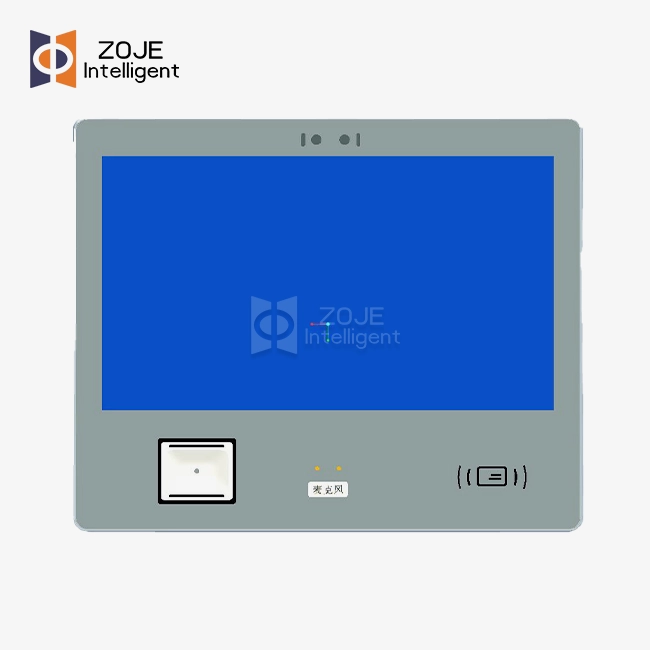
The technology behind automatic parking payment systems is a mix of tough hardware and smart software interaction. These units have industrial-grade touchscreens that are very bright so that they can be seen in a variety of lighting situations. The stable Android 4.0 operating system makes it possible to process transactions, and the modular design makes upkeep and updates simple.The most important part of the system is its ability to handle payments. ZOJE's kiosk accepts a wide range of payments thanks to special coin and note readers that can also recycle coins and bills. This means that cash collectors don't have to go out as often to get cash. The ticket printer confirms the transaction right away, and the EMV-certified card readers make sure that PCI-DSS rules are followed for safe credit card processing.
Multilingual Support and User Interface Design
Multilingual, easy-to-use platforms are good for parking lots that serve a wide range of people. The touchscreen screens help people pay in the language they choose, which cuts down on confusion and processing times. The ability to read QR codes lets you accept mobile coupons from store tenants or proof of pre-bookings, which gives you more options for setting fees.
Integration with Parking Management Ecosystems
TCP/IP protocols make it easy for modern kiosks to connect to license plate recognition systems and central control tools. This integration lets data be synchronized in real time, which lets workers keep an eye on deals, change prices on the fly, and make detailed financial reports from afar. When the network goes down, the system saves transactions locally and syncs data immediately when the connection comes back on to keep money coming in.
Benefits of Automatic Pay Kiosks for Parking Management
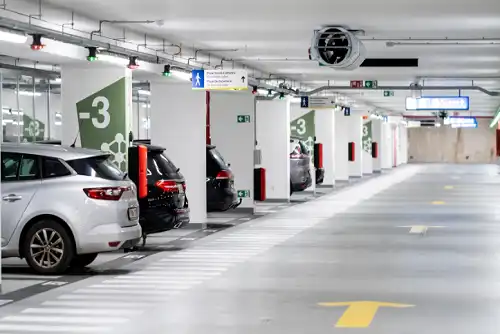
Parking lots in shopping malls, airports, neighborhoods, office buildings, and stand-alone parking lots all see measured changes after putting in place self-service payment systems.
Enhanced Operational Efficiency
When cars pay before they get to the exit gates, traffic flow is greatly improved. The Automatic Pay Kiosk for Commercial Parking Projects handles deals in seconds, which lets more cars get through during rush hours. Users can choose from a number of payment methods that don't need help from staff, and the system automatically figures out complicated fee structures like time-based rates and validation discounts. Operational data shows that a lot of time is saved. Shopping malls say that during the busiest buying days on the weekends, people leave the mall 40% faster on average, while airports can handle 30% more cars per hour without adding more exit lines.
Substantial Cost Reduction
Unsupervised operation cuts labour expenses significantly. Facilities eliminate several attendant shifts while providing 24-hour service. Using accepted banknotes to create change reduces Cash-in-Transit needs with the bespoke cash recycling system. This closed-loop mechanism delays pickups. Human errors in cash handling and manual computations are gone. This ensures income accuracy. Automatic methods save money on direct labour, staff management, training, and turnover. From several humans to secure automated cash handling equipment, insurance premiums drop.
Improved Revenue Management and Data Analytics
Real-time financial monitoring provides parking operations unprecedented transparency. Management teams may see real-time revenue, transaction, and peak use statistics on centralised dashboards. This data-driven approach lets individuals make appropriate pricing, personnel, and building improvements. Revenue leaks from missing exits or underpayment decrease significantly. The integrated system promptly indicates disparities between entrance and departure data. Validation is explicit and checkable, preventing misuse and keeping customer service flexible.
Superior Customer Experience
Customers expect to access you 24/7 in our always-open economy. Late-night airport travellers and early morning hospital patients get fast assistance without waiting for an aide. Cash, cards, and QR payment applications make items accessible to everyone. The user-friendly interface reduces stress, particularly in healthcare, where patients and visitors prefer uncomplicated procedures during difficult times. Printing a receipt immediately displays payment, easing clients' concerns about the departure gate recognising payment.
Comparing Automatic Pay Kiosks with Other Payment Solutions
When facility managers are looking at different parking payment methods, it's helpful to know how they work in the real world.
Advantages Over Traditional Manual Systems
Manual payment booths need to be staffed all the time, so the cost of labor stays the same no matter how many transactions happen. Automated kiosks can handle as few as one transaction or as many as hundreds per hour without needing more resources. When people do the math for change on manual systems, mistakes can happen. On the other hand, automatic systems always get the math right. Getting rid of the need for multiple staff members to handle cash during different shifts makes security better. When compared to regular cash machines, the Automatic Pay Kiosk for Commercial Parking Projects's contained and watched cash recycling system makes it less likely that someone will steal money. Keeping detailed computer transaction logs instead of paper records makes people more accountable.
Comparison with Mobile-Only Payment Approaches
Mobile apps are useful for tech-savvy users, but they don't work for people who aren't good with smartphones or guests who don't know how to download apps. Kiosks are open to everyone and can serve all types of customers without needing special equipment or planning ahead of time. The best results come from hybrid methods that combine kiosk and mobile choices. Some users use digital wallets to access those functions, while others use more standard ways to pay. This flexibility is especially helpful for airports that handle foreign visitors and mixed-use buildings that house people of all ages.
Evaluating Vendor Capabilities and Product Reliability
Purchasing teams should look at how long gear will last, how well the parts are made, and how well the suppliers' help systems are set up. Industrial-grade building can handle harsh outdoor conditions, and weatherproofing keeps gadgets safe in setups that are left open to the elements. Vandalism-resistant features, such as built-in alarms that go off when someone tries to open the machine from the outside, stop mischief right away and call for security action. Customization options from vendors are very important. With ZOJE's support for OEM and ODM agreements, facilities can change both the hardware setups and the software functions to meet their unique needs. Adding CCTV tracking as an option adds another layer of protection to high-risk areas.
Installation, Maintenance, and Security Considerations
Buying tools is only one part of a successful deployment. The place must also be prepared, serviced regularly, and all necessary safety measures must be taken.
Professional Site Assessment and Installation
When situated properly, kiosks operate better and are simpler to use. Business sites near parking lot walkways save customer travel time. Visibility and weather protection are provided by protected areas. Site checks ensure electrical and network connection devices are available before installation. Professional installers do standard installations fast. ZOJE's technical support ensures proper installation, power connection, and network configuration for facility management system integration. Testing procedures verify payment mechanisms, receipt printing, and alarm features before handing over operations.
Preventive Maintenance and Remote Diagnostics
Long-term reliability requires frequent maintenance of worn parts before they fail. High-capacity cash recyclers must be emptied and replenished often, depending on transaction volume. Management software shows how frequently receipt printer paper is changed. Touchscreens perform best in high-traffic areas when cleaned. Remote diagnostics improves service response. Workers get automated notifications when paper runs out, the cash cassette limit is reached, or a component fails. This tracking allows scheduled repairs before complete failures cease service, reducing unwanted downtime.
Comprehensive Physical and Cybersecurity Protocols
Multiple security layers guard against actual and digital threats. The heavy-gauge steel frame and drill-resistant latches protect cash and parts. Shock-mounted pieces halt hits, and vibration sensors sound silent alarms when tampered with, alerting security guards. Cybersecurity protects payment information during processing. PCI-DSS card readers protect sensitive data against unauthorised access. Data transmitted between kiosks and central computers is protected by protocols. Regular software updates close security flaws, protecting you from new threats.
Procurement and Customization: Choosing the Right Vendor
When choosing the right parking payment tools, you need to carefully consider more than just the initial buy price.
Evaluating Pricing Structures and Total Cost of Ownership
When making a budget, you should include the costs of equipment, installation, ongoing upkeep, and transaction handling fees. Purchase choices give you long-term control, while leasing reduces the amount of money you need up front for big projects across multiple facilities. When figuring out the total cost, you should include how long the product is expected to last, how often it needs to be replaced, and how long expert help will be available. Prices at ZOJE are cheap, and the company's cost models are clear. Standard goods ship within 5 to 7 days, which speeds up project timelines. Customized configurations, on the other hand, usually take 10 to 15 days, which keeps delivery times fair even for unique needs.
Vetting Suppliers and Support Infrastructure
Supply chain qualifications show how reliable and high-quality a product is. Getting ISO 9001:2015 approval shows that you are committed to quality management standards throughout the whole production process. Rather than just reselling goods, patent collections show real progress. Warranty terms show that the company that made the product is confident in its longevity. The global support system makes sure that service is quick and reliable no matter where the building is located. ZOJE offers full professional support 24 hours a week, seven days a week through a variety of platforms. The two-year warranty covers investments, and trained teams that come after the sale offer advice on how to keep things in good shape. ZOJE representatives visit customers once a year to show they are committed to long-term relationships and get direct feedback that helps them make changes to their products all the time.
Customization Options for Specific Operational Needs
Different types of facilities have very different operational needs, so they need to be able to be customized in a number of ways. Customizing software lets you set your own price logic, validation rules, and integration methods that work with your current infrastructure. Hardware changes are made to work with the site's limitations, personal tastes in terms of style, or the need for better usefulness. Shopping malls might put a high priority on renter validation integration, which lets stores give out discount numbers that can be easily processed at payment terminals. Healthcare centers could stress ADA-compliant features like the right mounting heights and voice direction. Airport hubs may need to accept more than one currency and offer more than one language to serve the needs of foreign passengers. ZOJE's many years of OEM and ODM knowledge make it easy to meet all of these different design needs.
Conclusion
The use of electronic payment technology in parking garages has led to huge changes in operations and financial gains. The Automatic Pay Kiosk for Commercial Parking Projects gets rid of traditional delays and gives users a better experience by being available 24/7 and giving them a variety of payment options. Cost savings from less work needed and revenue protection through safe transaction handling make for compelling return on investment timelines. Advanced integration possibilities with current parking management systems protect sites against changes in the way technology is used. Shopping malls, airports, apartment complexes, office buildings, and business parking lots can all have successful long-term implementations as long as they carefully choose vendors that offer proven quality, full support, and the ability to make changes as needed.
FAQ
1. What return on investment timeline should facilities expect?
Most business parking lots get their equipment and installation costs back within 18 to 24 months by saving money on work and not losing money on lost sales. Facilities with a lot of use, like airport hubs, usually have shorter payback times that are closer to 12 months. When doing the math, you should take into account the lost salary of the attendants, the lower costs of managing cash, and the money that was made that was lost because people didn't pay their bills. Long-term effects last as long as the equipment works, which is usually more than 7–10 years with proper upkeep.
2. Can kiosks integrate with our existing parking management system?
Modern payment kiosks use standard transmission methods that make it possible for them to work with most well-known parking control systems. API connection lets you share data, like records of transactions, do validation processing, and get reports in real time. During implementation, ZOJE's technical team works closely with facilities to make sure that the new software or older systems work with the new cloud-based management software without any problems. This keeps the rollout process as smooth as possible.
3. How are payment security and compliance maintained?
Security includes both keeping transaction info safe and keeping cash safe. Card readers that are encrypted and safe data transmission methods make sure that payment card processing meets PCI-DSS standards. When handling cash, sealed recycling devices with multiple locking points and tamper detection are used. Throughout the lifetime of an item, regular security checks and firmware changes keep it safe from new threats.
Partner with ZOJE for Advanced Parking Payment Solutions
To change your parking business, you should start by choosing an experienced automatic pay kiosk maker that offers full help and a track record of reliability. Hong Kong ZOJE Intelligent Technology Co., Ltd. has been in business since 2012 and has more than ten years of experience in parking system engineering. Our factory in Shenzhen makes ISO 9001:2015-certified equipment that is backed by several technical patents. This means that the hardware we make is of high quality and can handle harsh business settings.
We know that delivering tools isn't enough to make a project work. ZOJE offers full project support, including pre-sales advice, custom software and hardware setup, professional installation help, and technical support 24 hours a day, seven days a week. Our delivery plans are flexible enough to handle urgent projects, and basic equipment ships in 5–7 days. Our OEM and ODM services can also be used to meet specific business needs. Get in touch with us at info@zoje-tech.com to talk about how our Automatic Pay Kiosk for Commercial Parking Projects supply solutions can help your business make more money and give customers a better experience. You can see all of our products at zoje-parking.com and ask for more information about the ones you want for your next project.
References
1. National Parking Association. "Automated Payment Systems in Modern Parking Facilities." Parking Industry Research Report, 2023.
2. International Parking Institute. "Technology Integration Standards for Commercial Parking Operations." IPI Technical Guidelines, 2022.
3. American Society of Civil Engineers. "Design Considerations for Automated Parking Payment Infrastructure." ASCE Parking Facility Standards, 2023.
4. Smith, R. and Johnson, L. "Revenue Protection Through Automated Payment Systems in High-Volume Parking Facilities." Journal of Transportation Management, Vol. 34, No. 2, 2023.
5. Transportation Research Board. "Operational Efficiency Improvements from Self-Service Parking Payment Technology." TRB Special Report 328, 2022.
6. Zhou, M. and Williams, D. "Cost-Benefit Analysis of Automated Versus Manual Parking Revenue Collection Systems." Facilities Management Quarterly, Vol. 18, No. 4, 2023.

Send Inquiry
You may like

Related Industry Knowledge
- How barrier radar sensors prevent injury accidents?
- Tempered Glass Full-Height Turnstile Benefits & Design
- How High-Security Full-Height Turnstile Prevents Tailgating?
- How Barrier Gate For Parking Lot Controls Traffic?
- Where to Buy License Plate Recognition Systems Online?
- Top Outdoor ANPR Cameras Built for Harsh Parking Conditions
- Top Self-service Parking Systems for Automated Parking
- What Is a Ticketless Parking Solution and How Does It Work?
- What Is a Parking Management Camera and How Does It Work?
- Integratable Parking Software vs Standalone Systems: Which Is Better?