
How Parking Management Barrier Gate Works Efficiently?
2026-06-03
Every site manager must control automobile access daily. Barrier Gate For Parking Lot is a smart electrical solution that regulates entry and exit and keeps everyone safe. These systems calm traffic with motorized boom arms, complicated control units, and smart sensors. Physical barriers and digital verification technologies like LPR and RFID scanners make modern parking gates reliable. This reduces unlawful access, revenue loss, and operational throughput in high-traffic areas.
Understanding How Parking Management Barrier Gates Work Efficiently
Core Components That Enable Efficient Operation
Every good parking entrance system includes crucial pieces that function together. Barrier arms, generally light metal, block. Behind this visible section is the control panel, which covers a complicated PCB that manages data from several sources. Modern boom arms operate by specific linkage arrangements with steady torque from DC brushless motors. These 200W motors may be tuned to 1.5-second cycles for high-frequency locations or 8-second cycles for residences.
Vehicle Detection and Authentication Process
Sensors activate as an automobile approaches the entrance point. The validation procedure begins when loop detectors report metallic mass. If add-ons are added, LPR cameras may take photographs of license plates, read RFID tags, analyze QR codes, or take human input through voice systems. The control device compares this password to databases or parking management software. Once the proof is complete, the CPU switches on the motor relay to pull. Red LED lights become green when the boom arm rises along its planned course, indicating space. Safety gadgets monitor this entire movement. When something blocks the machine's monitoring zone, the anti-crushing mechanism prevents the arm from moving in milliseconds, preventing injury.
Integration With Modern Parking Management Systems
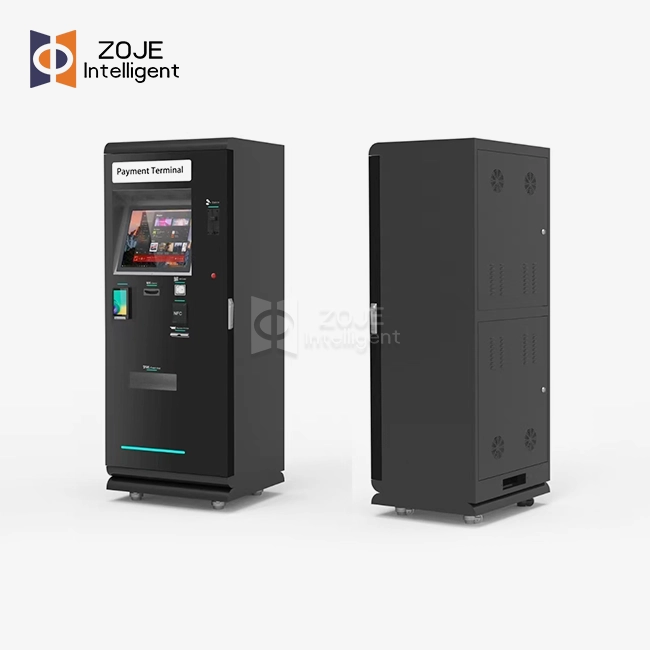
Modern parking alternatives go beyond self-standing barriers. Well-designed Barrier Gate For Parking Lot can integrate with many parking control systems. Wire control functions can receive switch signals from payment terminals, ticket machines, or central management systems. This connection allows complicated operations including time-based access, pricing enforcement, and automatic report transmission. Cloud connectivity has transformed operations. Machines can function without humans using LPR, ETC, and Bluetooth technology. Cloud-stored vehicle IDs may be examined immediately without personnel presence. Real-time data synchronization allows building managers utilize mobile applications to check occupancy, income, and repairs. When combined, these technologies transform entrance control into smart transportation management.
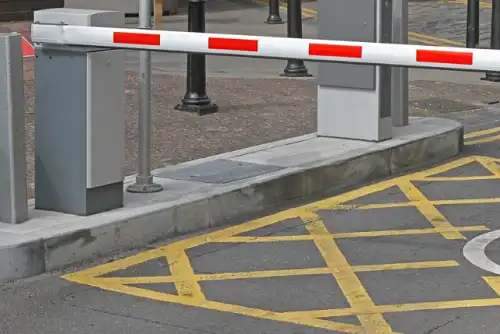
Types of Parking Lot Barrier Gates and Their Operational Efficiency
Automatic Versus Manual Barrier Systems
Manual barriers are less constant and less productive than automatic barriers. Electric motor-driven devices eliminate human error, maintain cycle durations regardless of traffic, and reduce labor expenses significantly. Brushless DC motors in current automation systems may run over five million times before significant parts need to be replaced, demonstrating their durability. However, manual approaches are only suitable for low-traffic circumstances where reducing initial expenditure is more essential than operating efficiency. Method maintenance varies greatly. Automatic systems need frequent mechanical link, spring tension, and control board checks. Hinge and locking mechanisms wear out faster because operators handle manual systems differently. Security levels vary greatly. Automatic systems ensure entry rules are followed, whereas manual operation allows for errors or policy violations.
Electric Barrier Gates and Swing Gate Configurations
Standard electric fences include flexible arm systems that may move horizontally or vertically. These designs work well for most purposes with ample room above to move the arm fully. You may adjust the speed between 1.5 and 8 seconds to capitalize on traffic patterns. Fast cycling helps commercial areas with heavy traffic during rush hours. Residential structures want slower, quieter operation to avoid disturbing neighbors.
Emerging Technologies: Solar-Powered and Magnetic Solutions
Environmentally friendly solar-powered barrier systems are growing in popularity. Solar screens charge these batteries. Their ability to function without electricity makes them ideal for remote parking lots without simple access to energy. Since you don't dig trenches or pay for utilities, the long-term expenses are lower than with a wired installation. Performance has improved significantly. Better battery management and energy-efficient brushless motors allow modern solar systems to operate safely in overcast conditions. Magnetic barrier technology is another new trend. These systems employ silent, low-maintenance electromagnetic locking mechanisms instead of mechanical connections. Magnetic solutions are ideal for silent operation or areas where mechanical parts wear out fast due to salty ocean air or factory pollution.
Optimizing Barrier Gate Performance and Maintenance for Maximum Efficiency
Identifying Common Operational Bottlenecks
System speed frequently decreases with time for many reasons. Old sensors don't detect approaching automobiles fast, generating annoying wait periods that hinder traffic. This commonly occurs when the ground moves, the sensor is impacted, the optical lenses are filthy, limiting detection range, or the loop detector wire under the pavement becomes unstable. When gearbox parts wear out, spring tension isn't adjusted, or motor bearings fail, the arm jerks or has incomplete trip cycles. Software bugs are another issue. Control board memory corruption might cause random unlawful openings or password processing issues. Automatic processes halt and must be manually adjusted when walls and central management systems lose connectivity. Frequent firmware upgrades resolve security gaps and new peripheral device interface issues. This is why maintenance requires updates.
Practical Maintenance Protocols
Effective preventative maintenance requires structured inspection programs based on usage. Comprehensive checks should be done every three months on systems that handle more than 500 cycles per day, and every six months on installations under 500 cycles. Inspection checklists should include mechanical, electrical, and software. Mechanically check spring balance by examining if the arms naturally rest in the center when the clutch is released. Make sure all screws are secure and check the boom arm for crash damage. How to lubricate depends on use and manufacturer instructions. Sealed oil-bath gears don't need frequent oiling, but the seals should be checked periodically. A little synthetic lubricant on exposed pivots and links helps prevent dust buildup. Clean control boxes to remove dirt and dust that prevents heat from escaping and shortens electronics' lifespan. Protecting the environment requires checking weather seals, drain holes, and ground connections for corrosion.
Troubleshooting Common Failures
After altering boom length, improper spring adjustment causes arm system failures. Technicians must adjust spring tension every time the arms are lowered or extended to balance the motor load. Too much tension wears out gears too rapidly during lowering cycles, while too little tension overworks motors during lifting cycles. Both scenarios increase part breakage and energy usage. Common causes of misaligned sensors are ground settlement, automobile strikes on mounting supports, and hardware vibrations. The optical alignment of infrared photocell pairs is crucial—even slight angles might prevent identification. Loop detectors lose sensitivity when ground fractures damage buried wire insulation or metal detector controller sensitivity settings change. Restarting the power frequently fixes control panel issues like blown fuses or processor lockups. However, recurring difficulties indicate component-level defects that need diagnosis or replacement.
How to Choose the Best Barrier Gate for Your Parking Lot: A Procurement Guide
Evaluating Parking Management Needs
A complete requirements assessment begins with traffic analysis. High-speed gates with 1.5 to 3 second cycle periods and continuous-duty motors are needed when over 200 autos pass through every hour during peak hours. Moderate traffic locations with 50–150 autos per hour may manage 3–6 second cycles for standard-duty equipment. Economy-grade choices for low-volume residential usage with less than 50 daily cycles prioritize cost over life. Security priorities shape tool requirements. For areas that need to prevent unauthorized entry, employ LPR cameras, proximity card readers, and audio verification. Single-credential systems can be employed if traffic throughput trumps security. Budget constraints automatically restrict options. Procurement staff should consider the whole cost of ownership, including upkeep, energy usage, and estimated service life, as well as the purchase price.
Critical Evaluation Metrics
User satisfaction and business flow depend on operational speed. Barrier Gate For Parking Lot with 1.5–8-second speed ranges provides you several possibilities. You may optimize the field after installation and see how people utilize it. The durability evaluation examines construction materials. Metal booms don't rust and stay light, and powder-coated steel housings can withstand drops and weather. Motor technology is crucial. Brushless DC motors are quieter, last longer, and use less energy than AC ones. Security capabilities include physical hardiness and control system complexity. Infrared sensors, pressure recognition, and automated reverse logic prevent crushing. The tamper warning alerts security to a break-in. System compatibility testing uses conventional contact techniques to ensure the specified barriers function with the parking control system. Proprietary solutions with closed interfaces bind you onto one seller, limiting your expansion options.
Comparing Solutions for Optimal Value
Decision models should plan-basedly compare methods. Automatic gates function quicker and offer sharper visual signals, while bollards can resist more impact and look better in various contexts. You must evaluate top clearance and side space when choosing between electric barriers and swing gates. Solar-powered solutions should be considered in rural locations where trenching for electricity is costly, even though they cost more. Cost-benefit analysis goes beyond tech expenses. Built-in cloud connectivity and online diagnostics reduce service calls, lowering corporate costs. Extended guarantee coverage, especially two-year plans that cover all parts, protects investment value. When choosing a supplier, assess their installation base, how fast they reply to consumer inquiries after the transaction, and how solid their finances are to ensure they can maintain things in stock.
Introducing Advanced Solutions
Our Barrier Gate For Parking Lot solutions satisfy the demands of difficult corporate, residential, and industrial applications. These units' specialized crank arm three-link moving constructions keep them stable after millions of cycles. The metal boom and steel structure can endure -35°C to 70°C, so it operates year-round. The motor wheel manual release enables you operate it in an emergency when the power goes out, and it restarts automatically when the power returns. Full wire control accepts switch signals from external devices. Complex cloud-connected operations that allow locations to be entirely autonomous are achievable using LPR cameras, ETC systems, and Bluetooth readers. Triple anti-crushing protection from several sensor technologies and phony warnings keeps automobiles and passengers safe at all times. ISO 9001:2015-certified production procedures and many technical patents support these solutions, which improve performance.
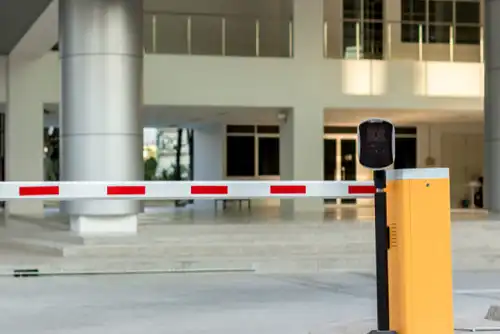
Installation Process and Post-Purchase Services for Barrier Gates
Site Preparation and Installation Steps
A detailed site survey is the first step to deployment success. Traffic movement, drivers' lines of sight, and power and data utility access assist determine equipment placement. A secure basis that doesn't settle or vibrate requires following the manufacturer's depth, strengthening, and drying time requirements for concrete foundation preparation. Installing electrical infrastructure requires the right-sized conduit to protect power lines and signal wire from environmental damage and fulfill local electrical requirements. Integration has planned steps. Due to excellent alignment, boom arms move smoothly throughout their complete range of motion. Barrier housings are mechanically connected to prepared supports. Following detailed wiring schematics, electrical cables power the motor, control circuits, and sensor inputs. Software setup determines the controller's speed, sensor sensitivity, and site-specific connection methods. Full testing ensures that typical open/close cycles, obstacle recognition reaction, emergency manual release, and backup power operation operate.
Expert Installation Services
Professional installation reduces errors that damage system performance and durability. Experienced technicians can recognize subtle flaws on the project site that effect sensor placement, calibrate spring tension, and immediately identify concerns with how new sensors connect with current parking management systems. Their expertise speeds product approval while ensuring safety and manufacturer guarantee compliance. DIY installations typically result in poor designs that require costly repairs and violate the warranty. Installation support includes extensive site planning, remote configuration, and qualified labor for a full rollout if needed. We maintain global service networks for fast on-site assistance in all major markets. This all-around strategy ensures your Barrier Gate For Parking Lot functions well from the outset and defines operational baselines for future maintenance.
Valuable Services for B2B Clients
Valuable services are available to B2B clients. Bulk purchasing schemes give discounts based on the amount of things purchased, including savings from utilizing several units. Cabinet coatings, boom arm combinations, and software features may be customized to match architectural or brand demands. More than two-year guarantee plans are ideal for mission-critical installations that can't go down for any reason since it would disrupt operations. Post-installation technical assistance is available 24/7 with 30-minute remote response times for critical issues. Our staff meets with clients many times a year to discuss system performance, new demands, and market developments. This direct engagement strengthens connections and optimizes building operations. Lifelong repair services ensure that parts and technical assistance are available for as long as the equipment is used. This preserves long-term infrastructure investments.
Conclusion
In conclusion, effective parking lot management requires well-designed access control systems. Modern Barrier Gate For Parking Lot systems combine modern motor technology, smart sensor integration, and comprehensive software to automatically evaluate cars and fulfill high safety criteria, making them efficient. When picking strategic tools, consider traffic patterns, security demands, integration needs, and emerging technology like automated fences, swing gates, and solar-powered choices. Software upgrades, electrical systems, and mechanical parts need systematic repair methods to operate well. Professional construction and rapid after-sales support ensure that your equipment lasts and doesn't break down, so your parking infrastructure keeps adding value.
FAQ
1. What factors determine barrier gate operating speed?
Operating speed is largely influenced by boom arm length, motor power, and control system setup. Although longer arms take longer to securely execute trip arcs, robust brushless motors provide faster cycle speeds. Modern controls provide accurate speed changes between 1.5 and 8 seconds to manage varied traffic levels. Rapid cycling is ideal for high-frequency commercial situations, whereas softer movement is preferable for household settings to reduce noise.
2. Can new barriers integrate with existing parking management systems?
Modern Barrier Gate For Parking Lot technology supports TCP/IP network connection, RS485 serial communication, and switch-signal wire control. These interfaces enable connecting older parking systems, LPR cameras, cash machines, and access card readers straightforward. Compatibility checks during purchase ensure that barriers match infrastructure communication standards. This avoids expensive middleware and system replacement.
3. How often should routine maintenance occur?
The frequency of maintenance depends on use. Installations that handle more than 500 rounds per day should have thorough checkups every three months, including mechanical modifications, lubrication, sensor calibration, and software upgrades. Moderate-volume facilities with 100 to 500 daily runs may schedule maintenance every six months, whereas low-usage household users may do so annually. Even in heavy traffic, harsh weather requires additional care.
Partner With ZOJE for Premium Barrier Gate For Parking Lot Solutions
ZOJE delivers cutting-edge parking access control technology backed by over a decade of specialized engineering experience and ISO 9001:2015 certified manufacturing excellence. Our Barrier Gate For Parking Lot combine adjustable 1.5 to 8-second operation speeds, extreme temperature durability, and triple anti-crushing safety features that protect your property and visitors. As a trusted manufacturer supporting complete customization, OEM partnerships, and ODM collaboration, we provide flexible solutions matching your exact specifications. Standard products ship within 5-7 days, while customized configurations deliver in 10-15 days with both DDU and DDP terms available. Benefit from our comprehensive two-year warranty, 24/7 technical support with 30-minute remote assistance, and lifelong maintenance commitment. Contact our team today at info@zoje-tech.com to discuss your parking control needs and get unique product options.
References
1. Miller, J.R. (2021). Automated Vehicle Access Control Systems: Engineering and Implementation. Transportation Infrastructure Press.
2. Chen, L. & Rodriguez, M. (2020). "Performance Analysis of Electromechanical Barrier Gates in High-Traffic Environments." Journal of Intelligent Transportation Systems, 24(3), 187-203.
3. International Parking & Mobility Institute. (2022). Best Practices for Parking Access and Revenue Control Systems. IPMI Technical Standards Committee.
4. Anderson, K.T. (2019). Smart Parking Technologies: Integration Strategies for Modern Facilities. Urban Infrastructure Publishing.
5. European Committee for Standardization. (2020). EN 13241-1:2020 - Industrial, Commercial and Garage Doors and Gates: Product Standards. CEN Technical Report.
6. Zhang, W., Thompson, R. & Patel, S. (2023). "Lifecycle Cost Analysis of Automated Parking Barrier Systems." Facilities Management Quarterly, 41(2), 78-94.

Send Inquiry
You may like

Related Industry Knowledge
- What Is Glass Full-Height Turnstile? Structure & Uses
- How Parking Management Barrier Gate Works Efficiently?
- How Folding Arm Barrier Gate Saves Space in Garages?
- Top Benefits of Vertical Tripod Turnstile for Access Control
- Where to Buy Reliable LPR Systems for Municipal Parking Lots?
- Benefits of Unattended License Plate Recognition Tech
- What Is Ticketless Vehicle Access Control in Smart Parking?
- How to Deploy an Internet-Free Parking Management System?
- How to Set Up Local Database Parking Control?
- Benefits of Open API LPR Parking System for Developers & Operators