
Where to Buy Reliable LPR Systems for Municipal Parking Lots?
2026-04-14
Contract managers who need to find reliable license plate recognition technology often ask where they can find high-quality equipment that works the same way in all kinds of working settings. You can get a reliable LPR System for City Parking from companies that specialize in intelligent transportation systems, approved security equipment wholesalers, and makers who have a history of building parking infrastructure in cities. ZOJE is one of these reliable providers. They offer advanced recognition platforms made just for city uses in places like airports, shopping malls, residential communities, office buildings, and business parking lots. To choose the right provider, you need to look at their professional skills, warranty policies, and ongoing support. These are all things that have a direct effect on the long-term success of your business and your return on investment.
Understanding LPR Systems and Their Role in Municipal Parking
The use of license plate tracking technology has completely changed how towns handle parking. High-resolution cameras, infrared lighting, and advanced optical character recognition algorithms are used in modern automated number plate recognition (ANPR) devices to recognize cars without any help from a person. This system fixes some of the most annoying problems with the old ways of managing parking lots.
How Automated Plate Recognition Technology Works?
Vehicles are identified when cameras capture license plates at entry or exit points using high-speed CMOS imaging that freezes motion for clear reading. Infrared lighting ensures 24/7 performance in all weather and lighting conditions.
Deep learning extracts characters and matches them with databases for access control and payment verification. In an LPR System for City Parking, edge computing enables on-device processing, reducing network load and ensuring uninterrupted operation even during connectivity failures.
Primary Benefits for Municipal Parking Operations
Automated recognition creates secure digital audit logs that prevent fraud and improve revenue protection. Gates open within milliseconds, reducing congestion and eliminating stop-and-go traffic. Automation lowers labor costs by replacing manual ticketing and enforcement. Data analytics help cities optimize pricing, occupancy, and turnover while integrating seamlessly with banking systems, mobile apps, and smart city infrastructure.
Common Implementation Challenges
Weather conditions such as rain, snow, and fog can reduce recognition accuracy, while dirty or damaged plates add complexity. AI-based correction methods improve reliability by using partial matching with vehicle attributes. Privacy compliance is also critical, requiring encryption, retention control, and strict access management. Large-scale deployments must address calibration and multi-angle detection challenges in complex urban environments.
Comparison of Leading LPR Systems for Municipal Parking in 2026
Automated license plate recognition has become a much more mature market, with a number of makers building strong names for dependability and performance. Knowing what the competition is doing helps procurement pros make choices based on facts that are in line with their operations.
Major Industry Players and Their Strengths
Hikvision offers cost-effective, widely deployed solutions, though performance may vary in low-light conditions. Bosch provides high-precision engineering with higher pricing. Genetec specializes in unified software platforms for centralized multi-site management. Dahua focuses on affordability and performance balance. Cognex delivers industrial-grade machine vision with high accuracy in difficult environments. Axis Communications emphasizes high-quality network imaging and cybersecurity features for infrastructure protection.
Alternative Technologies and Comparative Analysis
RFID systems use vehicle transponders and readers for identification without requiring line of sight. However, they require issuing physical tags, limiting scalability for public parking. Optical LPR System for City Parking avoids user onboarding and are more flexible for open access environments. While RFID has lower environmental sensitivity, camera-based systems offer better scalability and lower long-term operational complexity.
Cloud Integration and Mobile Applications
Cloud-enabled platforms support remote monitoring, multi-site management, and mobile payment integration. Drivers can pay via apps, receive parking alerts, and obtain digital receipts linked to LPR data. These systems improve user experience and provide real-time operational insights. High-performance solutions achieve over 98% accuracy in normal conditions and up to 99.5% in premium deployments, verified through environmental stress testing.
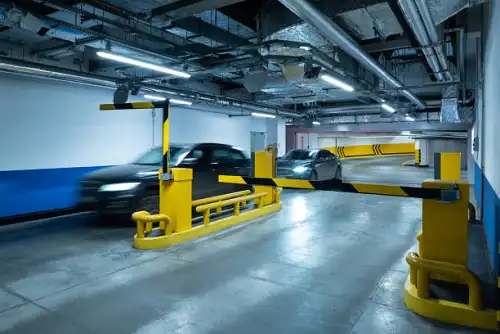
Where to Buy and How to Procure Reliable LPR Systems for Municipal Lots?
Finding reliable suppliers is a big choice that affects not only the cost of the original purchase but also the success of the business in the long run. The relationship is about a lot more than just delivering products. It also includes how well the products are installed, how quickly expert help responds, and how the systems can be updated.
Evaluating Potential Vendors and Suppliers
Trusted vendors typically hold certifications such as ISO 9001:2015 and provide structured quality assurance. Warranty coverage ranges from one to two years depending on vendor level. Strong 24/7 technical support is essential to minimize downtime and ensure operational continuity in municipal environments.
Technical Specifications of Professional-Grade Solutions
Systems like the B0X-B30-IV use Linux-based ARM architectures for real-time edge processing without external servers. They operate in extreme temperatures from -35°F to 70°F and support large-scale storage up to 1.2 million records with automated overwriting. Multi-language interfaces and flexible payment models improve usability across diverse urban populations.
Procurement Models and Financial Considerations
Municipal buyers may choose purchase, leasing, or bulk procurement models depending on budget strategy. Purchasing offers lower long-term cost, while leasing reduces upfront investment but increases lifetime expense. OEM/ODM customization enables integration with legacy systems and supports complex site requirements.
Installation and Ongoing Support Requirements
Deployment includes installation, network setup, calibration, and system integration testing. Vendors often provide on-site support and maintenance visits to ensure long-term stability. Strong after-sales service, including warranties and rapid response support, is essential for minimizing operational disruptions.
Making the Right Choice: Key Considerations for B2B Procurement Clients
When making a good purchase choice, you balance short-term needs with long-term strategy goals, making sure that technical skills match practical realities. In the LPR System for City Parking, there are special problems in municipal parking lots that regular security cameras can't handle.
Critical Performance Metrics and Evaluation Criteria
Key metrics include recognition accuracy under varied conditions such as low light, rain, and partial plate visibility. Real-world testing is essential. Systems should maintain processing latency under 200 milliseconds, support multiple camera configurations, and ensure compliance through encryption and secure data logging.
Integration Capabilities and Legacy System Compatibility
Most deployments involve upgrading existing infrastructure rather than full replacement. Compatibility with gates, payment systems, and software platforms is essential. Open APIs (RESTful and JSON-based) enable seamless integration, while hardware protocols like Wiegand ensure backward compatibility with legacy systems.
Vendor Reliability and Long-Term Partnership Value
Because cities and tech companies work together for years or even decades, the security and loyalty of the tech company are very important when choosing a vendor. Companies that show they have a global reach give investors confidence in their financial health and ability to sell their products. ZOJE is present in more than 20 countries, which shows that it can be used successfully in a wide range of legal and operating settings. Their focus on face-to-face contact during yearly site visits and their customer-centered mindset show a level of relationship involvement that transactional vendors rarely match.
Potential updates and future-proofing help keep technology purchases from becoming useless too soon. Teams in charge of buying things should look into the roadmaps that vendors provide for improving AI algorithms, making systems safer, and connecting to new smart city platforms. Receiving software patches that add new features or fix known security holes makes systems much more valuable than those that don't change after installation.
Conclusion
When cities want to use automated plate recognition for parking, they need to find a good balance between technical performance, vendor skills, and total lifetime costs when selecting an LPR System for City Parking. There are a lot of different options on the market, from cheap choices to high-end ones. Each has its own pros and cons that affect accuracy, longevity, and support quality. Successful buying teams set clear criteria for evaluating vendors. These criteria should include how well the vendor can recognize problems even in difficult conditions, how easily it can be integrated with existing systems, and how committed the vendor is shown by guarantee terms and ongoing support. The B0X-B30-IV from ZOJE is an example of a professional-grade system that can work in tough places like shopping malls, airports, residential areas, and business lots. Their production experience, ability to customize, and focus on building relationships allow them to meet all of the needs that sophisticated city buyers put most importance on.
Frequently Asked Questions
1. What recognition accuracy can municipalities expect from quality systems?
Under normal daytime conditions, professional LPR System for City Parking systems usually achieve recognition rates above 98%, with premium solutions achieving 99.5% using advanced deep learning algorithms. When systems have the right infrared lighting, they still work well at night (97-98% of the time). Bad weather, like rain or fog, can lower accuracy by 2 to 5 percentage points. However, systems that use fuzzy logic and multi-factor matching can partly make up for this by comparing car traits. The most accurate way to predict success is to test the product in real-world situations before it is bought.
2. How do these systems integrate with existing parking management software?
These days, automated recognition platforms have open APIs that use RESTful design and JSON data types to make it easier to connect to other management systems. Industry-standard protocols like Wiegand and relay outputs that connect with old barrier gates and payment systems are examples of hardware compatibility. ZOJE's B/S design lets you access the system through the web without having to run client software. This makes deployment easier on multiple administrative screens. During the evaluation phase, procurement teams should check with their present software providers to make sure that certain compatibility standards are met.
3. What steps can be taken to answer worries about data protection in municipal deployments?
To follow data security rules, you need to encrypt both sent and stored data, set up data retention policies that delete records automatically after a certain amount of time, and use access controls that only let allowed people deal with the system. Image anonymization methods can hide the faces of drivers while keeping the clarity of their license plates. Clear contact with the public about why data is being collected, how long it will be stored, and who can access it builds trust in the community. Working with companies who have experience with regulated settings makes sure that privacy protections are built into systems from the start, so they don't have to be added later at a cost.
Partner with ZOJE for Advanced LPR System for City Parking Solutions
ZOJE's complete approach as a specialized LPR System for City Parking maker will help municipal parking officials that need proven automatic recognition technology. Our B0X-B30-IV model has the performance, dependability, and adaptability that shopping malls, business buildings, residential neighborhoods, and industrial parking lots need. We offer the full partnership that complicated city projects need, with ISO 9001:2015 approval, a two-year warranty, and 24/7 global expert support. Standard goods ship within 5–7 days, which speeds up the application process, and our customization options allow us to meet the specific needs of your business. Email our engineering team at info@zoje-tech.com to talk about your particular needs and get full technical specs.
References
1. Smith, J. & Chen, L. (2023). Automated license plate recognition systems: Technology, Implementation, and Municipal Applications. Urban Transportation Technology Press.
2. International Parking Institute. (2024). 2024 Parking Technology Procurement Guide for Municipal Facilities. IPI Research Foundation.
3. Anderson, R. (2023). "Comparative Performance Analysis of ANPR Systems in Adverse Weather Conditions," Journal of Intelligent Transportation Systems, Vol. 27, No. 4, pp. 312-328.
4. Municipal Technology Association. (2024). Best Practices for LPR System Integration in City Parking Infrastructure. MTA Technical Standards Committee.
5. Williams, K. & Patel, S. (2023). Data Privacy and Security in Municipal Parking Recognition Systems: Compliance Strategies for North American Jurisdictions. Public Sector Technology Publishers.
6. Zhang, H., et al. (2024). "Edge Computing Applications in Real-Time Vehicle Recognition for Urban Parking Management," IEEE Transactions on Intelligent Vehicles, Vol. 9, No. 1, pp. 456-471.

Send Inquiry
You may like

Related Industry Knowledge
- Tempered Glass Full-Height Turnstile Benefits & Design
- What Is Barrier Gate For Parking Lot? Overview Guide
- Space-Saving Turnstile Design and Structural Features
- What Is Unattended Full-Height Turnstile? Security Guide
- Is Unattended Access Control Turnstile Reliable?
- License Plate Recognition for Logistics and Fleet Control
- Best LPR Server for Extreme Weather Conditions
- Best ANPR Solutions for Public Parking Efficiency & Flow
- How to Deploy an Internet-Free Parking Management System?
- What Is a Local-database LPR System for Parking Control?