
Ultimate Guide to Cashless Parking Payment Station
2026-06-09
Modern parking structures need solutions that make it easier to handle cash while also making operations run more smoothly. A Cashless Parking Payment Station is a high-tech, automatic machine that is built into the Parking Access and Revenue Control Systems and is only used for processing electronic transactions and does not accept cash. Credit cards, QR codes, mobile wallets, and contactless payments can all be processed at these high-tech terminals. This changes how shopping malls, airports, neighborhoods, office buildings, and business parking lots receive money. When facility managers switch from mechanical coin meters to intelligent payment systems, they can see all transactions and income in real time, and processing times drop from over 15 seconds per car to just 3–5 seconds.
Understanding Cashless Parking Payment Stations
How Modern Payment Terminals Work
Modern automatic payment kiosks have changed from simple machines that took coins to complex places where transactions happen, driven by Android operating systems and industrial-grade minicomputers. Through Internet of Things (IoT) connection, these systems work with license plate readers, barrier gates, and centralized control platforms without any problems. The system keeps an eye on the state of transactions, the health of the equipment, and income data all the time. It also sends maintenance alerts before problems happen. This proactive method cuts down on downtime and makes sure that the level of service is the same across your whole parking network.
Standalone vs. Networked Configurations
Whether you choose separate units or systems that are linked depends on the size of your business and how you like to run it. At each site, stand-alone machines work on their own and store transaction data until it is collected by hand. Networked configurations talk to central computers all the time, which lets rates be changed in real time, problems be fixed remotely, and real-time income reporting be done across multiple sites. Networked systems that sync up retailer approval programs work best in shopping centers. On the other hand, standalone units may be cheaper for smaller residential areas with less complex needs.
Key Hardware Components That Matter
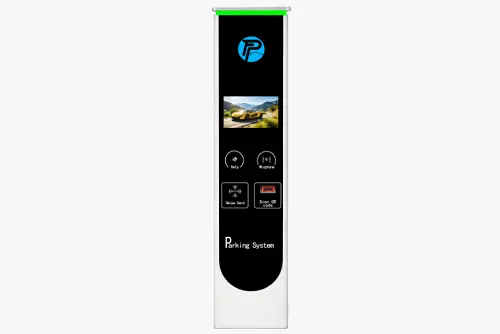
Cashless Parking Payment Station of good quality have cases made of cold-rolled steel that meet IP65 weather resistance standards and IK10 damage protection standards. Even in direct sunlight, the 17-inch capacitive touchscreen is easy to see, and ambient light sensors change the lighting for the best viewing. Internal climate control systems with four temperature-controlled fans keep the ideal working conditions between -30°C and +75°C, so the system will work reliably no matter what the weather is like outside. These toughened requirements are necessary for airports and outdoor business lots where equipment is constantly put under stress by the environment.
Comparison and Decision-Making: Choosing the Right Cashless Parking Payment Station
Traditional Meters vs. Modern Automated Solutions
Old meters that use coins cause a lot of problems that can be avoided with computer payment methods. Cash collection needs protected delivery services, puts employees at risk of theft, and causes machines to break down often because coins get stuck. These weaknesses are taken care of by automated payment systems, which also leave full digital audit records. Increasing transaction speeds cuts down on wait times by a huge amount during busy times at airports and shopping malls. This directly improves customer happiness and lowers complaints about traffic.
Essential Evaluation Criteria for B2B Buyers
For payment security, buying teams should put PCI-DSS compliance at the top of their list when comparing different terminal models. This will make sure that all card data is encrypted from end to end. How hard it is to implement and how much it costs to integrate depend on whether or not it works with current parking control software. Terminals that support RESTful APIs, MQTT protocols for reporting progress, and Wiegand or RS485 links for controlling barriers are what you should look for. Accepting a variety of payment methods, such as credit cards, IC cards, QR codes from WeChat or Alipay, and mobile wallet transactions, lets you cater to a wider range of customer tastes and improves the rate at which payments are completed successfully.
Understanding Total Cost of Ownership
In addition to the initial purchase price, smart buyers also think about the long-term costs of running the business, such as repair contracts, replacing costs for things like receipt paper, and the cost of upgrades. Terminals that can be customized by OEM and ODM give you the freedom to meet your specific branding needs or add special features. Leasing agreements spread out the cost of capital over several years and cover upkeep. This makes planning easier for office buildings and apartment complexes. Figure out your projected return on investment by taking into account lower labor costs, no longer having to pay people to handle cash, and higher productivity during busy times.
Procurement Guide for Cashless Parking Payment Stations
Selecting Reliable Manufacturing Partners
For operations to go well, Cashless Parking Payment Station makers must first show that they have strong technical skills and quick-to-respond support systems. ZOJE, which was founded in 2012 and is based in Shenzhen, is a great example of the kind of company that buying teams should look for. Their ISO 9001:2015 certification ensures consistent quality management, and the fact that they hold multiple patents shows that they are committed to continuing to innovate. The company has a team of experienced electronic and mechanical engineers who can make unique solutions for even the most difficult projects. This is true whether you need wall-mounted setups for shopping malls or pedestal installations for outdoor business lots.
Installation and Implementation Considerations
Professional installation keeps downtime to a minimum and makes sure that the system works at its best from the start. Good providers give full instructions on how to put their products and work with your current infrastructure teams to connect payment terminals to systems that read license plates and barriers that block access. Implementation times depend on how much customization is needed. Standard units are ready to go within 5 to 7 days, while customized setups take 10 to 15 days to finish. When building plans are tight, this quick turnaround is especially helpful for airport growth or new housing developments.
Maintenance and Support Requirements
Strong help after the sale is what separates trustworthy partners from problematic sellers. Look for makers that offer expert support around the world 24 hours a day, seven days a week, a two-year warranty, and replacement parts that are easy to find. The best suppliers visit their customers' sites once a year to check on the performance of their equipment, talk about new needs, and improve their partnerships through face-to-face contact. This cautious approach to service helps keep small problems from turning into big problems that stop operations and make customers angry, which is bad for the facility's image.
Security and Technology Insights
Protection Against Fraud and Tampering
Newer payment terminals have more than one layer of protection to protect both user info and money. When someone from the outside tries to get in without permission, tamper alarms go off right away, warning security staff of possible theft attempts. Optional CCTV tracking integration adds more surveillance features and records all transactions for use in conflict settlement. PCI-PTS approved PIN pads protect card information, and encrypted data transfer keeps hackers from reading your messages while you're talking to payment processors. These safety steps are especially important in high-value places like airport parking lots, where daily sales can reach large amounts of money.
Emerging Technology Trends
More and more, smart city connections projects are integrating parking data into larger urban management systems. This lets prices change based on real-time occupancy levels. Solar-powered terminals cut down on the need for electricity equipment for installations on the street, which lowers the cost of setting them up in public parking lots. Analytics that use artificial intelligence (AI) find trends in how things are used that help with making strategic choices about how to set rates, how much capacity to add, and how to improve customer service. Moving to digital receipts via SMS or email cuts down on paper waste, repair calls for printer refills, and conflicts with company sustainability goals that are important to office buildings that care about the environment.
Real-World Performance Data
European towns that put in electronic payment systems say that the costs of handling cash dropped by 40 to 60 percent in the first year. Transaction speeds have gotten faster at airports in North America, which means that 25–30% more parking spaces are being used during busy journey times. Integrated validation systems help Asian shopping centers get more merchants to join their programs, which improves relationships with tenants and gives them an edge over other buying places. These measurable benefits show why forward-thinking building managers put changes to automated payment systems at the top of their list of priorities.
Brand Spotlight: Leading Cashless Parking Payment Station Providers
Why ZOJE Stands Out in Global Markets
In the years since 2012, Hong Kong ZOJE Intelligent Technology Co., Ltd. has built a good name by consistently providing parking solutions and pedestrian access control systems that work. Their commitment to holding annual face-to-face client meetings around the world shows that their customer-first attitude leads to truly fast service. This one-on-one method builds long-lasting partnerships built on mutual understanding instead of short-term deals. The company offers flexible logistics support, such as DDU and DDP delivery terms for both sea and air transport. This makes foreign purchasing easier for buyers who are in charge of multiple deployments in different regions.
Customization Capabilities That Address Unique Needs
There are different operating needs for projects in shopping malls, airports, residential areas, office buildings, and business parking lots. Because ZOJE has worked with both OEM and ODM partners for a long time, they can make custom solutions to solve problems like integrating retailer validation systems, pre-booking settlement systems, or complicated tiered pricing structures. Their platform is built on Android and supports user interfaces that can be changed, screens that can show more than one language, and custom payment processes that work with local preferences. Changes to the hardware include different mounting options, customizable coin and note recycling setups, and climate-specific component choices for places with extreme temperatures.
Evaluating Vendor Track Records
When comparing possible providers, look at their patent files to see if they can really come up with new ideas instead of just rebranding generic products. Carefully read over the warranty terms and make sure that they cover both parts and work for full security. Ask for references from current clients who run facilities that are similar to yours, and then talk to those clients directly about how responsive they are to technical problems and how well they stick to their release dates. The most trustworthy makers talk openly about realistic execution schedules instead of making promises that can't be kept, which causes project delays further down the line.
Conclusion
Switching to automatic payment infrastructure is a smart Cashless Parking Payment Station investment that will improve the operations of all types of facilities substantially. Shopping malls can handle more customers faster, which makes shopping more enjoyable. Airports get rid of traffic jams that used to make people running to leave flights angry. Residential neighborhoods have features that make life easier and raise property prices. Rental perks in office buildings make it more likely for tenants to continue their leases. Commercial parking lot owners try to make as much money as possible while keeping labor costs as low as possible. The technology is no longer vulnerable to the risks that came with early adoption. Thousands of sites around the world have shown that it works reliably and gives a good return on investment. To do a good job of buying, you need to carefully evaluate vendors, carefully analyze your needs, and work together with makers who are truly committed to your long-term success.
FAQ
1. What is the typical installation timeline for payment terminals?
Standard payment station installs usually take between one and three days per unit, but this depends on how hard the site needs to be prepared and how well the equipment is already set up. Shopping centers that already have power and network links tend to move faster than industrial lots that are outside, where more work may need to be done to connect to power and the internet. To cause as little trouble as possible, manufacturers like ZOJE work closely with your buildings team to schedule setups during off-peak hours. After the actual installation, full testing is done to make sure that the barrier gates, license plate recognition systems, and central control platforms can talk to each other properly before the final handover.
2. How do these systems protect against payment fraud?
End-to-end encryption, which makes sure that card data never appears on the device without being encrypted, is one way that modern systems stop theft. PCI-DSS compliance rules require regular security checks and quick fixes for security holes. When someone breaks in without permission, tamper detection sensors sound a warning, and transaction tracking algorithms flag patterns that look fishy so that they can be looked into. The optional integration of CCTV logs every encounter visually, discouraging criminal activity and aiding police investigations when crimes happen. Because of these multiple layers of security, electronic payment infrastructure is much safer than cash collecting methods, which are more likely to be stolen or used for internal theft.
3. Can terminals integrate with our existing parking management software?
Good payment devices work with common industry methods, like RESTful APIs, which make it easy to connect to most current parking management systems. Through safe encrypted channels, the systems share real-time information about activities, the number of people who are in a room, and the health of the equipment. During the procurement process, you should give detailed information about your present software environment so that compatibility can be checked before you agree to a purchase. Experienced makers like ZOJE offer technical advice services that look at integration needs and find any middleware or setup changes that need to be made. This makes sure that all of the parts of your parking ecosystem can talk to each other without any problems from the first day they're open for business.
Partner With a Trusted Cashless Parking Payment Station Manufacturer
Your parking lots should have technology that makes them more efficient while also making them easier to run. ZOJE offers tried-and-true Cashless Parking Payment Station solutions made just for airports, shopping malls, apartment complexes, office buildings, and business parking lots in the United States. Our machines have Android operating systems, can recycle coins and bills in a way that you choose, print receipts, and accept a variety of forms of payment, such as cash, credit cards, and QR codes. The money you make is safe with tamper alarms, and extra security can be added with available CCTV tracking. We stand behind every installation with ISO 9001:2015 approval, full two-year warranties, and expert help available 24/7 around the world. Email our team at info@zoje-tech.com to talk about your particular needs and get a thorough proposal. Visit zoje-parking.com to explore our complete product range.
References
1. International Parking & Mobility Institute. (2023). "Digital Payment Systems in Modern Parking Facilities: A Comprehensive Analysis."
2. Smith, R., & Johnson, M. (2022). "Revenue Control Systems: Technology Integration and Best Practices." Urban Infrastructure Quarterly, Vol. 18, Issue 3.
3. National Parking Association. (2023). "State of the Parking Industry: Technology Adoption and ROI Metrics."
4. Chen, L., Anderson, K., & Martinez, J. (2022). "Smart City Infrastructure: Parking Management Systems and Urban Efficiency." Journal of Transportation Technology, Vol. 12, pp. 245-267.
5. European Parking Technologies Consortium. (2023). "Security Standards for Automated Payment Infrastructure: Implementation Guidelines."
6. Williams, D. (2022). "B2B Procurement Strategies for Parking Technology: A Decision Framework." Facilities Management Review, Vol. 29, Issue 4.

Send Inquiry
You may like
Related Industry Knowledge
- Self Service Kiosk Solutions for Your Business Needs
- Fast Access Boom Barrier Benefits in Traffic Control
- How Glass Full-Height Turnstile Improves Aesthetics?
- Is High-Wing Speed Gate Turnstile Suitable for Airports?
- How AB-Type Glass Full-Height Turnstile Works?
- Barrier Gate For Parking Lot Benefits Explained
- Is Folding Arm Barrier Gate Suitable for Basements?
- License Plate Recognition vs ANPR: Key Differences
- How to Deploy Urban License Plate Recognition System Efficiently?
- LPR Camera with Open SDK vs Proprietary SDK: Which One to Choose?