
Fast Access Boom Barrier Benefits in Traffic Control
2026-06-01
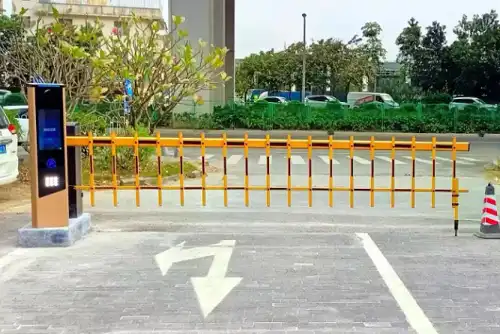
Fast entrance boom barrier technologies have transformed vehicle management on US commercial and industrial locations. The High Speed Folding Arm Boom Barrier is a revolutionary electrical solution that helps parking lots, airports, shopping malls, office buildings, and communities increase vehicle flow and address space constraints. This innovative access control device opens and closes doors in one to three seconds and requires 50% less space above them than straight-arm versions. It is vital for traffic control nowadays.
Understanding High Speed Folding Arm Boom Barriers
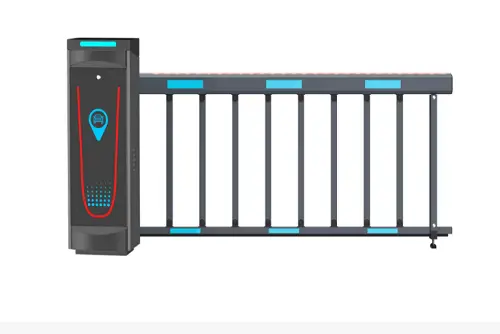
Current access control always leads to discussions regarding efficiency and space usage. Folding arm boom barriers feature articulated dual-section arms that retract automatically, unlike rising arm barriers, which require a lot of vertical space.
How the Technology Works
These walls use smart electronics and precision mechanics. Three-link moving construction with curved crank arm ensures machine stability throughout runs. The DC brushless motor controls boom arm folding at precise angles. The barrier works well with 2.8-meter ceilings due to its shape. This is significant for subterranean garages and covered cargo docks.
Types and Configuration Options
Barriers are made differently with split arms. When the button is pressed, the lightweight metal folding arm rises and descends simultaneously, taking up half the area of a standard model. This novel solution answers a long-standing facility management problem: how to strengthen access control without losing vertical space or risking ceiling collisions?
Boom barriers can be configured to fulfill various operational demands. Single-arm devices can manage 5 meter lane widths, while double-arm systems can accommodate larger business access points. Construction materials are safe and robust. Steel enclosure protects the motor assembly and control electronics, while the aluminum folding arm's anti-collision properties minimize damage when it falls.
Customization extends beyond size. By selecting colors, property managers may match barriers to building names. Left-handed and right-handed installations allow complex traffic pattern planning. Loop detectors, radar, and traffic light synchronization can be included.
Benefits of Fast Access Boom Barriers in Traffic Management
Rapid-cycle barriers improve facility management and user satisfaction in several performance categories.
Optimizing Traffic Flow Efficiency
Shopping mall queues around the holidays frustrate customers and diminish parking revenue. Airports have comparable issues at peak travel times. Because it opens fast, a High Speed Folding Arm Boom Barrier can avoid these issues. Cars enter and depart quickly with a 1–3-second cycle time.
When the barrier turns in 1.5 seconds instead of 6 seconds, 40% more cars pass through each hour. This adjustment will reduce rush-hour traffic and make consumers happy. It's ideal for office buildings during morning and evening rush hours, when many workers arrive and go.
DC brushless motors provide smooth curves for accelerating and braking, eliminating jerky motions from previous AC motors. A more professional appearance helps building management and preserves motor parts.
Durability and Maintenance Considerations
Commercial parking lot owners need dependable equipment since malfunctions impair revenue and consumer access. Barriers that survive over 5 million cycles without maintenance reduce service delays. The cold-rolled steel cabinet design can withstand temperatures from -30°C to +70°C, therefore it works in all continental US conditions.
They nevertheless require less maintenance than typical protective systems. Articulation joints must be examined and lubricated every six months. A competent specialist can do this straightforward technique in 30 minutes. Good bearings and low-temperature grease keep everything operating smoothly, even in winter, when grease thickness matters.
Weatherproof powder protects surfaces from corrosion and UV damage. This IP54-rated security standard prevents water and dust from damaging less durable computer equipment. Facility managers like when equipment is ready to use without regular monitoring so maintenance personnel may focus on other responsibilities.
Enhanced Security and Access Control Integration
Today, traffic control goes beyond automobile counts. Security influences many purchases, especially in apartment complexes and company campuses. The barrier arm and base unit include three anti-crushing sensors that instantly reverse movement to protect persons and automobiles and avoid equipment damage.
Tamper alarms alert building workers about unauthorized entry. Wired control interfaces that take switch signals allow the system to interact with current parking management systems. This allows property managers to upgrade barrier hardware without buying new access control systems.
With LPR, ETC, and Bluetooth, the High Speed Folding Arm Boom Barrier becomes an intelligent entry that can be utilized unattended. Authorized automobiles pass without stopping, but unauthorized drivers trigger off alarms. Building managers may adjust settings and view activity records from anywhere with internet access thanks to cloud connection.
Cost Efficiency and Return on Investment
Budget-conscious procurement managers consider the overall cost of ownership as well as the purchase price. Because efficient motors consume less energy, operating expenses drop. Regular maintenance costs less with longer service intervals. The durable construction reduces part replacement, saving you money over time compared to lesser solutions.
Folding arm barriers are the most cost-effective for small spaces. Because the design saves space, normal walls may be added without costly structural alterations. Developers can save money by using barriers that match the existing architecture instead of adjusting ceiling heights and gaps when creating new residences.
Business efficiency is ROI-measured. If parking lots can handle cars quicker, they can serve more people per hour without adding space. This method of earning extra money frequently compensates for barrier system purchases in the first year, especially in airport and shopping mall garages with high foot traffic.
How to Choose the Right High Speed Folding Arm Boom Barrier
Selecting entrance control tools requires careful evaluation of site-specific objectives and operational goals. Purchase decisions have long-term implications on a facility, thus they must be properly considered.
Assessing Your Traffic Control Needs
Determine the number of cars at busy and typical times. A 200-unit neighborhood and a 5,000-person commercial center have different traffic patterns. The High Speed Folding Arm Boom Barrier's anticipated cycle capacity must be at least double its projected use to prevent premature wear.
Site size influences physical needs. Remember to consider for automobiles with additional mirrors or tow equipment when measuring lane width. Measure the barrier's operational arc's lowest point from the ceiling. Include any lighting fixtures, sprinkler heads, or HVAC lines that might impede arm mobility.
Comparing Barrier Technologies
Environmental factors impact material selection and security. Coastal constructions can be damaged by salt air. Northern equipment must withstand subzero temperatures. Covered facilities may accept lower weather protection ratings than open locations. This might cut equipment costs without compromising dependability.
Folding arm bars are ideal for small spaces, but they are only one technique. Traditional fences with rising arms are cheaper and perform well in vertical spaces. Private spaces that need vehicle-proof perimeters benefit from swing gate barriers. diverse tools serve diverse purposes.
Electric operation allows modern entry control systems to function rapidly and with other systems. Manual backups ensure important processes may continue when the power goes out. Hybrid designs combine approaches. During normal operation, the barrier is operated by motor; during power outages, by hand. The automatic reset tool resets the system to safe mode when the power returns.
Evaluating Suppliers and Support Services
Supplier selection affects more than tool purchases. We recommend judging manufacturers by several key aspects. ISO 9001:2015 certification indicates your commitment to quality management. A company's patent portfolio shows continual innovation and technological investment.
Long-term barrier system satisfaction depends on post-sale support. Providers should give thorough installation instructions, technical documentation, and easy-to-reach assistance. Response time matters. A supplier that promises remote system breakdown support in 30 minutes is more beneficial than one that simply offers email support with 48-hour response times.
Warranty protection protects your investment against manufacturing defects and early component failure. The industry expects two-year warranties, but lengthier coverage may justify higher initial prices. Read the warranty conditions and note the limitations for improper installation, unlawful alterations, and inadequate maintenance.
Understanding Pricing and Logistics
Global service networks provide help quality regardless of installation location. Annual client visits by manufacturers indicate a desire for long-term relationships. Meeting someone in person helps you understand the local market and how rules effect system specs.
The specifications, customization, and quantity of a barrier system determine its pricing. Standard configurations ship in 5–7 days, while customized alternatives take 10–15 days for production and quality inspections. Rush orders cost more but help projects finish faster when deadlines are tight.
International travel requires special consideration. Shipping terms impact delivery costs. After leaving the plant, FOB items are no longer the manufacturer's responsibility or risk. Landed expenses are more constant with DDU and DDP. Sea freight is cheapest for large orders. Air freight is faster for urgent or smaller items.
Import regulations vary by location. Work with U.S. market-savvy companies who can supply customs-clearing papers. Knowing a project's entire landing cost prevents budget surprises and aids financial planning.
Installation and Maintenance Best Practices
A well placed High Speed Folding Arm Boom Barrier will last for years. Taking shortcuts during startup causes persistent difficulties that degrade system performance and increase maintenance costs.
Site Preparation and Installation Procedures
To ensure the barriers fit in the traffic lines, detailed measurements are made before building the foundation. The fastening surface must withstand the forces caused by rapid door opening and closing. Most concrete pads need 150 mm thickness and proper support.
Electrical lines must obey local and manufacturer's requirements. Motor performance and control system reliability depend on power supply stability. Dedicated lines prevent device-related power changes. When wires are the proper size, cable voltage loss is minimal. Grounding protects computer parts from surges and lightning.
Signal compatibility and transmission mechanisms are crucial for incorporating parking control systems. Electrically noise-free switch signals are needed for wired control connections. Testing the system in all access control scenarios should be done before installing and using it.
Routine Maintenance Procedures
Preventive maintenance extends equipment life and prevents unexpected breakdowns. Visual checkups every three months detect issues before they cause system downtime. Broken arm parts, loose bolts, and trash near moving parts should be checked.
Maintaining the articulation joint is crucial. Use manufacturer-recommended lubricant every six months to maintain folding smooth and prevent sticking. Clean joint surfaces before applying fresh lubricant to avoid abrasive particles that accelerate wear.
Sensor calibration ensures precise obstacle detection and force restrictions for anti-crushing reversals. Test sensors monthly by activating them with cardboard hurdles. The mechanism should spin immediately and gently when it touches something. You may adjust the sensitivity to maintain safety without setting off wind or small object alarms.
Remote Monitoring and Diagnostic Capabilities
Cloud-connected barriers track performance in real time for predictive maintenance. System checks catch issues before they become significant. Cycle count data allows you plan maintenance based on usage, not randomness. When a motor becomes too hot, temperature monitors alert workers to electrical or mechanical issues.
Remote technicians can alter operating parameters without visiting. Facility managers can adjust opening and closing rates and delay durations from central tracking stations. Workers who manage barrier systems at different sites benefit from this capability.
Online technical support can address many issues without sending workers to the field. Customers may be certain that manufacturers offer 24/7 assistance with a 30-minute response time. This support technique reduces downtime and keeps the building functioning despite after-hours issues.
Future Trends and Innovations in Boom Barrier Technology
The access control industry is developing rapidly as new technologies add functionality and customers seek seamless, automated experiences.
Smart Technology Integration
Internet of Things (IoT) technologies are converting walls into networked assets that provide useful data. Real-time occupancy monitoring lets parking lot managers determine fees and steer motorists to available spots. Historical traffic patterns aid recruiting and infrastructure planning. Unified site control allows everyone to respond to security incidents when connected to building management systems.
Predictive repair algorithms use working data to predict part failure. Machine learning algorithms can detect unusual sound patterns, cycle time fluctuations, and temperature trends that indicate concerns. This proactive approach maximizes repair resources and reduces accidental downtime.
Contactless technology are replacing card readers and key fobs. Smartphone credentials provide complicated permissions and simple admission. Vehicle-to-Infrastructure (V2I) communication protocols will allow self-driving automobiles to request entrance directly to obstacles, eliminating human intervention.
Material Science Advances
Lightweight corrosion-resistant metals and composites make tools last longer in tough circumstances and consume less energy. Advanced coatings outperform powder coating in UV protection and color retention. These new materials save long-term maintenance costs and preserve tool appearance.
As environmental rules tighten and company responsibility initiatives develop, sustainability affects material choices. Green construction standards like LEED require recyclable and safe materials. Motors that utilize less electricity are cheaper and less polluting.
Market Growth and Supply Chain Evolution
Commercial development, especially mixed-use buildings with residential, retail, and office components, drives barrier system demand. Complex access controls that can handle groups of users with various permissions are needed for these demanding functionalities.
More transportation facilities are needed to manage many cars as e-commerce increases. Last-mile distribution centers handle hundreds of trucks daily. Thus, rapid-cycle barriers are crucial to infrastructure. Due to the special demands of these structures, robust and rapid goods are being developed.
Globalization of the supply chain provides buying managers access to manufactures worldwide, but it complicates quality standards, support skills, and compliance. Buyers may save money by recognizing which suppliers give value and which are merely competing on price, even if it lowers quality or service.
Conclusion
Fast access boom barriers can revolutionize traffic control at retail malls, airports, neighborhoods, office buildings, and commercial parking lots across the US. The High Speed Folding Arm Boom Barrier fits in narrow locations and cycles in one to three seconds, making peak periods the ideal for traffic flow. Strong construction ensures it will survive over 5 million rounds without maintenance. Three anti-crushing sensors and tamper alarms protect persons and property. Integration with LPR, ETC, and Bluetooth technologies allows the system to function unattended, saving labor expenses and increasing security. To ensure long-term enjoyment and operating success, choose the correct barrier systems by analyzing traffic, site dimensions, environmental circumstances, and supplier capabilities.
FAQ
1. What advantages do folding arm boom barriers provide over traditional straight-arm models?
Underground parking garages and covered loading areas with low ceilings can use folding arm barriers since they use about 50% less vertical space. Articulated arms prevent above structures from being impacted while opening the door at the same or faster pace.
2. Can these barriers be customized for specific traffic environments?
Left or right-handed arrangement, arm lengths from 3 to 5 meters, colors to match the building, and access control devices like card readers, QR code scanners, and license plate recognition cameras may be used. OEM and ODM partnerships allow manufacturers to create tailored solutions for their operations.
3. What role do safety sensors play in barrier operation?
Three anti-crushing sensors monitor arm movement and impediments during the procedure. The technology immediately spins around and keeps the contact force below safety limits when resistance indicates a car or person in the barrier path. This safety feature prevents unauthorized entry and prevents injuries or equipment damage.
Partner with ZOJE for Advanced Traffic Management Solutions
ZOJE Technology has been producing innovative parking and access control solutions since 2012. By producing ISO 9001:2015-certified products and providing extensive assistance, they have become a trusted High Speed Folding Arm Boom Barrier provider. Our folding arm barriers protect automobiles and equipment with three levels of protection, lightweight metal arms that don't bend, and can be put up in one to three seconds. Every installation includes expert assistance 24/7, 30-minute remote help, a two-year guarantee, and lifelong maintenance. We visit customers once a year to learn about their business issues and create customized solutions. Contact Us at info@zoje-tech.com to learn how our high-tech barrier systems can increase security, cut expenses, and improve traffic at your site.
References
1. Smith, J. R. (2022). Modern Access Control Systems: Design and Implementation for Commercial Facilities. Transportation Infrastructure Press.
2. Anderson, M. K., & Chen, L. (2021). "Optimization of Vehicle Throughput in High-Density Parking Facilities." Journal of Traffic Management Technology, 18(3), 145-162.
3. Williams, P. D. (2023). Automated Parking Solutions: Technical Standards and Best Practices. Commercial Property Management Association.
4. Rodriguez, C. A. (2022). "Comparative Analysis of Boom Barrier Technologies in Space-Constrained Environments." International Journal of Security Systems, 29(4), 289-307.
5. Thompson, R. E., & Kumar, S. (2021). Facility Access Control: Planning, Selection, and Deployment Strategies. Building Technology Publishers.
6. National Parking Association. (2023). Industry Standards for Automated Access Control Equipment. NPA Technical Guidelines Series, Volume 12.

Send Inquiry
You may like

Related Industry Knowledge
- What Is an LPR Server for 24/7 License Plate Recognition?
- Unattended Full-Height Turnstile Benefits in Factories
- Can License Plate Recognition Reduce Parking Costs?
- How to Choose a LPR Server for 24/7 Parking Operations?
- Best LPR Server for Extreme Weather Conditions
- What Is a High-Performance License Plate Recognition Camera?
- Integrated ANPR Unit for Automated Vehicle Access Control
- How to Build an Open-Platform Parking Management System?
- How to Customize Localized Plate Recognition for Regional License Plates?
- Integratable Parking Software vs Standalone Systems: Which Is Better?