
Can License Plate Recognition Reduce Parking Costs?
2026-04-23
Yes, License Plate Recognition technology does cut parking costs by a lot because it automates tasks and makes operations more efficient. A Commercial License Plate Recognition Server gets rid of the need for people to hand out tickets, cuts down on charging mistakes, and speeds up the flow of vehicles at entry and exit places. These servers cut the cost of labor by up to 60% and increased accuracy to 99% by automating car identification and merging smoothly with billing systems. The technology also cuts down on fraud, lowers the cost of upkeep, and offers real-time data analytics that make the best use of space. This saves money in shopping malls, airports, apartment complexes, office buildings, and business parking lots.
Understanding License Plate Recognition and Its Role in Parking Management
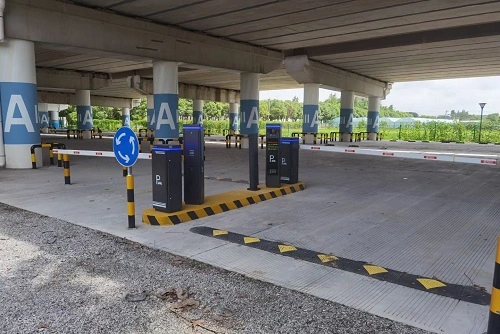
License Plate Recognition technology has completely changed how parking lots work all over the United States. In their most basic form, LPR systems use high-resolution cameras and AI to quickly capture and process license plates as cars enter and leave parking lots. This new idea is a big improvement over old-fashioned ways that needed real tickets and human proof.
How LPR Technology Modernizes Parking Operations?
Commercial License Plate Recognition (LPR) Servers quickly capture plates, use OCR to get alphanumeric data, and match vehicles to accounts or entry permissions, allowing cars to pass without stopping. They integrate with payment gateways, access systems, and management software, supporting tiered pricing, validation programs, and automated guest access.
Core Advantages of Automated Vehicle Identification
Automation eliminates errors from manual ticketing, ensures accurate digital records, and handles cars up to 40 km/h, keeping traffic smooth.
Real-Time Data Integration Benefits
Connected dashboards provide occupancy, peak usage, duration, and revenue trends, enabling optimized pricing and reward programs.
Challenges in Traditional Parking Cost Management and How LPR Addresses Them
Manual systems incur ongoing costs for paper, machines, labor, and fraud. Attendant errors, lost tickets, and congestion reduce efficiency, while cash handling and credit card processing add costs. LPR automation addresses these challenges by reducing human error and improving workflow.
Manual System Inefficiencies and Their Financial Impact
Long shifts, lost tickets, and cash handling raise costs and frustrate customers. Limited data tracking makes it hard to identify trends or prevent theft.
How LPR Transforms Cost Structure?
Commercial License Plate Recognition Server, like the ZOJE-LPR216, maintain billing offline if networks fail and recognize 99% of global plates. Automation reduces staff needs, supports dynamic pricing by vehicle type, and tracks over 150 brands and 1,500 models.
Measurable ROI from Commercial Facilities
Shopping malls recover costs in 18–24 months. Airports reduce congestion, residential buildings improve security, and office complexes streamline billing. Fraud prevention and usage data enable 15–25% higher revenue.
Key Features and Performance Metrics of Commercial License Plate Recognition Servers
The level of technological complexity of current LPR systems decides how well they work and how much money they can save. Facility managers can find answers that meet the needs of their operations and the conditions of the building by understanding the main parts and how they work.
Advanced Imaging and Recognition Components
High-performance Commercial License Plate Recognition Server tools use a lot of different technologies to identify vehicles correctly. Cameras have high-resolution cameras that can take clear pictures in a range of lighting situations, from bright sunlight during the day to complete darkness at night. The ZOJE-LPR216 has ultra-wide dynamic range imaging that changes the exposure settings instantly. This makes sure that the license plate can always be read when cars move from dark to bright areas. The AI programs that run these systems have been developed and trained over many years using millions of plate pictures. Deep learning neural networks can find character patterns even if the plates are dirty, partly hidden, or set up at awkward angles. The 70-degree wide-angle recognition feature works with buildings that have short approach lengths, wide entry lanes, or traffic coming from more than one way at the same checkpoint.
Environmental Adaptability and Accuracy
Commercial-grade LPR servers maintain recognition above 99% in rain, snow, fog, and other conditions. Automated image enhancements handle glare, backlighting, and noise. Outdoor units operate from below 0°C to over 50°C, ensuring reliability, long lifespan, minimal maintenance, and consistent performance without frequent recalibration or part replacements.
Security Protocols and Data Management
LPR systems protect vehicle data through encryption and controlled access, complying with privacy laws. Cloud integration allows centralized management, multi-site monitoring, blacklist sharing, and combined fee handling. Offline billing ensures continuous income, with automatic syncing once cloud connectivity resumes, maintaining data security and operational reliability.
Installation and Integration Best Practices
Optimal camera placement considers angles, lighting, and traffic patterns. Full site assessments prevent issues before installation. Systems integrate with existing gates, payment, and access control hardware, reducing costs. Customizable hardware and software enable unique mounting, billing rules, and analytics, giving managers flexibility without being tied to a single provider.
Comparing Commercial License Plate Recognition Servers with Alternative Solutions
When owners of parking lots look at technology options, they have a lot of options at a range of price points and levels of functionality. It's easier to see why professional solutions for mission-critical applications are better when you know the differences between Commercial License Plate Recognition Servers, open-source options, and consumer-grade systems.
Commercial Systems Versus Open-Source Implementations
Open-source LPR is cost-effective but requires technical expertise for setup, maintenance, and troubleshooting, with no vendor support. Commercial LPR servers like ZOJE offer 24/7 professional support, a two-year warranty, and predictable total cost of ownership, ensuring reliability, rapid issue resolution, and minimized operational risk for business-critical applications.
Consumer-Grade Equipment in Commercial Applications
Consumer LPR cameras lack durability and processing power for busy, multi-lane operations. They rely on cloud processing, causing delays and bottlenecks. Commercial systems manage multiple feeds, perform complex real-time business logic, support expansion, and integrate seamlessly with existing infrastructure, enabling smooth operations in high-volume commercial facilities.
Manual Entry and Hybrid Systems
Manual or hybrid parking methods retain high labor costs, errors, and inefficiencies during peak times or staff absences. Full LPR automation eliminates these weaknesses, providing continuous, non-stop entry and exit. This improves customer experience, operational efficiency, and differentiates business parking operators in competitive markets.
Market-Leading Solutions in 2026
ZOJE and similar providers lead the commercial LPR market with customizable OEM/ODM options, offline billing, and detailed vehicle classification. Despite higher initial costs, commercial-grade solutions maximize ROI through labor savings, reduced maintenance, minimized revenue loss, and extended lifespan, ideal for facilities handling 100+ vehicles daily.
Procuring the Right License Plate Recognition Server for Your Parking Needs
To choose the right LPR technology, you need to carefully look at your long-term strategic goals, business needs, and the features of your building. Structured analysis models that match technology skills with business results help with B2B procurement choices.
Evaluation Criteria for Different Facility Types
Selecting LPR systems requires analyzing business goals, building features, and long-term needs. Structured evaluations help match technology to operations. Shopping malls, airports, residential, and office facilities have distinct requirements, including validation programs, complex pricing, access control, and accurate billing, all supported by Commercial License Plate Recognition Server.
Cost Considerations and Financial Options
Beyond hardware, costs include installation, structural modifications, network upgrades, and software licensing. ZOJE provides clear, comprehensive pricing with purchase, lease, or build-operate-transfer options. DDU/DDP shipping terms simplify international procurement, ensuring predictable budgeting and smooth deployment.
Supplier Evaluation and Partnership Considerations
Choose vendors based on technical expertise, support, patents, and ISO certification. ZOJE’s 12-year track record, annual site visits, and growing international customer base show reliability and long-term commitment, fostering strong partnerships that adapt to evolving facility needs.
Installation Services and Ongoing Support
Professional installation ensures optimal performance through site surveys, camera placement, network setup, and testing. ZOJE offers fast delivery, minimal maintenance, 24/7 global support, modular upgrades, and software improvements, allowing systems to scale with facility growth without hardware replacement.
Conclusion
Commercial License Plate Recognition Server parking costs a lot because it automates tasks that used to be done by people, cuts down on billing mistakes, and makes the best use of the space. Shopping malls, airports, apartment complexes, office buildings, and industrial parking operations all require reliable, accurate, and scalable industrial License Plate Recognition Server systems like the ZOJE-LPR216. 99% recognition accuracy, the ability to bill offline, full vehicle classification, and operation that can be done in any weather conditions all work together to make sure consistent performance that saves income and improves customer experience. When businesses engage in commercial-grade LPR infrastructure, they get their money back within two years through direct cost savings and increased income. This gives them a long-term competitive edge in parking markets that are becoming more automated.
Frequently Asked Questions
1. How accurate are Commercial License Plate Recognition Servers in bad weather?
Modern commercial LPR systems use powerful picture processing techniques to keep recognition accuracy above 99% even in rain, snow, and fog. The ZOJE-LPR216 has ultra-wide dynamic range optimization and automatic parameter adjustment that make up for low vision and glare from wet surfaces. This makes sure that the device works the same way all year long, even when the weather changes.
2. What are the total costs of implementing LPR technology?
Costs of implementation include buying equipment, having it set up by an expert, upgrading the network infrastructure if needed, and paying for software licenses or assistance on a regular basis. Based on the size and complexity of the building, the total cost can be anywhere from $15,000 to $50,000 for small to medium-sized facilities. Most owners get their money back within 18 to 24 months by saving money on labor and making more money.
3. Can LPR servers integrate with our existing parking infrastructure?
Through standard communication methods, commercial license plate recognition systems can work with a wide range of current gate hardware, payment kiosks, and access control equipment. ZOJE can be customized to work with existing systems and third-party building management software. This protects the investments made in previous technology while adding advanced automation features without having to update the whole infrastructure.
Partner with a Trusted Commercial License Plate Recognition Server Supplier
Because ZOJE is an expert in parking automation technology, they can help business building managers who are looking for proven ways to cut costs. Our ZOJE-LPR216 system provides front-end recognition that works reliably no matter what the network conditions are. It also supports offline billing, which keeps income safe when connection is lost. The 99% recognition accuracy across all global plate forms, along with the ability to classify vehicles based on their type for different price, makes operations run more smoothly while cutting down on administrative work. We offer full customization services, OEM/ODM partnerships, and production quality that is ISO 9001:2015 certified and backed by a two-year guarantee. Our technical team offers global help 24 hours a day, seven days a week, and makes yearly trips to customers to make sure the system keeps working well. Email info@zoje-tech.com to talk to ZOJE about how our Commercial License Plate Recognition Server solutions can change the way you handle parking and save you money.
References
1. International Parking Institute. (2023). Automated Parking Technology: Trends and Cost-Benefit Analysis. IPI Research Foundation.
2. Smith, J. & Chen, L. (2023). "Machine Learning Applications in Transportation Infrastructure Management." Journal of Intelligent Transportation Systems, 27(4), 412-428.
3. Transportation Research Board. (2024). Smart Parking Systems: Implementation Guidelines for Commercial Facilities. National Academy of Sciences.
4. Wilson, R. (2023). "Return on Investment Analysis for Parking Automation Technologies in Commercial Real Estate." Facilities Management Quarterly, 41(2), 67-83.
5. American Institute of Architects. (2024). Design Guidelines for Automated Parking Access Control Systems. AIA Knowledge Communities.
6. Martinez, P. & Kumar, S. (2023). "Comparative Performance Analysis of License Plate Recognition Algorithms Under Variable Environmental Conditions." IEEE Transactions on Intelligent Transportation Systems, 24(8), 8456-8471.

Send Inquiry
You may like

Related Industry Knowledge
- Self Service Kiosk Solutions for Your Business Needs
- Is Tempered Glass Full-Height Turnstile Durable?
- How Automatic Parking Barrier Gate Improves Efficiency?
- OEM Anti-Collision Flap Barrier Turnstile Guide
- How High-Security Full-Height Turnstile Prevents Tailgating?
- How Tempered Glass Full-Height Turnstile Enhances Security?
- Is Collision-Proof FlapTurnstile Cost-Effective?
- Guide to Choosing ANPR for Charge Parking Lots That Boost ROI
- Best ANPR Solutions for Public Parking Efficiency & Flow
- Benefits of Unattended License Plate Recognition Tech