
How Automatic Parking Barrier Gate Improves Efficiency?
2026-06-01
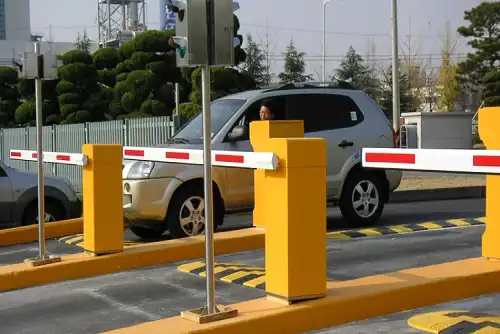
Every parking lot manager must figure out how to swiftly let cars in and out without risking safety or control. A Barrier Gate For Parking Lot automatically lets automobiles in, reduces wait times, and eliminates the need to operate the gate by hand. High-tech sensors, motors, and access control produce seamless entry and departure points that can manage a lot of traffic, monitor cars correctly, and keep unauthorized persons out.
Understanding Automatic Parking Barrier Gates and Their Role in Efficiency
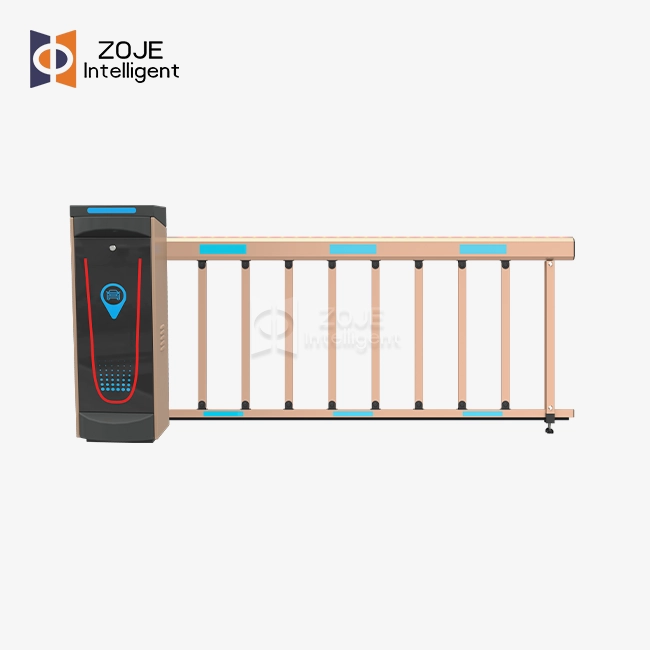
The protector of each contemporary parking lot is an automated barrier gate. These electromechanical devices employ brushless DC motors, crank arm mechanisms, and smart control boards to autonomously manage vehicle flow instead of human gates. The Barrier Gate For Parking Lot has multiple interconnected pieces. After the motor assembly lifts the gate, the boom arm creates the barrier, sensors detect vehicles, and the control unit manages permits from built-in systems like RFID readers or License Plate Recognition.
Core Technologies Driving Efficiency
The technology that controls garage parking has advanced. Modern barrier systems employ brushless motors for their consistent torque and low energy consumption. These automobiles' engines power light metal boom arms that can cross 8-meter highways. The control system can acquire data from several sources. Loop detectors in the ground detect automobiles approaching it, infrared photocells prevent the arm from closing on cars remaining in the gate area, and communication protocols connect the gate to central parking lot software.
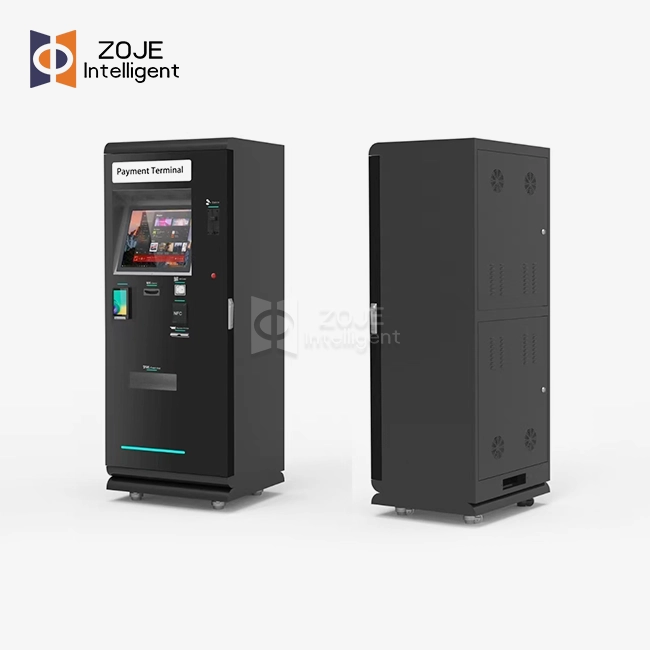
Professional systems integrate with others, unlike basic ones. A decent Barrier Gate For Parking Lot can communicate with ticket machines, payment kiosks, LPR cameras, and mobile payment apps. The technology examines the driver's documents in milliseconds and raises the boom arm in 1.5 seconds when a car approaches. This speed is crucial during rush hours when automobiles wait in lines at entrance points.
Real-World Function in Parking Environments
Watch any company parking lot during morning rush hour to assess its efficiency. Lines form at manual gates when personnel verify IDs and operate controls. When properly configured, automatic barriers can manage over 600 vehicles per hour. Once the evidence is complete, the gate arm rises and sophisticated technologies begin working on the following automobile before it leaves the lane.
Conditions protection ensures system functionality in all conditions. Good units feature powder-coated steel bodies and work from -35°C to 70°C. In the rain, snow, or summer heat, an outside automatic barrier doesn't slow down. Unlike human approaches, this reliability eliminates weather delays.

Performance Optimization: Breaking Bottlenecks to Improve Efficiency
Parking access backs up when credentials are verified, traffic is heavy, and equipment breaks down. Considering these changes parking significantly.
Eliminating Manual Delays Through Automation
Hand-operated gates require time to respond to transactions. In 15–30 seconds every automobile, an attendant gets paperwork, checks them, and opens the gate. The wait time increases 50–100 minutes if 200 people arrive in the morning. An automated Barrier Gate For Parking Lot with RFID long-range scanners validates automobiles 8–10 meters away. Permission is granted when the automobile reaches the gate, and the arm rises immediately. Dealing now takes less than 5 seconds each automobile.
Money is affected beyond ease. Shorter processing times require fewer lanes to serve the same volume. A building with three entry lanes and manual gates might use two automation lanes to reduce construction and maintenance expenses.
Sensor Accuracy and Speed Optimization
Modern parking gates have many monitors that operate together. Ground loop monitors locate cars with 99.9% accuracy. These electronic monitors can distinguish between autos and pedestrians, preventing accidents. Infrared photocells create a safety screen across the lane, and the boom arm rotates around immediately if something stops the beam during closure. Some newer systems use millimeter-wave radar to locate tiny obstructions.
Facilities can modify gate speeds to meet traffic trends. A Barrier Gate For Parking Lot may change speeds between 1.5 and 8 seconds to fit different conditions. In high-volume commercial districts, 1.5 to 2 second operation speeds up automobile checks during busy hours. Residential residents like 4-6 second action since it's less aggressive and quieter. Freedom improves efficiency without sacrificing comfort.
Preventive Maintenance and Uptime
When entry gates break, automobiles can't go in or out, traffic backs up on public roadways, and manually overriding them might compromise security. Maintenance schedules avoid most issues. Professional barrier systems monitor sensors, motor temperature, and cycle counts. When components near servicing time, the control unit writes warnings.
A well-maintained automated barrier has 99.5% uptime. Good units feature manual release methods to keep operating when the power goes out. The boom raises using a clutch mechanism and resumes automatically when the power returns. This emergency mechanism prevents buildings from locking automobiles during power outages.
Selecting the Right Automatic Barrier Gate for Your Parking Lot
When buying equipment, make sure its talents fit its operating demands. Not all parking lots require the same obstacles.
Evaluation Metrics for B2B Buyers
- Operation speed is very crucial in busy areas. Shopping centers and airports with thousands of daily transactions need 1.5-to-3-second barriers. Office buildings with morning and evening peaks benefit from similar speeds. Residential structures with continuous but low traffic can operate quietly.
- Durability and construction quality effect total cost of ownership. For daily usage, a Barrier Gate For Parking Lot with cold-rolled steel housing and metal boom arms is better than lighter materials. Check motor duty cycle. Professional motors can operate continually without overheating, whereas consumer motors require time to cool. After 6 to 12 months, heavily utilized consumer units break down more regularly, revealing the difference.
- Integration capabilities determines how effectively the barrier performs with your parking control system. Modern structures rarely have standalone walls. Gates must connect with payment systems, access control databases, and monitoring software. Wire-based control devices that take switch signals work with most parking management systems. Find devices with wired and cellular connections and numerous network connections.
Comparative Analysis of Gate Types
Boom gates are the most typical barrier gates, with pivoting arms that open up to let people pass. Standard 3–6-meter parking areas work nicely with them. Straight boom arms work for most applications, while flexible folded arms are preferable for basement parking. Telescopic arms can cover extra-wide roadways at 8 meters without larger engines.
Sliding gates slide sideways on a track. These function effectively where top clearance is limited or where individuals appreciate side-sweeping actions. boom barriers are quicker than sliding gates but require more lane edge space.
Bollards block traffic by retracting and rising from the ground. These provide the most protection and safeguard the border, but they move slower than boom barriers and need more subterranean construction.
Prioritizing Features by Business Context
- Shopping malls prioritize throughput and efficiency throughout extended hours. Find barriers that can be utilized over 10,000 times a day, operate quickly, and have three anti-crushing safety systems to protect client automobiles. You must link to payment verification systems.
- Airport parking facilities must be weatherproof and use license plate readers for fast processing. Running 24/7 without breaking down is more crucial than at sites with scheduled off-hours.
- Residential communities seek safety and quiet operations. Smooth mobility and dependable access are more crucial than speed with RFID tags or smartphone apps. Many home settings perform better without power because of battery backups.
- Office complexes see significant traffic in the morning and evening. Variable speed control lets the machine operate slower during off-hours and quicker during peak hours. One-stop credential management is feasible with building access control integration.
- Commercial parking operators worry about overall cost and earnings. Payment mechanisms must be integrated inside the block to prevent unauthorized exit. High durability and low maintenance affect earnings in many locations.
-
Maintaining and Installing Automatic Parking Barrier Gates for Optimal Efficiency
Even the most modern barrier system needs proper installation and maintenance to work well.
Professional Installation Best Practices
Inspectors check the location before placement. Mounting surface anchoring must be stable. Concrete bases over 150 mm work well. Install anchor bolts or loop detectors without interfering with subsurface utilities. Consider traffic flow to place the gate where opposing traffic may notice it and slow down.
Most models require separate 220V AC motor circuits and low-voltage control system and tool circuits. Electrical interference with sensitive control equipment is prevented by proper grounding. Running wires should be shielded by ducting and away from high-voltage lines and electromagnetic interference equipment.
Cut holes in the ground and insert wire coils connected to automobile sensing devices to install a loop detector. Master fitters employ unique saws and geometric patterns for more accurate identification. Incorrect loop installation might produce false warnings or missed detections, reducing system effectiveness.
Maintenance Protocols for Long-Term Reliability
Regular three-month inspections catch issues before they become significant. Balance the boom arm. The spring strain should balance the arm's weight so the motor can lift a neutral load. Unadjusted arms stress the motor and gearbox, accelerating wear. Vibrations can loosen fasteners, so check them. Check the boom arm for damage or warping that might hinder usage.
Clean the motor room and control board of dust and other buildup that hinders cooling. Clean drainage holes to prevent water buildup within the housing. Block safety sensors during machine operation to test them. Arm should turn immediately. When lubricating hinge points, follow the manufacturer's directions and use oils that won't gather dirt or harden in cold weather.
A complete Barrier Gate For Parking Lot repair procedure includes motor function testing. Compare the arm lift time to the beginning point. Increased cycle times may worsen motor or gearbox issues. Check for rusted or weak electrical connections, which can produce resistance and heat.
Compliance and Safety Considerations
Parking barriers must comply with local automatic gate safety regulations. Most areas demand a minimum downward force to avoid injury if the arm impacts someone. Good barriers contain force-limiting gears or motor current monitoring that rotates the arm when it encounters unexpected resistance. The system should include emergency stop keys accessible to pedestrians and building workers.
Safety is enhanced by visual notifications near automated barriers. When the gate is closed, an LED light becomes red; when open, green. Some systems include orange warning lights when the arm moves. Clear signs warn users to avoid the gate area and provide emergency instructions.
Emergency release features enable you operate the gadget by hand if the power goes out or the system fails. The personnel should learn how to use the manual override option and when. When the power returns, the gate should automatically reset without needing to be reset by manually, which would hinder service restoration.
Cost and Procurement Insights for B2B Buyers
Understanding the company's finances helps procurement managers make good decisions and convince leadership to invest.
Initial Investment and Long-Term Value
Basic parking barriers for light-duty household use cost $800–$1,200 per. These aren't durable or feature-rich enough for corporate use. Professional parking systems for companies cost between $2,000 and $4,500, depending on features, motor quality, and compatibility. Heavy-duty barriers for high-volume or difficult places might cost over $6,000.
Start-up expenditures are a minor portion of the overall. Installation expenses can add 30–50% to tool prices, depending on complexity. Simple setups on prepared surfaces with electrical service are cheaper than complex projects that need a lot of site work, trenching for loops, or electrical service modifications.
Determine the long-term savings from these choices. Eliminating one full-time gatekeeper saves $35,000–$45,000 in salary and benefits. A 16-hour-a-day, medium-sized structure with three entrances may employ 4-5 shift workers. These positions are eliminated by entry automation, saving $140,000 to $225,000 annually. Where the barrier system was manually controlled, it pays for itself in 3-8 months.
Energy Consumption and Operating Costs
Modern Barrier Gate For Parking Lot Systems employ brushless DC motors. For 1.5 to 3 seconds, most units require 200W to raise or lower the arm. At 1,000 rounds each day, this is 1.5 kWh per day, or 45 kWh per month, at $5 to $7 per kWh at corporate energy prices. Each gate's annual electricity expenditures seldom exceed $100, therefore energy usage doesn't affect operational costs.
Equipment maintenance expenses depend on usage frequency and quality. Professional barriers for preventative maintenance cost $300 to $600 a year in average-traffic areas. Installing many gates can cost $800–$1,200 annually. These expenditures include three-month checkups, lubrication, adjustments, and replacement parts for natural wear. Emergency repairs pile up rapidly when maintenance is neglected.
Procurement Strategies for Large Projects
Volume purchase agreements benefit projects with many locations or many gates. Discounts of 10–15% and 20–25% are typical for orders of 10–50 products from manufacturers and distributors. These arrangements significantly reduce project costs and standardize installation equipment.
With customization, equipment may be customized to match a certain location without starting from scratch. Common adjustments include longer boom arms, improved stainless steel housings for rusty conditions, specialized parking management system control interfaces, and machine design changes to satisfy facility design standards. Discussing customization demands early in the procurement process ensures accurate prices and prevents costly installation revisions.
Source techniques balance costs and support needs. Buying directly from manufactures gives the greatest costs, but you may not have local support. Distributors price more but have local goods, deliver faster, and know installation personnel. For projects that need continuing support and rapid access to parts, distributor agreements may be beneficial in the long run, even if they cost more.
Pay attention to payment conditions and guarantee support. Manufacturer warranties cover issues and early failures for 12–24 months. Extended warranties are more expensive, but they help companies prepare for recurring payments. Different merchants have different payment arrangements. Others offer net-30 or net-60 terms to proven business purchasers, while others need full payment before shipment.
Conclusion
Automatic parking gates take the hassle out of entering a building. Modern systems process automobiles in under 3 seconds and are safe with built-in access control. Computer connectivity and AI-enabled sensors improve technologies. Consider traffic, integration, and assistance availability when weighing early expenditures versus long-term benefit when purchasing. Good barrier systems save money on recruiting and help firms function more effectively, so they frequently recoup their investment within a few months. Parking access increases or decreases based on demand while delivering reliable service.
FAQ
1. What is the typical lifespan of a commercial barrier gate?
Business block gates typically last how long? When utilized appropriately and maintained, business-grade units endure 8–12 years. Good motors and gearboxes can last millions of rotations. Facilities that handle many transactions or are used 24/7 may need updating. Regular maintenance extends the lifespan; neglected devices break down after 3–5 years.
2. How do parking barriers integrate with multiple access control technologies?
Parking barriers with multi-point entry devices—how do they work? Modern barriers can get authentication data from most systems using wire control interfaces or communication protocols. RFID readers validate proximity cards or tags, LPR cameras rapidly locate permitted automobiles, QR code readers process mobile tickets, and payment terminals verify transactions before unlocking the gate. As an enforcement mechanism, the barrier gate for parking lot reacts to permission signals from any system.
3. Are solar-powered barriers as reliable as electric models?
How sturdy are solar-powered fences versus electric? Solar barriers perform effectively in remote regions without electricity, but electric ones always function better. Solar systems' battery backups lose power over time and may not perform properly in the dark. Electric fences may cycle endlessly and are weatherproof. For places without power or too expensive to install, use solar.
Partner with ZOJE for Superior Parking Access Solutions
ZOJE has been creating automatic parking entrance systems for challenging businesses for over 10 years. Our professional Barrier Gate For Parking Lot is dependable due to advanced engineering. Customized three-link crank arm mechanisms provide millions of cycles of smooth operation, and three anti-crushing safety systems protect automobiles and persons. The working speed may be adjusted from 1.5 to 8 seconds to manage any traffic, and it works perfectly with LPR, ETC, and Bluetooth systems to be utilized without supervision while connected to the cloud.
We understand that B2B customers require more than reduced costs. You also need a trusted parking lot barrier gate provider with comprehensive assistance. With 30-minute remote response times, ZOJE provides skilled help worldwide 24/7. This is supported by our 2-year warranty and lifelong maintenance. Our ISO 9001:2015-certified production ensures quality, and our technical staff tailors solutions to each project.
Our staff visits clients worldwide once a year to enhance relationships and ensure your systems work well. Standard products are sent within 5 to 7 days. Our staff can discuss your demands at info@zoje-tech.com. We'll advise you on the optimum barrier setup, provide technical details, and provide competitive bids that meet your budget and operational requirements.
References
1. Smith, J. & Chen, L. (2022). Automated Parking Systems: Technology, Design, and Implementation. Transportation Infrastructure Press.
2. National Parking Association. (2021). "Best Practices for Automated Access Control in Commercial Parking Facilities." Parking Professional Standards Handbook, 8th Edition, pp. 147-189.
3. Morrison, R. (2023). "ROI Analysis of Parking Automation Technologies in High-Volume Facilities." Journal of Transportation Engineering and Management, Vol. 45, No. 3, pp. 221-238.
4. International Parking & Mobility Institute. (2022). Emerging Technologies in Parking Access Control Systems. IPMI Technical Report Series.
5. Davidson, K. & Patel, A. (2021). "Safety Standards and Compliance Requirements for Automated Vehicle Barriers." Access Control Technology Review, Vol. 17, No. 4, pp. 89-112.
6. Zhang, W. (2023). Smart Parking Infrastructure: From Design to Operation. Urban Transportation Technology Publishers.

Send Inquiry
You may like

Related Industry Knowledge
- Everything You Need to Know About Self-Service Kiosks
- Space-Saving Turnstile Design and Structural Features
- Traffic Control Barrier Gate Benefits Explained
- Interlocking Full-Height Turnstile Gate Benefits
- How Security Anti-Collision Barrier Prevents Damage?
- Barrier Gate For Parking Lot Benefits Explained
- Anti-Collision Flap Turnstile Gate Benefits in Offices
- Top Benefits of Unattended Access Control Turnstile
- Guide to Implementing Parking Fee Management Software in Cities
- Where to Buy Reliable LPR Systems for Municipal Parking Lots?