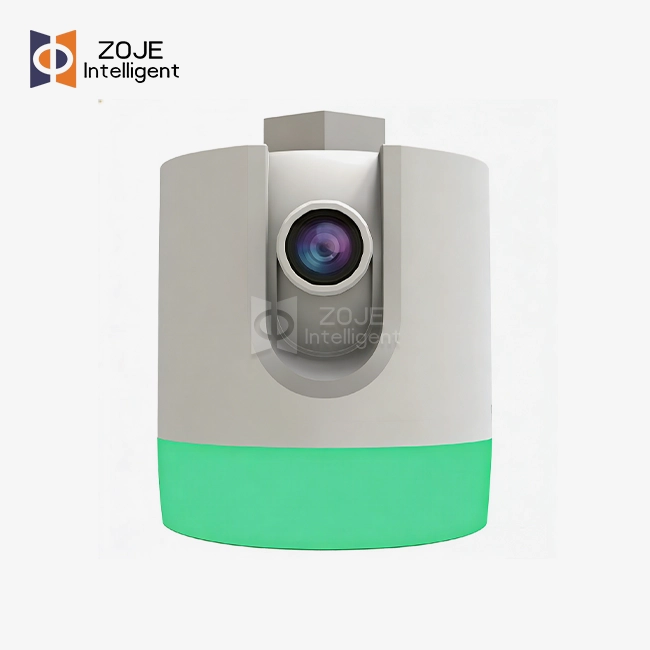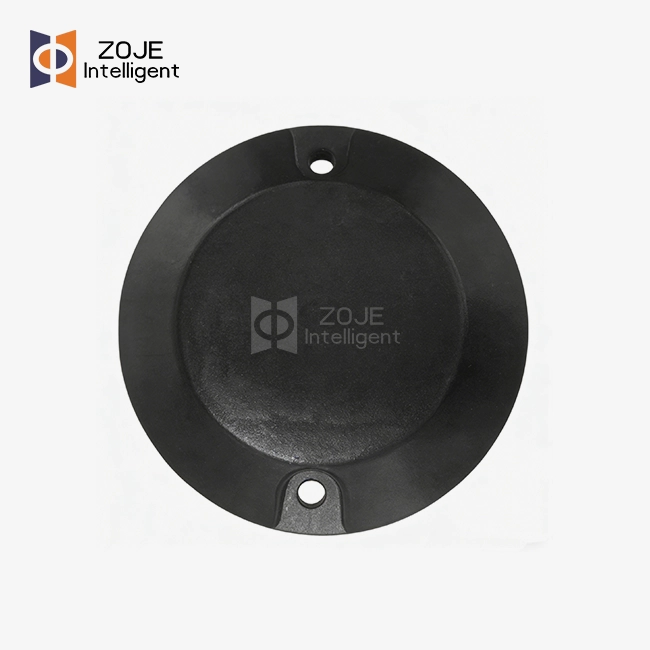
In-Ground Geomagnetic Parking Sensor
2. Dual sensing technology,Recognition rate:99%
3. No-excavation setup, super fast deployment
4. 3-5 years lifespan, low maintenance cost
5.IP68 waterproof | -30℃~+85℃, harsh environment resistant
6.Real-time data sync | Cloud/local linkage, guidance & payment ready
7.Custom parking solutions.Support hardware/software customized
8.24/7 tech support and service

- Face to Face Discussion
- Quality Assurance
- 24/7 Customer Service
Product Introduction
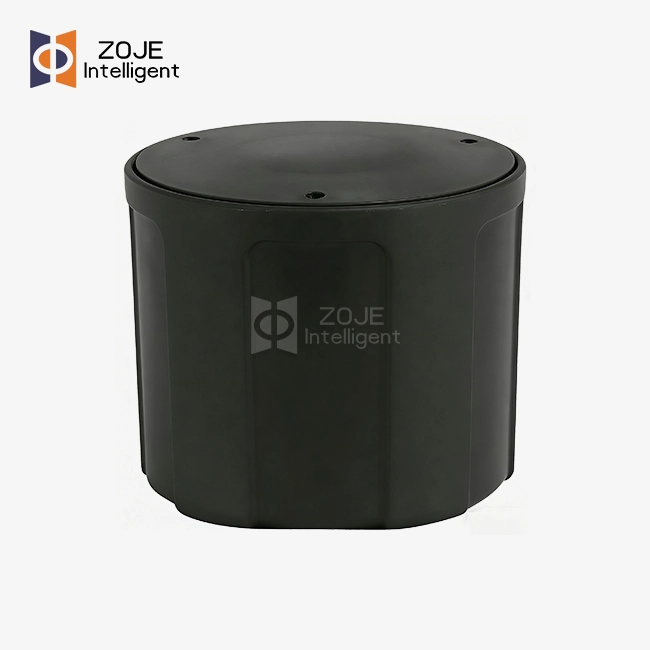
In-Ground Geomagnetic Parking Sensor – ZOJE-TM10M | Smart Parking Detection Solution
The In-Ground Geomagnetic Parking Sensor ZOJE-TM10M handles the messy reality of parking lots, where dependable operation and few service visits count most. Hong Kong ZOJE Intelligent Technology Co., Ltd. builds it. That manufacturer started in 2012 and holds ISO 9001:2015 certification. Dual sensing technology gives the unit a 99% recognition rate. Setup needs no excavation, so crews get it into the ground fast. Running range is -30°C to +85°C, and the housing carries an IP68 waterproof rating. Service lifespan runs 3–5 years. Data syncs to the cloud in real time. For smart parking projects at any scale, that adds up to a practical pick.
What Is a Geomagnetic Parking Sensor and How Does It Work?
A geomagnetic parking sensor is an industrial IoT node embedded in pavement. It detects, in real time, whether a parking space is occupied. The trick is watching how the Earth's local magnetic field shifts. A vehicle's ferromagnetic chassis causes those shifts. Sensing rests on Anisotropic Magnetoresistance (AMR) or Tunneling Magnetoresistance (TMR) principles.
Cameras need a clear line of sight. This sensor does not. Heavy fog will not blind it, and snow does not either. Low light changes nothing, while optical sensors often fail in exactly those conditions. Accurate detection with little upkeep is what cities want. Parking operators and logistics facilities want the same thing. That makes This product a practical infrastructure choice for all of them.
Dual Sensing Technology — 99% Recognition Rate
Inside the ZOJE-TM10M there are two sensing modes working together. One picks up the magnetic field. The other checks the result a second time, and that is how false positives get filtered out. A single-mode sensor can be set off by things nearby, such as subway trains, underground cables, or heavy traffic rolling past. On the TM10M, the algorithm waits for the magnetic field change to hold steady for a set time, 6 seconds for instance, and only then does it mark the space as occupied.
This XYZ-axis profiling approach reduces ghost readings and contributes to the sensor's 99% recognition rate, which directly improves billing accuracy and occupancy reporting.
No-Excavation Setup — Fast, Low-Cost Deployment
Traditional inductive loop detectors require significant road cutting and civil engineering work. The TM10M does not. Its no-excavation installation design allows deployment without major disruption to traffic or pavement structure, reducing both installation cost and project timeline.
For large-scale rollouts — whether across a city block or a multi-level car park — this difference in deployment method has a measurable impact on overall project cost.
Technical Specifications
| Parameter | Specification |
|---|---|
| Model | ZOJE-TM10M |
| Type | Buried installation |
| Dimensions | Φ113×101mm |
| Battery Capacity | 38000mAh |
| Battery Life | >5 years |
| Net Weight | 850g |
| Operating Temperature | -30℃~+85℃ |
| Operating Voltage | 2.5-3.6V (internal battery) |
| Protection Level | IP68 |
| Average Current | <50uA |
| Housing Material | Black PC+ABS+PA66 |
| Communication Mode | RF470MHz @10kbps |
| Communication Distance | ≤100m |
| Detection Accuracy | ≥99% |
| Compression Resistance | 20 tons |
| Relative Humidity | ≤90%RH (no condensation) |
| Wireless Upgrade | Supported |
| Mobile APP Debugging | Supported |
Built for Harsh Environments
Water protection on the TM10M is rated IP68. That means the unit stays sealed even if it is under water for long periods. The housing is filled using epoxy potting, and this blocks water from getting in. Sensor failure on outdoor pavement jobs often comes from water ingress.
From -30°C to +85°C, the unit keeps working. Production quality checks include thermal cycling tests. Those tests confirm the magnetic baseline algorithm holds steady as the temperature moves, and does not drift into false occupancy readings.
The housing is designed to withstand vehicle load and impact pressure. When flush-mounted or recessed approximately 2–3 mm below the pavement surface, the In-Ground Geomagnetic Parking Sensor unit is also less exposed to damage from snowplow blades.
Application Scenarios
Urban On-Street Parking
GPS signals drop out in dense city centers. Cameras are not practical there either. In such places the TM10M still delivers accurate occupancy data to parking guidance apps. That data helps with turnover rate management and enforcement workflows.
Heavy-Duty Logistics and Truck Rest Areas
You can calibrate the sensor to pick up heavy vehicles. Its housing also stands up to the load found along logistics corridors. Mud, snow, and heavy axle pressure are all part of that.
Fire Lanes and Emergency Access Zones
Alerts can be set to fire when a vehicle sits in a restricted zone past a set time limit. Thirty seconds is one example. Safety compliance monitoring gets support this way.
Guided Parking and Payment Integration
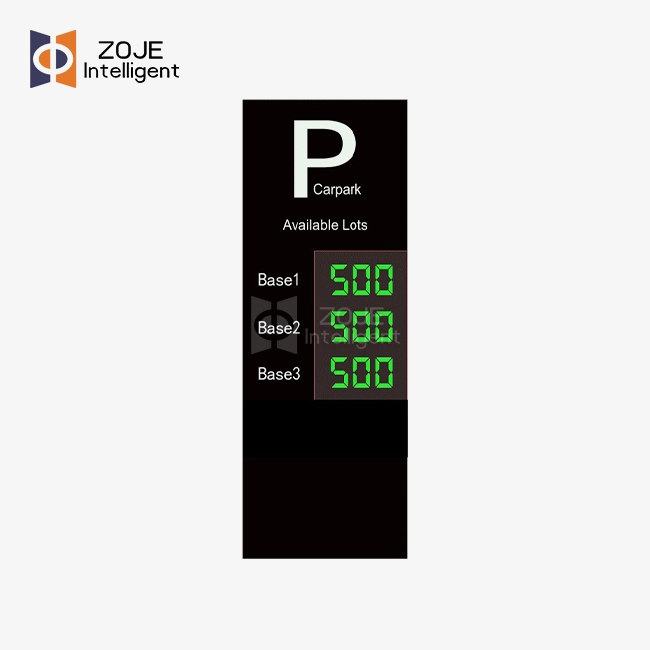
Cloud data and local data link up in real time on the TM10M. Guidance displays and payment systems connect to it. Smart parking workflows then run end to end.

Quality Control Standards for the In-Ground Geomagnetic Parking Sensor
Before shipping, every TM10M unit passes a set inspection process:
- Load Bearing & Compression Test: Pressure is put on the shell. This checks that it keeps its shape and does not bend or squash.
- Thermal Cycling (ESS): Each unit goes through fast temperature changes (-30°C to +85°C). This shows whether the algorithm stays stable.
- IP68 Waterproof Integrity: The unit is placed under water. Then the epoxy seal is checked to make sure water cannot get in.
- Wireless Sensitivity Calibration: the RF module goes through a test. It confirms the signal can pass through asphalt and water layers.
Production and quality management follow ISO 9001:2015 standards.

Customization and OEM/ODM Services
ZOJE can customize hardware and software for the TM10M to fit what the project needs. Adjusted detection sensitivity is one option. So are specific communication protocols and custom firmware configurations. Our engineering team works straight with clients while the specs are being drawn up.
We take on OEM and ODM work with parking system integrators and distributors. Standard In-Ground Geomagnetic Parking Sensor units leave our facility in 5–7 days. Custom setups usually take 10–15 days. Goods can move by sea or by air. Both DDU and DDP terms are supported.

FAQ
Q: In what way does the sensor tell a parked vehicle apart from one sitting in traffic?
A: The sensor uses a settling time algorithm combined with XYZ-axis magnetic profiling. The field change must remain stable for a set period — for example, 6 seconds — before the space is logged as occupied, filtering out short-duration spikes from passing or briefly stopped vehicles.
Q: Can snowplows damage the sensor?
A: If the sensor is flush-mounted or recessed 2–3 mm below the pavement surface, it is protected from plow blades. Surface-mount versions carry higher risk in snow-prone regions.
Q: Is the battery replaceable?
A: IP68-rated units are fully potted with resin to maintain the waterproof seal. As a result, batteries are not field-replaceable. The entire unit is replaced at the end of its 3–5 year service life.
Q: Does road resurfacing affect the sensor?
A: Yes. Pull the sensors out before asphalt milling or re-paving. Afterward they get put back or swapped for new ones. That is because a shift in surface height throws off the magnetic baseline calibration.
Q: Which is better: NB-IoT or LoRaWAN?
A: NB-IoT talks straight to cell towers. No local gateway is needed. That works well for spread-out sites or on-street parking. LoRaWAN does need a local gateway. For dense, clustered lots with many sensors, it can cost less.
Q: Does the sensor work in underground or covered parking structures?
A: The TM10M supports both cloud and local linkage configurations. For underground environments where cellular coverage is limited, local gateway-based communication such as LoRaWAN is recommended to maintain reliable data synchronization.
Contact Us
For project inquiries or product information about the In-Ground Geomagnetic Parking Sensor, Contact Us at info@zoje-tech.com. We're available to assist with specifications, customization requirements, and OEM cooperation.
Send Inquiry
You may like