
What Is a High-Performance License Plate Recognition Camera?
2026-04-09
A high-performance license plate recognition camera represents a sophisticated vehicle identification system engineered to deliver exceptional accuracy, speed, and reliability across diverse operational conditions. Unlike standard surveillance cameras, these specialized devices integrate advanced optical character recognition (OCR) algorithms, high-resolution imaging sensors, and intelligent processing capabilities to capture and decode license plates in real-time. The technology operates seamlessly regardless of vehicle speed, lighting conditions, or weather challenges, making it indispensable for modern parking management, security infrastructure, and traffic control applications. With recognition rates exceeding 99%, these cameras have become essential tools for shopping malls, airports, residential communities, office complexes, and commercial parking facilities seeking automated vehicle management solutions.
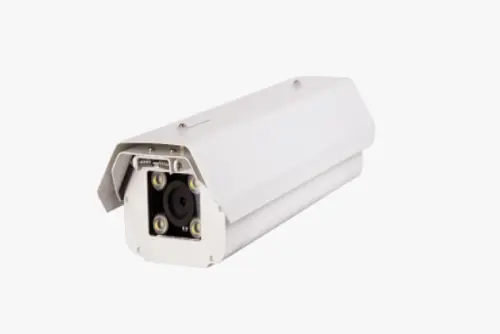
Understanding High-Performance License Plate Recognition Cameras
Core Technology and Technical Specifications
High-performance LPR cameras use high-resolution imaging and OCR to read plates at speeds up to 40 km/h, even with damage or partial blockage. Infrared and ultra-wide dynamic optimization enable reliable operation in low light, direct sunlight, rain, or snow. AI classification distinguishes over 1,500 vehicle models and 150 brands, allowing differentiated charges and full traffic management.
Front-End Recognition Architecture
Modern LPR cameras like the ZOJE-LPR216 process recognition on-camera, reducing network dependence, latency, and downtime. Offline processing ensures stable operations and payment handling without internet. Eliminating backend servers lowers deployment costs, simplifies setup, and improves usability while maintaining professional-grade performance for parking and traffic management systems.
Key Benefits and Applications of High-Performance License Plate Recognition Cameras
Security and Operational Advantages
Putting in High-Performance License Plate Recognition Camera systems changes how secure buildings are and how efficiently they run in many different types of buildings. Real-time vehicle identification adds a layer of instant knowledge that security staff can use to assess threats and respond to incidents. When these cameras are connected to access control systems, they make authorization easy—authorized cars go through instantly, and attempts by people who aren't supposed to be there are immediately detected.
Here are the main benefits that this technology gives us:
- Enhanced Security Monitoring: Tracking a car all the time keeps detailed records of when it enters and leaves, which are very helpful during security investigations. The 99% recognition rate makes sure that there aren't many fake readings, which boosts trust in the system's dependability. Shopping malls can find vehicles that have been involved in previous events, and home areas can feel safer by keeping track of tourist vehicles.
- Operational Cost Reduction: Automation gets rid of the need for people to hand out and receive tickets by hand, which greatly reduces the amount of work that needs to be done. It is possible for parking lots to switch employees from regular transactional tasks to customer care jobs. Systems like the ZOJE-LPR216 are designed to be low-maintenance, which means they don't need as much technical help. This lowers running costs even more.
- Improved Traffic Flow: The ability to enter and leave the building at any time keeps cars moving easily, avoiding traffic jams during peak times. Airports that handle thousands of cars every day like how saving seconds on each transaction adds up to big capacity gains. When workers enter without stopping at gates, office buildings avoid traffic jams in the morning.
- Data-Driven Decision Making: Full car traffic data helps facility managers find trends of use, find the best pricing methods, and plan for capacity increases. Cloud connection lets you watch and report in real time from anywhere, which supports management scenarios with multiple sites.
These benefits work together to solve the problems that modern parking lots have with how they work and give clear results on technology investments.
Versatile Application Scenarios
High-Performance LPR cameras adapt to diverse settings: commercial lots need fast, accurate cloud payments; residential areas benefit from wide-angle recognition for secure entry; airports rely on speed detection and weather resistance for high-volume operations; and shopping malls use vehicle classification to set fair, optimized pricing for cars, buses, and business vehicles, maximizing efficiency, security, and revenue across all scenarios.
How to Choose the Right High-Performance License Plate Recognition Camera?
Defining Your Specific Requirements
Choosing the right High-Performance License Plate Recognition Camera depends on facility size, traffic volume, recognition accuracy, and environmental conditions. Features like vehicle classification, weatherproofing, strong IR, and ultra-wide dynamic range in the ZOJE-LPR216 ensure reliable performance in varied settings, from small lots to large airports.
Critical Evaluation Metrics
Critical evaluation includes real-world recognition rates, processing speed, night vision, and system flexibility. Front-end recognition improves traffic flow, while open designs support integration and secondary development. Vendor reputation, professional support, and warranties—like ZOJE’s two-year coverage—ensure long-term reliability and trustworthiness for effective, continuous operation.
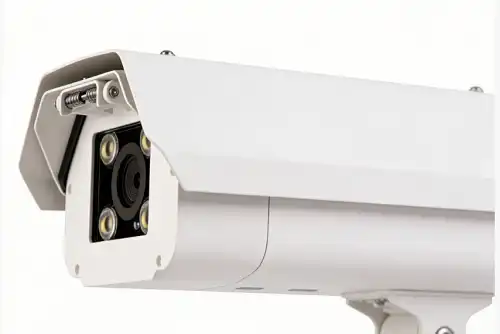
Installation and Integration of High-Performance License Plate Recognition Cameras
Strategic Positioning and Setup Best Practices
Proper installation greatly affects High-Performance License Plate Recognition Camera accuracy. Consider capture angles, vehicle approach paths, mounting height, and distance to the plate. Advanced models like the ZOJE-LPR216 handle wide angles and dynamic lighting, ensuring clear recognition even in glare or varying approach directions, optimizing image quality.
System Integration and Maintenance Protocols
System integration improves facility management, linking cameras to access control and cloud payment systems. Multi-camera data tracks traffic flow and occupancy. Regular maintenance, software updates, and calibration keep performance high. Professional installation ensures optimal placement and integration, supported by ZOJE’s 24/7 global technical assistance and detailed setup guidance for immediate, reliable operation.
Procurement Considerations for B2B Clients
Partnership with Qualified Suppliers
Businesses around the world that want High-Performance License Plate Recognition Camera solutions can get a lot out of working with well-known makers that offer clear prices and full support. Direct connections with manufacturers often offer lower prices than multiple levels of marketing, while still guaranteeing genuine products and full warranty support.
When businesses buy in bulk, they can get economies of scale that help them install systems across multiple sites. Volume savings are given to people who make bigger promises, and standardization makes servicing easier by lowering the number of extra parts and technical know-how that are needed. Companies like ZOJE offer OEM and ODM support, which lets businesses with specific needs do things like private marking or create their own features.
The warranty covers problems with the technology and failures that happen before they should. A normal two-year warranty shows that the manufacturer is confident in the product's durability and gives you peace of mind about your budget. During the guarantee time, the maker is still responsible for any unexpected replacement costs. Make sure that the guarantee covers both parts and work, and know how to make a warranty service claim.
When figuring out the total cost of ownership, the quality of the after-sales service is often more important than the price of the product itself. When problems happen, responsive technical help keeps operations running as smoothly as possible. As long as ZOJE is committed to providing global support 24 hours a day, seven days a week, it is important for facilities that are always running that help is always available, no matter what time zone or area holiday it is.
Financial and Logistics Considerations
Finding out how much the whole project will cost means looking at more than just the price of the tools. The cost of installation depends on how complicated the spot is and whether professional help is needed. When connecting cameras to central management systems, there may be network infrastructure costs. However, these costs are kept to a minimum with front-end recognition models like the ZOJE-LPR216.
Software licensing fees, maintenance costs, and possible cloud service fees for data storage and online access are examples of ongoing operating costs. Long-term ownership costs are cheaper for equipment that needs less upkeep and more frequent service, even if the initial investment is higher.
Delivery dates affect project schedules and should be confirmed during talks about buying things. Standard goods usually ship between 5 and 7 days, while custom options take between 10 and 15 days to make. When you know the lead times, you can avoid project delays and make sure that the installation crews and building plans work together.
Logistics words change both the cost and who is responsible for what. When goods leave the plant, FOB shipping is the buyer's job. DDP delivery, on the other hand, takes care of all the details, including shipping, customs, and duties. ZOJE lets you choose from different shipping terms, so you can adapt to your customers' needs and the way your supply chain works.
Conclusion
Today, High-Performance License Plate Recognition Camera units are an important part of managing facilities in places like shopping malls, airports, neighborhoods, office buildings, and business parking lots. The technology gives real benefits by making security tracking better, lowering operational costs, making traffic move better, and letting managers make decisions based on data. It is important to carefully consider the accuracy of recognition, processing speed, environmental adaptability, and merging freedom when choosing the right tools. The ZOJE-LPR216 is an example of advanced ANPR technology because it has a 99% recognition rate, a front-end processing design, full car classification capabilities, and strong performance in the outdoors. Strategic installation, careful system integration, and ongoing maintenance with quick expert help are all necessary for deployment to go well. When businesses work with well-known makers, they can get access to tested technology, full support, and the long-term dependability that is needed for important working infrastructure.
FAQ
1. What recognition accuracy should I expect from professional license plate recognition systems?
High-Performance License Plate Recognition Camera units made for professionals usually get it right 99% of the time when they're working normally. This level of performance takes into account different types of plates, speeds of up to 40 kilometers per hour, and different lighting situations. Recognition rates may change a little during harsh weather or when plates are badly damaged, but in most real-world scenarios, good systems work the same way.
2. Can license plate recognition cameras work during network outages?
When the network goes down, advanced models with front-end detection design keep running. The ZOJE-LPR216 handles all recognition jobs within the camera unit, which means that it can do everything offline, even bills. This lack of rely on network access means that the facility can keep running even when the internet is down. Once connectivity is restored, data will be automatically synced.
3. How do these cameras handle different international license plate formats?
Comprehensive license plate records that cover many countries and areas are built into High-Performance License Plate Recognition Camera systems. The recognition systems can work with different plate sizes, character layouts, and style standards. The ZOJE-LPR216 can read license plates from all over the world, so it can be used in foreign airports and other places that serve a wide range of vehicles. When new plate types come out, the software is regularly updated to include them.
Ready to Transform Your Parking Operations with Advanced License Plate Recognition Technology?
ZOJE is ready to provide automatic car identification solutions that are specifically designed to help you with your business problems. Our provider of the High-Performance License Plate Recognition Camera has 99% recognition accuracy, works well outside, has a strong front-end processing design, and has a lot of features for classifying vehicles. Our engineering team offers personalized consultations to make sure the best system design, no matter if you're in charge of a busy airport parking lot, shopping mall, residential neighborhood, or business parking operation. We allow customization of both hardware and software, as well as relationships between OEM and ODM companies and secondary development for unique needs. Get in touch with our experts at info@zoje-tech.com to talk about your project needs and find out how our tried-and-true technology, which comes with a two-year guarantee and 24/7 global technical support, can help you run your facilities better.
References
1. Smith, J. & Anderson, M. (2022). "Advanced Optical Character Recognition in Modern Traffic Management Systems." Journal of Transportation Technology, Vol. 14, Issue 3, pp. 245-267.
2. International Parking Institute. (2023). "Automated Parking Technology: Implementation Guide for Commercial Facilities." IPI Professional Development Series, Second Edition.
3. Chen, L., Rodriguez, P., & Williams, K. (2021). "Comparative Analysis of License Plate Recognition Algorithms Under Varying Environmental Conditions." IEEE Transactions on Intelligent Transportation Systems, Vol. 22, No. 8, pp. 5234-5248.
4. Global Security Magazine. (2023). "Vehicle Identification Systems: Performance Benchmarks and Selection Criteria for B2B Procurement." Annual Technology Review, pp. 78-94.
5. Thompson, R. (2022). "Front-End vs. Backend Processing in ANPR Systems: Cost-Benefit Analysis for Large-Scale Deployments." Parking Management Quarterly, Spring Edition, pp. 34-41.
6. Association of Parking Professionals. (2023). "Best Practices for License Plate Recognition Camera Installation and Integration." Technical Standards Manual, Revised 7th Edition, Chapter 12.

Send Inquiry
You may like


Related Industry Knowledge
- Cashless Parking for Government Facilities: A Modern Approach
- How Parking Management Barrier Gate Works Efficiently?
- OEM Waist-high Tripod Turnstile Supplier Guide
- How Unattended Access Control Turnstile Works?
- What Is Anti-Collision Flap Turnstile Gate? Working Principle
- What Is an LPR Server for 24/7 License Plate Recognition?
- Best License Plate Recognition Systems for Parking
- Guide to Implementing Parking Fee Management Software in Cities
- What Is an Open API LPR Parking System for Smart Parking?
- What Is an Offline LPR Parking System?